






Antique Copper Fused Silver
Antique copper fused silver brings robust drinkware and lighting to the table, uniting base metal with precious plate.
Antique Copper Fused Silver
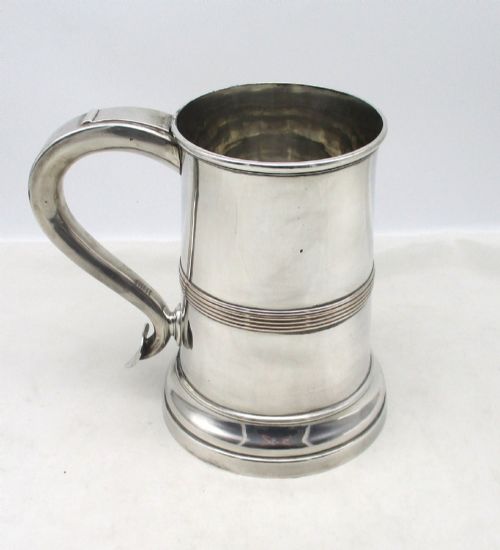
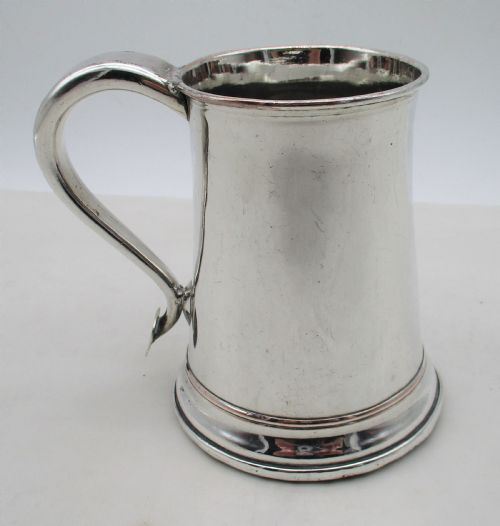
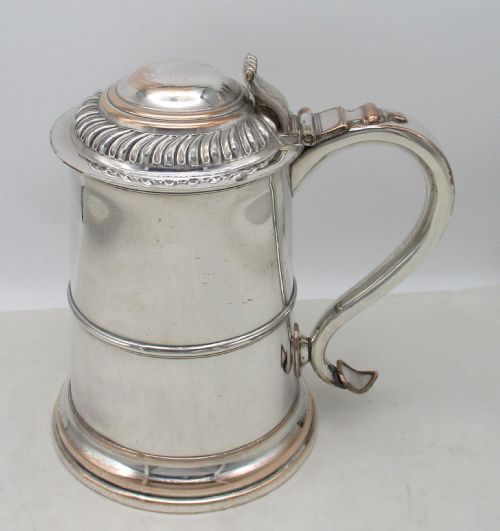
Antique copper fused silver pieces comprise substantial drinkware and lighting forms shaped from fused metal sheets. Tankards, pint vessels, and lidded mugs dominate the forms alongside pairs of candlesticks and candelabra.
Buyers encounter items originating primarily from the Georgian era and the eighteenth and nineteenth centuries. These domestic objects demonstrate the heavy utilitarian service expected of early dining arrangements.
The most common survivals on this page are large and small tankards fashioned in the Old Sheffield manner. Candlesticks and matching candelabra complete the selection of surviving functional forms.
How they were made
Craftsmen fused a thin layer of silver to a thicker copper core by heating the combined metals under pressure. This composite sheet was then hammered, raised, or soldered into the desired vessel or lighting form.
Makers finished edges with applied silver wire to conceal the exposed copper margin at the seams. Handles and mounts were cast separately in metal and joined to the main body.
Antique Copper Fused Silver Retail Price Guide 2026
Typical asking prices for copper fused silver among the pieces listed under this phrase on Sellingantiques today, from the lower quarter to the upper quarter. They describe what is for sale here now, not the wider market.
Every surviving tankard carries the secret of countless long-forgotten tavern toasts beneath its heavy silver skin.
What varies in quality
Quality rests upon the preservation of the original silver layer over the copper substrate. Pieces retaining a thick silver skin without extensive wear display superior original execution.
Proportion and crispness of form separate standard vessels from finer workshop productions. Substantial weight and clean soldering mark the superior items of the period.
Richard Morton
The Antique Copper Fused Silver Glossary
- Old Sheffield Plate
- An early composite material made by fusing silver to a copper ingot before rolling them into sheets together. This technique preceded modern electroplating methods by nearly a century.
- Tankard
- A tall drinking vessel featuring a single handle and often a hinged lid. Eighteenth-century examples in fused plate frequently served ale or beer at the table.
- Taper candlestick
- A slender lighting device designed to hold a narrow wax taper rather than a standard household candle. These smaller pieces often survive in matched pairs.
- Candelabra
- A branched lighting fixture holding multiple candles upon a single central stem. Georgian examples in fused plate match the decorative metalwork of contemporary candlesticks.
Antique Copper Fused Silver: Frequently Asked Questions
What is antique copper fused silver?
Antique copper fused silver refers to items created by melting a thin sheet of silver onto a thick copper block, which was then rolled into plates. This technique created durable domestic items that looked entirely silver.
Craftsmen shaped these composite sheets into drinking vessels and lighting equipment during the Georgian period. The resulting pieces combined the strength of copper with the appearance of solid silver.
How do I clean old fused plate?
Cleaning requires very gentle silver polish applied with a soft cloth to avoid wearing through the thin silver layer. Aggressive rubbing can expose the copper base underneath.
Regular dusting and minimal moisture protect the metal surfaces from corrosion. Proper care preserves the historical finish accumulated over centuries.
Were these tankards used daily?
These tankards served practical drinking functions in homes and taverns during the eighteenth and nineteenth centuries. Their heavy construction suited them for frequent daily handling.
Drinkers used them primarily for ale, beer, and other table beverages. Their robust build ensured survival through generations of active use.
How can I tell the period?
Dating relies upon stylistic markers such as handle shapes, base mouldings, and manufacturing seams. Eighteenth-century items often display distinct soldering methods compared to later nineteenth-century pieces.
Matching the object type to known Georgian design conventions helps narrow the era of production. Examining the edges reveals the thickness of the original fused sheet.