
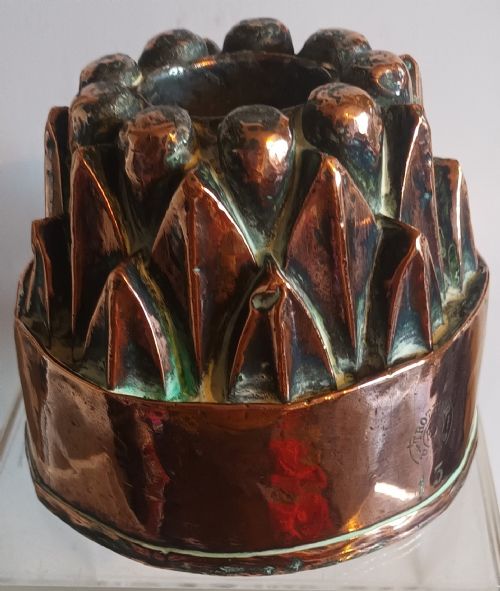


Antique Copper Copperware
Antique copper copperware brings tactile warmth and domestic history into modern rooms through heavy metal kitchenware and decorative vessels.
Antique Copper Copperware
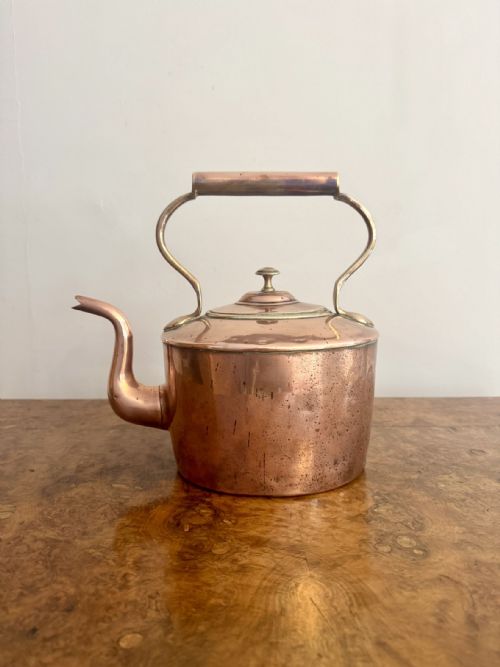
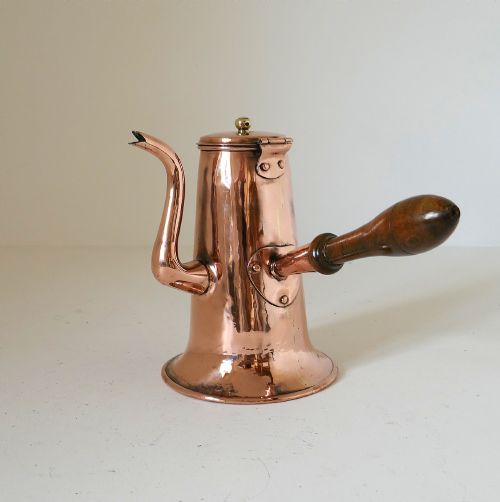
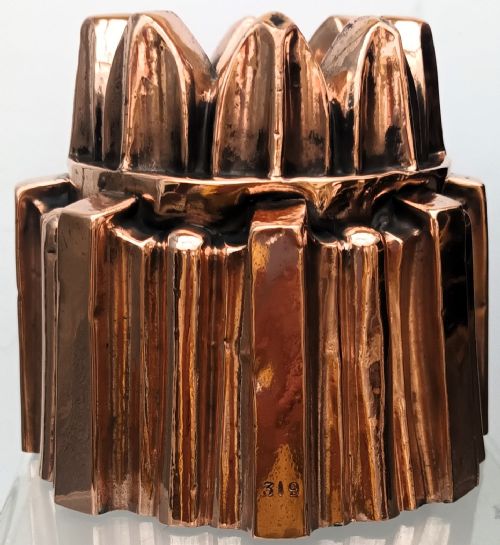
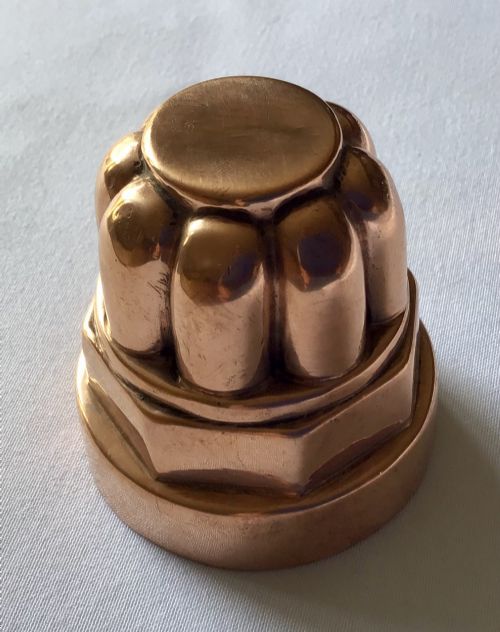
When you search for antique copper copperware, you encounter domestic items spanning the Georgian, Victorian, and Arts and Crafts periods. These pieces range from practical kitchenware and culinary moulds to decorative vessels such as vases and water urns.
The versions you are most likely to meet on this page include George III kettles and Victorian kitchen vessels made for heavy daily use. Alongside these functional items, Arts and Crafts and Art Nouveau pieces demonstrate the shift towards decorative metalwork.
Originating largely from English and French workshops, these items reflect the evolution of domestic interiors from utilitarian kitchens to display spaces. Each piece carries the marks of its period, whether through hand-beaten surfaces or fitted brass and iron handles.
Judging quality in copperware
The calibre of a piece rests upon the weight of the copper sheet and the integrity of its construction. Heavier gauges withstand centuries without distortion, whereas thin metal yields easily to dents and heat warping.
Hand-finished details distinguish superior work from standard production. Dovetailed base seams, neatly hammered rivets, and well-proportioned brass or iron mounts indicate a maker who prioritised structural longevity alongside utility.
Surface finish and original patination reveal how a vessel has aged. Pieces that retain their natural warm metal tones without aggressive modern over-polishing offer greater integrity to collectors.
Materials documented across the inventory include solid copper paired with brass, cast iron, tin linings, and insulated wooden handles.
KESWICK ARTS AND CRAFTS·Trottier
The Antique Copper Copperware Glossary
- Repoussé
- A metalworking technique where the artisan hammers the design from the reverse side to create a raised relief on the front. This method defines many decorative Arts and Crafts copper pieces.
- Ferrat
- A traditional French culinary term often associated with specific kitchen vessels or gridirons used over hot coals. These items highlight the regional utility of historical metalware.
- Tazza
- A shallow ornamental bowl or dish raised on a pedestal foot. In copperware, these pieces served decorative display functions in Edwardian and Arts and Crafts interiors.
- Dovetail seam
- An interlocking joint pattern used to join sheets of copper before soldering or brazing. This method provided exceptional strength for heavy water urns and cooking pots.
- Water urn
- A large vessel fitted with a tap, designed to hold and heat water for domestic tasks. Georgian examples often featured substantial brass spigots and hanging mounts.
Antique Copper Copperware: Frequently Asked Questions
How do I clean antique copper?
Maintenance requires gentle commercial copper cleaners or traditional pastes of flour, salt, and vinegar to lift oxidation without stripping the underlying metal. Avoid abrasive steel wool that scratches the hand-hammered surface.
Allowing copper to retain a dark, warm patina is often preferred by collectors who value the historical appearance over a bright mirror shine.
Can I still cook with antique copper pans?
Using these vessels for modern cooking depends entirely on the condition of the interior lining. Historic cooking pots and saucepans relied on a thin layer of tin to prevent food from reacting with the copper.
Most antique kitchenware is best reserved for display or dry storage unless the interior has been professionally re-tinned by a specialist artisan.
How do I date a copper kettle?
Examining the construction methods provides the clearest indication of age. Early George III kettles frequently feature dovetailed base seams, hand-hammered surfaces, and distinct brass handle mountings.
Victorian and later examples often display more uniform machine-rolled sheets and standardised fixtures, marking the transition into industrial manufacturing.
What is the difference between Arts and Crafts copper?
Arts and Crafts copperware shifts away from purely utilitarian kitchen items toward expressive, hand-wrought decorative objects. Makers embraced visible hammer marks as a mark of genuine artisanal craft.
These pieces often incorporate organic Art Nouveau motifs, floral repoussé reliefs, or riveted construction that celebrated the honesty of the materials.