
Antique Condiment Pot
When you search for an antique condiment pot, you discover small table vessels shaped for mustard, pepper, and salt across Victorian, Edwardian, and Art Deco periods.
Antique Condiment Pot
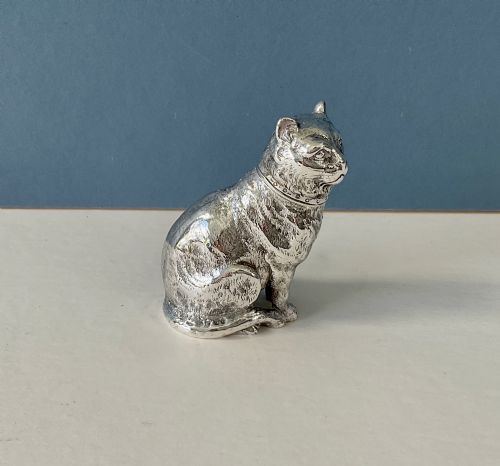
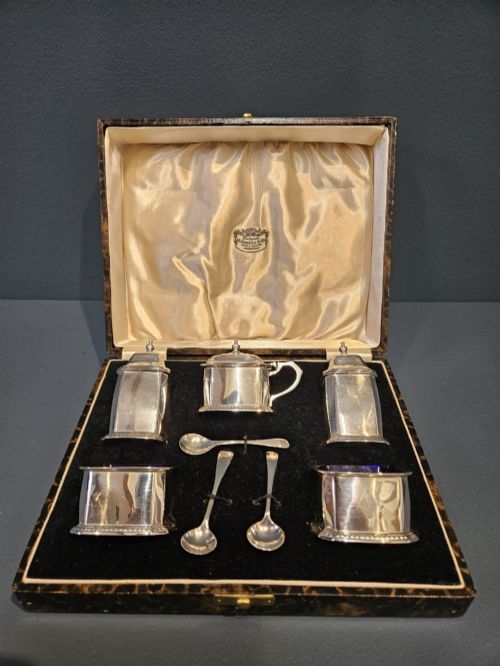
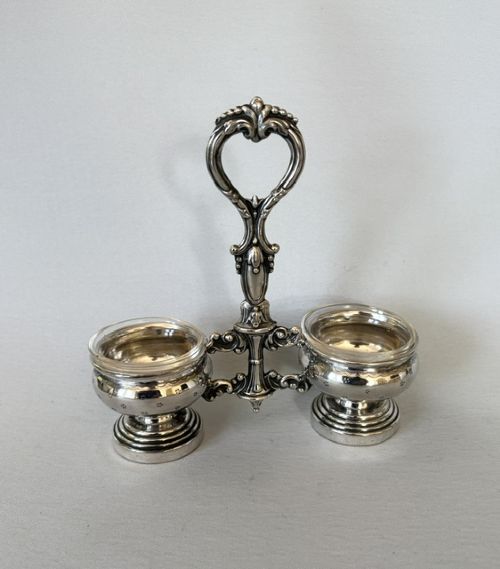
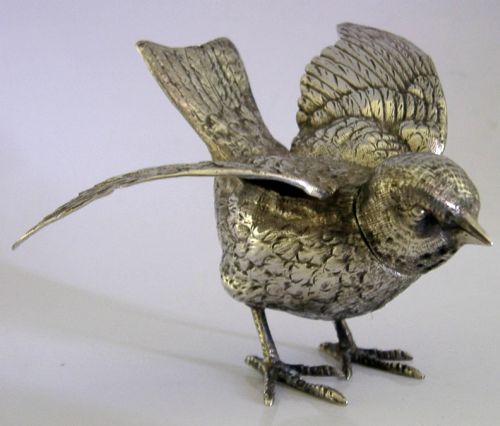
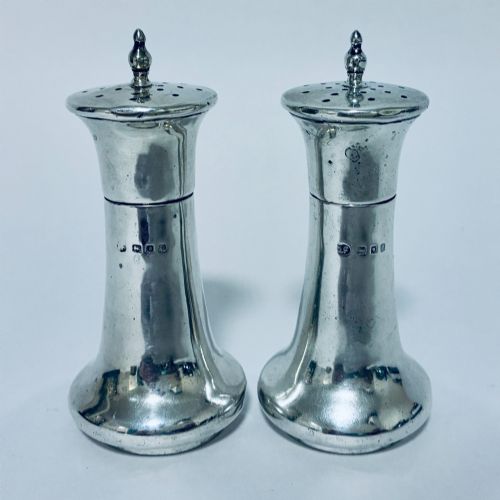
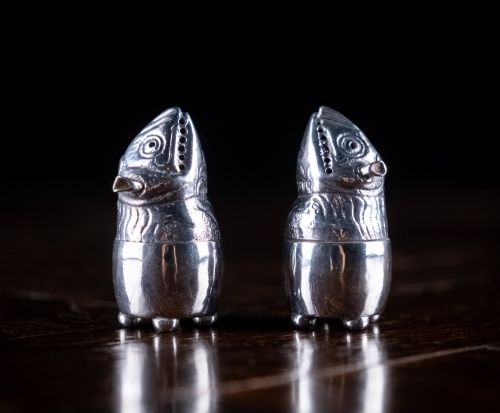
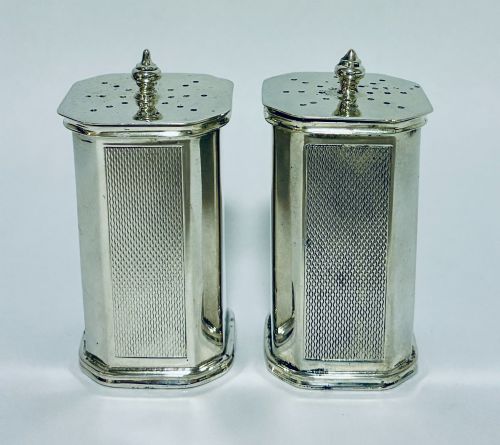
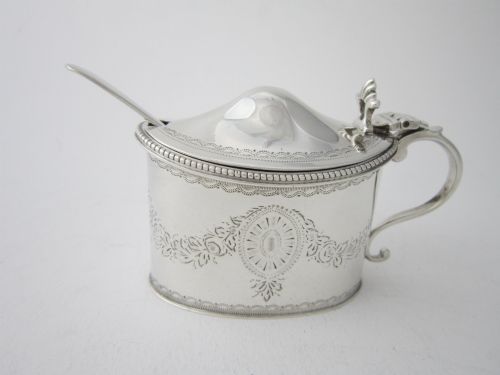
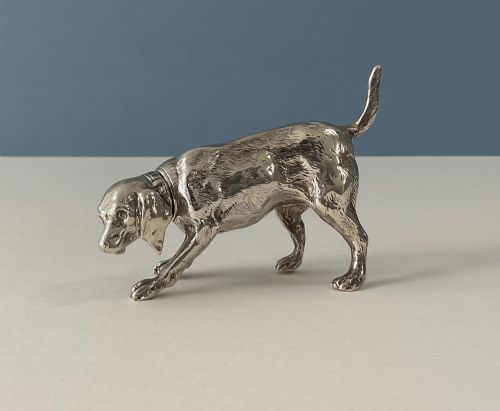
An antique condiment pot serves mustard, pepper, and salt on the dining table, taking forms from simple cylindrical drums to novelty figures like cats, dogs, and birds. Cruet sets, mustard pots, and pepper pots dominate these listings, spanning the Victorian, Edwardian, and Art Deco periods.
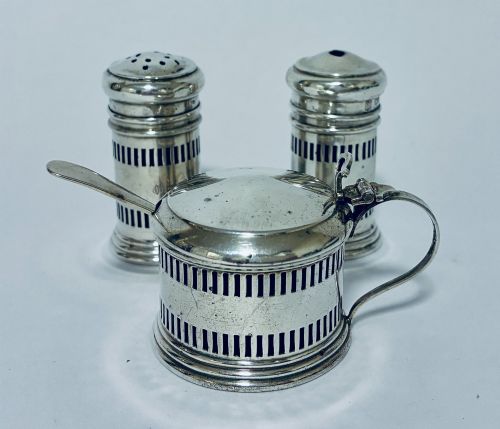
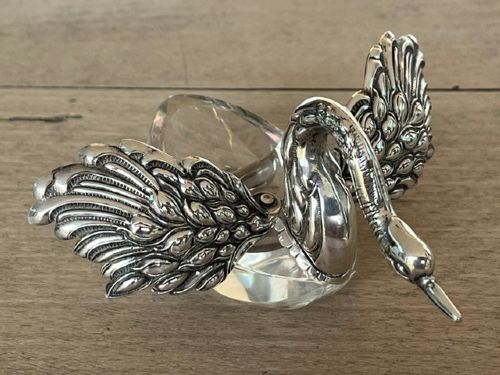
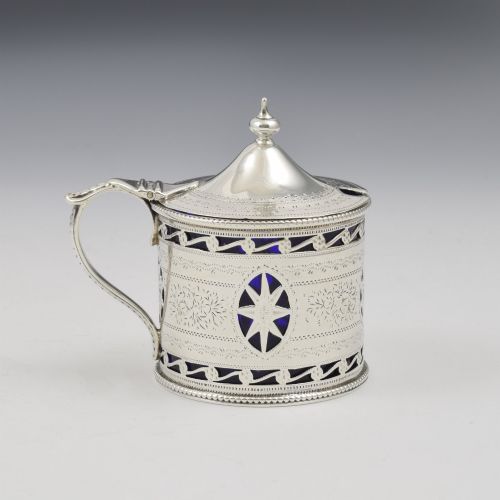
Buyers most frequently meet sterling silver and silver plated examples fitted with coloured glass liners in cobalt or cranberry hues. These small tableware items also appear as pierced silver cylinders, wirework tubs, and carved crystal jars intended for daily dining or formal service.
How they were made
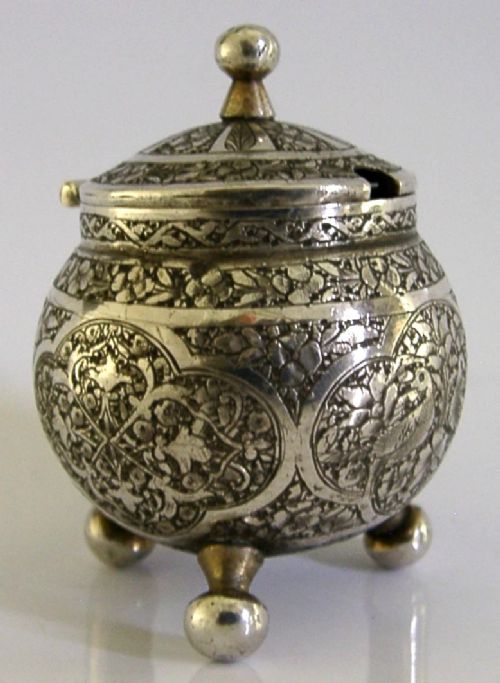
Silversmiths shaped sterling silver and silver plate through piercing, casting, and repousse work, creating detailed pierced drum patterns, thistle shapes, and sculptural animal novelties. Glassmakers produced cut crystal, cobalt glass, and cranberry glass liners designed to fit snugly inside metal frames to protect against acidic contents.
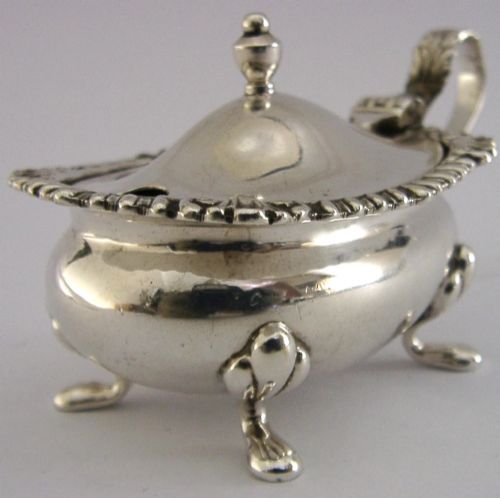
Makers combined silver wirework and oak framing with fitted glass bodies, employing hinged lids and thumbpieces for functional daily use on the table.
Victorian diners reached for silver pepper pots shaped as life-size chicks, dogs, and cats.
What varies in quality
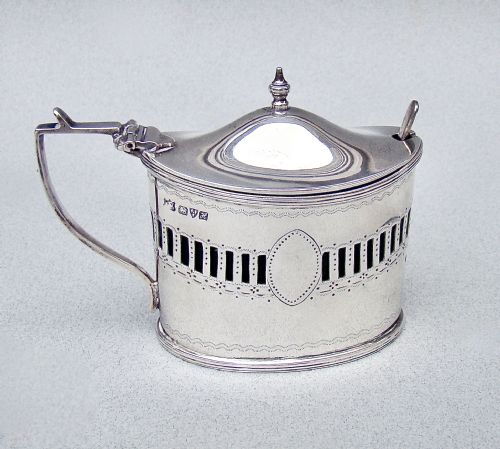
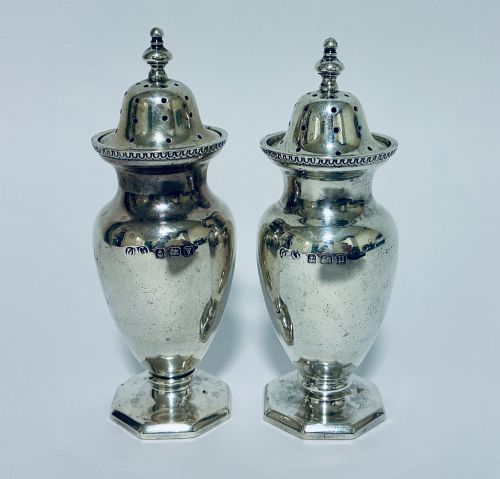
Quality rests in the heaviness of the metal gauge, the crispness of pierced or cast ornamentation, and the preservation of internal glass liners. Superior pieces display crisp hallmarks, intricate animal detailing in novelty shapes, and robust hinges that close tightly.
Simpler silver plated or mass-produced vessels contrast with substantial sterling silver pieces carrying distinct maker marks and clean, unaltered glass inserts.
Alfred Marston·Frederick Brasted·Nathan and Hayes·Charles and George Fox·William Neale·Hukin and Heath·Mappin Brothers·Alexander Macrae
The Antique Condiment Pot Glossary
- Cruet set
- A collection of condiment containers held on a stand for the dining table. These groupings typically contain bottles or pots for mustard, pepper, and salt.
- Drum mustard pot
- A cylindrical silver container with a flat hinged lid, often decorated with pierced geometric or floral patterns. This form is common in Victorian and Georgian silver tableware.
- Cobalt glass liner
- A deep blue glass insert placed inside openwork or pierced silver pots to hold condiments safely. These liners prevent direct contact between corrosive contents and the outer metal.
- Novelty pepper
- A small container shaped as an animal, bird, or object used to dispense ground pepper. These whimsical pieces date heavily from the Victorian and Edwardian eras.
Antique Condiment Pot: Frequently Asked Questions
What is an antique condiment pot?
An antique condiment pot is a small tabletop vessel designed to hold mustard, pepper, or salt during meals. These items range from simple glass jars with silver lids to elaborate novelty figures shaped like animals.
They emerged in various metals and glass combinations across the Georgian, Victorian, and Edwardian periods for formal and domestic dining.
How were condiment pots used on the table?
These pots sat upon dining tables, often arranged in matching cruet sets alongside oil and vinegar bottles. Diners used spoons to scoop mustard or sprinkled pepper and salt from pierced lids.
Glass liners protected the silver frames from corrosion caused by acidic condiments like mustard.
How do I clean silver condiment pots?
Silver condiment pots require gentle cleaning with a soft cloth and specialised silver polish to preserve hallmarking and surface detail. Glass liners should be removed and washed separately in warm soapy water.
Harsh abrasive cleaners or immersion dips must be avoided to protect delicate hinges and coloured glass.
How can I tell the period of a condiment pot?
Hallmarks stamped on the metal provide assay office symbols, date letters, and maker marks that date the piece precisely. Stylistic clues like heavy Victorian piercing or sleek Art Deco geometric lines also indicate the era of manufacture.
Comparing the form and glass liner type against known historical examples helps confirm the production period.