





Antique Coloured Glass Stems
These antique coloured glass stems bring rich hues and fine historical craftsmanship to the table.
Antique Coloured Glass Stems
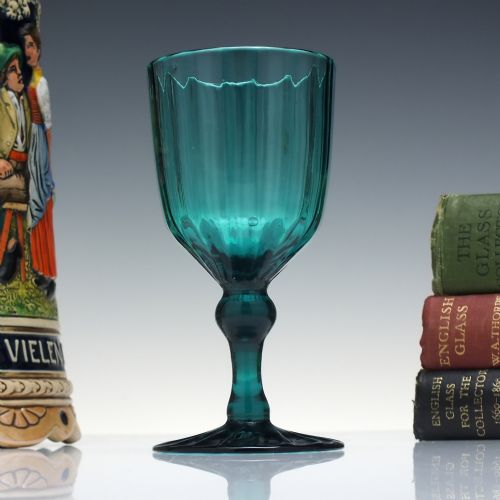
Antique coloured glass stems comprise drinking vessels formed with distinctive tinted bowls, feet, and stems designed for wine, ale, and liquor. The pieces appearing here span Georgian, Victorian, and Edwardian periods, featuring diverse forms from matching sets to individual goblets.
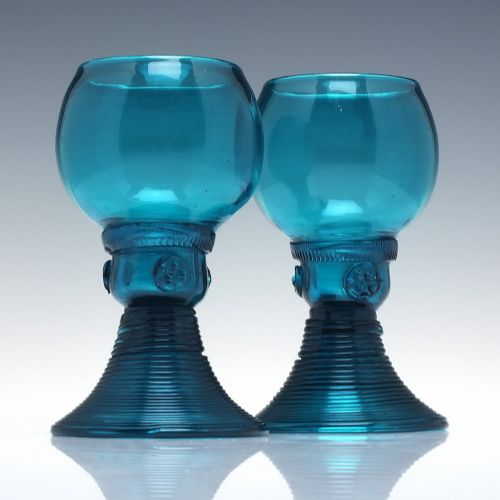
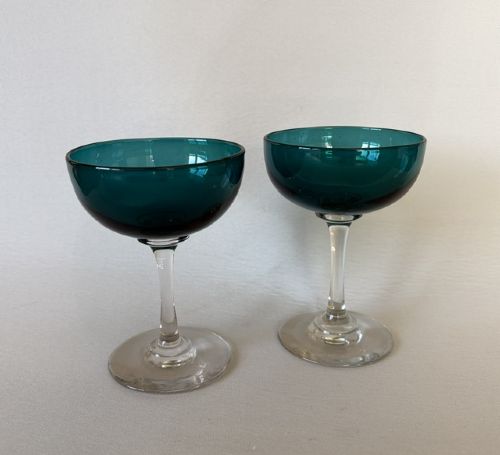
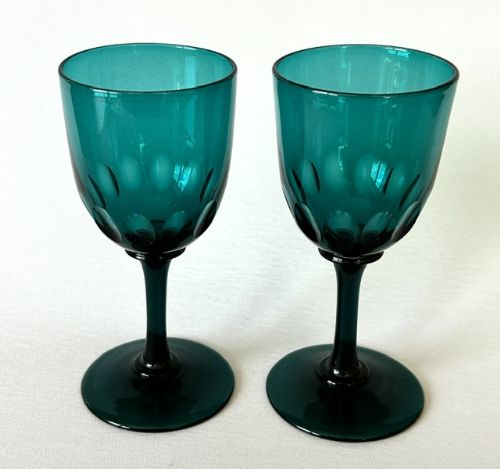
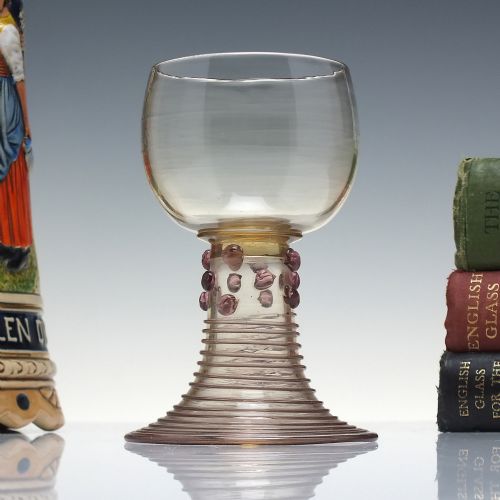
The selection includes wine glasses, roemers, and dessert glasses rendered in striking shades like cranberry, turquoise, amethyst, and aqua green. These items reflect the shifting aesthetic tastes of the nineteenth and early twentieth centuries, moving from Georgian colour twists to Victorian matched sets.
How they were made
Glassmakers shaped these pieces using hand-blown techniques and lead glass compositions, frequently employing rib moulding to create texture in the bowl. Molten metal received colour through metallic oxides added to the batch, producing deep cranberry, emerald, and turquoise hues.
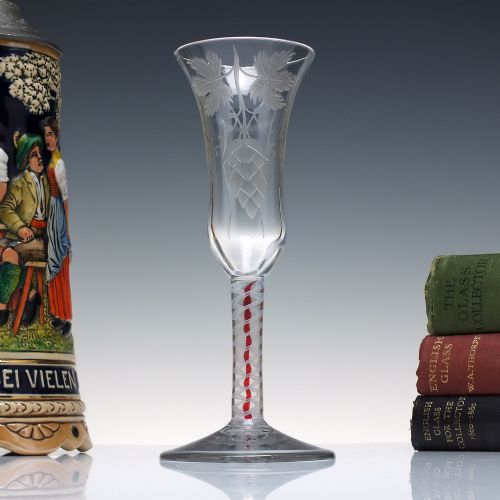
Further decoration involved wheel engraving on the bowl and the creation of specialised stem formations such as bobbin shapes or colour twists. Artisans sometimes combined contrasting shades within a single vessel, pairing amber bowls with amethyst feet or bases.
Antique Coloured Glass Stems Retail Price Guide 2026
Typical asking prices for coloured glass stems among the pieces listed under this phrase on Sellingantiques today, from the lower quarter to the upper quarter. They describe what is for sale here now, not the wider market.
Some Victorian drinkers clearly enjoyed a splash of colour, pairing amber bowls with amethyst feet just to brighten the evening.
What varies in quality
Quality rests upon the depth and saturation of the coloured glass, alongside the precision of the hand-blown form and stem proportions. Uniformity across matched sets elevates the standing of the glassware.
Fine examples display crisp wheel engraving and well-balanced stems free from excessive internal bubble distortion. The sophistication of the colour combination, such as layered casing or complex twist formations, distinguishes finer production.
The Antique Coloured Glass Stems Glossary
- Lead glass
- A heavier glass composition containing lead oxide that increases brilliance and weight. This material allows for sharper wheel cutting and clearer resonance when struck.
- Cranberry glass
- A rich red glass produced by adding gold chloride to the molten batch. It became extremely popular during the Victorian era for tableware.
- Colour twist
- A decorative stem feature containing fine threads of coloured glass twisted within the transparent stem structure. This technique requires exceptional skill from the glassblower.
- Roemer
- A traditional European drinking vessel featuring a wide bowl on a ribbed, cylindrical stem. They frequently appear in green or amber glass.
- Rib moulded
- A glass vessel blown into a small ribbed mould before being expanded to its final size. This process leaves raised vertical patterns on the body or bowl.
Antique Coloured Glass Stems: Frequently Asked Questions
How do I clean antique coloured glass stems?
Wash these pieces gently by hand using warm water and mild detergent. Avoid abrasive sponges and harsh dishwashers to protect the historical surface.
Dry them immediately with a soft lint-free cloth to prevent water spots. Sudden temperature changes can crack old glass, so keep water tepid.
Can I use these glasses for daily dining?
These historical vessels suit careful occasional use rather than heavy daily service. Their age and delicate hand-blown stems demand a gentle touch during dinner parties.
Hand-washing is mandatory, and stacking them tightly in cupboards risks chipping the rims. Treat them with the respect due to fragile antiques.
How do I date an antique wine glass?
Examine the pontil mark on the underside of the foot where the glassblower snapped the pontil rod. A rough or polished pontil scar indicates older hand-blown methods.
Style, weight, and colour chemistry also offer clues, with Georgian pieces showing different forms and lead weights compared to Victorian or Edwardian sets.
Why are some glasses sold in sets?
Many Victorian and Edwardian dining traditions required matched glassware for formal courses. Makers produced sets of six or pairs to serve dessert wine or liquor.
Finding a complete set today is desirable because it shows the pieces survived together. Single glasses often reflect losses over generations of use.