


Nineteenth Century Wine Glasses
Nineteenth century wine glasses are historic drinking vessels combining lead crystal and blown glass forms that bring authentic period character to a modern table.
Nineteenth Century Wine Glasses
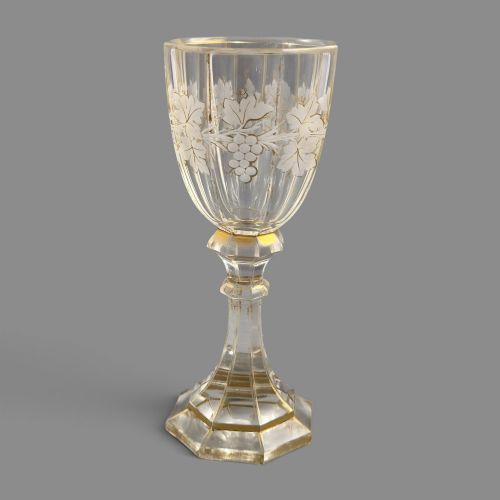
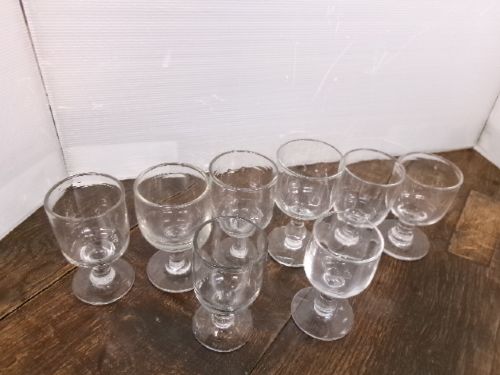
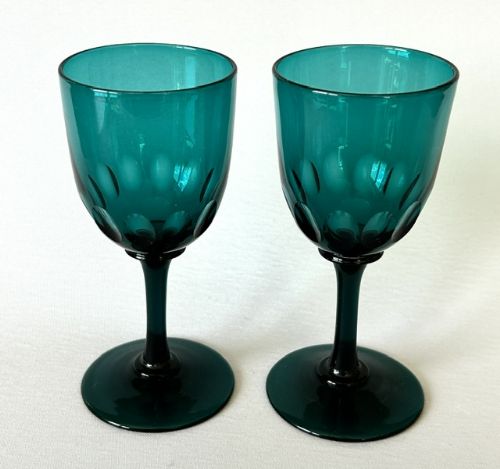
When you search for nineteenth century wine glasses, you encounter a range of drinking vessels spanning the Georgian, Regency and Victorian eras. These items include small rummers, dessert wine glasses, etched services and colourful hock glasses alongside related tableware.
The pieces appearing on this page reflect diverse origins, encompassing English, French, Venetian and Bohemian craftsmanship. Forms vary from simple hand-blown vessels to elaborate cut crystal goblets and vibrant tinted bowls.
How they were made
Makers utilised lead crystal, clear glass and blown glass techniques to shape these vessels, often employing manual methods such as hand-blowing and wheel-cutting. Craftsmen achieved surface decoration through precise etching and applied gilding.
Certain workshop traditions involved overlaying coloured glass upon clear material or incorporating silver plate mounts and novelty forms into the serving pieces.
Listings feature lead crystal, silver plate, and clear blown glass spanning Georgian, Regency, and Victorian periods.
What varies in quality
The distinction between ordinary and superior examples lies in the crispness of the cutting, the clarity of the metal and the weight of the lead glass. Finer items display balanced proportions, delicate wheel engraving and intact gilding.
Colour saturation and consistency across a matched set separate exceptional decorative services from mixed assemblages of individual glasses.
Moser Bohemian
The Nineteenth Century Wine Glasses Glossary
- Lead crystal
- Glass containing lead oxide which increases weight, brilliance and refractive index. This material allows for deeper and sharper cutting.
- Rummer
- A large, heavy drinking glass popular in the eighteenth and nineteenth centuries. These vessels typically feature a short stem and a capacious bowl.
- Hock glass
- A tall wine glass traditionally used for German white wines. They frequently feature coloured bowls or stems.
- Latticino
- A Venetian glass technique involving opaque white or coloured glass threads embedded within clear glass. This creates delicate net or lace patterns.
Nineteenth Century Wine Glasses: Frequently Asked Questions
Can I use nineteenth century wine glasses daily?
These historic vessels can be used for special occasions provided they receive careful hand washing.
Sudden temperature changes and modern dishwashers pose risks to fragile lead glass and antique gilding.
How do I date nineteenth century wine glasses?
Dating relies on examining the pontil mark, the weight of the metal and the prevailing cutting style of the period.
Georgian and Regency items often feature heavier lead metal whilst Victorian services introduce diverse colours and chemical etching.
Are coloured wine glasses authentic to the period?
Vibrant hues including peacock blue, aqua green and colour-over-crystal overlays appear frequently in Victorian and Bohemian production.
Glassmakers mastered various metallic oxide colourants during this era to satisfy fashionable tastes.
What is the difference between rummers and wine glasses?
Rummers are substantially larger and heavier drinking vessels designed for ale, punch or strong wines.
Standard wine glasses feature smaller bowls and taller stems suited to more modest pours.