

Antique Collector Drawers
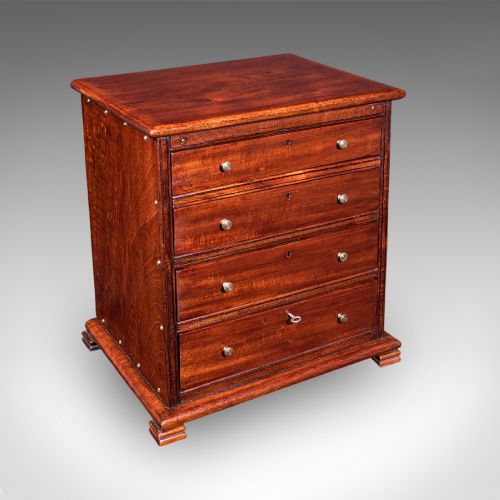
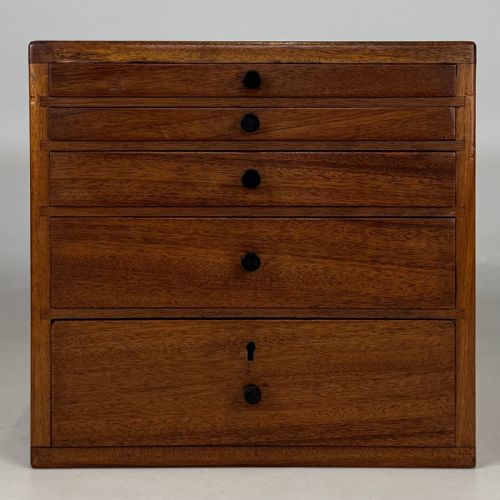
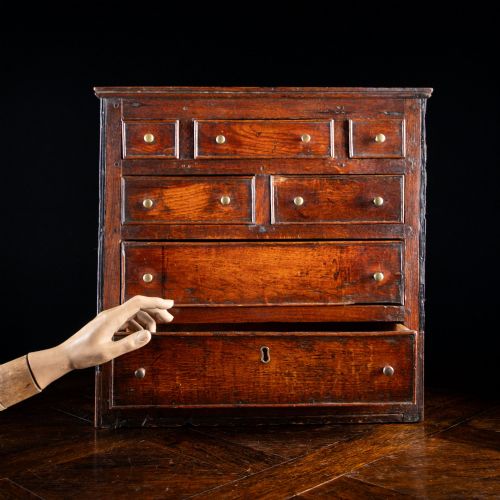
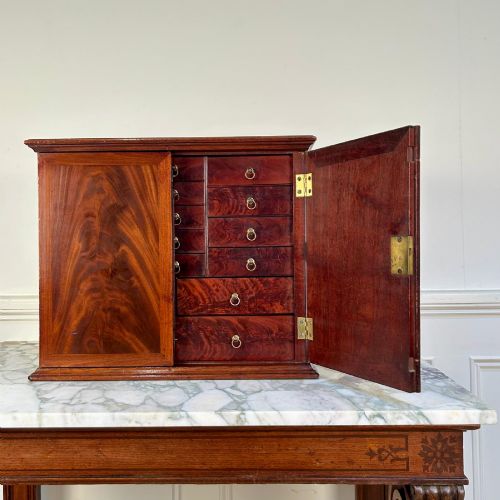
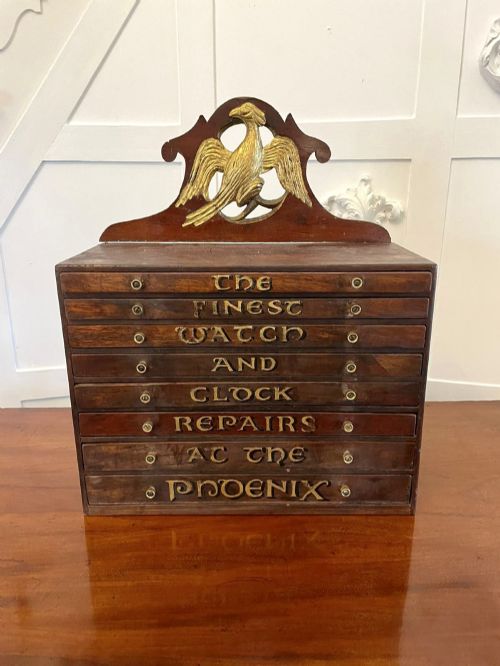
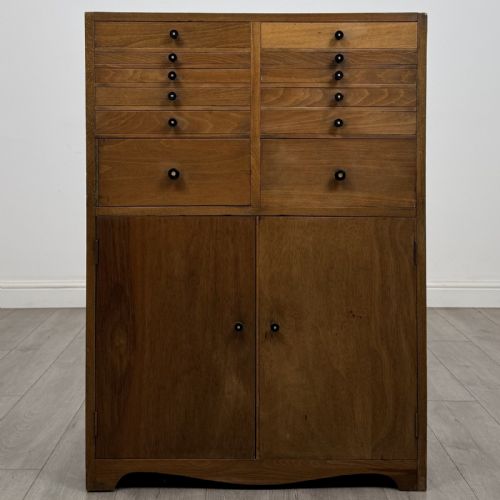
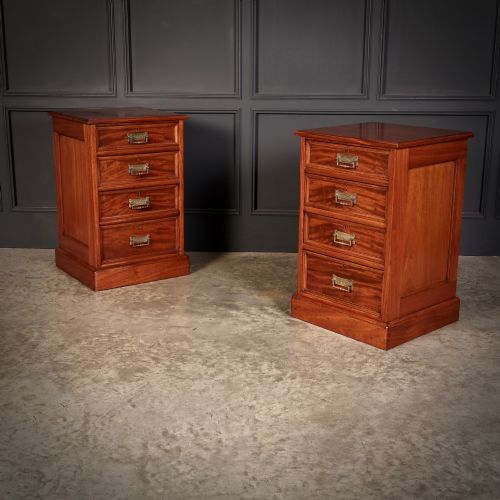
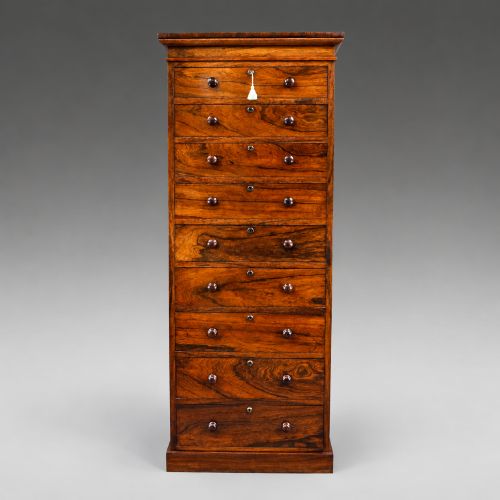
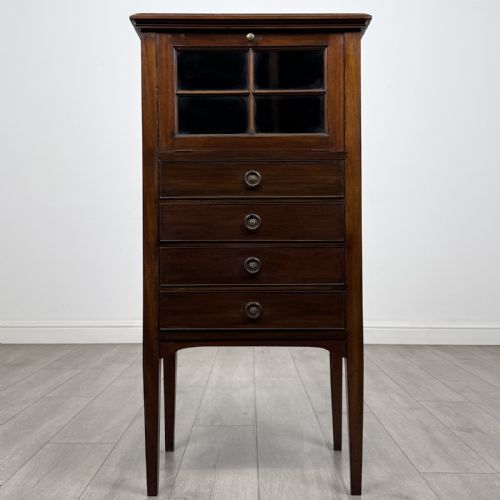
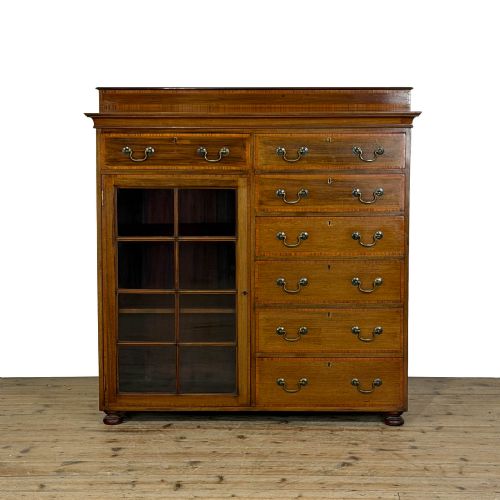
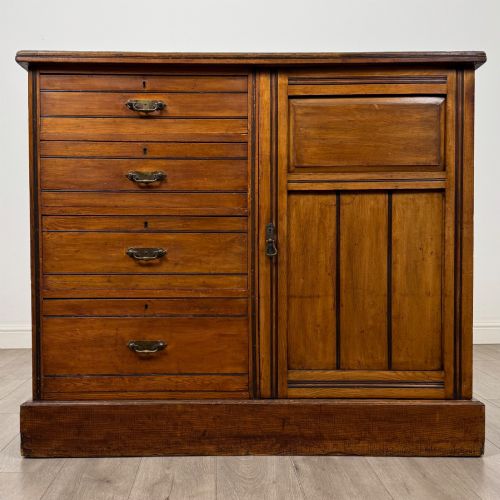
These antique collector drawers span compact tabletop cabinets and large banks of multiple tiers, built to hold specimens, documents or small items.
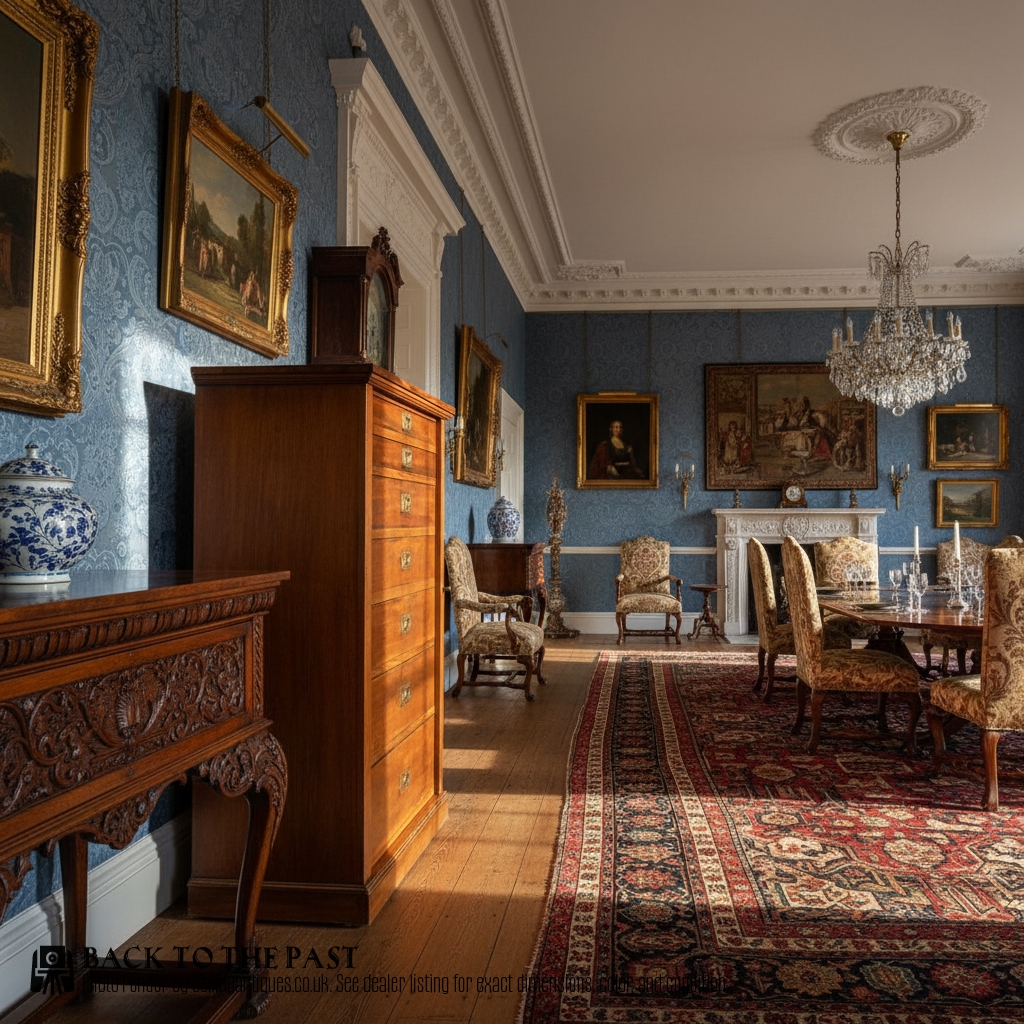
Antique Collector Drawers
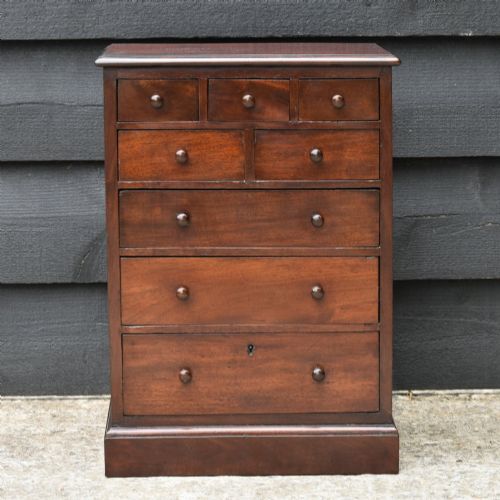
When searching for antique collector drawers, buyers encounter a diverse range of forms, including miniature chests, apothecary banks, and specialist cabinetry. These pieces originate from periods such as the Georgian, Victorian, and Edwardian eras, reflecting functional storage needs of the past.
Materials and construction
Cabinet makers utilised dense hardwoods like mahogany, walnut, and rosewood alongside utilitarian softwoods such as pine and deal. Drawer construction often incorporates traditional jointing techniques suited to the intended weight of the contents.
Hardware details such as brass shell pulls, label holders, and turned wooden knobs complete the functional design. Surface finishes range from polished French polish to painted pine office schemes.
Antique Collector Drawers Retail Price Guide 2026
Typical asking prices for collector drawers among the pieces listed under this phrase on Sellingantiques today, from the lower quarter to the upper quarter. They describe what is for sale here now, not the wider market.
Some tiny drawers once held homeopathic remedies, proving that good things really do come in microscopic packages.
Assessing quality and craftsmanship
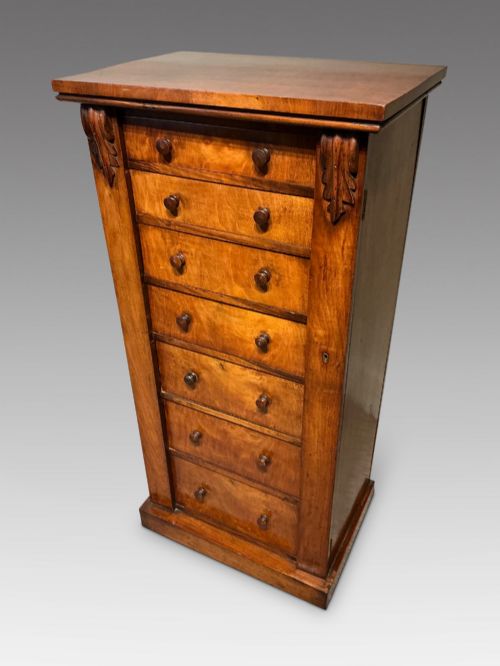
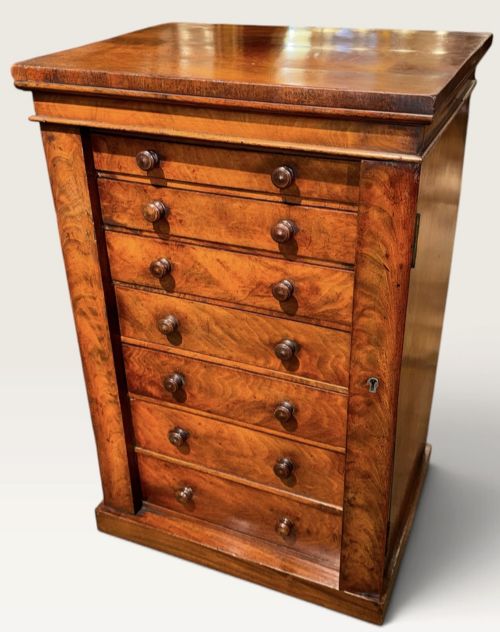
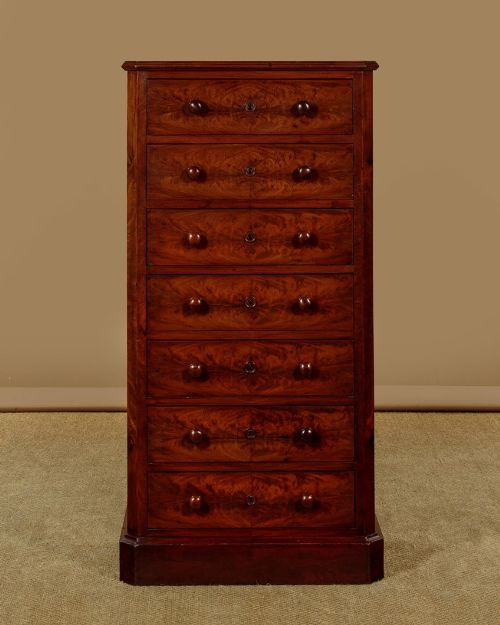
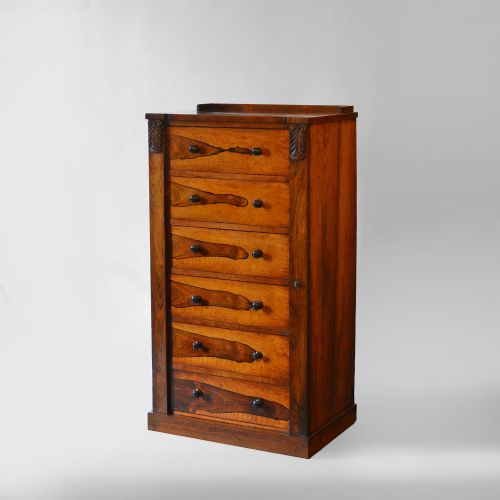
Quality reveals itself in the selection of figured timber veneers and the precision of the drawer linings. Superior examples maintain original hardware, such as specialised locking mechanisms found on Wellington chests or intact brass label holders on office banks.
The refinement of the joinery and the presence of makers' details separate standard utility furniture from pieces produced by notable natural history suppliers and cabinet makers.
Watkins and Doncaster·Luxmore of Ilfracombe
The Antique Collector Drawers Glossary
- Wellington chest
- A tall, slender chest of drawers featuring a hinged locking stile on one side that secures all the drawers when locked.
- Apothecary chest
- A multi-drawer cabinet originally utilised by chemists or practitioners for storing medicines, herbs, and medical supplies.
- Specimen cabinet
- A piece of furniture designed specifically for housing collections of natural history items, such as insects, minerals, or botanical samples.
- Bank of drawers
- A large multi-drawer unit designed for institutional, office, or commercial storage rather than domestic bedroom use.
Antique Collector Drawers: Frequently Asked Questions
What were antique collector drawers used for?
These cabinets served various meticulous storage purposes, from housing natural history specimens and insect collections to organising medical apothecary items and sheet music.
Craftsmen built them with numerous shallow drawers to protect delicate contents while keeping them catalogued and accessible for study or professional use.
How do I date an antique Wellington chest?
Dating relies on observing timber choices, such as figured mahogany or walnut, alongside construction methods like dovetailing and the style of the turning on knobs.
Victorian and Edwardian iterations often feature characteristic locking stiles and specific secondary woods that help narrow down the decade of manufacture.
Are apprentice chests different from miniature furniture?
Apprentice chests represent specific test pieces created by trainees to prove their skills to a guild or master using miniature proportions.
While they resemble general miniature furniture made for children or display, their precise joinery mirrors full-scale masterworks of the period.
How do I care for antique pine or hardwood drawers?
Maintenance requires keeping wooden pieces away from direct heat sources and sudden humidity changes to prevent timber movement and cracking.
Applying microcrystalline wax periodically helps preserve the original polish and nourishes dry surfaces without harming historical finishes.