


Antique Coffer Panel
An antique coffer panel is a surviving section of carved or joined timber from a historic storage chest, prized by collectors for its texture and period craftsmanship.
Antique Coffer Panel
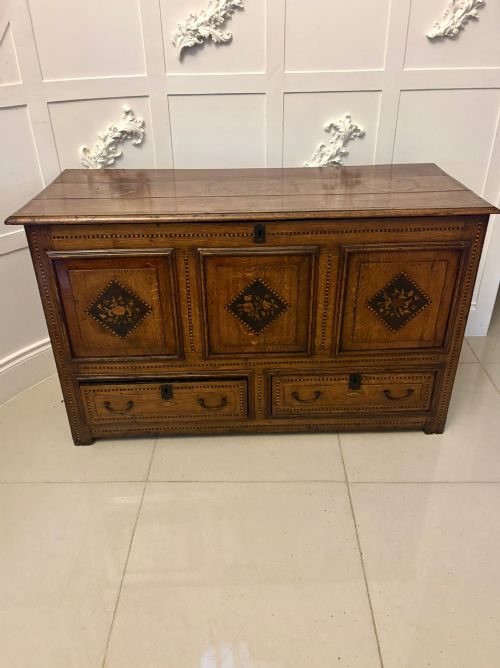
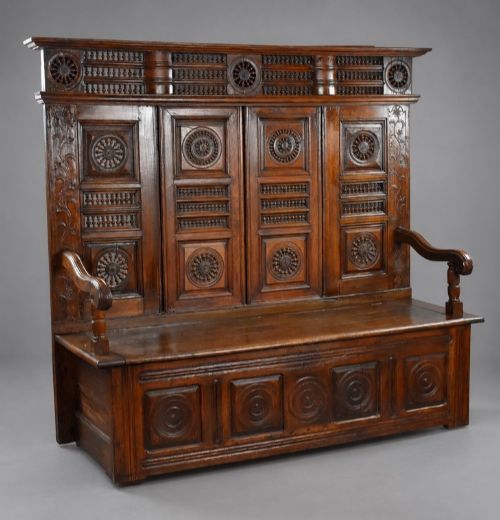
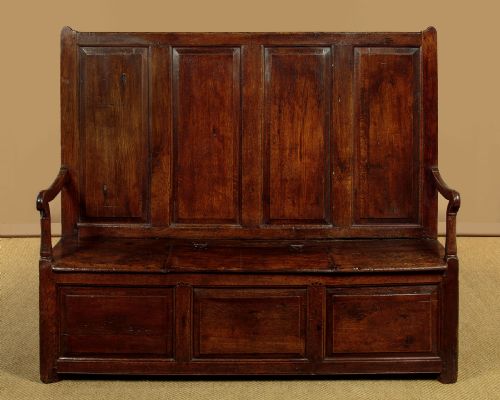
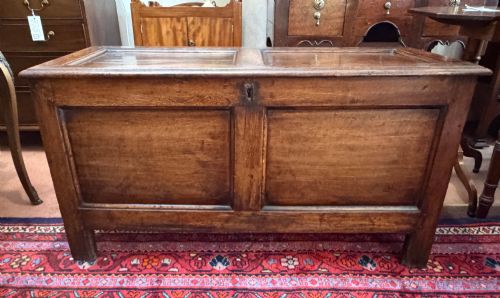
An antique coffer panel represents a fragment of early cabinetry, often salvaged from larger storage chests, blanket boxes, or settle backs. These pieces originate predominantly from the sixteenth, seventeenth, and eighteenth centuries, reflecting vernacular domestic furnishings of the period.
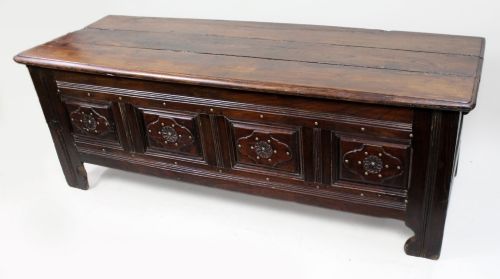
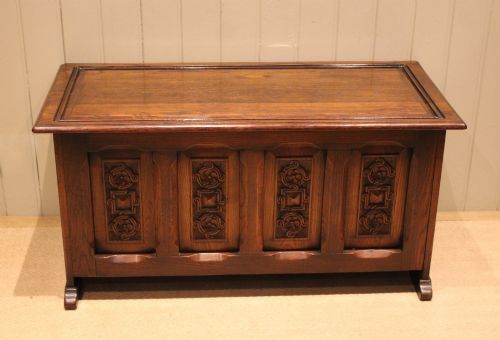
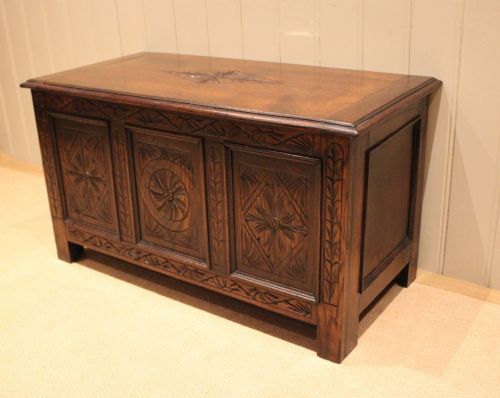
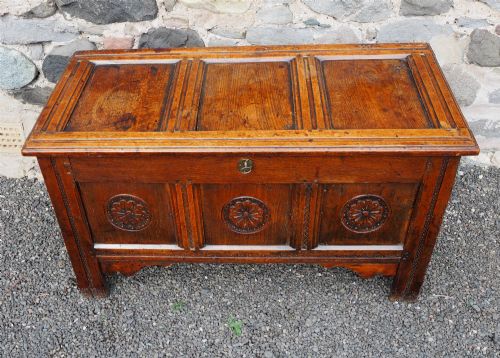
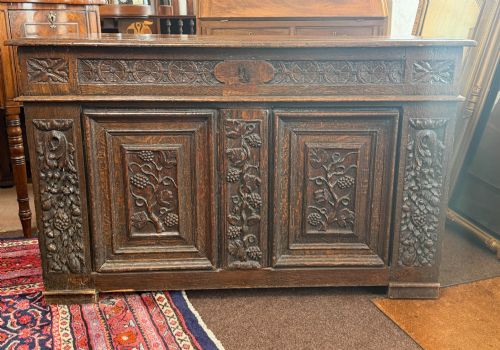
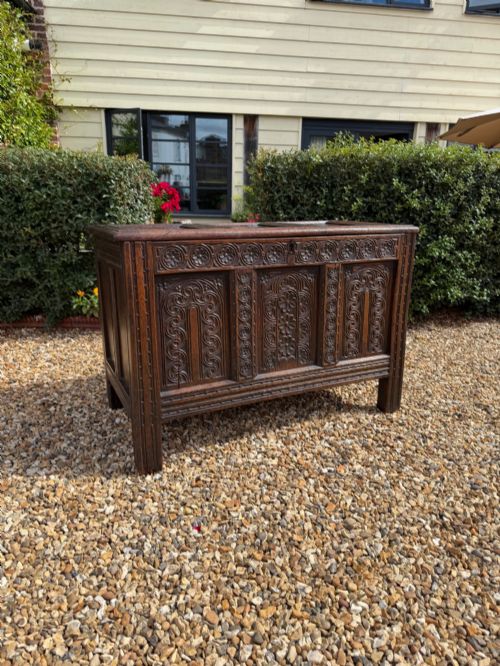
The most common examples encountered on this page are carved oak panels featuring single or multiple sections, sometimes retaining traces of geometric framing or regional British and European styles.
Buyers select these architectural fragments for wall mounting, panel inset work, or simply as study pieces of historic woodworking and relief carving.
How They Were Made
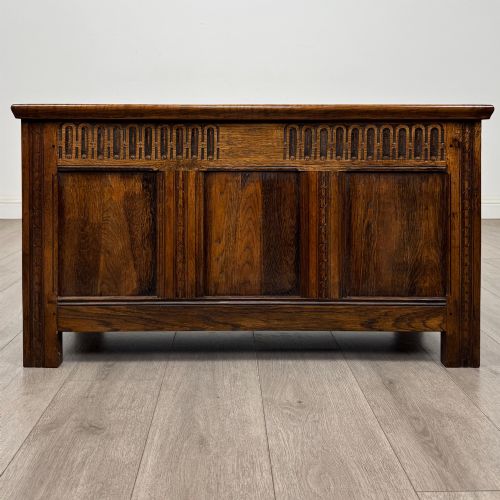
Carpenters utilised native timbers such as oak, supplemented occasionally by ash or pine, working with hand tools to rive and plane the boards. Panels were typically shaped using joined construction methods, fitting thinner planks into grooved framing stiles and rails to allow for natural wood movement.
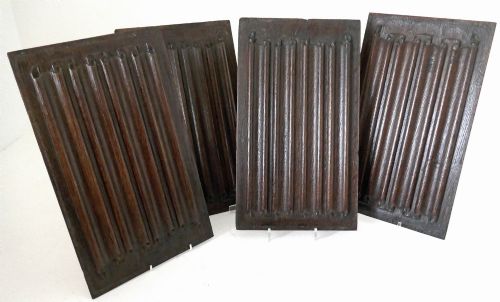
Carving was executed with gouges and chisels, producing low or high-relief motifs ranging from simple linenfold patterns to intricate geometric and floral designs.
Listings feature oak panels spanning from the 16th to the 19th century, alongside regional styles including Welsh vernacular and Jacobean.
What Varies in Quality
The standard of a piece depends heavily on the crispness and depth of the hand carving, alongside the preservation of the original timber surface and its historic patina. Early joined examples displaying precise joint work and untouched dry surfaces command greater attention from purists.
Condition plays a role, though honest age-related wear, old peg holes, and surface marks often add to the historical character rather than diminishing the integrity of the fragment.
The Antique Coffer Panel Glossary
- Linenfold
- A carved wooden panel motif popular in the Tudor period, designed to resemble folded linen fabric. This stylized form is frequently found on sixteenth-century examples.
- Joined
- A method of furniture construction relying on mortise and tenon joints secured with wooden pegs rather than metal nails. It defines much of the seventeenth-century cabinet work.
- Stile
- The vertical upright member in a framed panel construction. It holds the central floating panel in place.
- Rail
- The horizontal framing member situated at the top and bottom of a panel. It works alongside the stiles to form the structural framework.
- Patina
- The surface sheen and coloration developed by timber over centuries through handling, light exposure, and waxing. It serves as an indicator of genuine age.
Antique Coffer Panel: Frequently Asked Questions
What is an antique coffer panel?
An antique coffer panel is an individual section of carved or panelled wood removed from the front or sides of a historic storage chest. They represent centuries of woodworking traditions.
Most surviving examples date from the 16th to the 18th centuries and showcase regional carving styles executed in solid oak.
How were coffer panels used historically?
Originally, these panels served as structural components of large storage chests, coffers, and box settles used to store textiles, valuables, and documents in domestic settings.
They formed the fitted walls of joined furniture designed to keep contents protected from dampness and pests.
How should I display a panel at home?
Many collectors mount individual panels directly onto walls as standalone works of art or integrate them into architectural interiors. They require stable indoor humidity away from direct heat sources.
Handling them with care preserves the dry historic surface and any original peg holes or mounting brackets.
How can I tell the age of a panel?
Age is determined by observing the tool marks left by hand planes and chisels, the method of joint construction, and the type of timber used. Sixteenth and seventeenth-century pieces typically feature pegged mortise and tenon framing.
Examining the colour and depth of the wood patina also helps distinguish authentic period work from later revival pieces.