


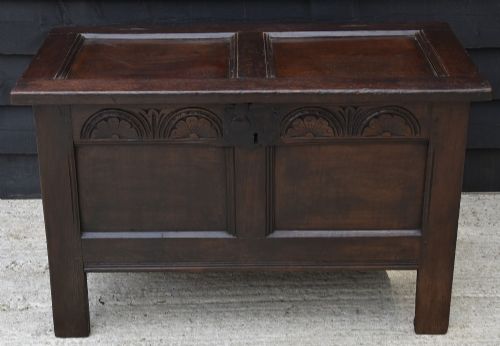
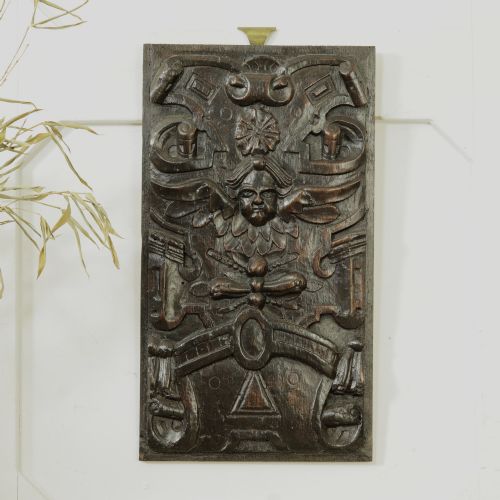
17th Century Coffer Panel
A 17th century coffer panel brings centuries of domestic history into a room, offering both robust storage and traditional carved detail.
17th Century Coffer Panel
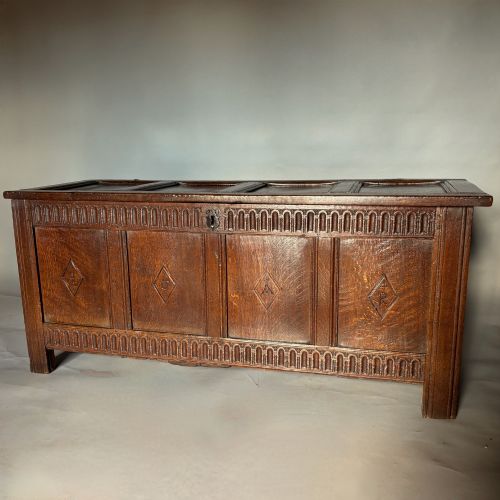
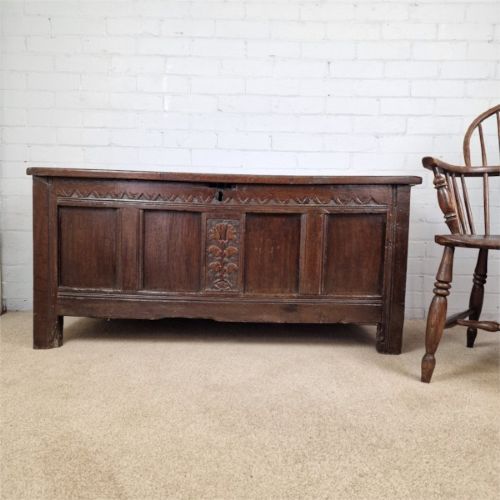
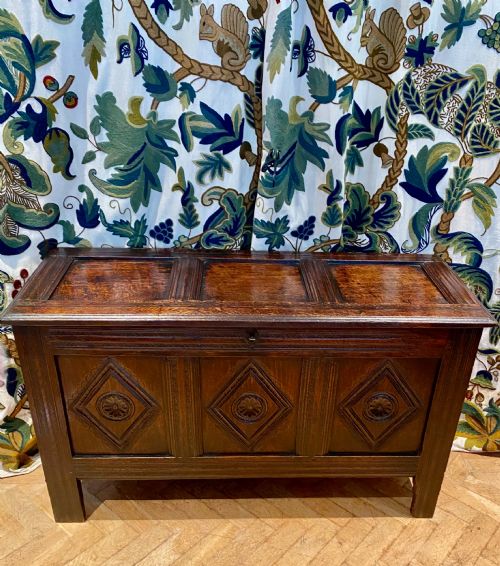
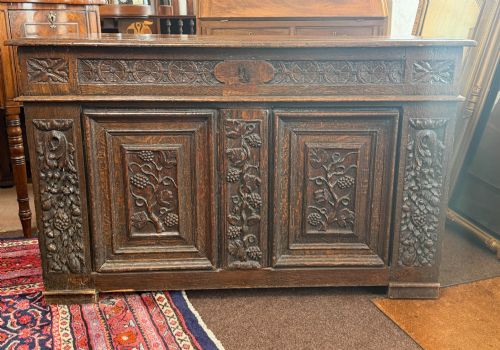
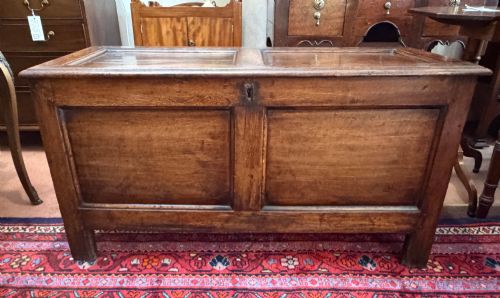
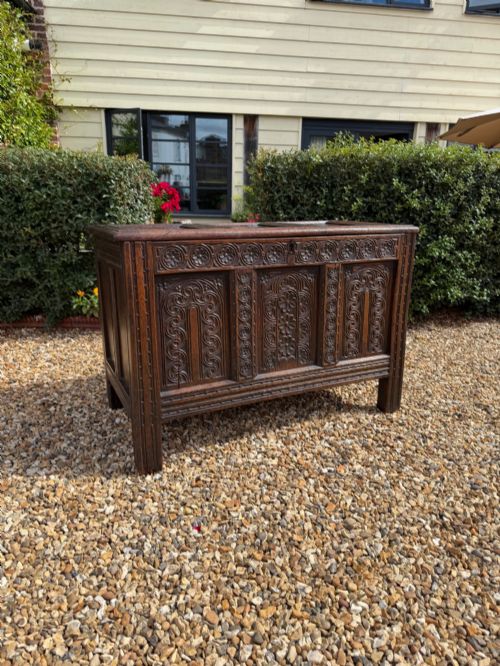
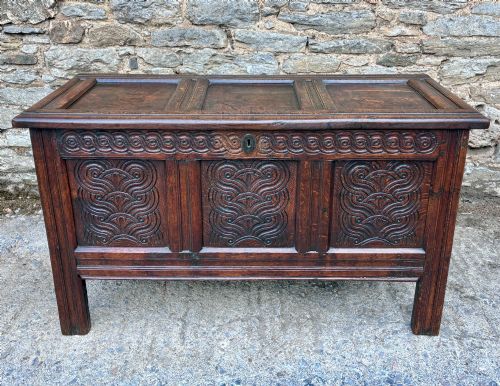
A 17th century coffer panel forms the structural and decorative building block of antique storage chests, blanket boxes, and regional furniture from the period. These pieces originate primarily from English, Welsh, and continental workshops, appearing most commonly in solid oak construction.
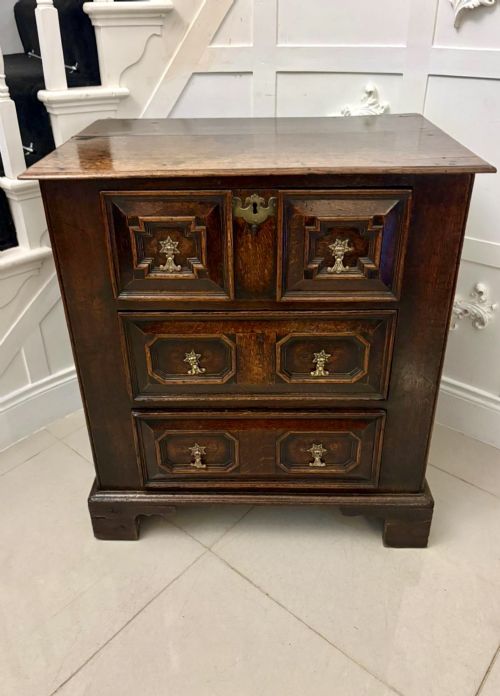
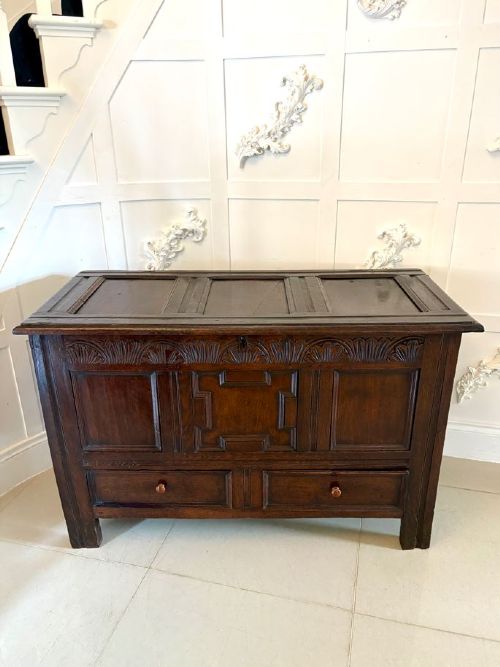
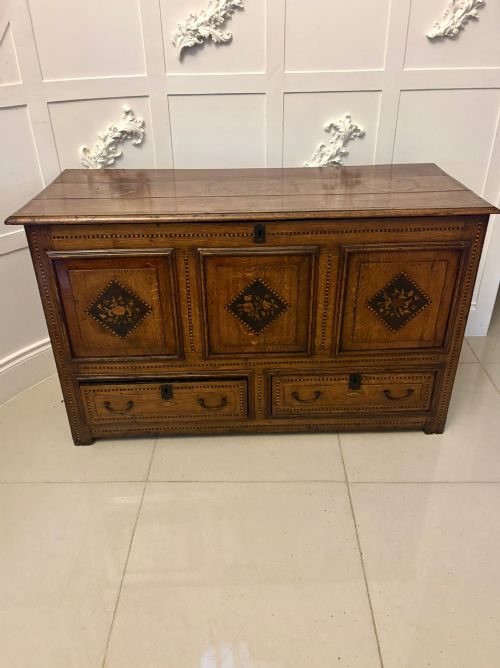
The selections on this page span authentic seventeenth-century examples alongside later revival pieces, including chests of drawers and mule chests from the Jacobean and Charles II periods. Buyers encounter standard three-panel and four-panel fronts, alongside smaller cottage proportions and ecclesiastical fragments.
Regional variations emerge clearly across the inventory, ranging from North Country box settles and Dorset coffers to Welsh Gower peninsula pieces and Portuguese colonial mahogany chests fitted with brass.
How they were made
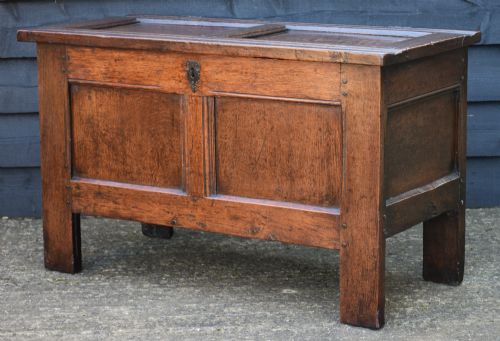
Joinery defines the construction of these items, utilising traditional frame-and-panel techniques that allowed solid timber to expand and contract naturally without splitting. Carpenters shaped oak boards using hand tools, securing joints with wooden pegs rather than modern fixings.
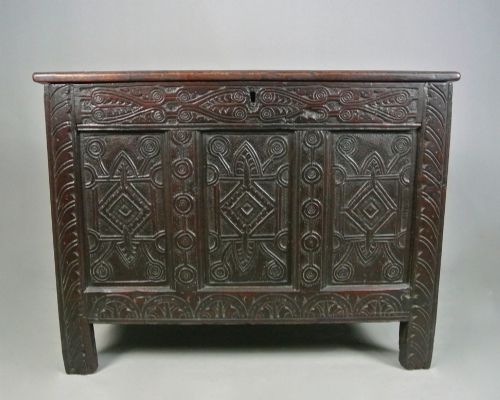
Carving and inlay complete the surface work, featuring high-relief motifs, linenfold patterns, and geometric marquetry inlay in walnut or lighter woods. Ebonised wood accents and brass hardware appear on select continental and later pieces.
Several survival coffers carry ecclesiastical Gothic carvings, suggesting they once held parish vestments before finding their way into domestic parlours.
What varies in quality
The depth and crispness of the hand-carved decoration distinguish finer examples from simpler vernacular work, with high-relief designs demanding greater skill from the original carpenter. The choice of timber grain and the integrity of the original panel construction also set superior pieces apart.
Proportion and scale influence desirability, as smaller cottage coffers and pieces retaining distinct regional characteristics or documented provenances command particular attention among collectors.
The 17th Century Coffer Panel Glossary
- Cofer
- An antique storage chest or box used domestically for valuables and textiles before the widespread adoption of wardrobes.
- Linenfold
- A style of wood carving that imitates folded linen cloth, frequently seen on panels from the period.
- Mule chest
- A storage chest featuring one or more drawers built into the base beneath the main compartment.
- Marquetry
- Decorative woodwork in which pieces of veneer are fitted into a ground material to form geometric patterns.
- Framed panel
- A method of construction where a central floating panel sits within a grooved outer wooden frame.
17th Century Coffer Panel: Frequently Asked Questions
What is a coffer panel?
A coffer panel is an individual wooden component that makes up the front, back, or sides of a traditional storage chest. These panels are typically held within a heavier mortise and tenon frame.
In surviving antiques, these panels often display hand carving, linenfold motifs, or geometric inlay that helps date the piece.
How were these chests used?
Historically, coffers served as secure storage for valuable household goods, documents, clothing, and blankets. Their sturdy construction allowed them to function additionally as benches or tables within the home.
Wealthier households used them to transport belongings during travel, while simpler chests remained static items in domestic rooms.
How do I identify a 17th-century piece?
Authentication relies on examining tool marks, timber shrinkage, and traditional joinery methods such as pegged mortise and tenon joints. Oak pieces from this era exhibit a distinct dark patina developed over centuries of exposure.
Stylistic indicators such as Jacobean geometric carvings, Charles II design elements, and regional traits help narrow down the period of origin.
Where should I place a coffer at home?
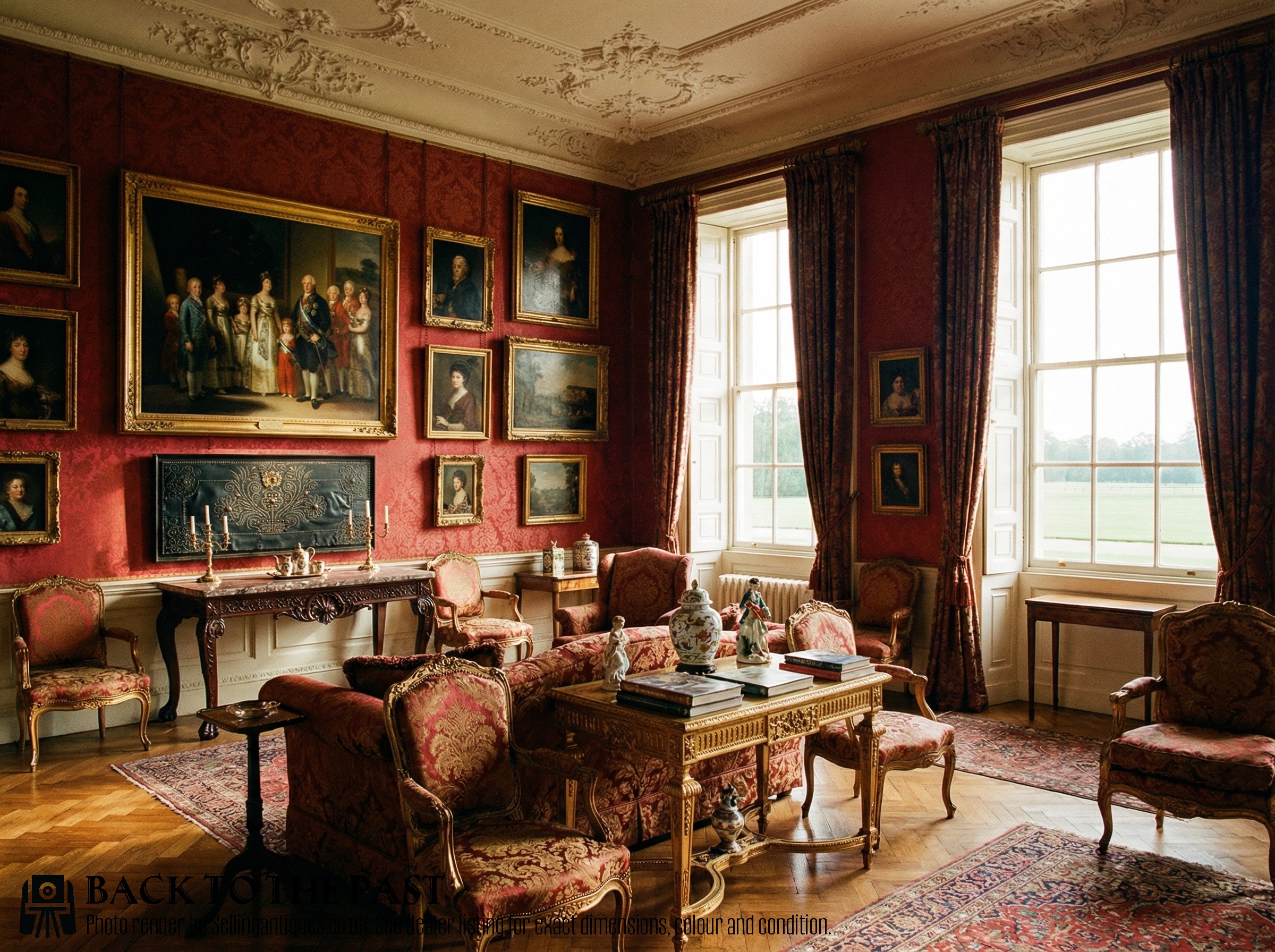
Coffers work well as living room coffee tables, hallway storage benches, or blanket boxes at the foot of a bed. Their flat tops provide functional surface area while concealing storage space inside.
Positioning them away from direct heat sources and strong sunlight protects the aged oak timber and prevents finish degradation.