


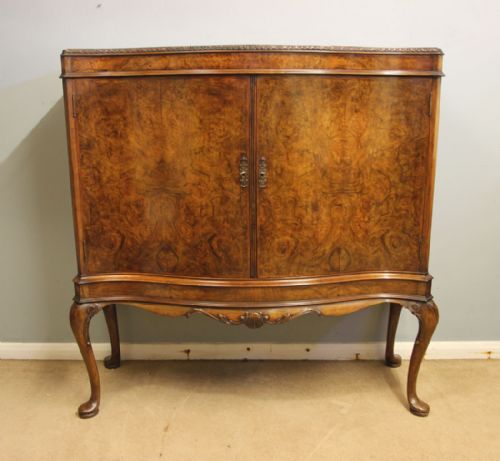


Antique Cocktail Sideboard
An antique cocktail sideboard combines the storage of a traditional server with fitted compartments for serving spirits, making it the centrepiece of any modern entertaining space.
Antique Cocktail Sideboard
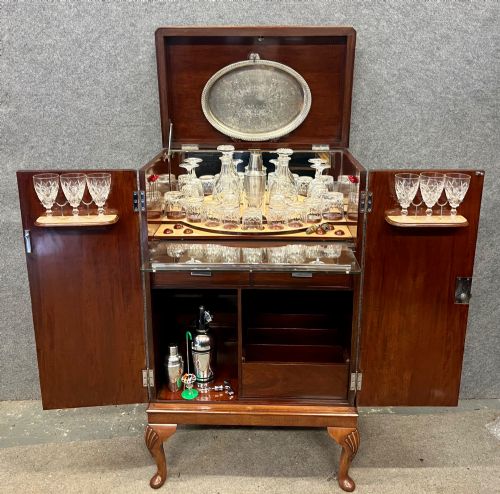
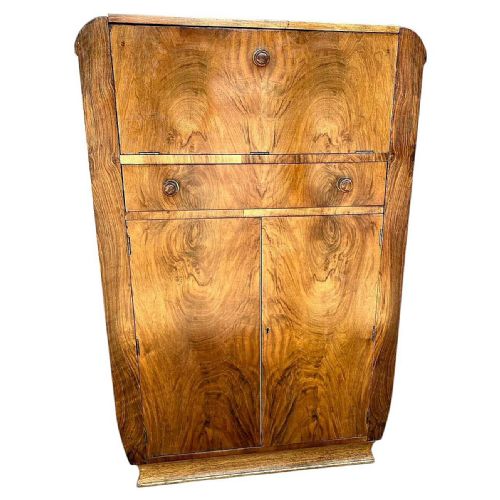
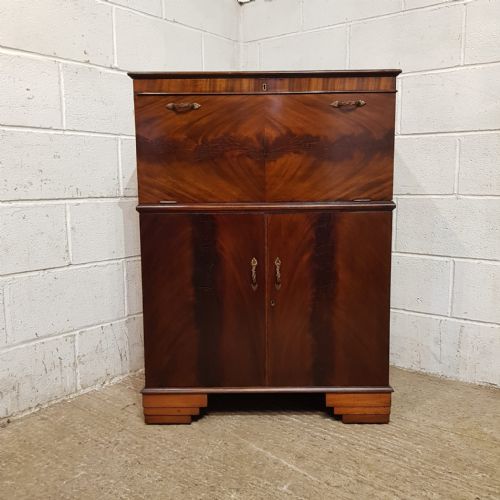
When you search for an antique cocktail sideboard, you are looking at dual-purpose furniture designed for the storage and service of drinks. These pieces range from substantial sideboards adapted for hospitality to dedicated cabinets created specifically for entertaining.
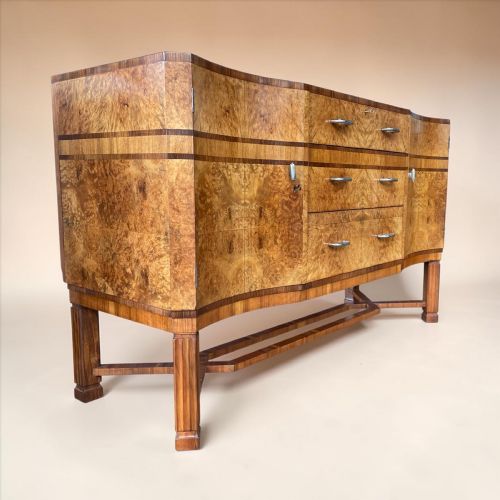
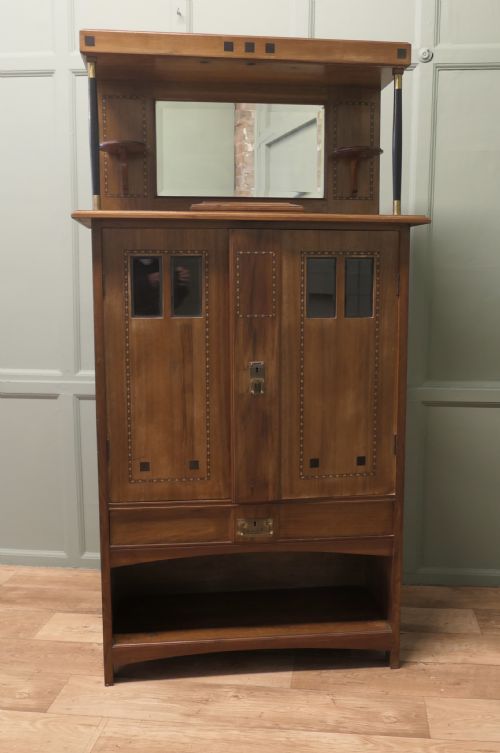
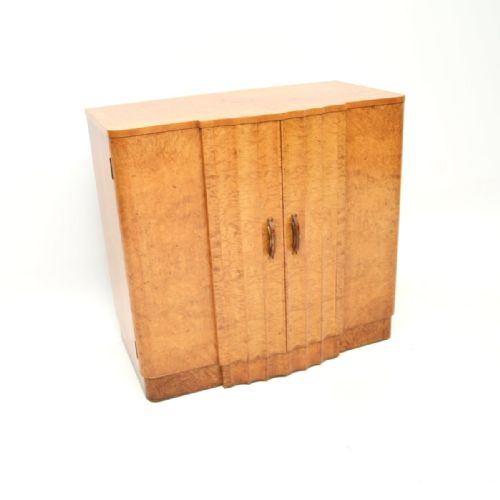
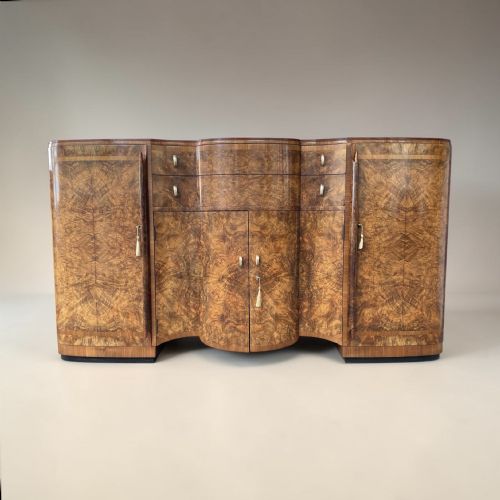
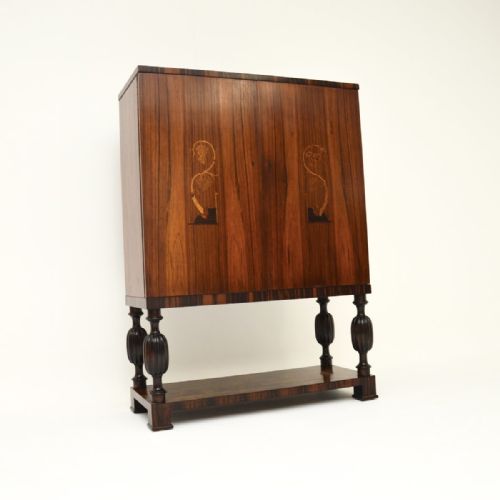
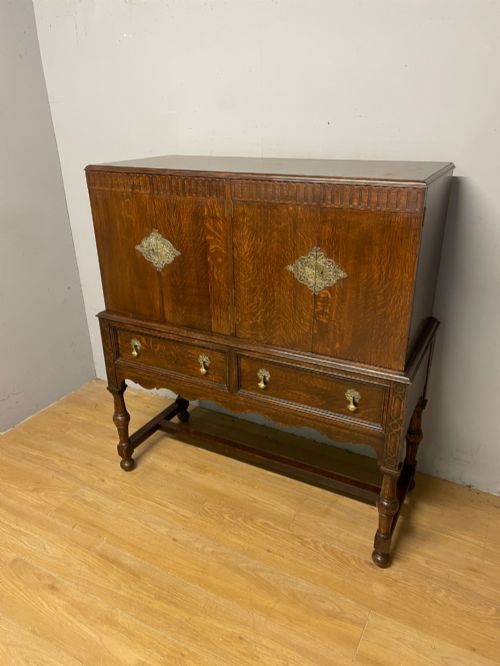
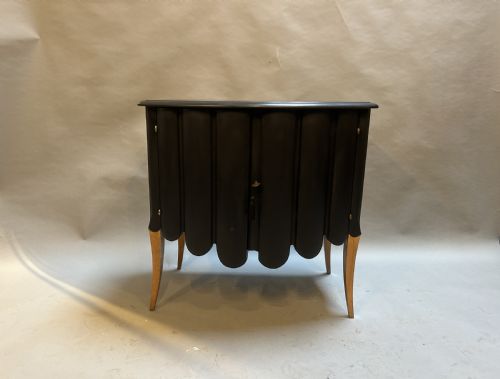
The pieces you are most likely to meet on this page date predominantly from the twentieth century, with a strong representation of Art Deco designs alongside earlier Victorian, Edwardian, and nineteenth-century examples. Forms vary from serpentine cupboards and bow-front chests to cabinets on stands and dedicated sideboards.
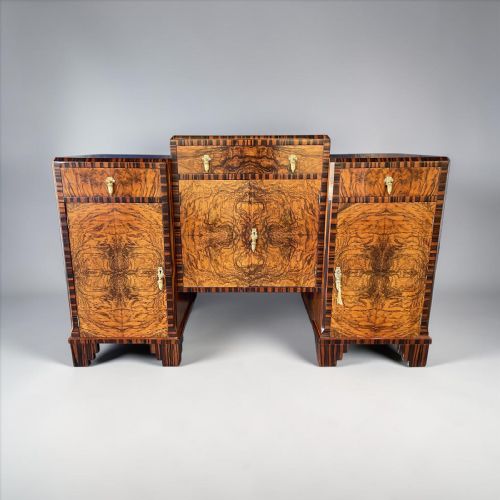
Stylistic influences stretch from French and English Art Deco to revivals of Queen Anne, Jacobean, and Georgian aesthetics. Whether you encounter a streamlined twentieth-century creation or a heavily figured burr walnut cabinet, each piece reflects the changing social habits around hosting at home.
Materials and construction
Makers relied heavily on rich timber veneers, particularly burr walnut, figured walnut, and mahogany, applied over solid secondary woods. Satinwood, oak, and red lacquer also appear, often enhanced by marquetry inlay or Chinoiserie decoration.
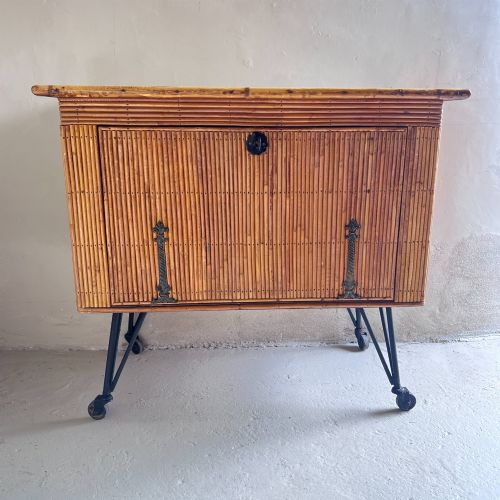
Interior fittings utilise contrasting materials such as mirrored glass backings, polished brass hardware, and occasionally integrated electrical wiring for illumination. Structural elements range from traditional timber bracket feet to cast-iron supports on mid-century French iterations.
Antique Cocktail Sideboard Retail Price Guide 2026
Typical asking prices for cocktail sideboard among the pieces listed under this phrase on Sellingantiques today, from the lower quarter to the upper quarter. They describe what is for sale here now, not the wider market.
Cast-iron legs occasionally support French walnut, proving that even the most glamorous drinking dens appreciated industrial strength.
Assessing craftsmanship and finish
The division between standard production and exceptional work rests on the selection and matching of wood veneers. Grain patterns that mirror each other symmetrically across drawer fronts and cabinet doors indicate superior cabinet-making.
Internal complexity and hardware integration also dictate grade. Superior pieces feature thoughtfully designed pull-out serving slides, dedicated glass holders, and mirrored compartments that remain entirely intact and securely mounted.
Harry and Lou Epstein·Maurice Adams·Hamptons of Pall Mall London·Waring and Gillow·Liberty
The Antique Cocktail Sideboard Glossary
- Burr walnut
- A highly figured timber harvested from walnut tree growths, prized for its swirling, organic grain patterns on cabinet doors.
- Serpentine
- A furniture front characterised by a gentle undulating curve, featuring a convex centre flanked by concave ends.
- Bow front
- A cabinet or sideboard facade that curves outward in a convex arc, popular across Georgian and Art Deco eras.
- Chinoiserie
- European decorative style imitating Chinese artistic traditions, frequently featuring hand-painted motifs on red lacquered wood.
- Secessionist
- An early twentieth-century design movement favouring geometric forms and simplified ornamentation over heavy historicism.
Antique Cocktail Sideboard: Frequently Asked Questions
What is the difference between a cocktail cabinet and a sideboard?
A standard sideboard provides general storage for dining linen and cutlery behind doors and drawers, while a dedicated cocktail version includes specialised interior fittings like bottle racks, glass shelves, and mirrored mixing slides.
Many pieces listed under this search bridge both categories, offering the broad surface of a sideboard combined with the specialised internal compartments of a drinks cabinet.
How do I identify an Art Deco cocktail piece?
Art Deco pieces typically feature geometric symmetry, streamlined silhouettes, and the prominent use of figured burr walnut or exotic veneers without heavy carved ornament.
Look for waterfall edges, polished brass handles, and contrasting light and dark wood banding that define the aesthetic of the interwar period.
How do I care for burr walnut veneer?
Burr walnut requires protection from direct sunlight and excessive heat fluctuations to prevent the delicate veneer from drying out or lifting over time.
Apply a quality beeswax polish occasionally and buff gently with a soft cloth to maintain the natural lustre of the timber.