





Antique Cobalt Urn
When you search for an antique cobalt urn, you enter a field of rich ceramic vessels shaped by Georgian potteries and Japanese export kilns.
Antique Cobalt Urn
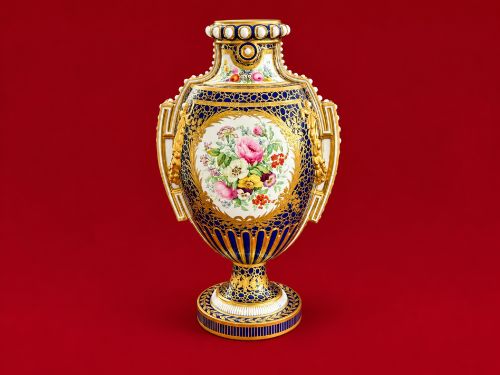
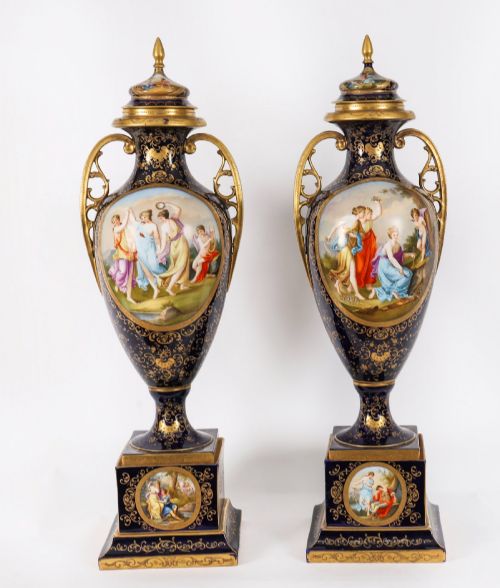
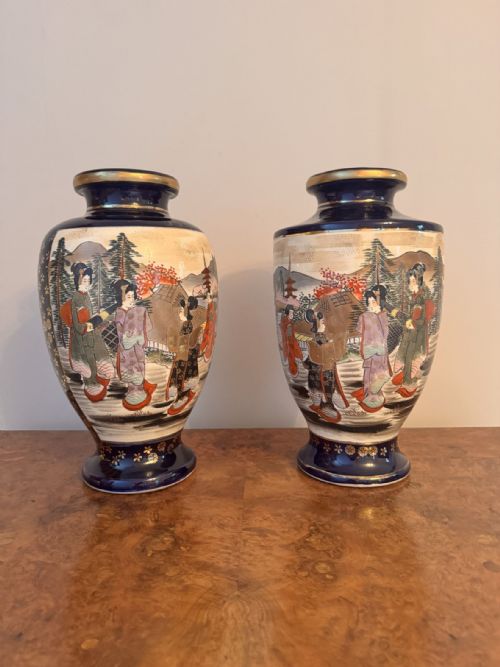
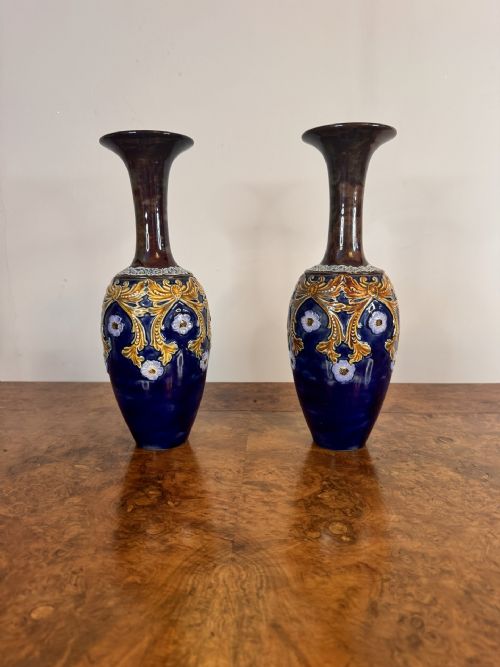
The antique cobalt urn category encompasses decorative jars, pot pourri vases, and floor-standing vessels defined by deep blue ceramic bodies. These pieces emerge predominantly from nineteenth-century English porcelain factories, French ceramic workshops, and Japanese Imari or Satsuma kilns.
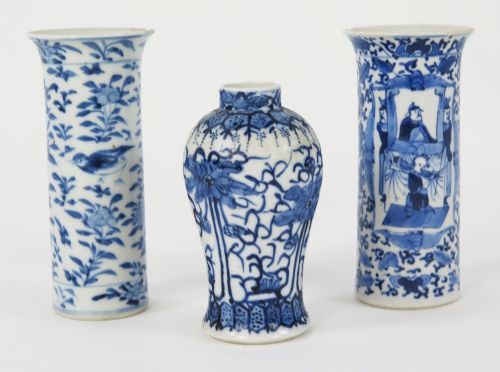
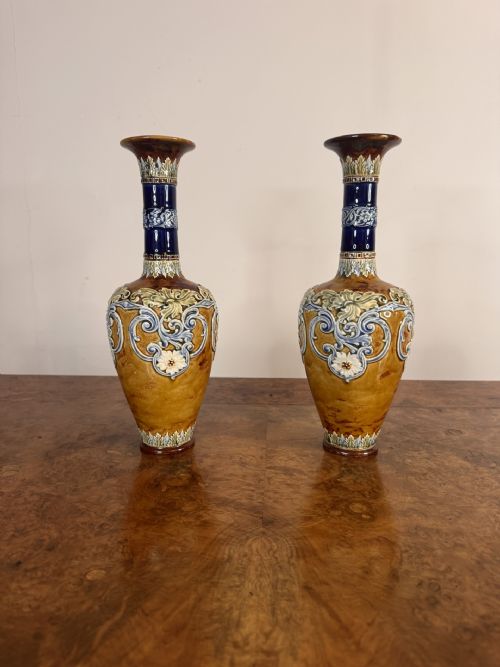
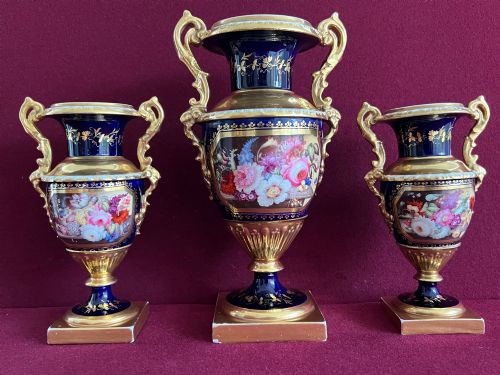
Buyers will encounter various forms ranging from miniature cabinet pieces to large floor-standing pairs. Many examples incorporate covers, handles, or matching stands to complete the decorative composition.
Origins span Georgian English manufactories through to Edwardian productions, reflecting international trade and stylistic shifts between European neoclassical taste and Japanese export art.
Materials and production methods
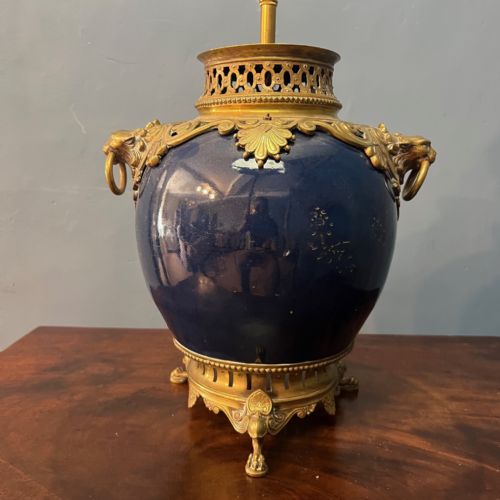
Potters achieved the signature deep blue coloration utilising cobalt oxide within glaze formulations or painted directly onto porcelain and earthenware bodies before firing. Many vessels received subsequent applications of gold leaf, gilding, or ormolu mounts to accent handles, rims, and bases.
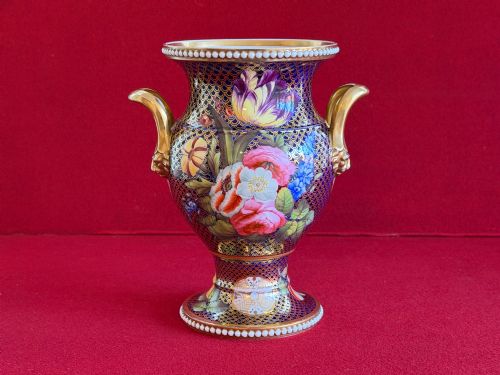
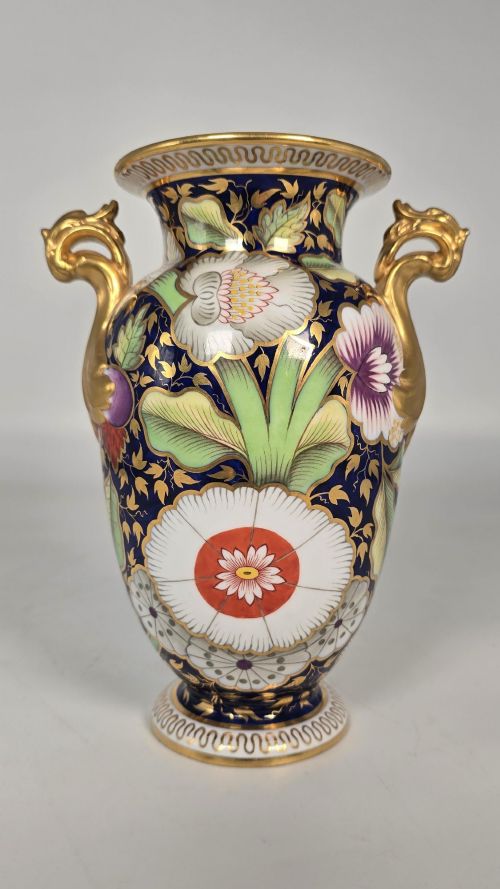
Production techniques combined throwing or moulding ceramic bodies with detailed hand-painting, transfer printing, or metal mounting. Workshops frequently employed specialised decorators to execute floral panels, landscape scenes, or intricate gilt motifs over the cobalt ground.
Antique Cobalt Urn Retail Price Guide 2026
Typical asking prices for cobalt urn among the pieces listed under this phrase on Sellingantiques today, from the lower quarter to the upper quarter. They describe what is for sale here now, not the wider market.
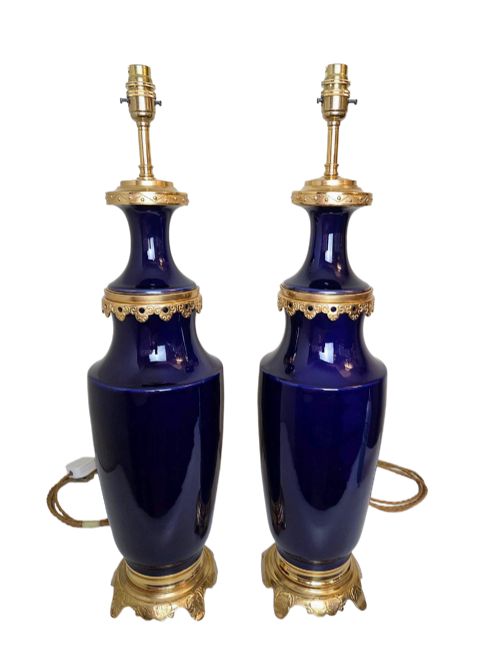
The listings feature diverse forms including jardinieres, garnitures, and table lamps spanning the eighteenth to the twentieth centuries.
Distinguishing quality across the range
Quality rests upon the precision of the cobalt glaze application and the crispness of any hand-painted details or gilt embellishments. Superior examples demonstrate controlled kiln firings that prevent pooling or fading in the blue ground.
The sophistication of the mounting work, such as cast ormolu or finely chased gilt bronze trim, separates standard production items from distinguished gallery pieces. Intricate hand-painted scenes by named decorators also elevate the standing of an individual vessel.
Spode·Doulton Lambeth·Royal Crown Derby·Flight Barr And Barr·Minton
The Antique Cobalt Urn Glossary
- Cobalt
- A mineral oxide utilised by potters to produce a deep, stable blue colour on ceramic bodies and glazes. It withstands high firing temperatures without losing intensity.
- Imari
- A style of Japanese porcelain featuring cobalt blue and iron red decoration, frequently highlighted with gold. These wares were heavily exported to Europe during the Meiji period and earlier.
- Ormolu
- Gilded bronze mounts applied to ceramic vessels to accent handles, bases, and rims. French workshops utilised this technique extensively during the nineteenth century.
- Garniture
- A set of matching vases or urns designed to be displayed together on a mantelpiece or cabinet. They typically comprise three or five graduated pieces.
- Ironstone
- A heavy, durable type of earthenware patented in England during the early nineteenth century. It served as a robust alternative to porcelain for large vessels and jars.
Antique Cobalt Urn: Frequently Asked Questions
How were urns used historically?
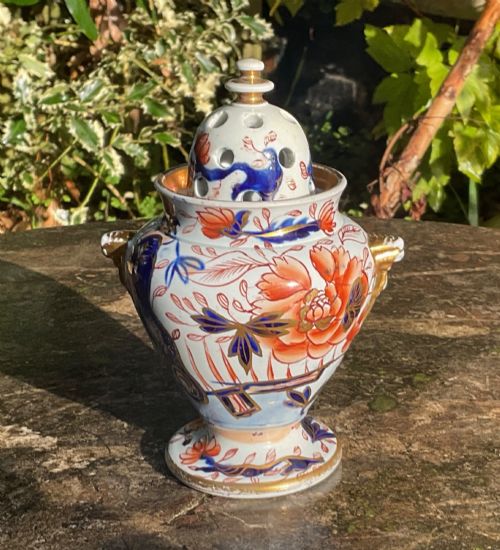
Most urns and jars served purely decorative functions on mantelpieces, pedestals, or large furniture surfaces. Specific forms like pot pourri vases held dried scented botanical mixtures to fragrance rooms.
Larger floor-standing examples acted as architectural focal points within grand nineteenth-century reception rooms and entrance halls.
Are these pieces waterproof?
While ceramic bodies are generally impermeable, antique urns are not designed to function as modern flower vases. The presence of gilt decoration, hand-painted enamels, and delicate metal mounts means internal moisture can cause permanent damage to the exterior finish.
Owners should keep these vessels strictly dry and avoid direct contact with water or floral foam.
How do I care for gilt bronze mounts?
Ornate metal mounts require gentle dusting with a soft, dry brush rather than chemical cleaning solutions. Harsh polishes will strip the original surface and potentially stain the adjacent ceramic body.
Maintaining a stable indoor climate without excessive humidity protects both the metallic elements and the underlying glaze.
How do I distinguish Japanese Imari from European copies?
Japanese Imari pieces display characteristic paste bodies, distinctive iron-red pigments, and underglaze cobalt blues specific to eastern export traditions. European factories like Crown Derby produced their own interpretations of these patterns, often termed Imari style.
Examining the foot rim and the specific tone of the blue under magnification helps clarify the exact geographic origin.