



Antique Coaching Painting
An antique coaching painting captures the motion and colour of the golden age of mail carriages.
Antique Coaching Painting
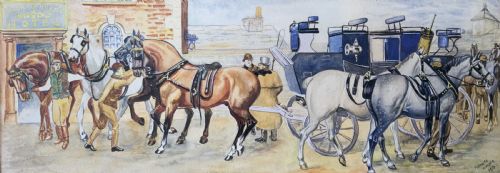
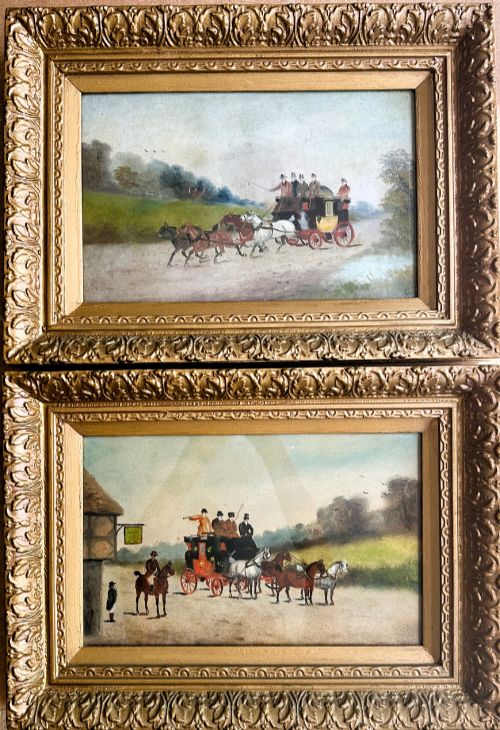
When you search for an antique coaching painting, you are looking at works that record the era of stagecoaches, mail carriages and posting inns across Britain. These pictures range from detailed watercolours on paper to substantial oils on canvas, depicting horses, drivers and passengers on the road. The most common examples you will meet here date from the nineteenth and early twentieth centuries, reflecting a sustained Victorian and Edwardian fascination with traditional transport.
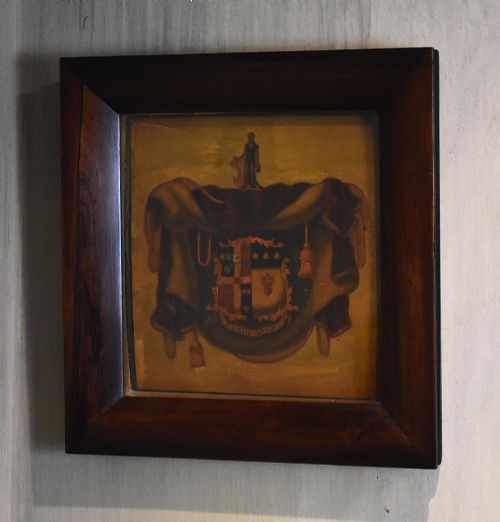
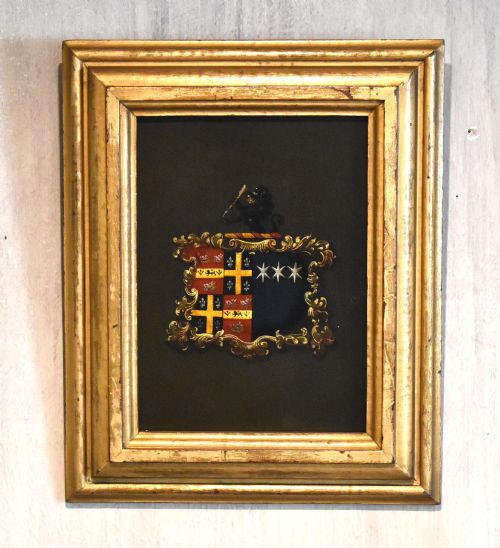
Many of these works focus on specific dramatic moments, such as a stagecoach caught in a winter snowstorm or horses changing at an inn. Alongside traditional framed pictures, the evidence shows related forms including reverse glass paintings and heraldic coach panels originally fitted to carriages themselves. These pieces belong firmly within traditional British sporting and genre art, celebrating the speed and endurance of horse-drawn travel before the expansion of the railways.
Materials and technique
Artists working in this genre relied primarily on oil paint applied to canvas or wood panels, as well as watercolour on paper for lighter illustrative details. Oil allowed painters to build up dense layers of pigment to render the heavy texture of snow, mud and horsehair, while capturing the play of light on carriage metalwork. Frames were typically constructed from wood such as oak or finished with giltwood, framing the visual narrative securely.
Specialised techniques also appear beyond standard canvas work, notably in reverse glass painting where the artist painted directly onto the rear of the glass to achieve a glossy finish. Heraldic panels involved painting coats of arms onto wooden vehicle elements using durable pigments suited to outdoor travel. These varied methods ensured the artwork survived decades of handling and display.
Several horses appear to be working harder than the passengers, who look remarkably calm despite the snowdrift.
Assessing quality and execution
Quality in these works rests heavily on the artist's ability to render the anatomy of horses and the complex mechanics of carriages in motion. Stronger pieces show correct perspective in the wheels and harness, whereas weaker examples struggle with the proportions of animals and figures. The most accomplished paintings capture atmosphere and weather convincingly, transforming a simple transport scene into a vivid historical record.
The choice of medium and the preservation of the surface also dictate the standing of a piece. Works by named painters with documented exhibition histories or clear signatures command closer attention than anonymous studio output. Original framing and the stability of the paint layer without excessive restoration further distinguish finer examples from standard decorative items.
Philip Rideout·George Wright·Philip Henry Rideout·Samuel Henry Alken·John Charles Maggs·John Richard Worsdale·Frank Dadd·John Atkinson·Martin Pierre Denis·James Pollard
The Antique Coaching Painting Glossary
- Reverse glass painting
- A technique where the image is applied directly to the back of a glass sheet, viewed from the front to create a glossy surface. This method requires the artist to paint details in reverse order.
- Coach panel
- A wooden board painted with coats of arms or decorative motifs, originally mounted on the door or body of a carriage. These panels survived independently after the vehicles themselves were dismantled.
- Giltwood
- Wood that has been coated with a thin layer of gold leaf or gold paint, commonly used for traditional picture frames. It provides a bright border that separates the painting from the wall.
- Genre art
- Paintings that depict aspects of everyday life, such as travellers at an inn or stories on the road. This category focuses on human activity rather than formal portraiture or pure landscape.
Antique Coaching Painting: Frequently Asked Questions
What periods do these paintings come from?
The works listed here primarily span the nineteenth century and the early decades of the twentieth century. Examples stretch from Regency and Georgian interpretations through to Edwardian sporting watercolours.
Artists of the later nineteenth century often looked back nostalgically to the coaching era before steam trains dominated travel. This creates a clear stylistic bridge between early coaching days and later artistic revivals.
How were these artworks originally displayed?
Framed oil paintings and watercolours hung in domestic interiors, coaching inns and sporting clubs to celebrate equestrian travel. Smaller items like painted panels served as decorative wall art or remnants from actual vehicles.
Owners valued them as reminders of a familiar transport system that shaped British roads. Today they serve a similar decorative role in studies, hallways and living rooms.
How do I care for an antique oil painting?
Keep painted canvases and wooden panels away from direct sunlight and sudden temperature changes to prevent the pigment from cracking. Dust the surface gently with a soft dry brush without applying pressure to the paint layer.
Avoid using water or chemical cleaners on old oil paint or gilt frames. Professional conservation is recommended if the canvas sags or the surface accumulates stubborn grime.
Are these works signed by the artists?
Many pieces carry visible signatures, monograms or contemporary attribution notes written on the canvas, paper or frame. Signed works by established nineteenth-century painters are well documented in historical records.
Unsigned paintings also appear frequently, often attributed to specific artistic circles or the manner of known masters. Comparing brushwork and subject matter helps determine their origins.