

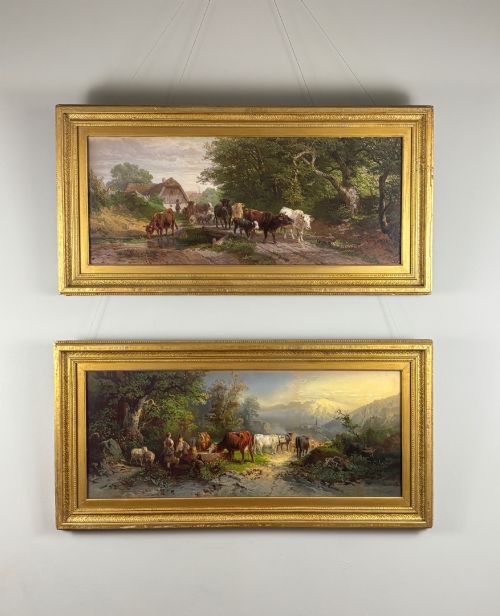
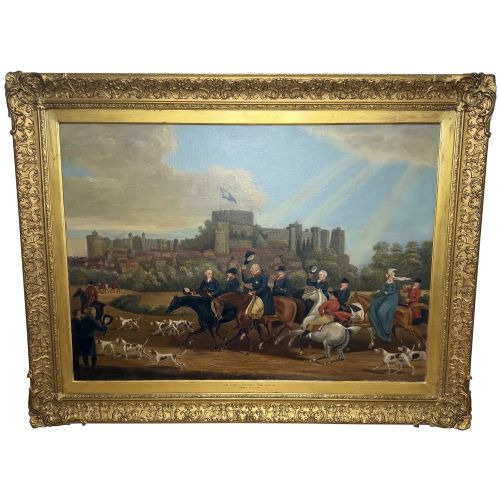

Framed Country House Painting
A framed country house painting brings the quiet weight of rural interiors, sporting estates and historic livestock directly into a room.
Framed Country House Painting
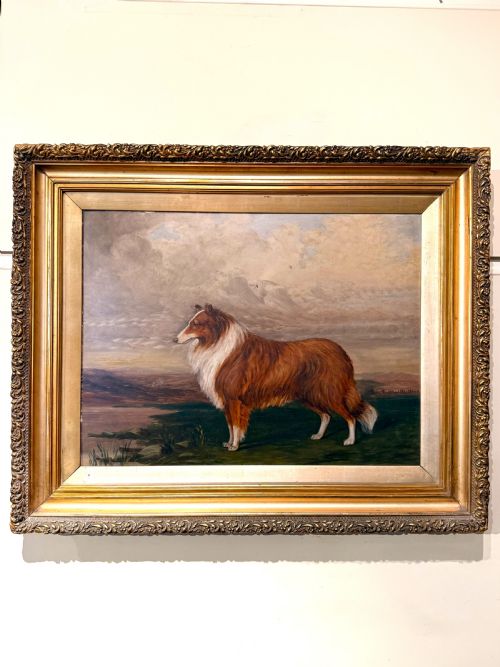
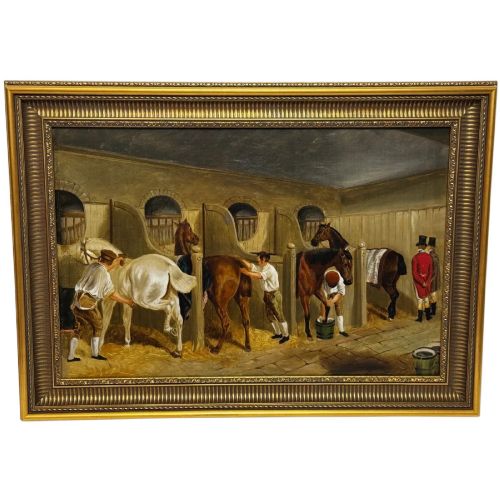
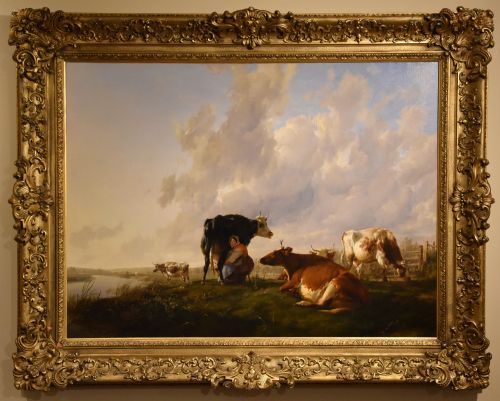
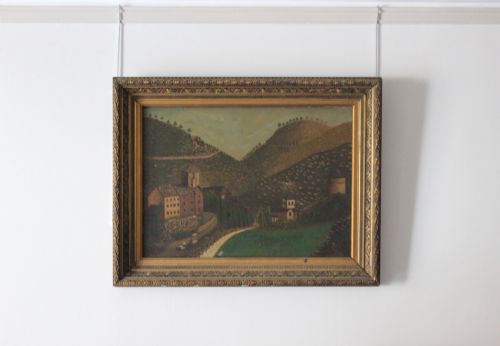
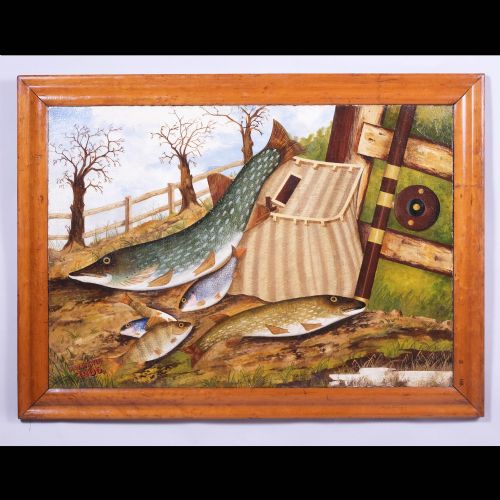
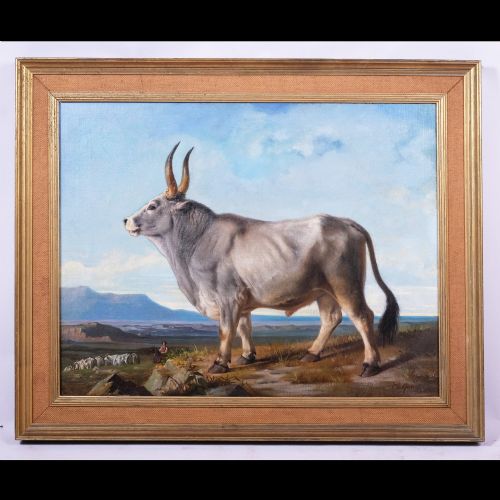
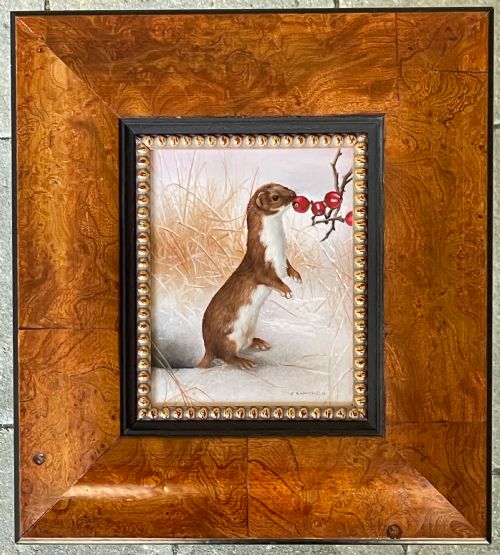
When searching for a framed country house painting, buyers encounter works depicting rural life, sporting animals, farmyards and domestic interiors. The selection spans the nineteenth century through to the mid-twentieth century, capturing subjects from agricultural settings to landed estates.
Oil paintings on canvas and board predominate, alongside watercolours, pastels and gouache works. Frames range from simple moulded wood to heavy giltwood and gesso surrounds that complete the domestic presentation.
Works attributed to named artists appear alongside pieces from British and French school traditions. Subjects divide cleanly between animal portraits, sporting scenes, landscapes and domestic genre pieces.
How they were made
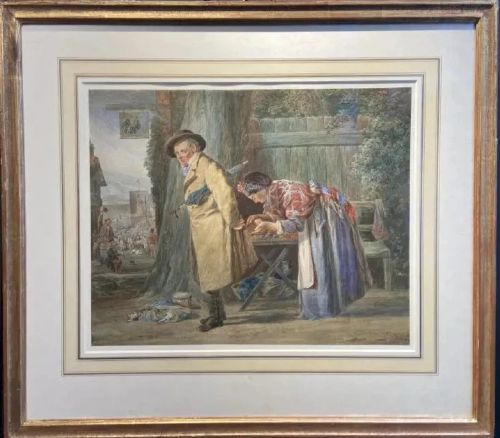
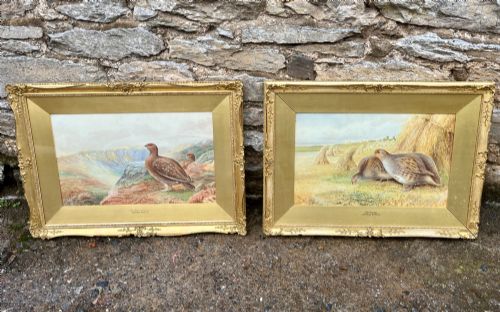
Canvases and wooden panels served as the primary supports for oil paints applied with brushwork that varied from tight academic precision to looser nineteenth-century realism. Watercolours and gouache on paper capture finer details in domestic scenes and game bird studies.
Frames utilise carved wood finished with gesso and gilt, adding architectural presence to the artwork. Original stretcher frames and period mountings frequently accompany the canvases, retaining their structural integrity over the decades.
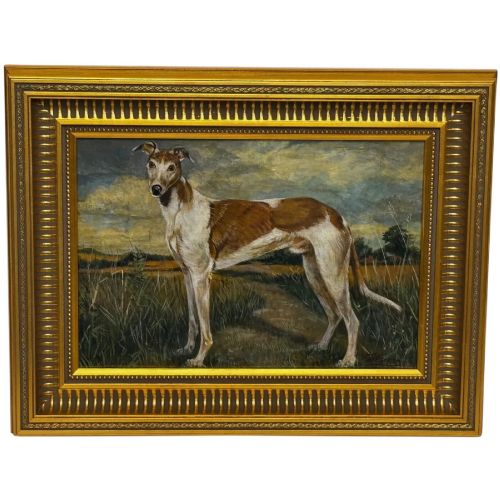
Several canvases capture devoted spaniels, prize bulls and racehorses awaiting their moment of glory.
What varies in quality
The strength of a framed country house painting rests in the handling of the subject, particularly the anatomical accuracy of animals and the convincing play of light within domestic interiors. Weaker examples rely on formulaic repetition, whereas accomplished works display confident brushwork and distinct character in the figures.
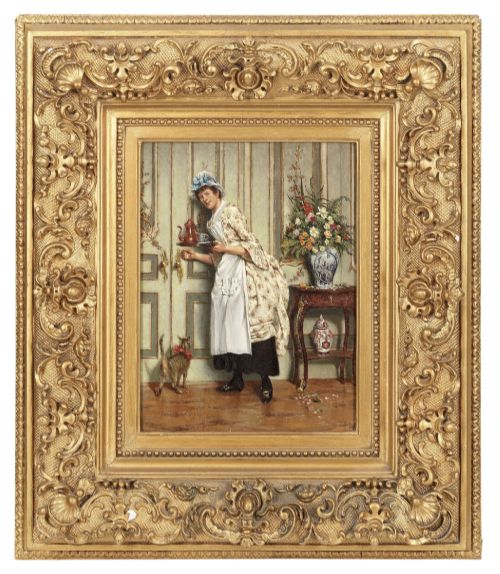
The relationship between the artwork and its frame dictates visual impact. Period giltwood and gesso frames that complement the scale and palette of the canvas elevate the piece far beyond works paired with later or mismatched surrounds.
Stephen Samuel Lewin·Thomas Sidney Cooper·John Sargent Noble·Carl Whitfield·George Rankin·Johann Friedrich Voltz·C R Breytle·John Alfred Wheeler·John Frederick Herring Snr·Claude Cardon·Joseph Knight·F.A. Clark·A M Gauci·Benjamin Blake·Edgar Woollatt·John Arthur Lomax·Charles Haigh Wood·Henry John Yeend King·John Frederick Herring Jnr
The Framed Country House Painting Glossary
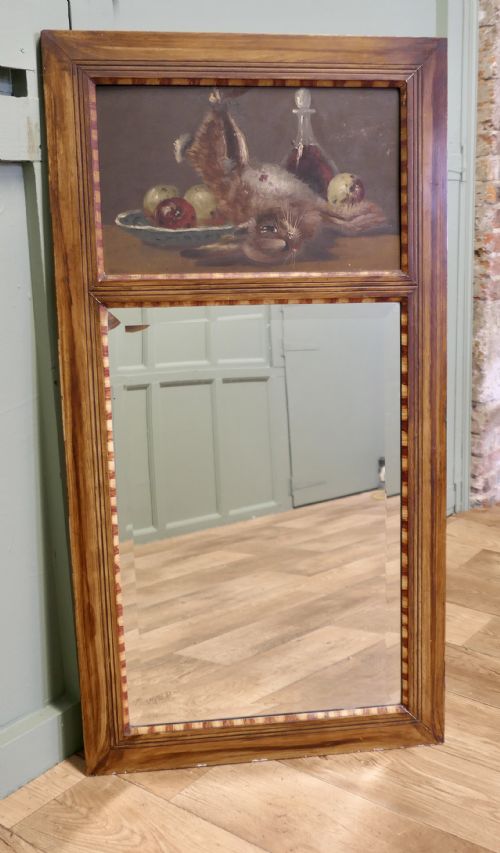
- Trumeau
- A decorative wall mirror or panel integrated into interior architecture. It frequently incorporates an oil painting or print above the glass plate.
- Gesso
- A plaster-like mixture applied to wooden frame mouldings. It provides a smooth surface for subsequent gilding or painting.
- Giltwood
- Timber coated with a thin layer of gold leaf or metallic powder. This finish defines the ornate frames typical of period paintings.
- Genre painting
- Artwork depicting scenes from everyday life, often featuring figures within domestic interiors or rural landscapes.
- Provincial
- A term describing works created outside major artistic centres. It denotes regional character and local material choices.
Framed Country House Painting: Frequently Asked Questions
What subjects appear in these paintings?
The works record rural livestock, sporting dogs, horses, farmyard animals and domestic interior scenes. Landscapes and portraits of country gentlemen also form part of the tradition.
Subjects reflect the rural economy and landed estates of the nineteenth and early twentieth centuries. Animals and domestic scenes dominate the surviving output.
How do I date a framed painting?
Dating relies on stylistic markers, costume details, framing techniques and materials such as canvas preparation and stretcher construction. Nineteenth-century works display distinct realist or sporting art conventions.
Inscribed signatures, dates on the reverse and artist biographies narrow the window of creation. Period frames often match the era of the canvas itself.
Are these paintings on canvas or panel?
Both mediums are common, with oil on canvas and oil on wooden panel forming the majority of the works. Watercolours and pastels on paper also feature across the selection.
Canvas supports predominate in larger sporting and landscape works. Smaller animal studies frequently utilise wooden boards or panels.
How should I hang a framed artwork?
Heavy giltwood frames require secure wall fixings suited to the substantial weight of wood and gesso construction. Position the painting away from direct sunlight and excessive temperature fluctuations to protect the canvas and pigments.
Consider the scale of the wall and surrounding furniture to maintain balance. Eye-level placement allows proper appreciation of the brushwork and detail.