



British Sporting Art Canvas
British sporting art canvas works capture centuries of equine portraits, hound scenes and country pursuits in oil on canvas.
British Sporting Art Canvas
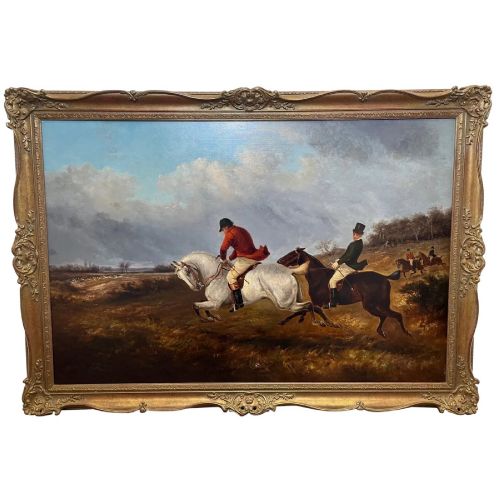
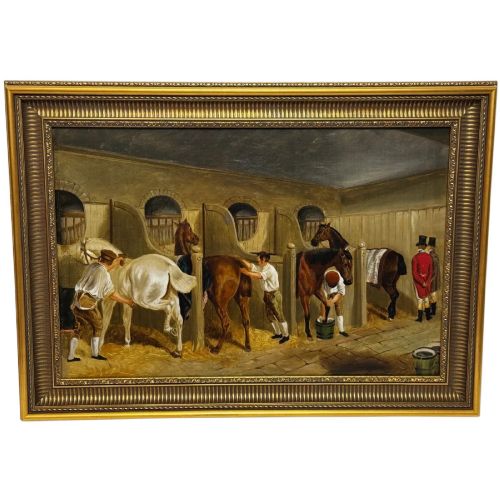
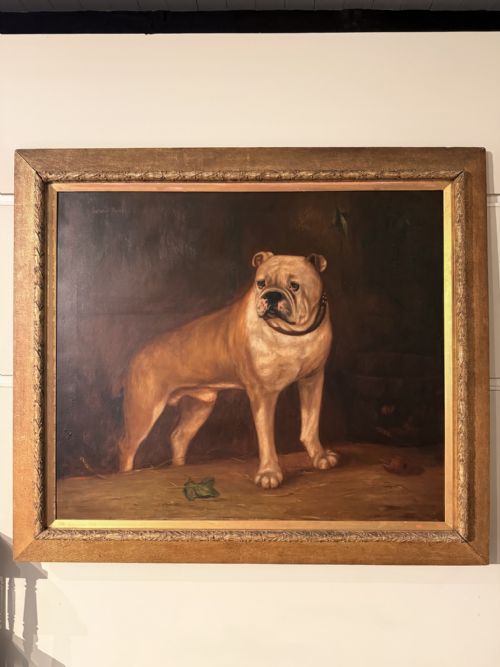
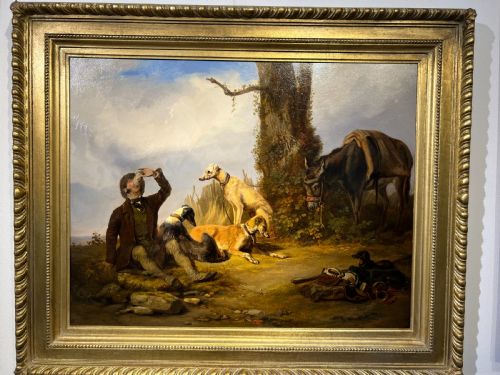
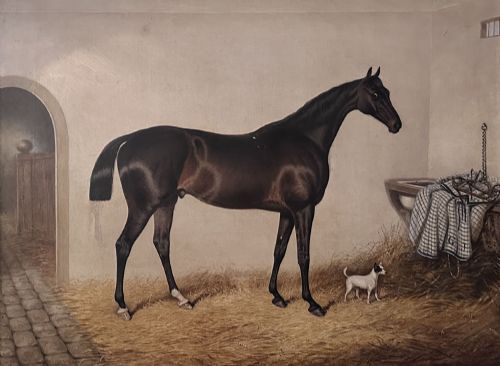
A british sporting art canvas brings together centuries of equine portraits, hunting scenes and animal studies executed in oil paint. These works record horses, dogs and rural pastimes from the nineteenth century onward.
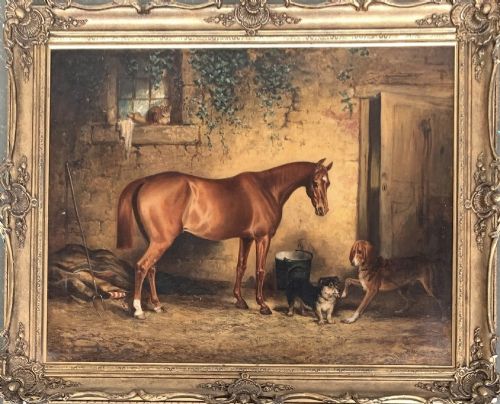
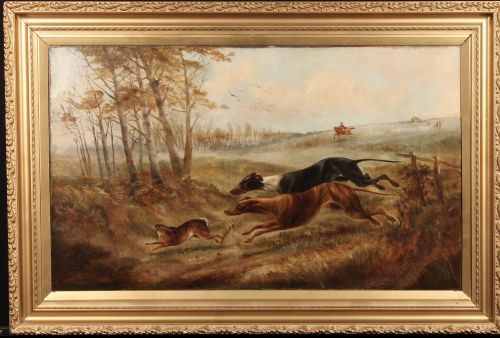
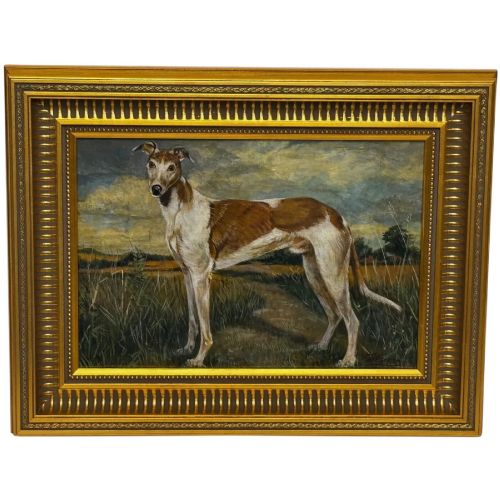
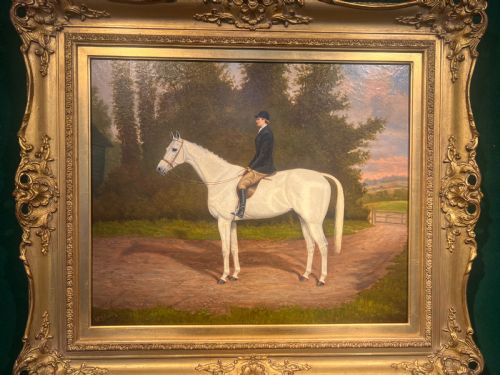
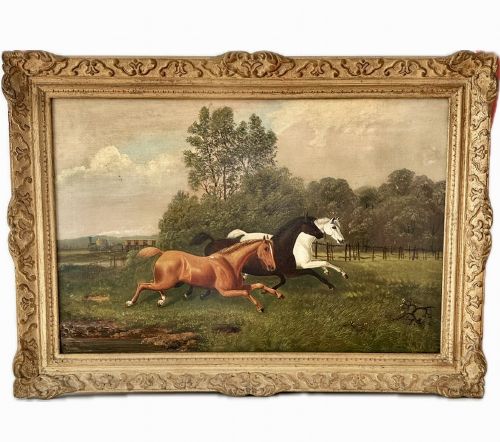
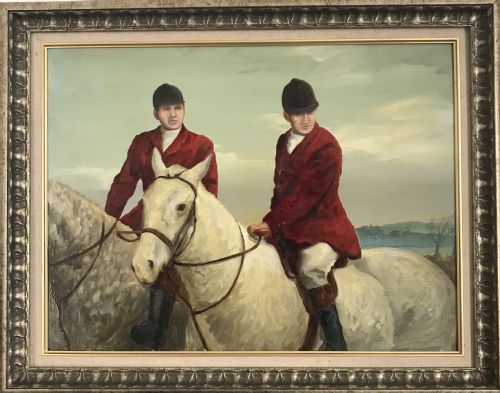
The most common pieces on this page are nineteenth century oil paintings framed in giltwood, featuring bay hunters, rough collies and fox hunting scenes. Victorian and Edwardian examples dominate the selection, alongside twentieth century rural studies.
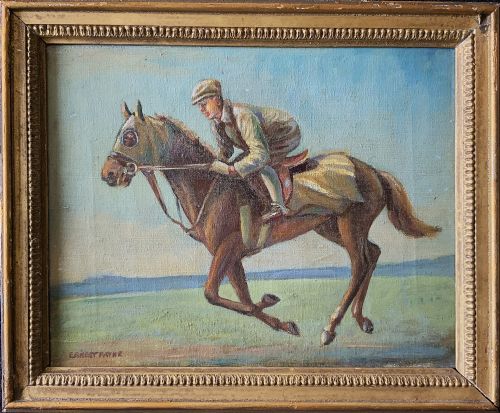
Subjects range from individual racehorses and farmyard horses to coaching scenes and terrier ratting pictures. Canvases appear both unframed and within period gilt frames augmented by gesso.
Materials and technique
Artists painted these works using oil paint applied to stretched canvas, capturing fine details of animal coats and rural landscapes. Wood stretchers provide the internal support for the fabric ground.
Frames utilise wood finished with gesso and gold leaf or giltwood, providing ornate borders that complement the painted scenes. These traditional mounting methods protect the edges of the canvas and enhance the visual weight of the artwork.
Listings span periods from the early nineteenth century through the mid twentieth century, utilising oil on canvas.
Quality variations
Anatomical precision and handling of light distinguish superior animal portraiture from more formulaic studio output. The best paintings render the muscle structure of horses and the expressive postures of hounds with acute observation.
The integration of the animal within its landscape background separates masterworks from routine decorative pieces. Skilled brushwork in the foliage, sky and terrain provides a coherent atmosphere that elevates the central subject.
Henry Barraud·George Armfield·Thomas Smythe·John Emms·John Ferneley Senior·George Wright·John Sanderson Wells·William Barraud·Samuel Spode·Abraham Cooper·Heywood Hardy·John Frederick Herring·George Goodwin Kilburne·Philip Eustace Stretton
The British Sporting Art Canvas Glossary
- Gesso
- A plaster mixture applied to wood frames before gilding. It provides a smooth surface for carving and applying gold leaf.
- Giltwood
- Wood that has been treated with gold leaf or a gold coloured finish. This material creates the ornate frames typical of Victorian paintings.
- Canvas
- A heavy woven fabric used as a support surface for oil paintings. It is typically stretched tightly across a wooden frame.
- Equine portrait
- A painting focused specifically on the likeness and conformation of a horse. These works were frequently commissioned by owners to record prized animals.
British Sporting Art Canvas: Frequently Asked Questions
What subjects appear in these paintings?
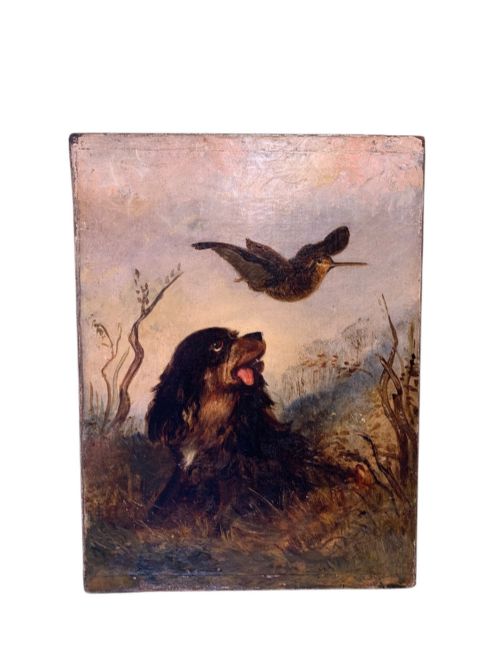
The artworks primarily depict horses, hounds, racing pigeons, game birds and rural working dogs in various countryside settings. Scenes range from solitary animal portraits to dynamic fox hunting and coaching events.
Human figures occasionally share the composition, appearing as jockeys, huntsmen or grooms alongside their animals. The focus remains squarely on rural sport and animal life.
How should I care for an oil painting on canvas?
Keep the canvas away from direct sunlight and extreme temperature fluctuations to prevent the paint from cracking and the fabric from warping. Dust the surface gently with a soft, dry brush without applying pressure.
Avoid using water or cleaning solutions on the paint or the giltwood frame. Professional conservators should handle any repairs to the canvas or the gesso ornamentation.
How are different periods identified?
Nineteenth century works often display heavier Victorian framing, darker varnishes and detailed attention to equine anatomy. Edwardian and later twentieth century pieces frequently exhibit brighter palettes and looser brushwork.
Signatures, dates inscribed on the canvas reverse, and stylistic markers related to known artists help narrow down the execution date. The type of canvas weave and stretcher construction also offer clues to the age.
Where were these artworks originally displayed?
Owners typically hung these canvases in country houses, estate libraries, hunting lodges and stable offices. They served as celebrations of prized livestock, hunting achievements and rural property.
Many pieces remained within family collections for generations before entering the art market. Their traditional subjects made them suited for formal drawing rooms and country interiors.