


20th Century Interior Painting
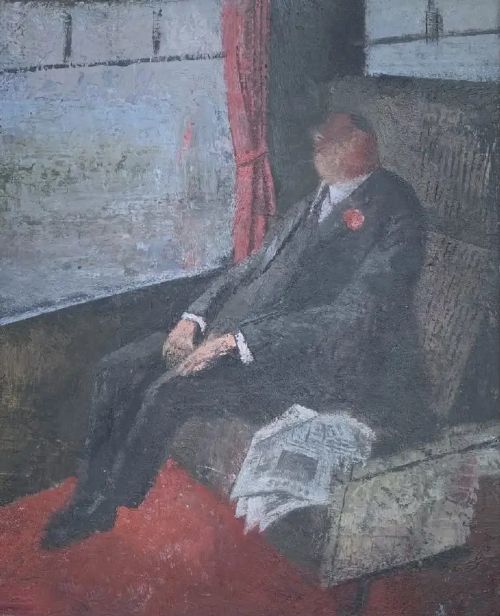
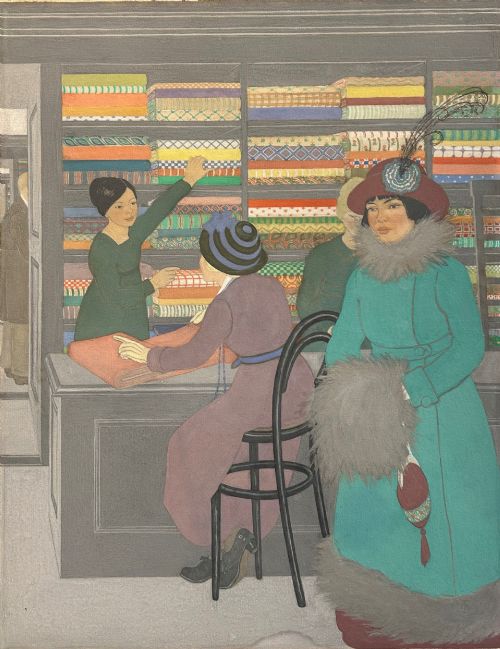
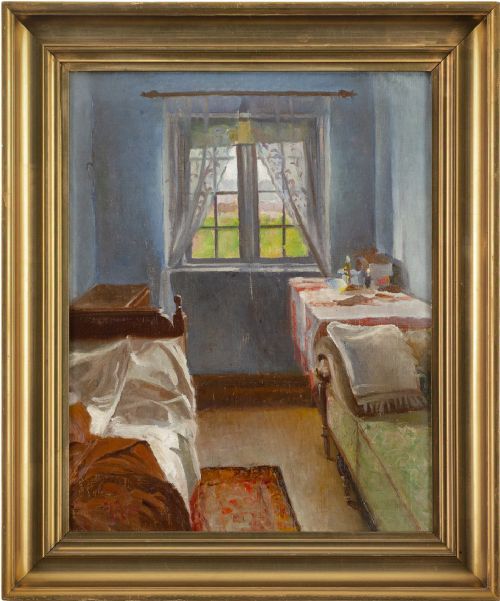
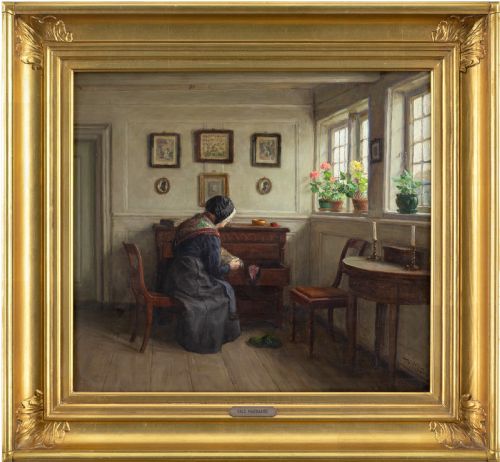
These 20th century interior painting works capture domestic spaces and domestic routines across changing decades.
20th Century Interior Painting
A 20th century interior painting records domestic rooms, studios, and institutional spaces from across the decades. The selection includes works produced in the Edwardian era, through the interwar years, up to the middle of the century.
Buyers encounter both oil paintings and watercolour paintings depicting domestic scenes, still lifes, and architectural studies. The forms range from small watercolours on paper to large oil paintings on canvas and panel.
The origins span British, French, German, Danish, and wider continental schools, reflecting diverse regional approaches to capturing domestic light and space. Some pieces emerge from named artists while others originate from British or continental schools.
Materials and application
Artists painted primarily in oil or watercolour, applying pigment to canvas, paper, wood panels, or board. Some compositions incorporate gold leaf or are housed within burr frames and ornate surrounds.
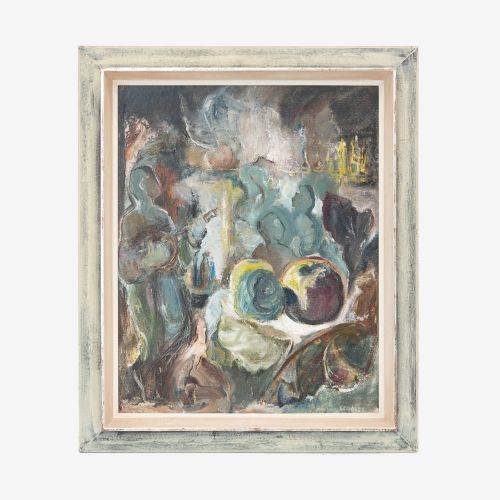
The handling of paint varies from detailed realism and architectural precision to looser post-impressionist brushwork, mid-century expressionism, and cubist abstraction. Watercolour works utilise paper supports, occasionally with sepia tones or ink outlines.
Support materials range from stretched canvas and heavy paper to solid wood panels and paperboard. Frames often reflect the period of creation, utilising wood mouldings or decorative wall panels appropriate to the era.
Materials documented across the collection include oil, watercolour, canvas, paper, wood, gold leaf, and glass.
Distinguishing the works
Quality rests in the handling of light, spatial depth, and the confidence of the mark-making within the domestic scene. Stronger compositions demonstrate a purposeful control of perspective and colour harmony.
The preservation of the pigment and the condition of the paper, canvas, or panel contribute to the overall standard of the piece. Intact original framing and clear artist signatures or attributed provenances elevate individual works.
Beatrice Saunders·Harry Kluge·Valdemar Magaard·Lilian Colbourn·Robert Eadie·Hans Temple·Roland Batchelor·Maud Frances Eyston Sumner·John Percy Cooke·Owen Bowen·K B Curtis·Zsuzsanna Suger·Henry Portal·Ernest Forbes·W H Sweet·Henriette Desportes·C Sorensen·Robert Panitzsch·Adolf Reich·Henry Spernon Tozer
The 20th Century Interior Painting Glossary
- Post-Impressionism
- A style that developed from the impressionist movement, focusing on symbolic content and expressive use of paint. Artists working in this manner prioritised structure and emotional resonance over pure visual recording.
- Watercolour Painting
- A medium where coloured pigments are suspended in a water-soluble vehicle on paper. These works rely on the white of the paper to provide luminosity through transparent washes.
- Oil on Canvas
- A traditional painting method utilising pigments bound in drying oil applied to stretched fabric. This combination allows for rich colour blending, texture, and longevity.
- Intimist
- An artistic approach focusing on intimate, private domestic scenes and quiet daily moments. Such works often depict figures engaged in reading, sewing, or domestic leisure.
- Corner Cabinets
- Wooden furniture pieces designed to fit neatly into room angles, sometimes recorded within interior paintings or appearing alongside the paintings themselves in collections.
20th Century Interior Painting: Frequently Asked Questions
What periods do these paintings cover?
The works span the entire twentieth century, with strong representation from the Edwardian period through the 1950s and 1960s.
Individual pieces reflect stylistic shifts from traditional realism to modernist abstraction as the decades progress.
How do I care for a watercolour painting?
Watercolour works on paper require protection from direct sunlight to prevent fading of the pigments and yellowing of the paper support.
Displaying them in rooms with stable humidity levels helps preserve both the paper and any accompanying frame.
What is an intimist interior scene?
An intimist scene focuses on quiet, private moments within a home, such as reading, sewing, or quiet reflection.
These compositions emphasise mood, domestic comfort, and subtle lighting over grand narrative subjects.
Are these paintings signed by artists?
Many works bear artist signatures, monograms, or formal attributions to named British and continental painters.
Others represent pieces from designated regional schools where individual creators remain anonymous.