


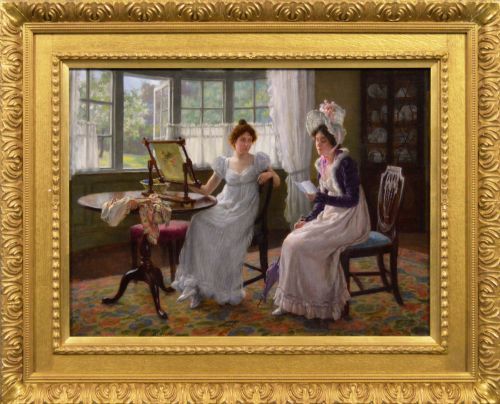

Traditional Canvas Interior Art
Traditional canvas interior art brings historical domestic scenes and domestic spaces directly to your walls through original oil paintings.
Traditional Canvas Interior Art
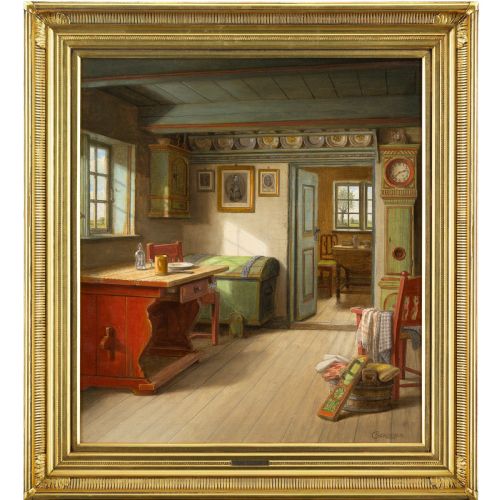
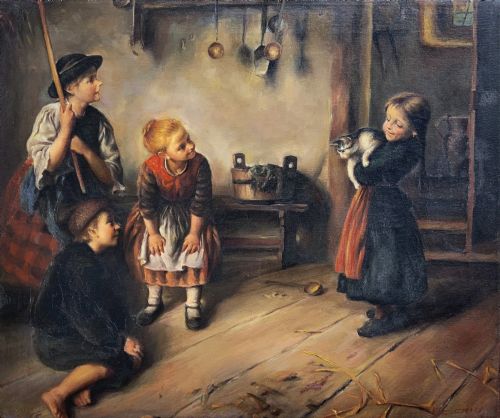
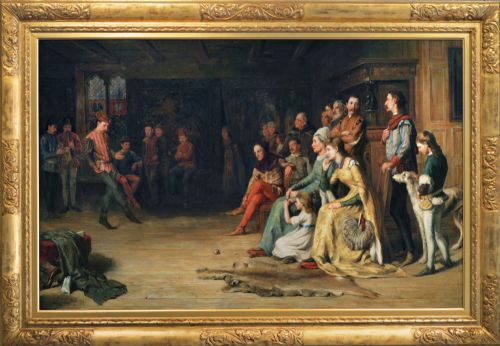
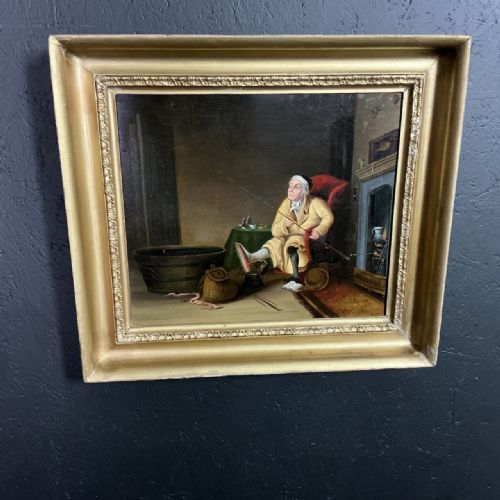
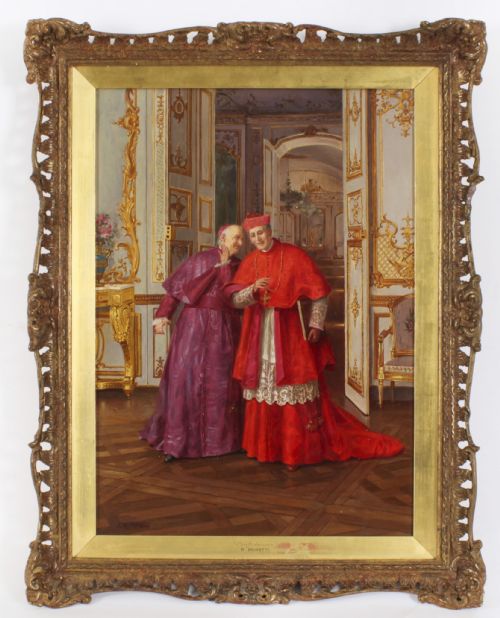
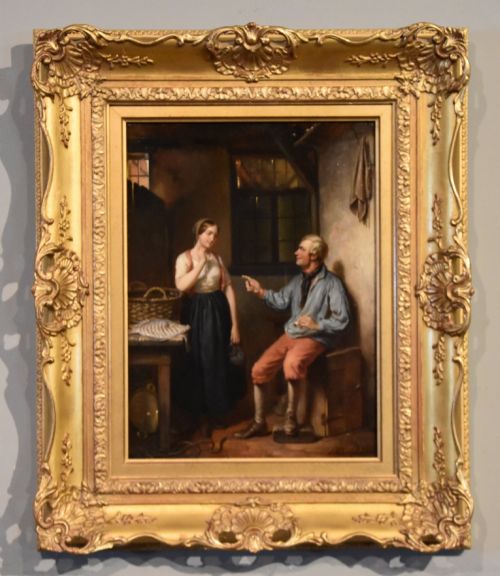
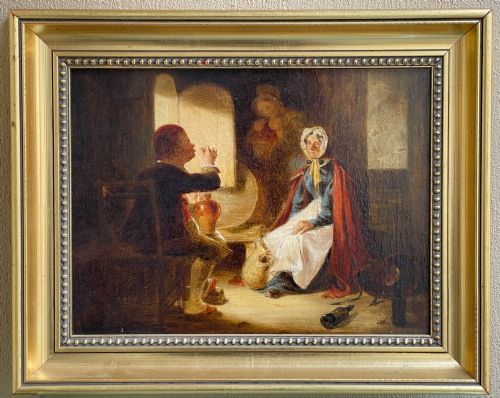
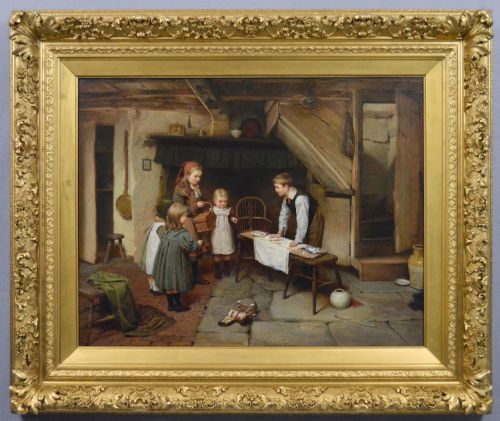
Traditional canvas interior art encompasses historical oil paintings depicting domestic rooms, cottages, taverns, and stables across the nineteenth and early twentieth centuries. When searching for traditional canvas interior art, you encounter genre scenes of everyday family life, quiet cottage interiors, and portraiture set within rooms or stable yards.
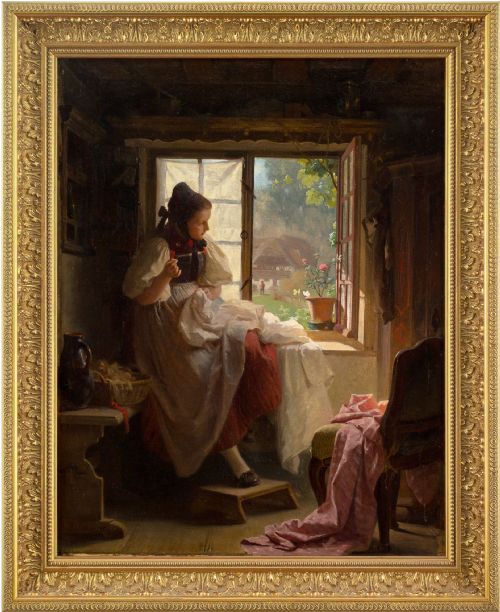
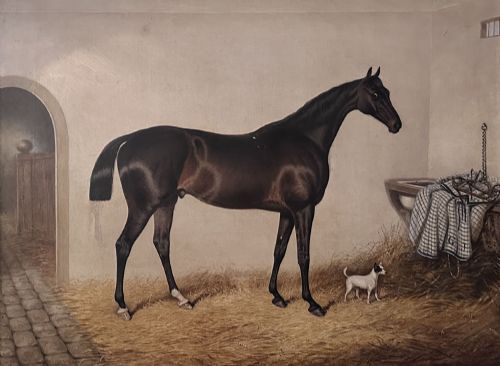
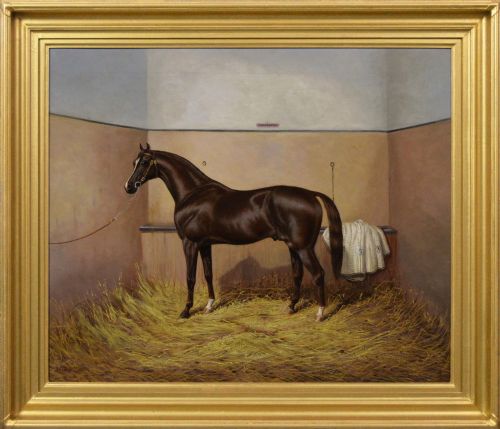
The pieces on this page span the Victorian era, the Dutch Golden Age style, and mid-century works, predominantly executed in oil on canvas. You will find domestic subjects ranging from women sewing by windows to children playing in cottages, alongside historical genre pieces and sporting animal works.
These artworks capture the domestic routines, social interactions, and architectural interiors of past centuries through the brushwork of British and European artists. Each piece serves as a window into historical domestic spaces, preserved on canvas and framed in period materials.
Materials and technique
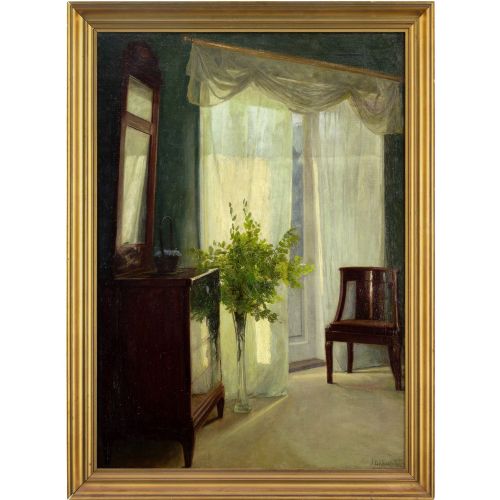
Artists painted these works using oil paint applied to stretched canvas, often supported by wooden stretchers and housed within ornate gesso and giltwood frames. The interaction of oil paint allowed for subtle layering of light, particularly in scenes featuring sunlight streaming through garden doors or windows.
Makers utilised traditional preparatory grounds of gesso on wood or canvas substrates to receive the oil pigments, ensuring longevity and stability for the paint layer. Gilding techniques involving gold leaf were applied to the wooden frames to complement the warmth of the interior scenes.
Listings feature oil on canvas works spanning the nineteenth century through to the mid-twentieth century.
Variations in quality
The strength of the composition and the handling of light distinguish exceptional interior paintings from ordinary workshop output. Superior works demonstrate careful observation of human gesture, architectural perspective, and the play of natural light across domestic surfaces.
The quality of the original frame, the depth of the narrative in genre scenes, and the reputation of the named artist elevate individual pieces. Subtle characterisation in portraits of people and animals further separates masterworks from routine decorative painting.
James Hamilton ARSA·Harry Brooker·Frank Moss Bennett·Ralph Hedley·John Ferneley Jnr
The Traditional Canvas Interior Art Glossary
- Genre painting
- Depiction of aspects of everyday life by depicting ordinary people engaged in common activities. These scenes often take place in domestic interiors, cottages, or taverns.
- Gesso
- A plaster-like mixture used as a smooth base for paint or gold leaf on canvas supports and wooden frames. It provides a stable surface for detailed oil work.
- Giltwood
- Wood that has been covered with a thin layer of gold leaf or gold paint. Frames finished in giltwood are common for period oil paintings.
- Stretchers
- The wooden frames upon which canvas is stretched tight before painting. Original stretchers help confirm the period of the artwork.
Traditional Canvas Interior Art: Frequently Asked Questions
What is traditional canvas interior art?
Traditional canvas interior art consists of oil paintings on canvas depicting domestic rooms, cottages, and historical household scenes from the nineteenth and early twentieth centuries. These works record the daily lives, furnishings, and social interactions of past eras.
Created by named artists and regional schools, these paintings use oil pigments to capture light entering through windows and doors into domestic spaces. They provide a direct visual record of historical interior environments.
How were these interior scenes used?
Historical interior oil paintings were produced to decorate the walls of domestic homes, country houses, and public institutions during the Victorian period and beyond. They functioned as prestige items and decorative focal points for reception rooms.
Wealthy patrons and middle-class collectors displayed these canvases to signal cultural refinement and appreciation for domestic narratives. Many were housed in elaborate giltwood frames designed to complement interior decor.
How do I live with these paintings?
Living with traditional canvas art involves hanging pieces away from direct sunlight and damp conditions to protect the oil paint and canvas support. Maintaining stable room temperatures prevents the wood and gesso frames from cracking.
Pairing these historic works with traditional or contemporary interiors creates a striking visual contrast that highlights the depth of the painting. Proper wall placement ensures the narrative and brushwork remain clearly visible.
How do I tell periods apart?
Differentiating periods relies on observing changes in artistic style, clothing, interior furnishings, and framing materials across the nineteenth and twentieth centuries. Victorian works often feature detailed narrative genre scenes, while later pieces show shifts towards broader brushwork.
Signatures, artist dates, and stretcher construction provide additional clues for dating individual works accurately. Comparing the subject matter to known historical styles helps verify the era of creation.