

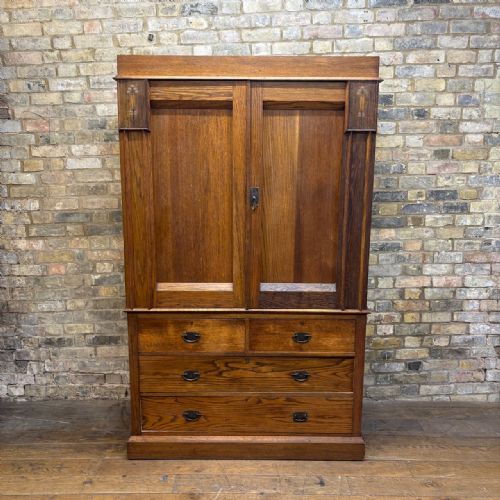
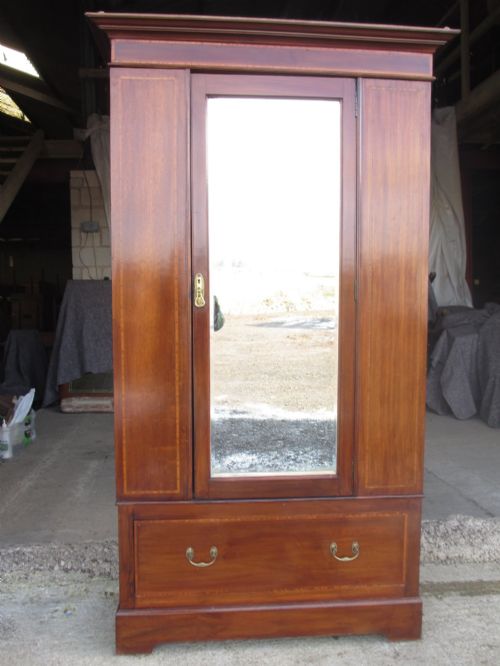
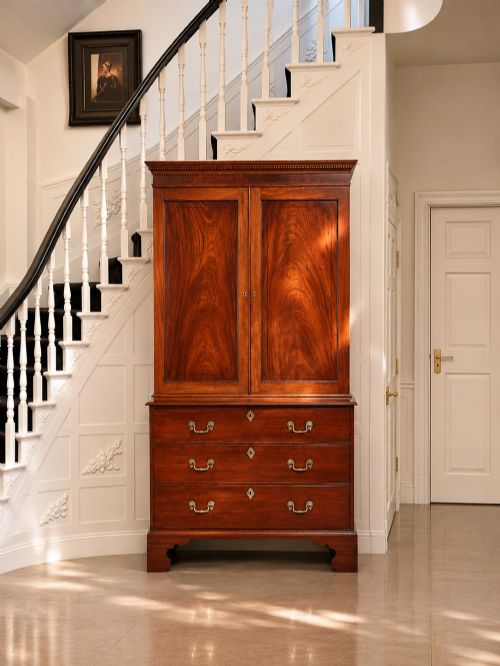
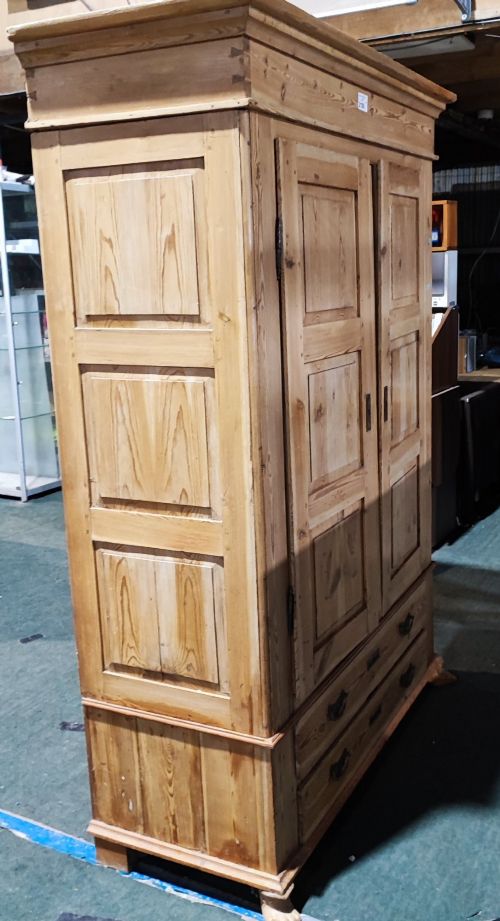
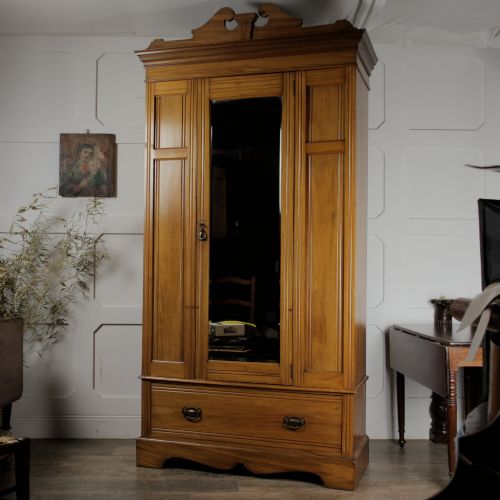
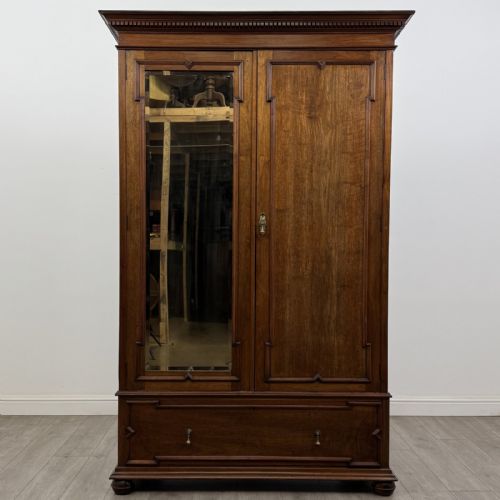
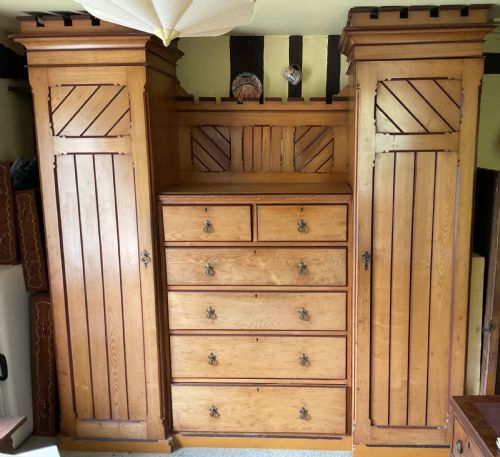
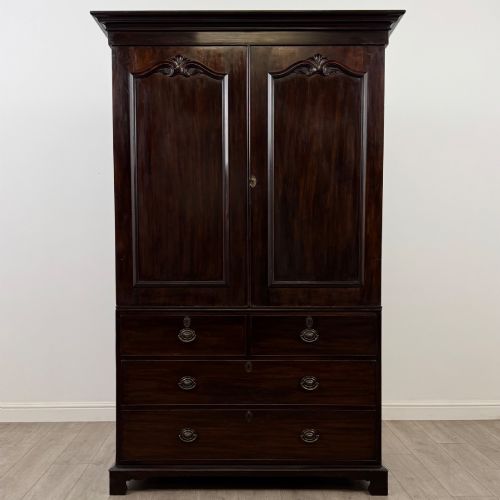
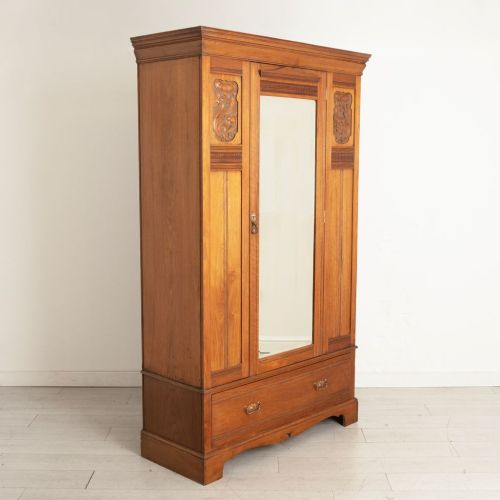
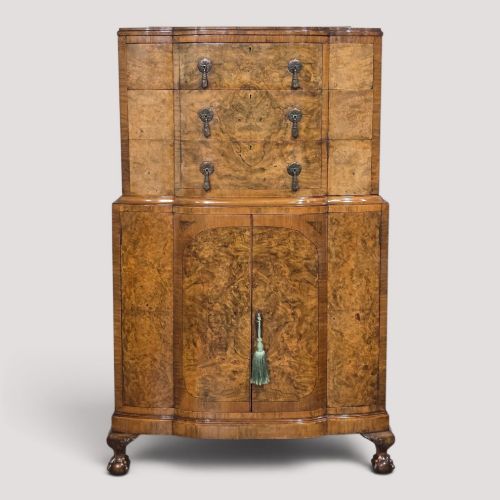
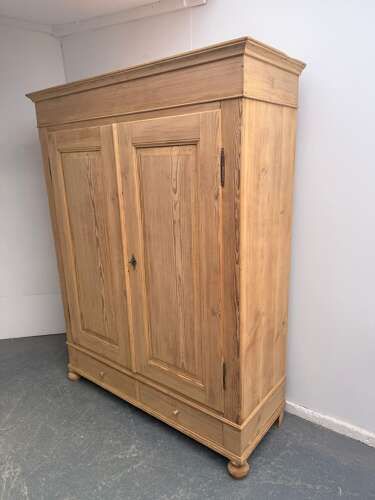
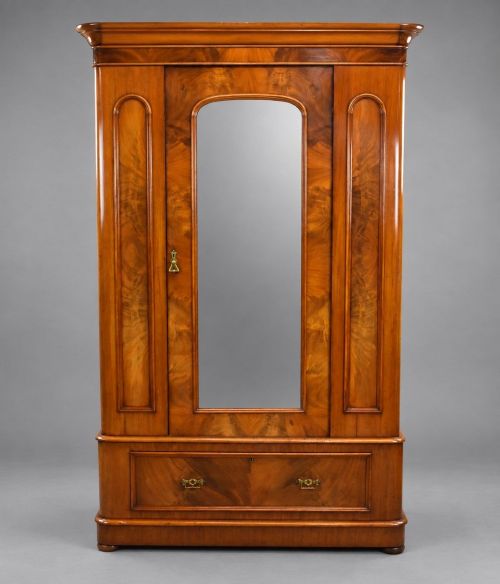
Antique Clothes Press with Drawers
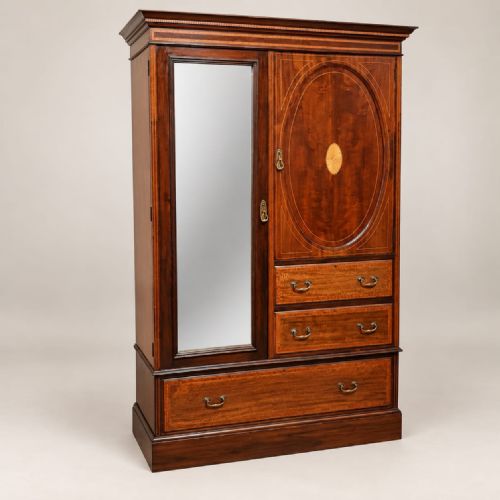
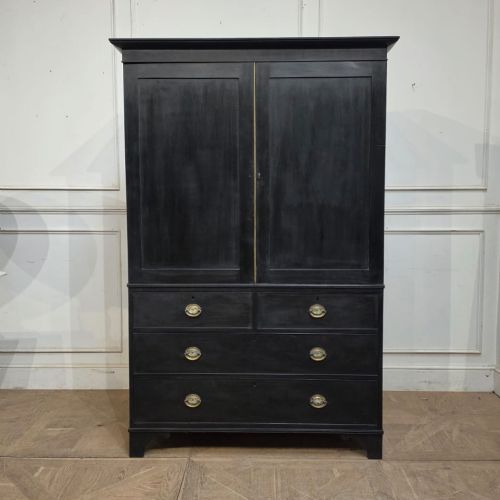
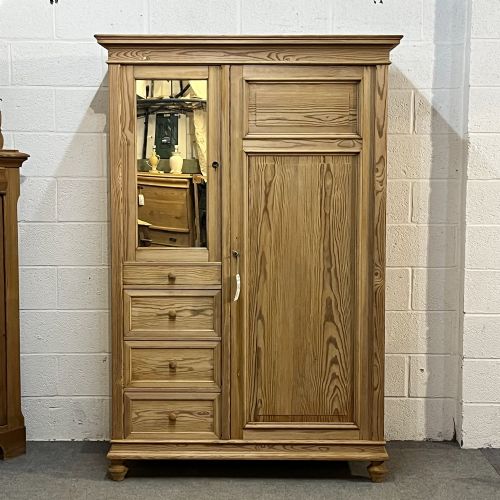
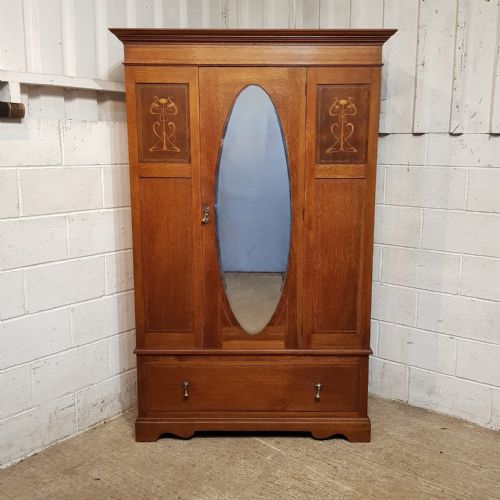
An antique clothes press with drawers provides sturdy storage, combining hanging space and deep drawers in mahogany, pine and oak.
Antique Clothes Press with Drawers
An antique clothes press with drawers brings together traditional bedroom storage in forms like wardrobes, linen presses and compactums. Pieces range from Georgian mahogany designs to Victorian and Edwardian iterations.
Buyers meet variations spanning simple pine knockdown wardrobes to large multi-door combination pieces featuring mirrored doors and internal drawers. The selection includes specific regional items and smaller single-door wardrobes.
Origins stretch across the 18th, 19th and early 20th centuries, reflecting changing domestic requirements for folding and hanging garments. Makers utilised various woods to suit both formal reception bedrooms and utilitarian spaces.
How they were made
Craftsmen built these pieces primarily from solid and veneered timbers including mahogany, pine, pitch pine, oak and satinwood. Secondary woods provided structural stability inside carcases and behind drawer linings.
Joinery techniques involved sturdy frame-and-panel construction, dovetailed drawer boxes and peg joints, alongside knockdown systems on utilitarian pine wardrobes for ease of transport. Applied decorations like blind fretwork cornices enhanced formal mahogany examples.
Hardware additions such as brass handles, iron fittings and glass mirrors completed the construction, while ebonised details or marquetry surfaced on aesthetic and arts and crafts movements pieces.
Antique Clothes Press with Drawers Retail Price Guide 2026
Typical asking prices for clothes press with drawers among the pieces listed under this phrase on Sellingantiques today, from the lower quarter to the upper quarter. They describe what is for sale here now, not the wider market.
Several pine wardrobes carry notes indicating they were built to be knocked down, proving flat-pack furniture is older than flat-pack boxes.
What varies in quality
Quality separates along the choice of timber and the precision of the cabinetmaker's hand. Dense flame mahogany and figured satinwood indicate high status, whereas utilitarian pine serves a more functional domestic role.
The sophistication of the internal configuration marks a clear tier of execution. Fitted linen presses with sliding trays and multiple internal drawers demand superior joinery compared to simple hanging spaces.
Details such as blind fretwork carving, heavy brass hardware, and well-executed decorative panels elevate certain pieces above standard vernacular furniture.
Heals·Harris Lebus·Gillows
The Antique Clothes Press with Drawers Glossary
- Compactum
- A multi-functional wardrobe combining hanging space, shelves and drawers within a single fitted carcase.
- Linen Press
- A tall piece with upper doors enclosing sliding trays or shelves above a chest of base drawers.
- Knockdown
- Furniture constructed to be dismantled into sections using wooden pegs or bolts for transport.
- Blind Fretwork
- Carved ornamentation applied to a solid background in geometric or Chinese-inspired lattice patterns.
- Aesthetic Movement
- A late 19th-century style focusing on artistic visual qualities rather than strict historical revivals.
Antique Clothes Press with Drawers: Frequently Asked Questions
What is a compactum wardrobe?
A compactum wardrobe is a comprehensive storage unit that packs multiple functions into one footprint. It typically integrates hanging space, shelving and internal drawers.
These pieces emerged to maximise bedroom storage without requiring several separate items of furniture.
How do I assemble a knockdown wardrobe?
Knockdown wardrobes use clever interlocking joints, internal bolts or wooden pins to secure the sides to the base and cornice. This modular approach allowed large furniture to move easily between rooms and houses.
Take care to align the panels correctly and tap any wooden pegs gently to avoid splitting the pine or hardwood.
How do I care for antique pine furniture?
Antique pine responds well to regular application of natural wax to nourish the wood and maintain a soft sheen. Avoid placing timber pieces near direct heat sources or strong sunlight to prevent warping.
Clean surfaces with a dry or barely damp cloth and buff gently to preserve the historic finish.