



Antique Clock Face
When you search for an antique clock face, you encounter brass dials, painted iron discs, and complete longcase fronts spanning the eighteenth to the twentieth centuries.
Antique Clock Face
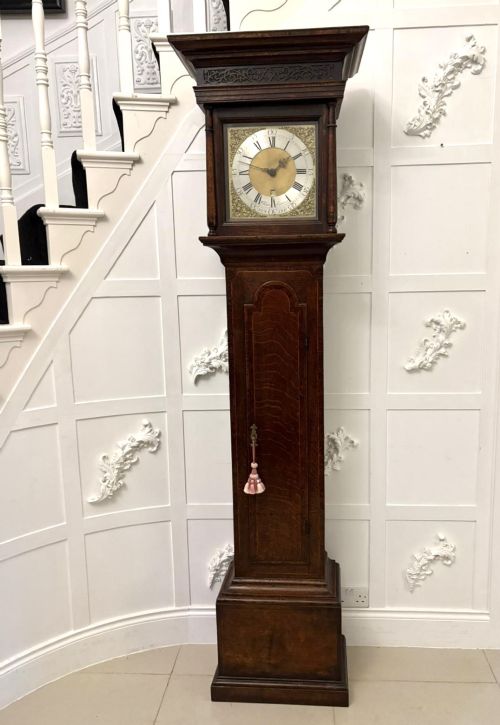
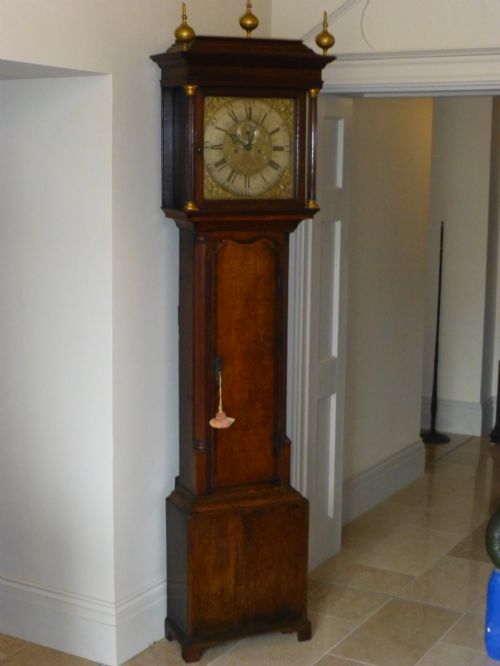
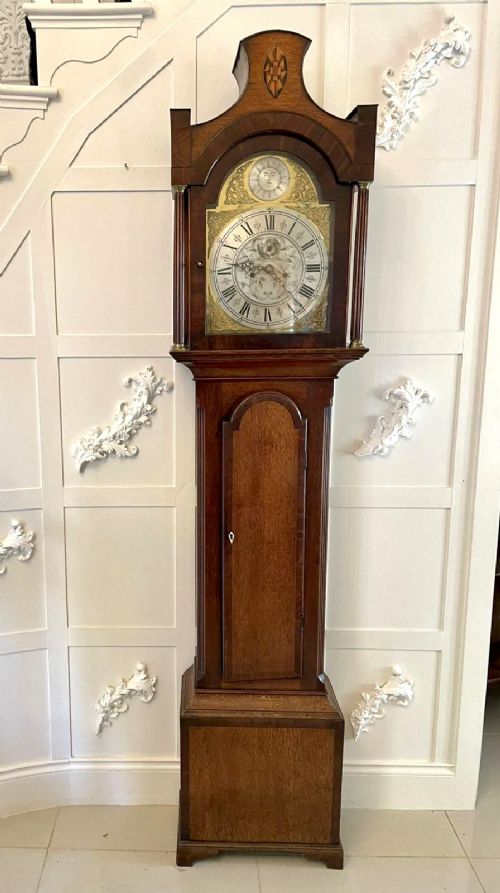
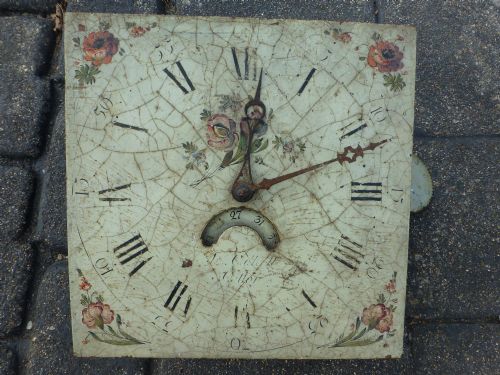
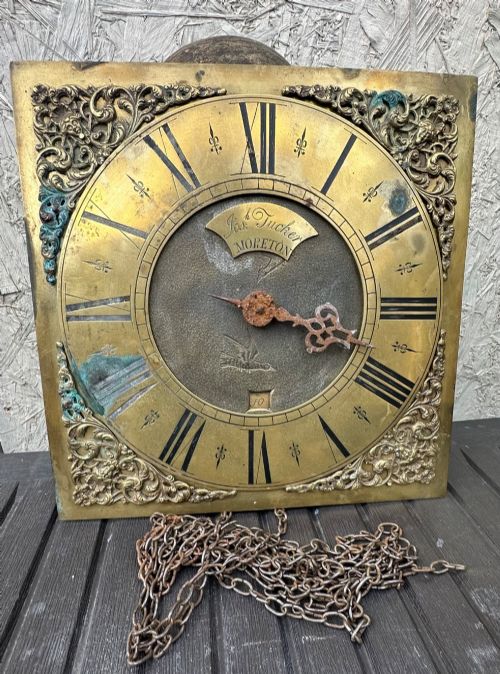
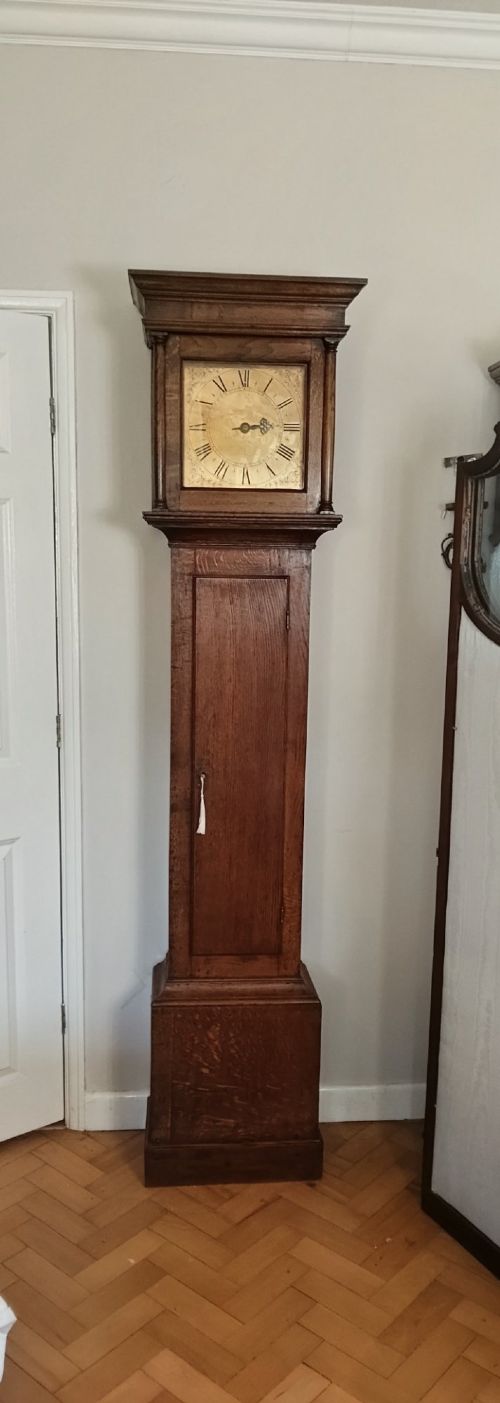
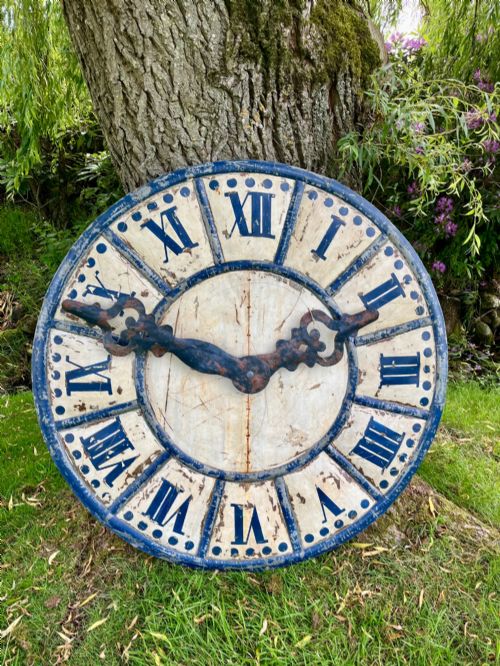
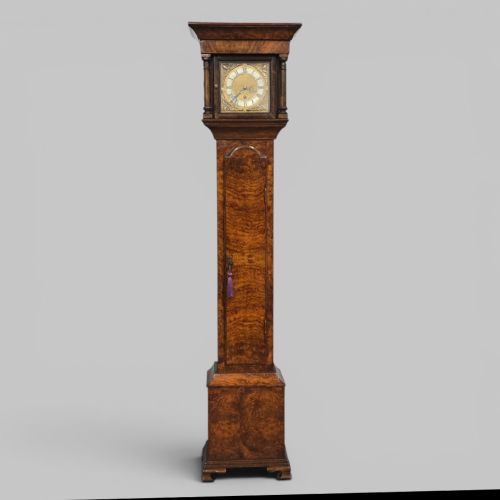
An antique clock face serves as the visible register for recording hours and minutes, presented primarily as circular brass plates or painted metal discs retrieved from longcase, wall, and turret timepieces. On this page, you are most likely to meet eighteenth-century and Georgian brass dials removed from grandfather clocks, alongside standalone painted iron faces and industrial architectural salvage.
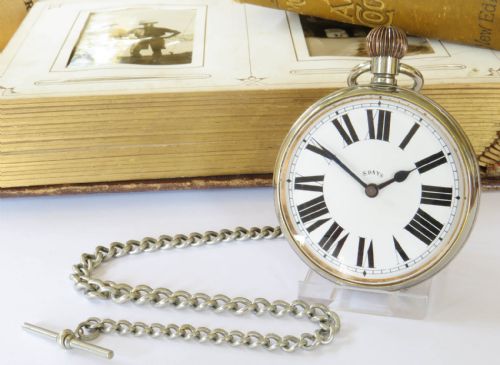
Makers mounted these components within oak, mahogany, and walnut longcases, or displayed them independently as wall-hanging decorative objects. The forms range from small pocket watch dials and domestic mantel pieces up to massive tower and advertising clock faces originating from public buildings and railway stations.
Regional variations appear across British provincial towns, where makers inscribed their names directly onto the brass arch or centre. Collectors find both complete dial-and-movement assemblies intended for restoration and isolated metal faces salvaged for interior display.
Materials and Craftsmanship
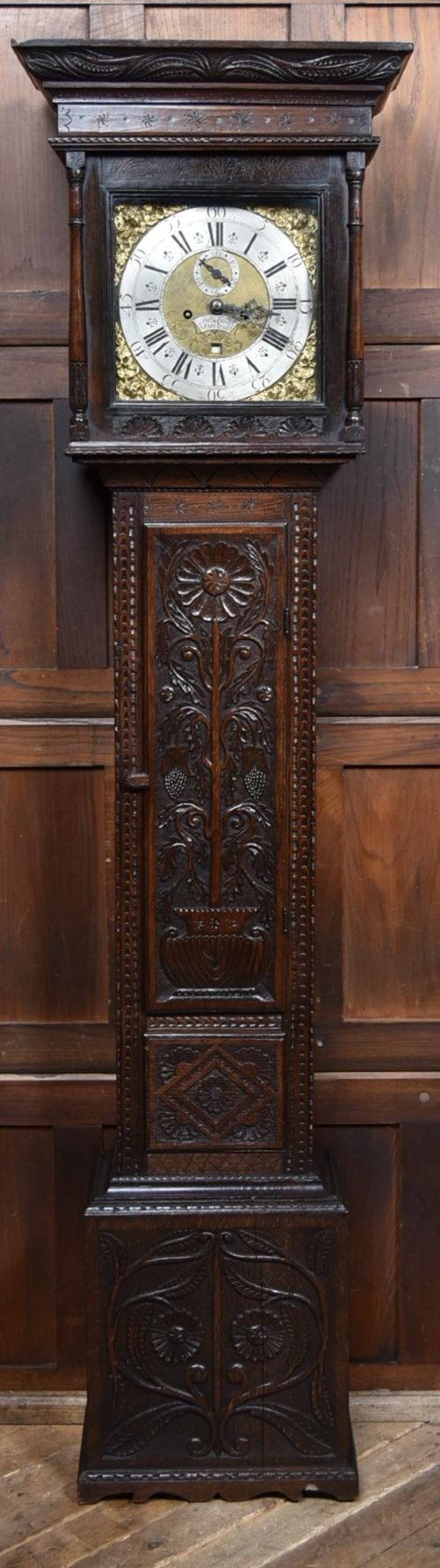
Craftsmen built these faces primarily from sheet brass or iron, shaping the metal before applying silvered brass chapter rings for the numerals. Engravers then hand-chased floral spandrels into the corners and inscribed the maker's signature and location across the dial centre.
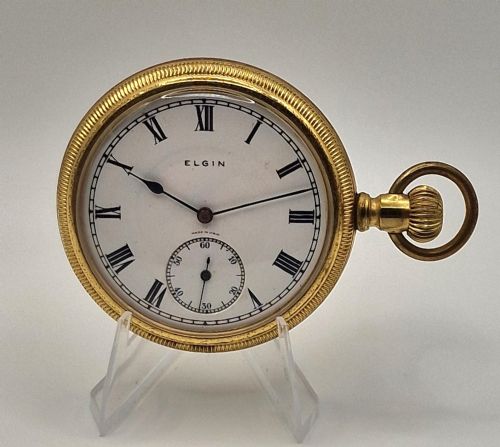
Later nineteenth and twentieth-century examples frequently utilise painted iron or heavy enamel surfaces fused to a metal base, often featuring bold black Roman or Arabic numerals designed for distance legibility. Architectural and exterior variants incorporate robust iron frames, glass covers, and copper bezels to withstand outdoor exposure.
Listings feature brass, glass, oak, mahogany, enamel, steel, iron, and paint across longcase, mantel, and wall clock configurations.
Distinctions in Quality
The standard of engraving dictates the upper tier of brass faces, where deep, crisp hand-cutting in the spandrels and chapter rings separates bespoke workshop output from mass-produced castings. Finer examples retain their original fire-gilding or silvering on the brass surfaces rather than showing modern re-plating.
Proportion and legibility govern painted dials, with superior pieces displaying finely balanced lettering, delicate hand-painted floral motifs, and intact original paint without heavy repainting. The presence of signed maker details from established regional clockmakers adds historical depth that elevates a piece above anonymous utility.
Jn° Smith Macclesfd·Smith of Chester·Joseph Gibson Ecclefechan·William Betagh Dublin·David Morice Auchtermuchty·Samuel Young Nantwich·Benjamin Reeves Lamberhurst·George Rice Rudgely·Newman of Norwich·Hugh Lough Penrith·Lepaute Paris·Joyce Whitchurch
The Antique Clock Face Glossary
- Spandrel
- The decorative corner piece set outside the chapter ring on a square or arched dial. These cast brass ornaments evolved from cherubs in the seventeenth century to rococo scrolls and neoclassical urns by the Georgian period.
- Chapter ring
- The circular band fixed to the face that bears the hour and minute numerals. It is traditionally made of silvered brass to contrast against the yellow brass ground of the dial centre.
- Arch
- The semi-circular top section added above the square chapter ring on later eighteenth-century clocks. This space frequently houses a lunar moonphase mechanism or the maker's signature.
- Goliath
- A descriptive term for oversized pocket watches produced around nineteen hundred. They were commonly fitted into leather travel cases or dedicated desk stands.
- Turret clock
- A large clock designed for public buildings, churches, or stables. Their massive metal dials were built to be viewed from a distance across courtyards or town squares.
Antique Clock Face: Frequently Asked Questions
What is an antique clock face made from?
These faces are constructed primarily from sheet brass, cast brass, painted iron, and occasionally heavy enamel over metal. Wooden backing boards or mahogany surrounds also support the dial assemblies on longcase clocks.
Exterior and architectural variants incorporate robust iron frames, copper bezels, and protective glass panels designed to endure exposure to the elements.
How do I identify the date of a clock face?
Dating relies on stylistic shifts in the spandrels, the shape of the dial corners, and the font used for the numerals. Square brass dials without arches typically point to the early or mid-eighteenth century, while arched tops and painted iron surfaces emerged later in the Georgian period.
The inclusion of a maker's name allows for cross-referencing against regional trade records to narrow down the decade of production.
Can I hang a heavy metal dial on a wall?
Mounting a heavy brass or iron face requires secure fixings directly into wall studs or masonry rather than relying on standard picture hooks. The substantial weight of cast metal and integrated movements demands professional weight-bearing brackets.
Standalone painted dials often feature original mounting feet or rear fixing loops designed specifically for secure wall display.
What is the difference between a longcase dial and a wall clock dial?
Longcase dials were engineered to interface with weight-driven internal movements housed inside tall wooden enclosures, often including subsidiary seconds dials and calendar apertures. Wall clock faces are typically shallower and designed for compact spring-driven mechanisms or direct attachment to a backplate.
Turret and exterior dials scale up these domestic forms into massive iron structures meant for public viewing.