
Antique Clear Glassware
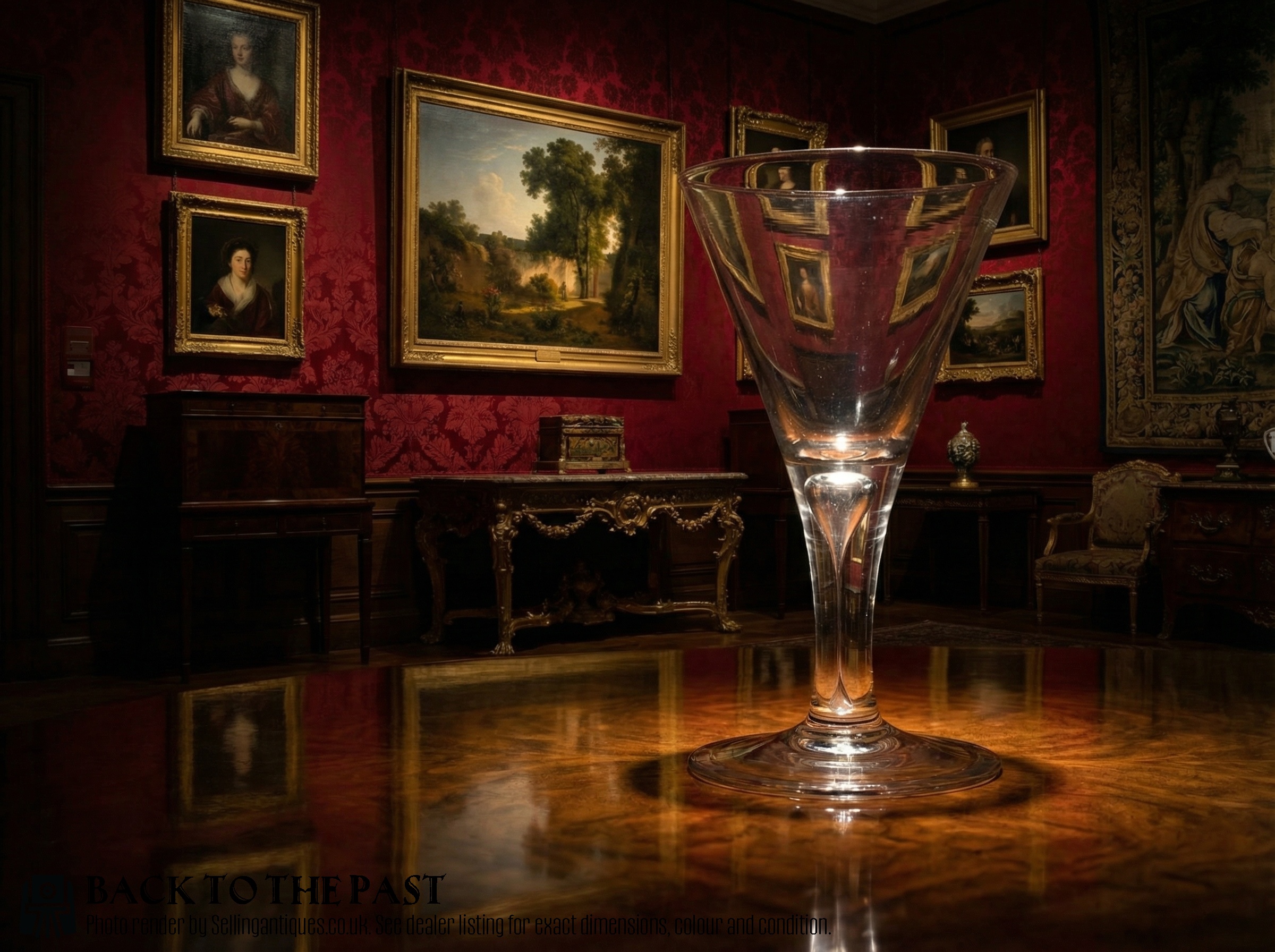
Antique clear glassware brings bright, refractive transparency to the table through centuries of blown and moulded vessels.
Antique Clear Glassware
Antique clear glassware comprises drinking vessels, decanters, jugs, bowls and vases produced primarily across the eighteenth, nineteenth and early twentieth centuries. These transparent items range from simple domestic tumblers to elaborate lead crystal table services designed for dining and display.
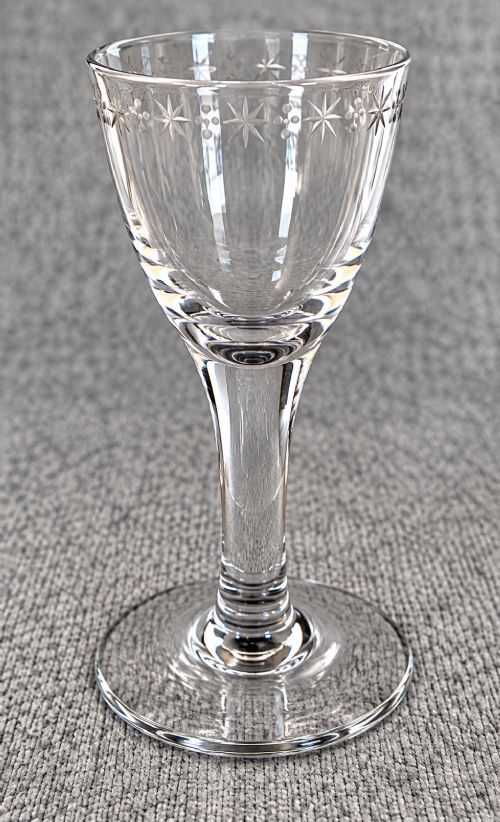
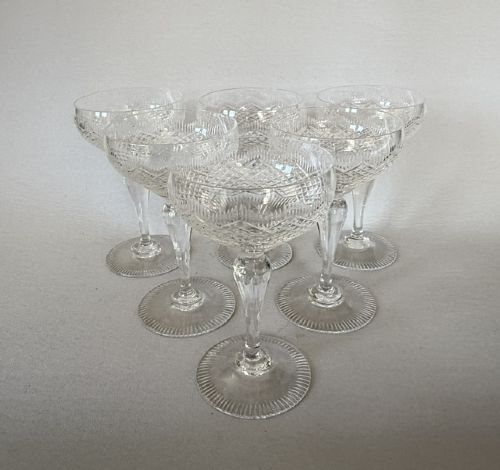
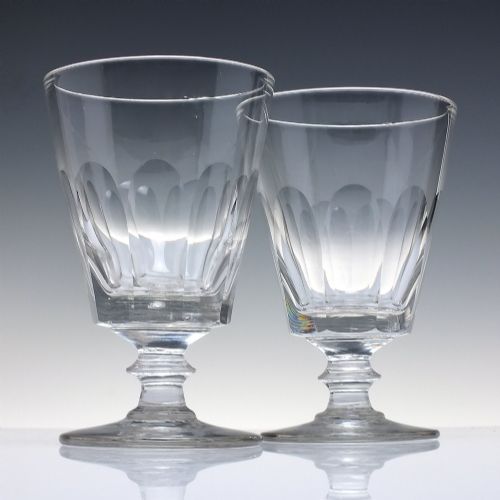
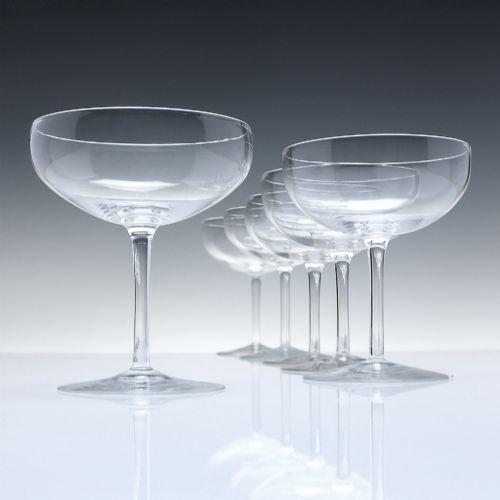
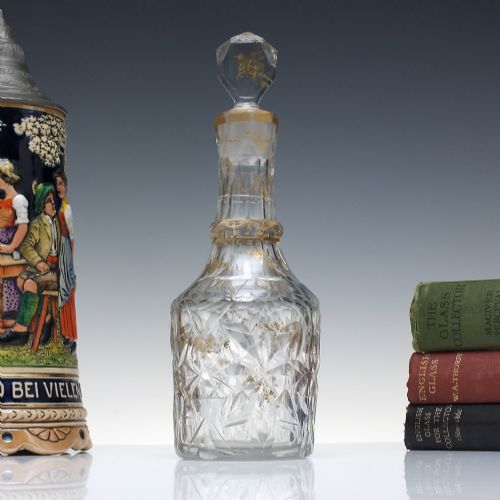
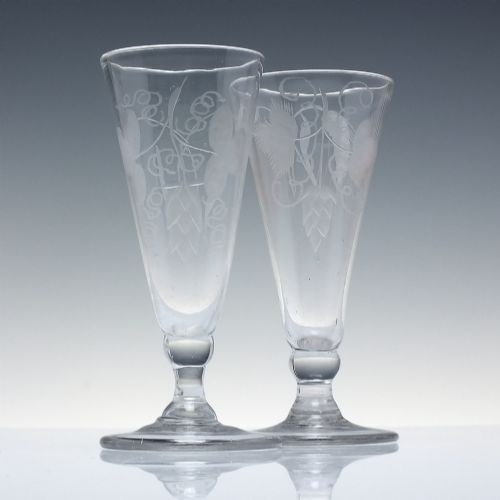
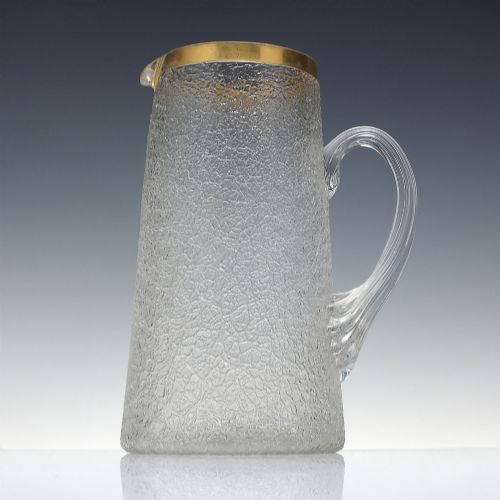
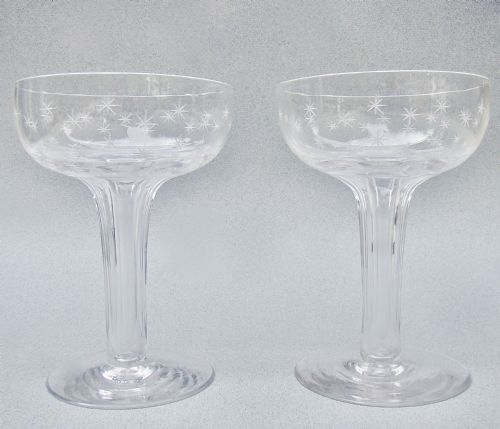
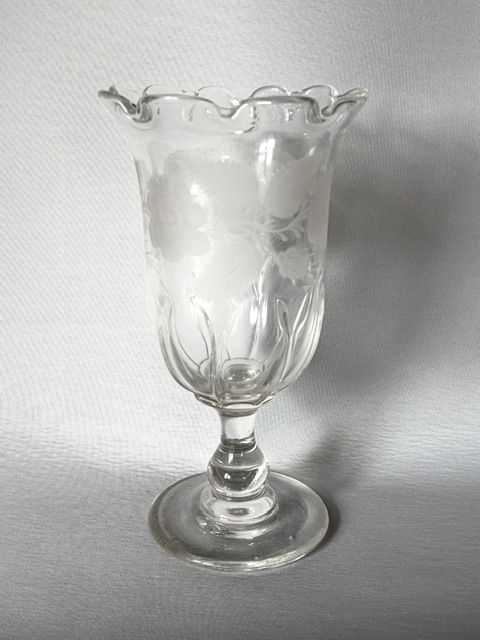
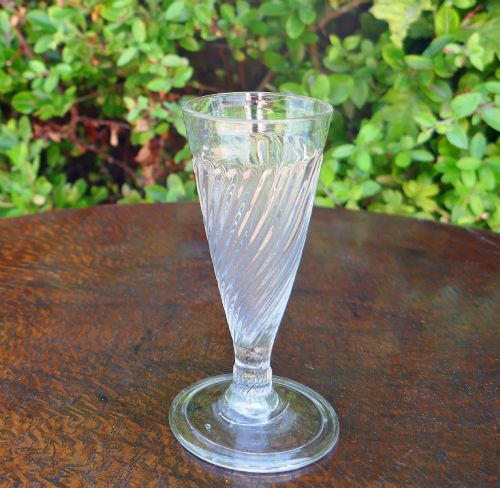
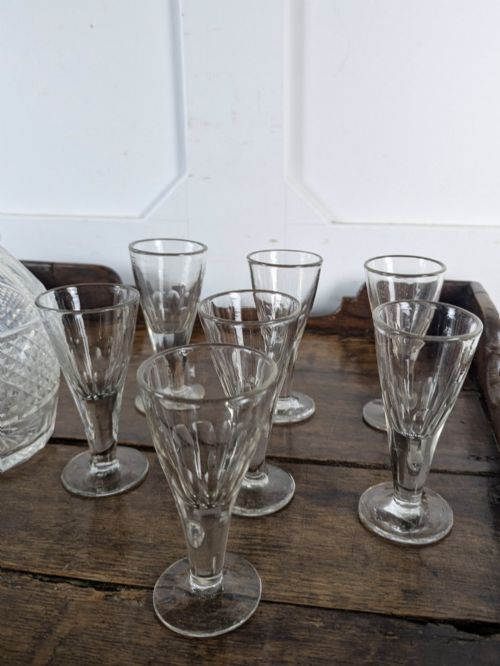
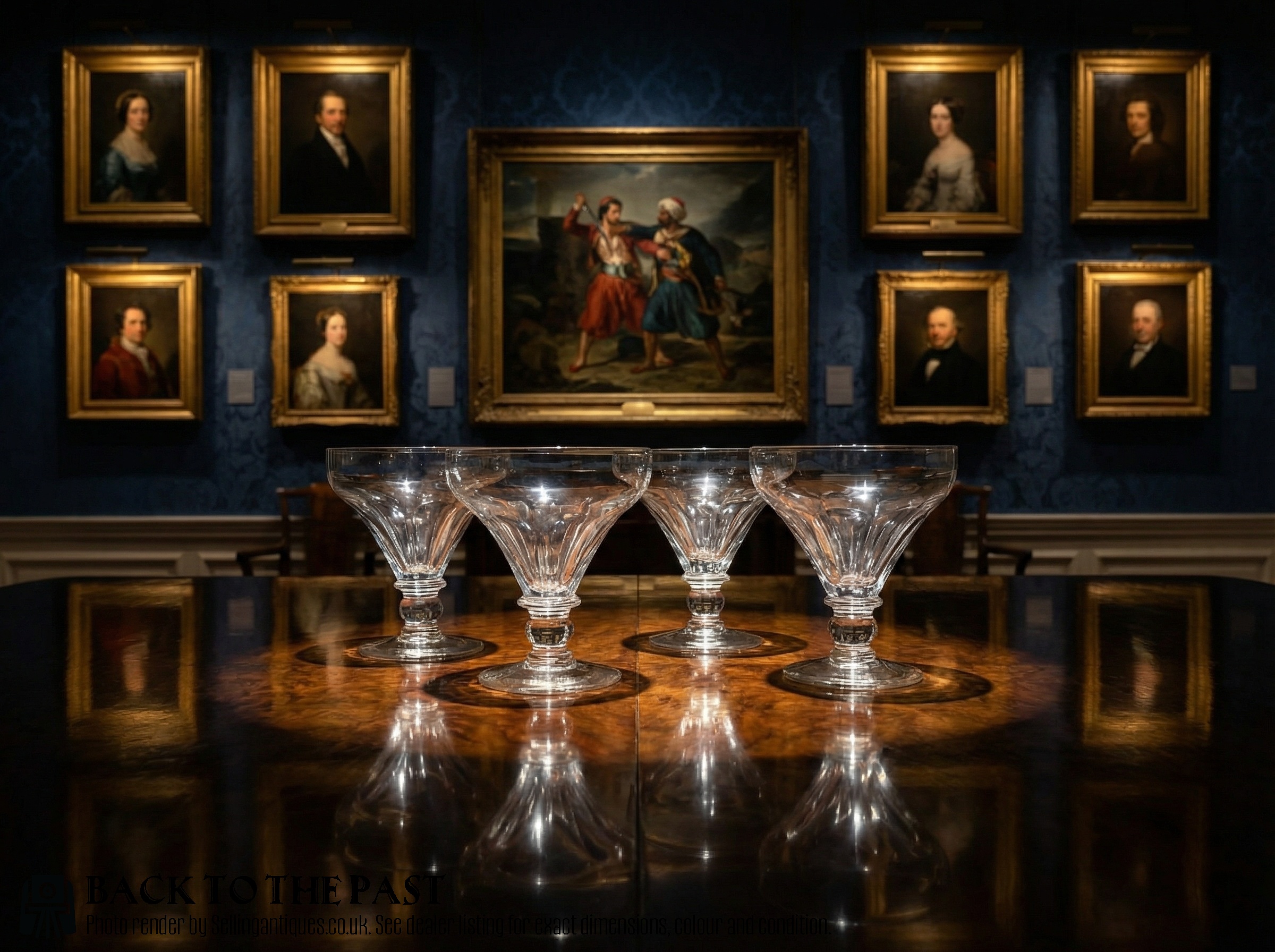
The most common forms found in antique clear glassware include drinking glasses, rummers, decanters and champagne coupes spanning Georgian, Victorian and Edwardian periods. Pieces often feature engraved, cut or etched decoration that catches the ambient light on a dining table or sideboard.
How they were made
Glassmakers shaped molten lead glass, flint glass or crystal by hand using blowing irons, wooden blocks and pontil rods, leaving characteristic scars on the bases of earlier items. Artisans utilised lead oxide in the batch to increase weight, brilliance and softness for subsequent cutting.
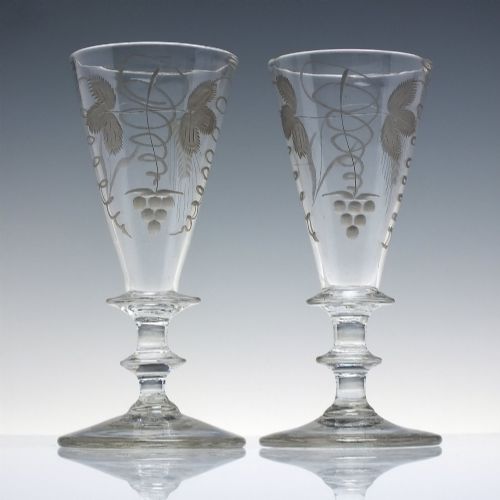
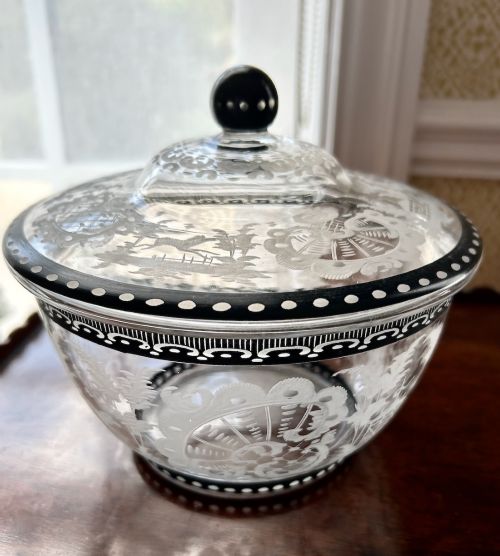
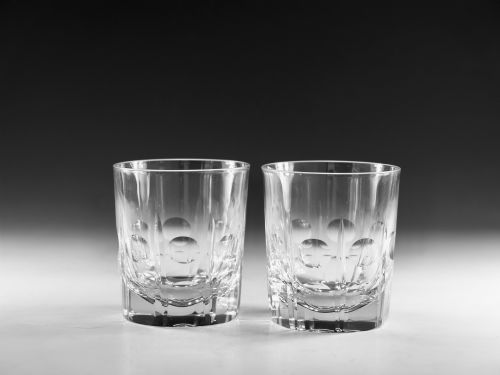
Decoration relied on skilled hand-cutting with abrasive wheels, wheel-engraving, acid-etching and surface gilding. Master craftsmen applied facets, flutes, thumb-cuts and intricate floral or heraldic motifs directly to the polished transparent body.
Antique Clear Glassware Retail Price Guide 2026
Typical asking prices for clear glassware among the pieces listed under this phrase on Sellingantiques today, from the lower quarter to the upper quarter. They describe what is for sale here now, not the wider market.
Some nineteenth-century rummers are so heavy they could double as small paperweights after the ale ran dry.
What varies in quality
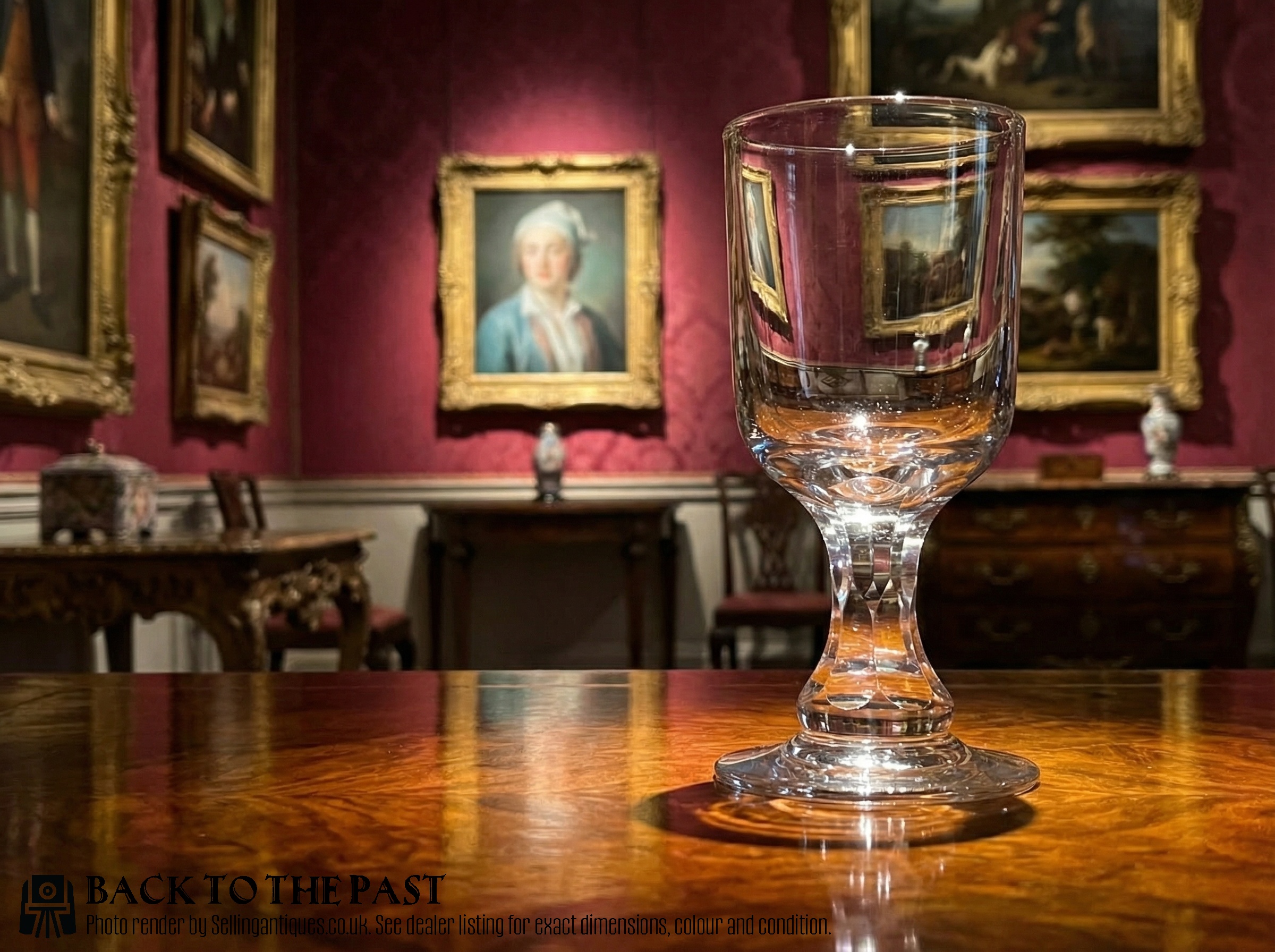
Quality in antique clear glassware depends upon the clarity of the metal, the crispness of the cutting and the weight of the lead crystal. Superior vessels display a resonant ring when struck lightly and show deep, sharply defined facets without surface ripples or grey cloudiness in the material.
Design balance and proportion separate standard domestic wares from exceptional studio or workshop output. Finer examples exhibit precise symmetry, careful placement of engraved details and harmonious proportions between bowl, stem and foot.
Stevens and Williams·R Lalique·James Giles
The Antique Clear Glassware Glossary
- Lead glass
- Glass containing lead oxide, which increases the weight, refractive index and brilliance of the vessel while making the material softer for wheel-cutting.
- Rummer
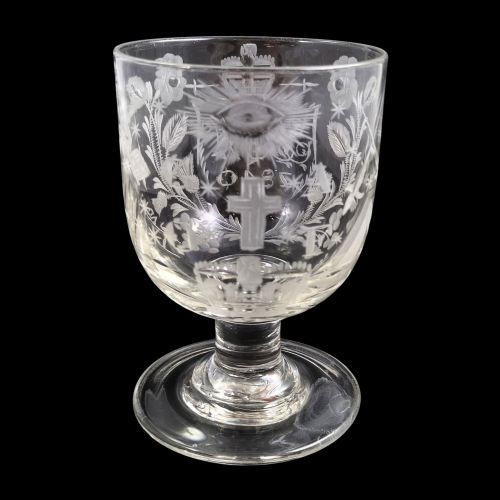
- A large, heavy-bowled drinking glass popular in the late eighteenth and nineteenth centuries, typically used for ale, cider or wine.
- Firing glass
- A small, sturdy drinking glass with a remarkably thick foot base, designed to be banged safely on wooden tavern tables during toasts.
- Pontil mark
- The rough, circular scar left on the underside of a vessel where the iron rod was snapped off after blowing and shaping.
- Thumb-cut
- A concave indentation ground into the exterior surface of a glass by a wheel cutter to provide a secure grip and reflect light.
Antique Clear Glassware: Frequently Asked Questions
Can I use antique clear glassware every day?
Many sturdy Victorian and Edwardian drinking glasses, tumblers and decanters suit regular modern use. Hand-washing remains essential to preserve any surface gilding or delicate acid-etched details.
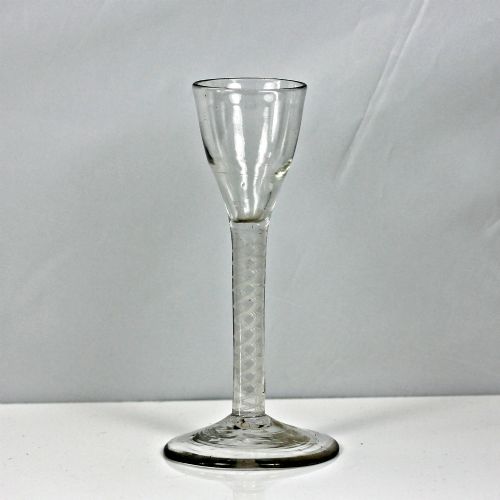
Fragile eighteenth-century wine glasses with delicate air twist or opaque twist stems require more careful handling. Reserve lighter stemware for special occasions rather than daily dining.
How do I date antique clear glassware?
Examine the base of the vessel for a polished or rough pontil mark, which often indicates older Georgian or Victorian manufacturing methods. Tool marks, weight, and the chemical composition of the lead glass also offer clues to the period of production.
Stylistic indicators such as Regency facet cutting, Victorian star-etching or Art Deco geometric forms help narrow down the decade. Matching the vessel type to known decorative movements provides further chronological context.
What is the difference between glass and crystal?
Crystal traditionally contains a significant percentage of lead oxide, which gives the material greater weight, density and light-refracting properties than standard soda-lime glass. This heavier lead composition allows artisans to cut deeper, sharper facets into the surface.
Standard clear glass remains lighter and was more commonly utilised for everyday utilitarian vessels throughout the eighteenth and nineteenth centuries. Both materials appear frequently across antique tabletop collections.