



Antique Classical Painting
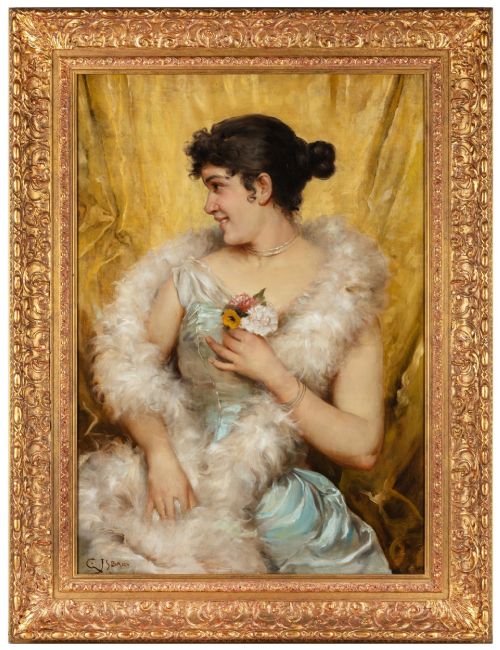
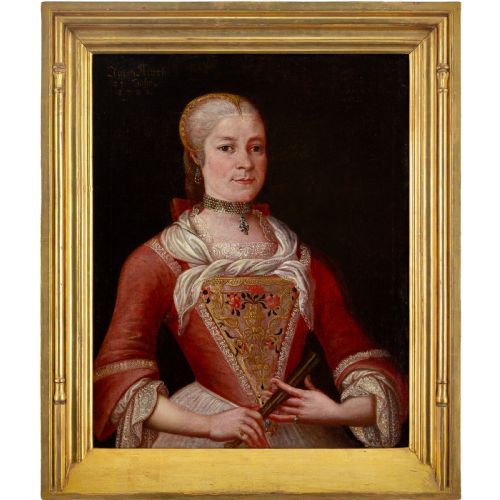
When you examine an antique classical painting, you engage with centuries of European artistic tradition, portraiture, and mythology preserved on canvas, panel, and paper.
Antique Classical Painting
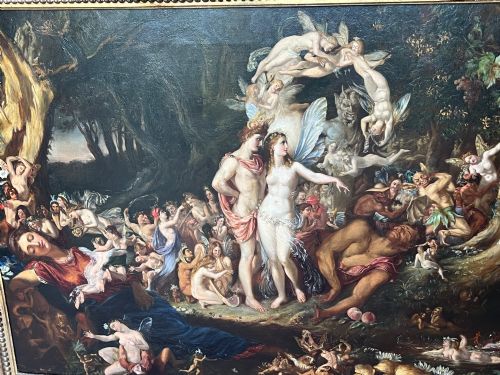
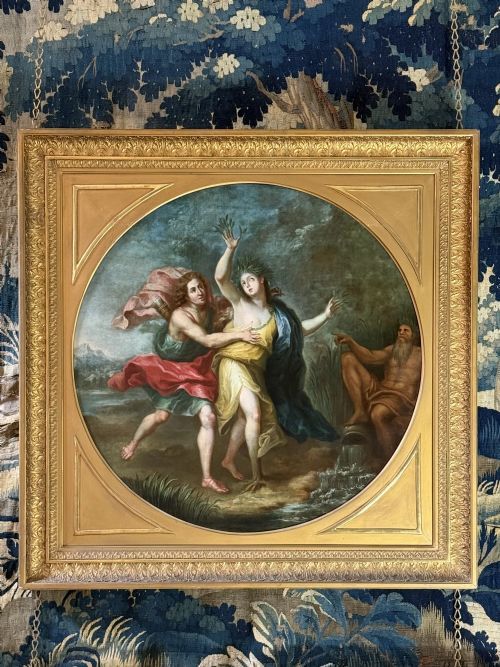
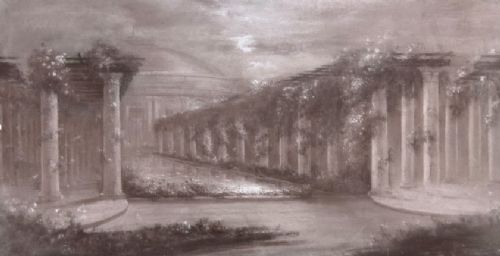
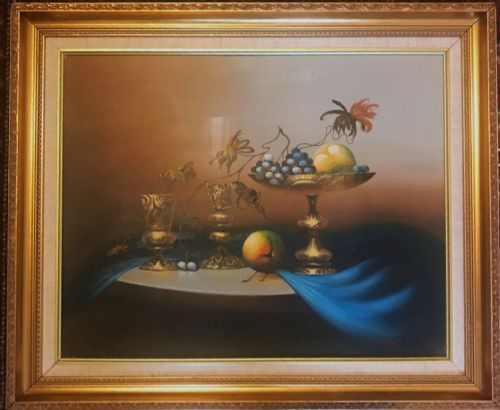
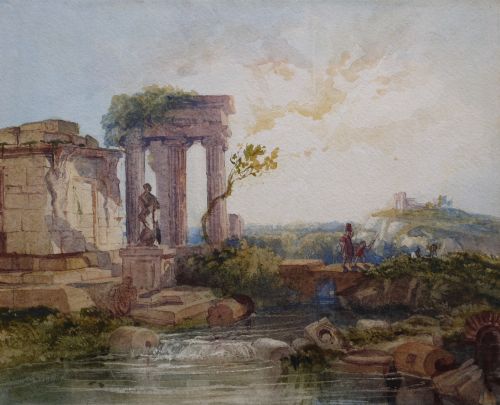
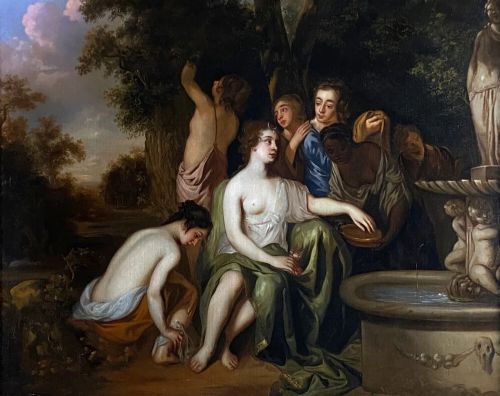
An antique classical painting comprises oils on canvas or panel, watercolours, and pastels originating primarily from the seventeenth through the nineteenth centuries, alongside later revivals. The subjects span mythological narratives, pastoral landscapes with Roman ruins, portraits of nobility, and still-life compositions.
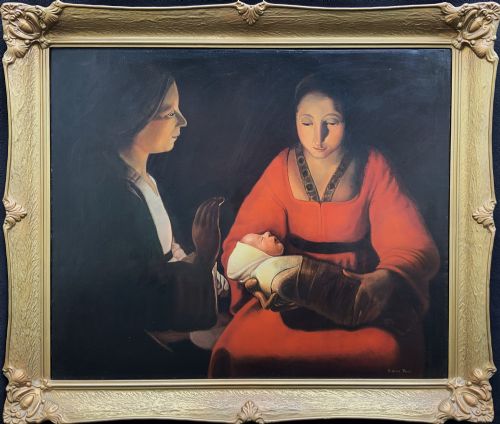
The prevailing examples met on this page range from seventeenth-century Dutch school works and eighteenth-century mythological pairs to nineteenth-century watercolours and later copies after masters such as Sir Joshua Reynolds or Leonardo da Vinci.
Factors That Distinguish Quality
Quality rests upon the execution of the brushwork, the depth of perspective in landscape scenes, and the anatomical accuracy in figurative portraits and mythological depictions.
The integrity of the original support, the subtlety of the colour palette, and the matching quality of the period or style-appropriate frame elevate an individual piece within the range.
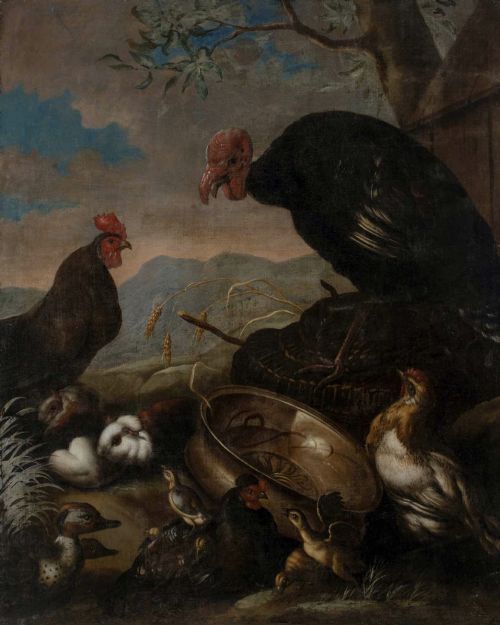
Animals make unexpected appearances, from aristocratic fowl roaming castle ruins to Dutch floral still lifes sheltering busy insects.
Charles-Antoine Coypel·Sir Peter Lely·Pierre Mignard·Pieter Borsseler·Benedetto Luti
The Antique Classical Painting Glossary
- Oil on Canvas
- Pigment mixed with a drying oil, typically linseed, applied to stretched woven fabric. This medium allowed artists to achieve rich tonal gradations and durability.
- Neoclassical
- A Western cultural movement drawing on the art of classical antiquity. It manifests in balanced compositions, architectural ruins, and themes from Greek and Roman history.
- Giltwood
- Wood that has been coated with a thin layer of gold leaf or gold powder. It provides reflective, ornamental framing for significant canvases.
- Provenance
- The chronological documentation of a piece's ownership and origin. It establishes authenticity and historical continuity for works attributed to specific artists or schools.
- Capriccio
- An architectural fantasy combining buildings, archaeological ruins, and other architectural elements in a fictitious and pleasing arrangement.
Antique Classical Painting: Frequently Asked Questions
What defines a classical subject in these paintings?
Subjects typically draw upon Greek and Roman mythology, historical narratives, or idealized landscapes featuring classical architectural ruins. Figures are often draped in classical attire within theatrical or pastoral settings.
These compositions reflect the academic training of European art schools that privileged antiquity as the highest standard of visual culture.
How can I distinguish an original period piece from a later copy?
Examination of the canvas weave, stretcher frames, pigment ageing, and craquelure patterns helps determine the chronological age of the physical materials. Signatures, inscriptions, and historical labels on the reverse provide further clues.
Many listings also feature works described as after established masters, which represent period or subsequent student studies rather than primary autographs.
Where were these paintings displayed originally?
Such works hung in the reception rooms, galleries, and libraries of European country houses, town residences, and institutional collections. They served as markers of classical education and refined taste.
Grand Tour travellers frequently acquired them abroad to display their cultural engagement upon returning home.
How do I care for an antique canvas painting?
Maintain stable indoor humidity and temperature levels away from direct sunlight and heat sources to prevent the canvas from sagging or the oil paint from cracking. Dust the surface gently with a soft, dry brush without applying pressure.
Professional conservation should be sought for any structural repairs, cleaning, or varnishing requirements.