


Antique Cider Vessel
An antique cider vessel brings tactile warmth to a room, offering robust copper, oak and earthenware forms designed for pouring country drinks.
Antique Cider Vessel
When you search for an antique cider vessel, you encounter utilitarian serving pieces built for communal drinking, farmhouse hospitality and tavern service. These drinking and pouring implements span multiple centuries, reflecting the domestic and social drinking customs of Georgian and Victorian England.
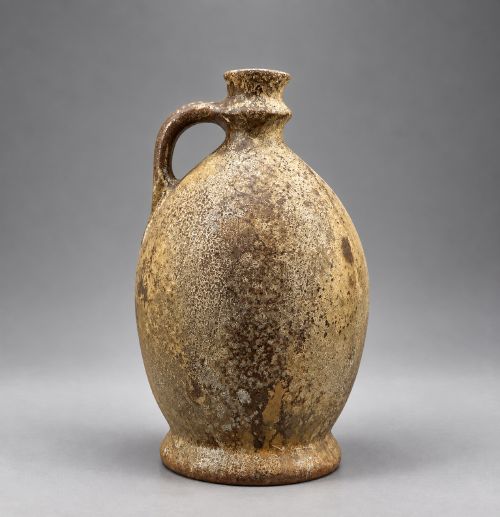
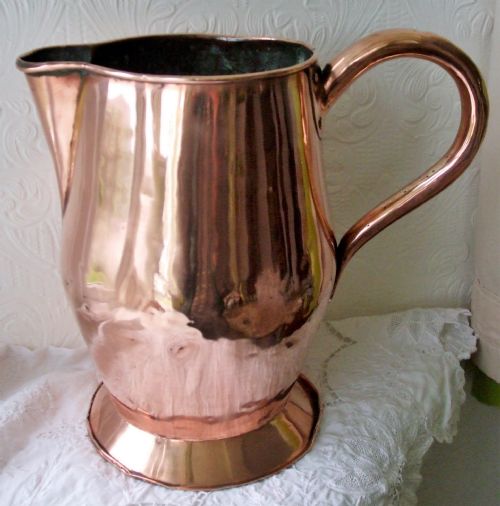
The selection here draws primarily upon heavy copper flagons, coopered oak and brass jugs, salt-glazed stoneware and slipware tavern vessels. You will frequently find large capacity copper measures and sturdy wooden tankards alongside finer porcelain and glass variants.
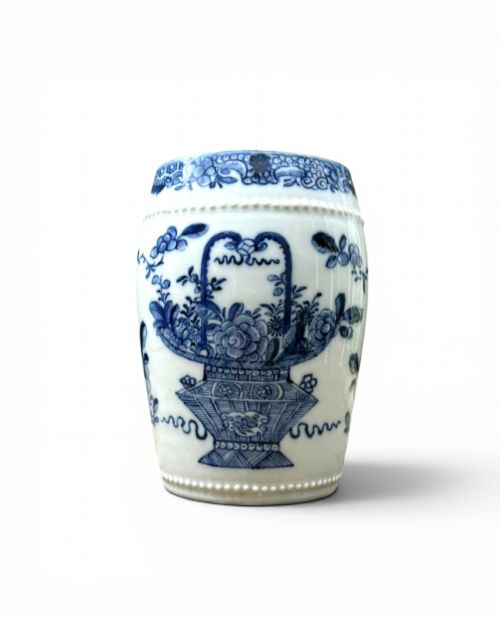
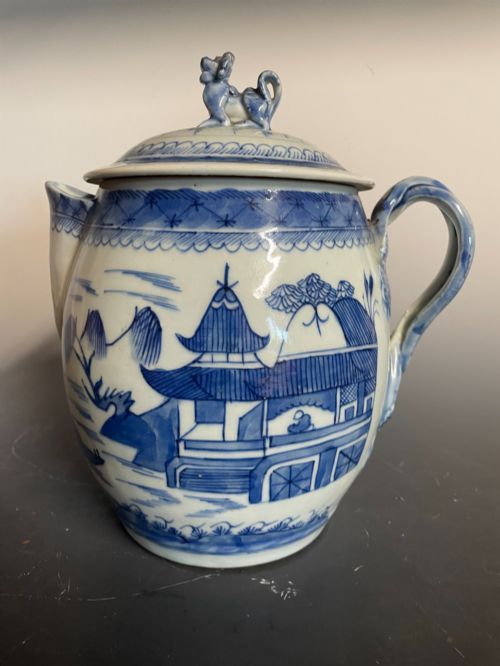
Origins stretch from English workshops to continental Europe and Chinese export kilns, encompassing periods from the seventeenth century through to the Edwardian era. Each piece retains the physical imprint of historical brewing, storage and hospitality traditions.
Materials and construction
Metal vessels rely upon hand-beaten copper and brass sheets joined with structural rivets, alongside heavier cast mounts and silver plating. Coopered oak examples utilise tight wooden staves bound with brass bands, echoing the construction methods of traditional cask-making.
Ceramic pieces combine thrown earthenware, salt-glazed stoneware and refined porcelain bodies finished with specialised glazes and sprigged relief decorations. Glassware relies on lead crystal blowing and hand engraving to ornament rummers and decanters with botanical motifs.
Listings feature copper, brass, oak, earthenware, porcelain and lead crystal across periods spanning the seventeenth to the early twentieth century.
Distinctions in quality
Quality rests upon structural integrity, wall thickness of the metal and the fidelity of the original hand-hammered or coopered construction. Superior copper pieces display clean internal seams, substantial weight and crisp capacity stamps or maker marks.
For ceramic and wooden vessels, excellence lies in the preservation of the glaze, the tightness of the stave joints and the sharpness of applied sprigged ornamentation. Pieces produced for institutional tavern use or exhibition standards exhibit heavier gauges and more resolved proportions than everyday utility items.
Doulton Lambeth·Loftus of Oxford Street London·S Hancock
The Antique Cider Vessel Glossary
- Flagon
- A large drinking vessel with a handle and often a lid, designed for serving ale, cider or beer at communal tables. These metal or ceramic pieces frequently incorporate capacity marks.
- Coopered
- Constructed from curved wooden staves held together by tightly fitted metal hoops or bands, following traditional barrel-making techniques. This method provides robust structural integrity for large liquid containers.
- Slipware
- Earthenware pottery decorated with a liquid clay mixture applied before firing to create contrasting surface patterns. This technique produces tactile, rustic tavern jugs.
- Rummer
- A heavy, short-stemmed drinking glass popular during the Georgian period for consuming spirits, punch or heavy ales. They often feature wheel-engraved hop and barley motifs.
- Sprigged
- Decorated with separately moulded clay reliefs applied to the unfired body of a ceramic vessel before glazing and firing. This technique creates crisp decorative detailing on stoneware jugs.
Antique Cider Vessel: Frequently Asked Questions
What distinguishes an antique cider vessel from a beer jug?
Many large metal and ceramic pouring vessels served multiple fermented drinks interchangeably within taverns and domestic households. Form and capacity governed utility rather than strict beverage categorisation.
Evidence shows large copper measures, oak staved flagons and stoneware jugs handling various ales, beers and ciders depending on regional preference and volume required.
How do I date a copper cider vessel?
Dating relies upon examining construction methods, handle attachments, rivet styles and official capacity stamps or assay marks. Hand-beaten seams and early touchmarks indicate eighteenth-century production.
Later Victorian and Edwardian examples often feature heavier machine rolling, standardised imperial capacity stamps and alternative brass mounting details.
Were these vessels used daily?
Most copper, oak and stoneware pieces saw active service in communal spaces, inns, farmhouses and benefit clubs where large volumes of liquid were consumed. Their durable construction ensured they could withstand regular handling and heavy lifting.
Finer porcelain and glass items were reserved for more formal indoor dining and parlour service rather than rugged tavern use.
How should I display an antique cider vessel?
Their substantial weight and warm metallic or earthy tones make them well suited for placement on open shelving, sideboards or kitchen dressers. Pairing different materials like copper and coopered oak creates visual contrast.
Ensure wooden vessels are kept away from direct heat sources to prevent the staves from drying out and separating.