



Antique Chrome Light
An antique chrome light brings functional industrial brilliance and geometric glamour to modern interiors.
Antique Chrome Light
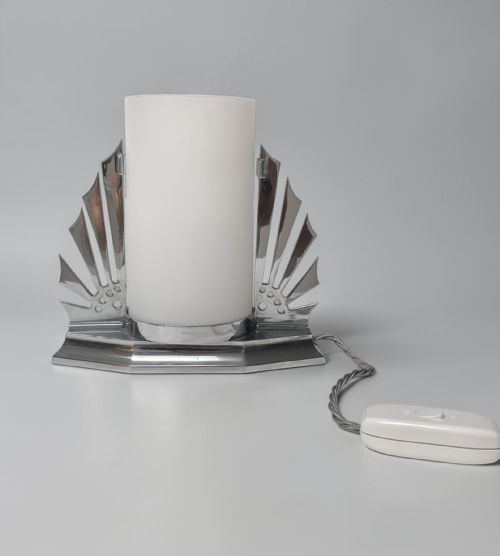
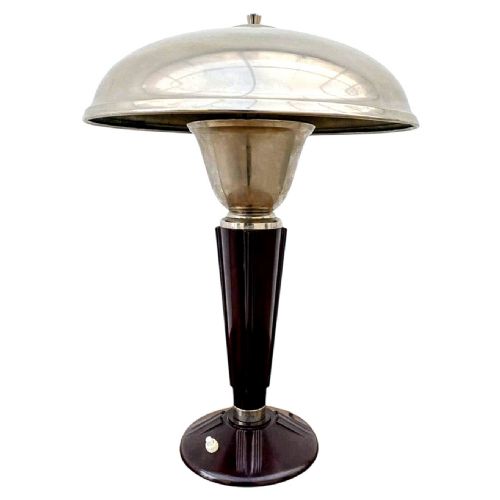
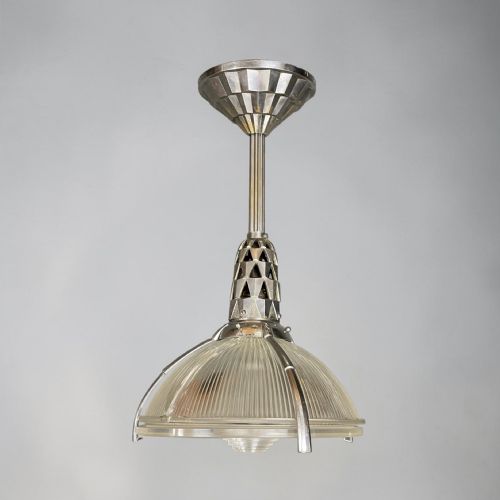
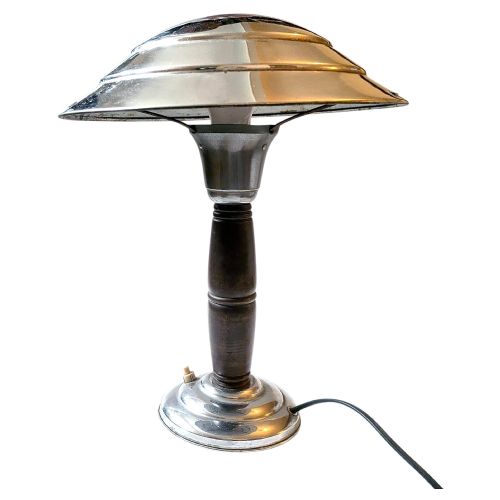
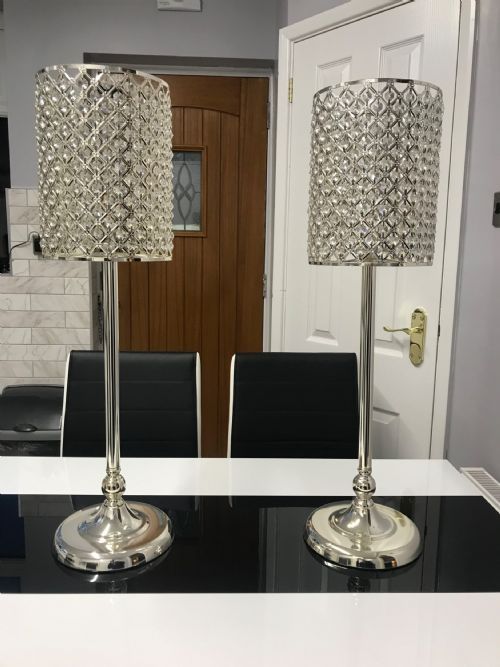
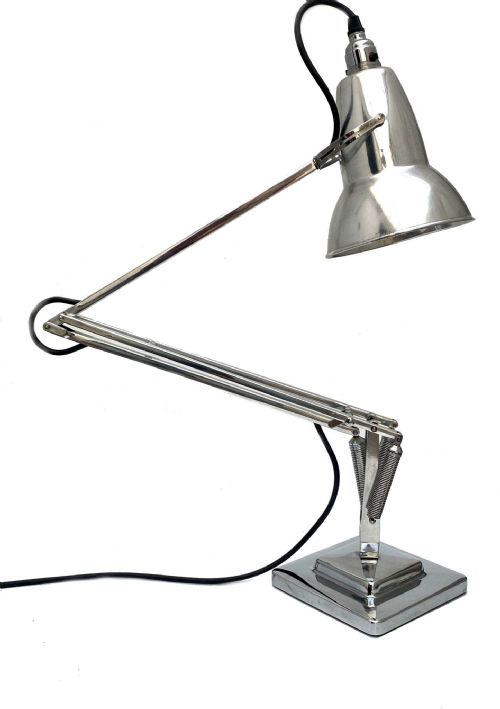
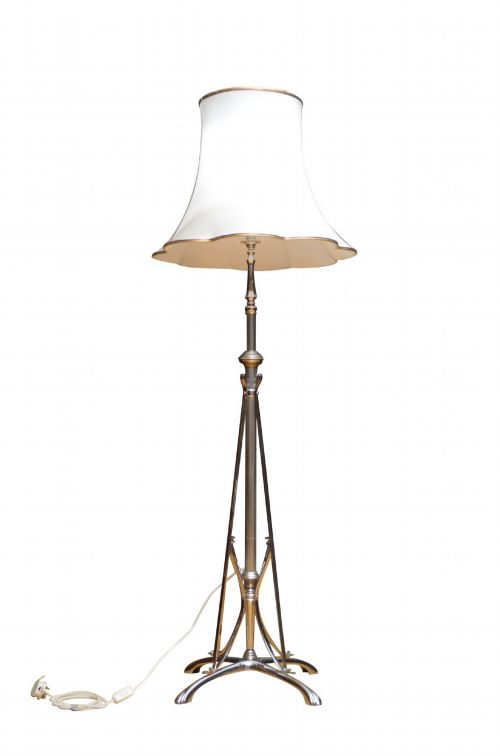
The inventory centres on practical configurations including table lamps, desk lamps, wall sconces, floor standards, and ceiling pendants. Many examples demonstrate French and British design origins, often combining polished metallic surfaces with contrasting glass components.
Wall lights and matching pairs of sconces appear frequently alongside adjustable desk lamps and hanging chandeliers. These fixtures reflect the architectural trends of the interwar period, prioritising clean metallic lines and geometric profiles.
Assessing craftsmanship
Superior examples distinguish themselves through the precision of their mechanical adjustments and the weight of their cast metal components. High-grade desk and floor lamps feature robust joints and weighted bases that maintain stability during movement.
The refinement of the glassware marks a significant tier in manufacturing standards. Finely pressed satin glass, thick opaline shades, and hand-cut crystal details elevate a fixture beyond standard commercial production.
Design attribution to known workshops or prominent designers creates a clear hierarchy in the market. Pieces retaining original matching elements, such as paired wall sconces or specific maker-marked components, demonstrate higher integrity.
Listings feature extensive examples from the 1920s and 1930s, alongside Edwardian designs executed in chrome, glass, brass, and Bakelite.
Eileen Grey·Émile-Jacques Ruhlmann·Pirouette
The Antique Chrome Light Glossary
- Bakelite
- An early form of synthetic thermosetting plastic frequently used for electrical components, lamp bases, and decorative turns. It provides a dense, durable structure with a characteristic tactile weight.
- Opaline glass
- A type of semi-translucent milky glass used for lamp shades to diffuse light evenly across a room. It appears frequently in pendant and wall configurations.
- Satin glass
- Glass treated with hydrofluoric acid to create a smooth, velvety matte finish rather than a high gloss. This technique softens the glare of internal bulbs.
- Uplighter
- A lighting fixture designed to cast illumination upward toward the ceiling rather than downward. It serves to bounce ambient light back into the space.
- Catalin
- A cast phenolic resin known for its rich, vibrant colour options and translucent depth. Makers utilised it extensively for decorative lamp bodies during the interwar period.
Antique Chrome Light: Frequently Asked Questions
How do I identify an Art Deco light?
Art Deco lighting is characterised by geometric shapes, stepped forms, and symmetrical designs that reflect 1920s and 1930s modernisation.
Look for combinations of polished chrome and moulded glass that emphasise vertical lines and machine-age aesthetics.
Are these lamps safe for daily use?
Many period fixtures survive with their original metalwork and glass intact, though internal wiring often requires modern replacement to meet current safety standards.
Consult a qualified electrician to update internal components while preserving the historic exterior shell.
What is the difference between opaline and frosted glass?
Opaline glass is an opaque, milky material manufactured by adding bone ash or metal oxides to the melt, producing a soft, diffused glow.
Frosted glass achieves its translucent quality through physical or chemical surface abrasion, creating a granular texture.