




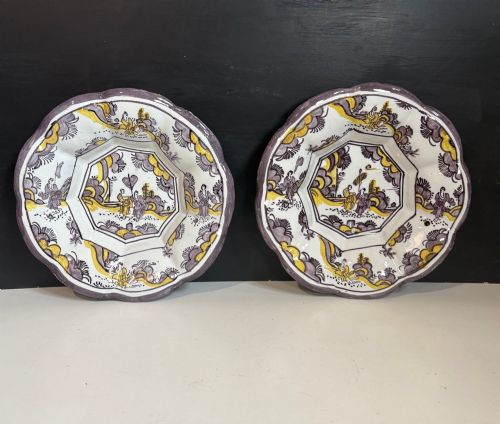
Antique Chinoiserie Pottery
Antique chinoiserie pottery brings together European craftsmanship and Asian design traditions through decorative plates, chargers, and vases created for domestic display.
Antique Chinoiserie Pottery
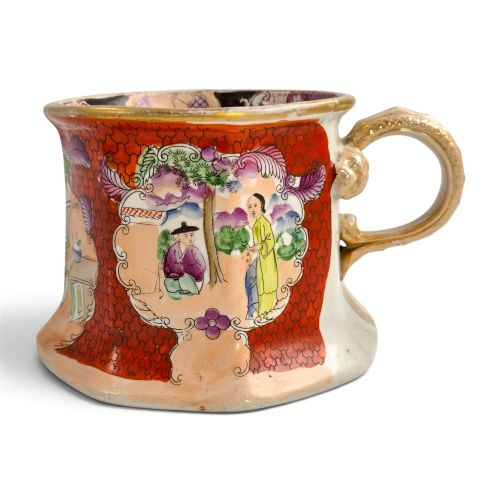
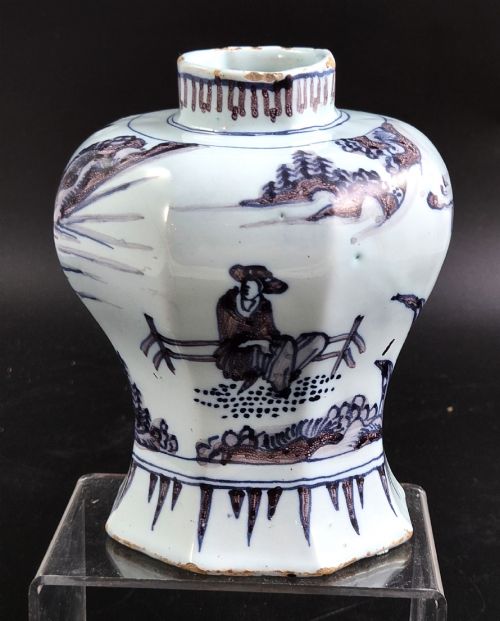
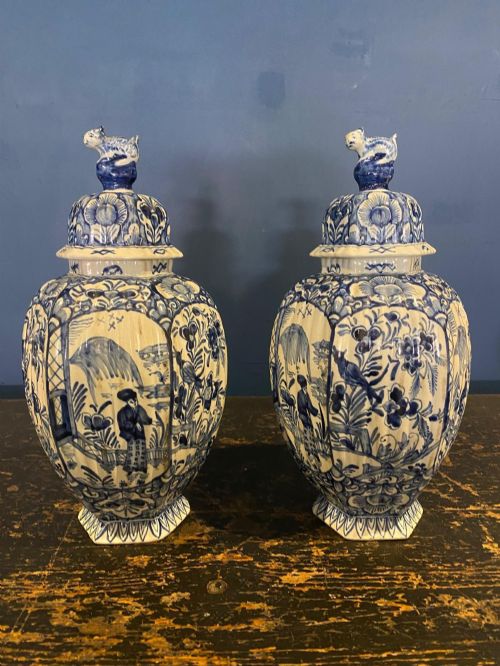
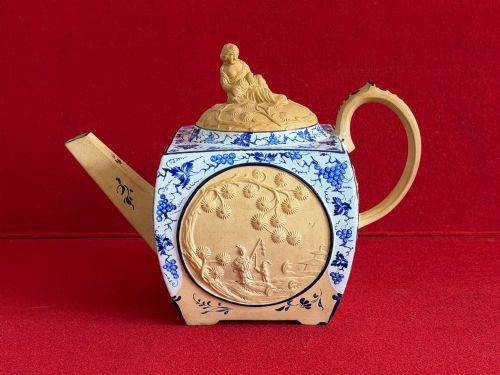
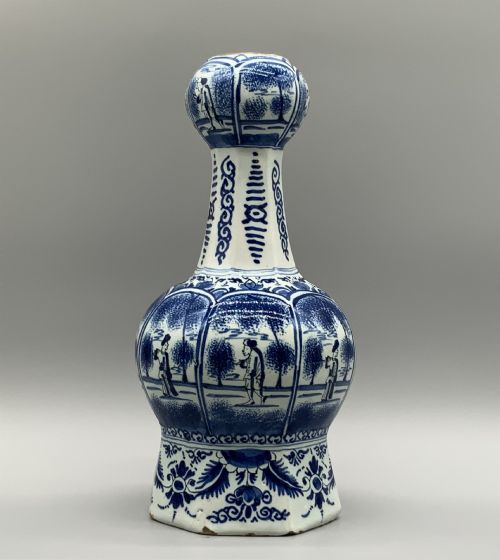
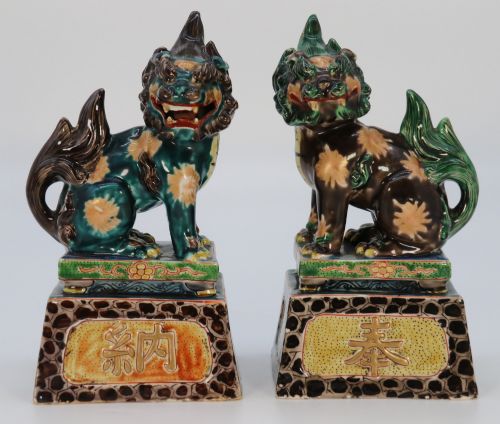
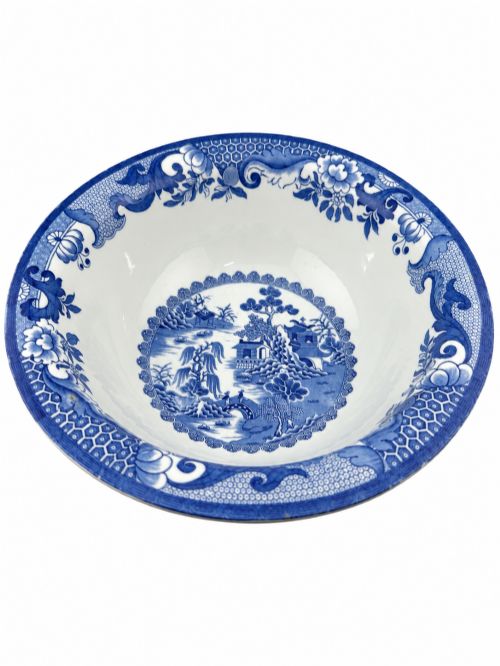
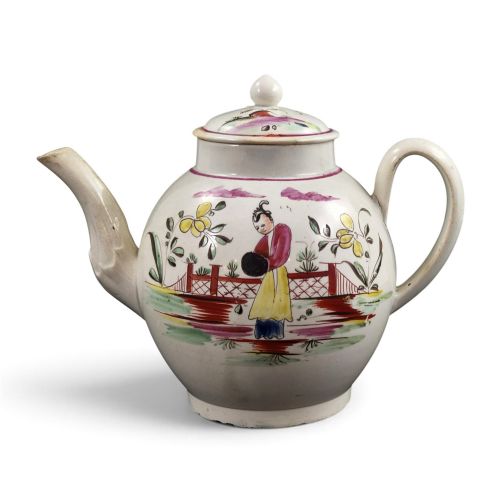
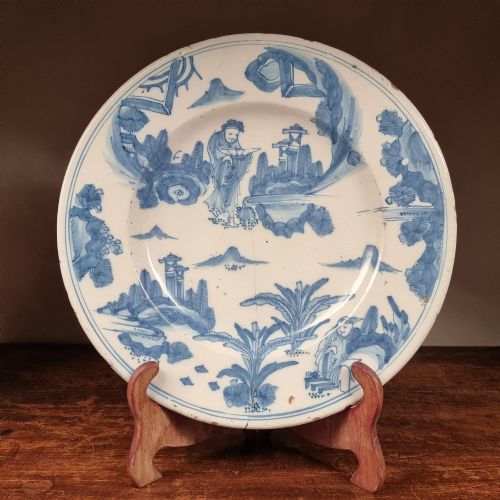
These pieces encompass earthenware, tin-glazed pottery, and porcelain originating from periods spanning the seventeenth to the twentieth centuries. The selection on this page relies heavily on English and Dutch delftware, creamware, ironstone, and transferware produced for European markets.
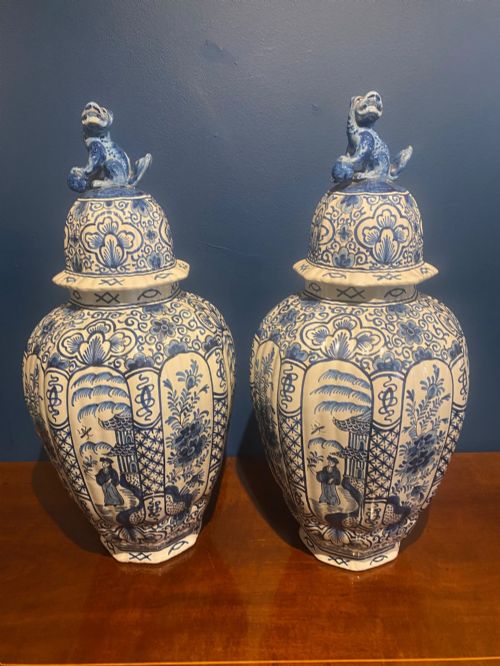
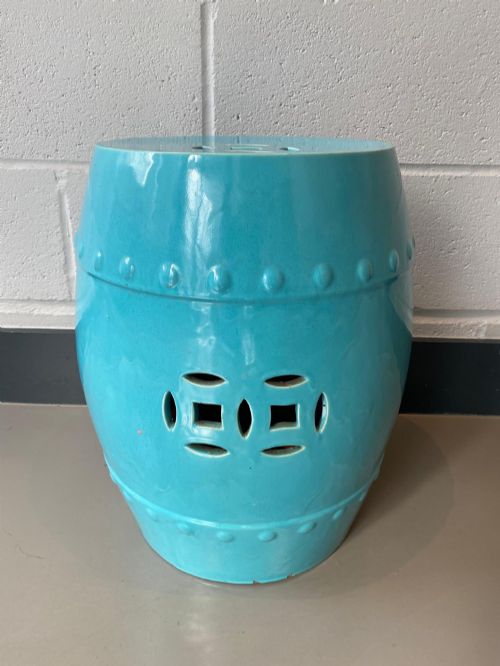
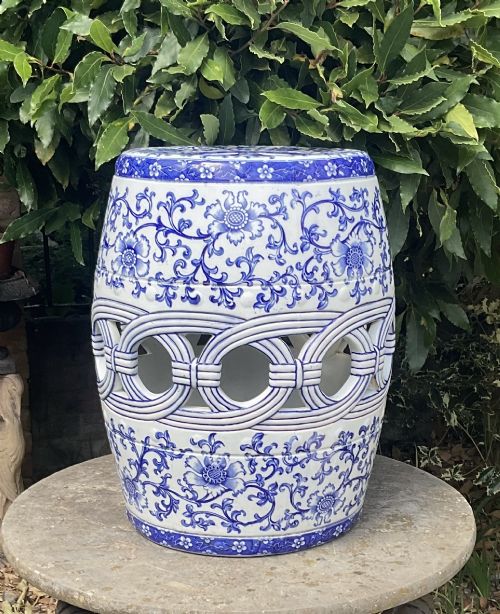
Forms range from large decorative chargers and dishes to garden seats, table lamps, and lidded vases. Domestic spaces often accommodate these items to introduce traditional Oriental scenes rendered in blue and white or polychrome palettes.
Buyers encounter eighteenth-century delft chargers alongside nineteenth-century ironstone platters and Victorian transferware. Each object reflects European interpretations of Chinese and Japanese motifs, from pagoda landscapes to exotic bird patterns.
Materials and Methods
Potters shaped earthenware and stoneware bodies before applying tin glazes or porcelain slips to create smooth surfaces for decoration. Cobalt pigment and enamel colours provided the foundation for hand-painted oriental scenes and transfer-printed designs.
High-temperature kilns set the glazes, binding the metallic oxides to the ceramic base. Ironstone formulations offered increased durability, allowing for heavy chargers, footed bowls, and garden seats that sustained everyday utility.
Makers utilised copperplate transfer printing alongside freehand brushwork to apply complex patterns such as Canton River views and pagoda landscapes. Subsequent glazing protected the pigment from wear over centuries of domestic handling.
Antique Chinoiserie Pottery Retail Price Guide 2026
Typical asking prices for chinoiserie pottery among the pieces listed under this phrase on Sellingantiques today, from the lower quarter to the upper quarter. They describe what is for sale here now, not the wider market.
Listings span seventeenth-century delftware to twentieth-century porcelain, utilising earthenware, tin glaze, and cobalt pigment.
Assessing Craftsmanship
The clarity of the hand-painted brushwork or the crispness of the transfer print dictates the visual impact of each piece. Superior examples display precise cobalt pigment control and well-defined oriental motifs without bleeding or pooling in the glaze.
The complexity of the ceramic form, such as pierced rims on serving platters or multifaceted bodies on jugs, separates standard production from ambitious studio work. Glaze coverage and the absence of firing warping further distinguish finer vessels.
Minton·Robert Hamilton·John Ridgway·Mason·Carlton Ware
The Antique Chinoiserie Pottery Glossary
- Delftware
- Tin-glazed earthenware produced in England and the Netherlands, typically featuring a white opaque surface painted with blue designs. This technique mimics imported Chinese porcelain.
- Transferware
- Ceramic decorated by transferring a printed design from an engraved copper plate onto tissue paper and then onto the unglazed or biscuity ware. It allowed for intricate pictorial scenes to be replicated consistently.
- Ironstone
- A patented ceramic body developed in early nineteenth-century England to provide a tough, vitreous alternative to porcelain. It takes heavy enamel colours and transfer prints effectively.
- Charger
- A large decorative plate or dish intended for display on a sideboard or wall rather than for serving food at the table. These pieces often showcase the most elaborate painted chinoiserie scenes.
- Polychrome
- Decoration employing multiple colours rather than a single pigment like blue and white. In antique pottery, this typically involves hand-applied enamels over a tin glaze.
Antique Chinoiserie Pottery: Frequently Asked Questions
What is antique chinoiserie pottery?
These items are European ceramics decorated with European interpretations of Chinese and Japanese artistic styles. Potters across England and the Netherlands produced plates, vases, and chargers featuring oriental landscapes and motifs.
Production spans from the seventeenth-century delftware workshops to nineteenth-century ironstone factories. Each piece reflects how European makers adapted Eastern aesthetics for domestic interiors.
How were these pieces used?
Many large chargers and decorative plates were intended for display on walls or sideboards to exhibit wealth and refined taste. Vases, garden seats, and umbrella stands served as functional furnishings in grand reception rooms.
Tableware such as serving platters, soup ladles, and tureens saw active service during formal nineteenth-century dining. Over time, items like vases and bottles frequently transitioned into decorative lamps.
How do I care for antique pottery?
Gentle dusting with a soft, dry cloth protects the delicate glazes and hand-painted surfaces from unnecessary friction. Water should be kept away from antique earthenware bodies to prevent moisture absorption through crazed glazes.
Display environments benefit from stable temperatures away from direct sunlight to preserve enamel pigments. Rewired lamps require professional electrical checks to ensure safety during daily use.
How are different periods identified?
Seventeenth and eighteenth-century pieces typically feature tin-glazed earthenware bodies with hand-painted blue and white or polychrome brushwork. The weight, glaze opacity, and potting characteristics help differentiate early delft from later Victorian wares.
Nineteenth-century items often incorporate ironstone bodies, maker marks, and transfer-printed patterns like Canton River scenes. Stylistic shifts between Georgian restraint and Victorian exuberance provide further chronological markers.