
Antique Chinoiserie Cabinet
An antique chinoiserie cabinet brings painted lacquer scenes and gilded detail into a room, offering both storage and historical character.
Forms and periods
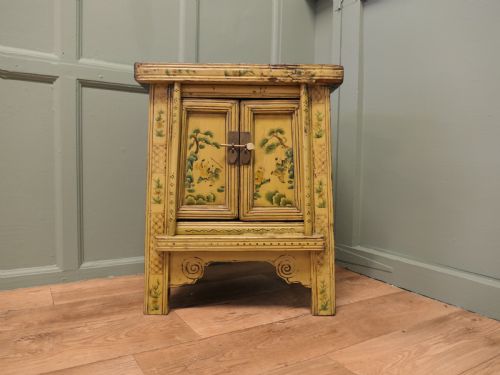
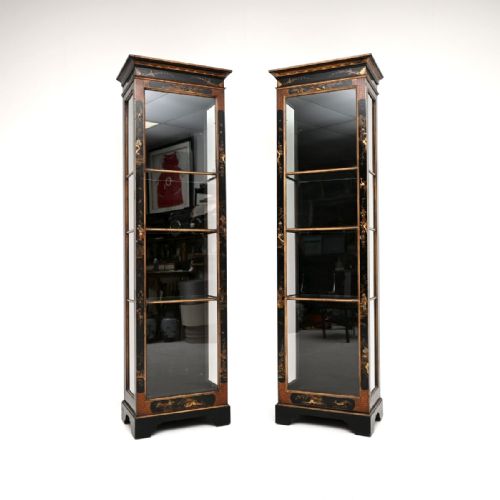
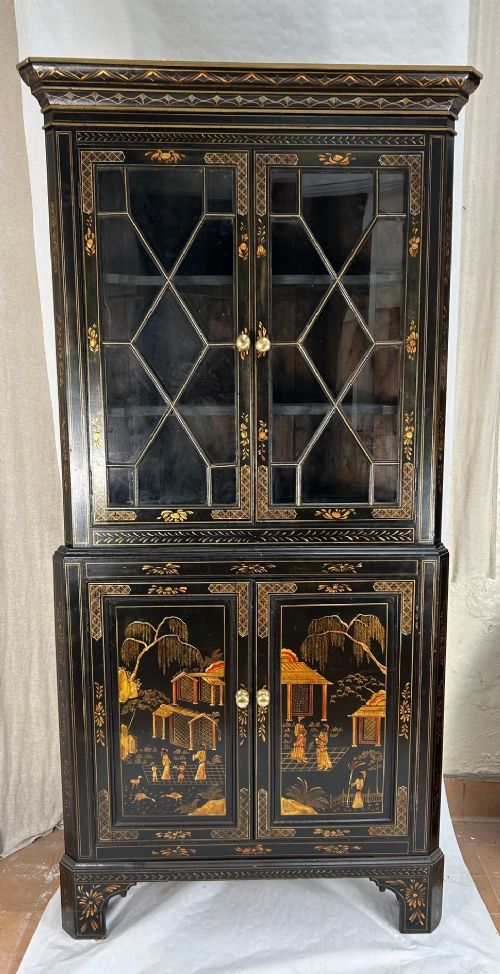
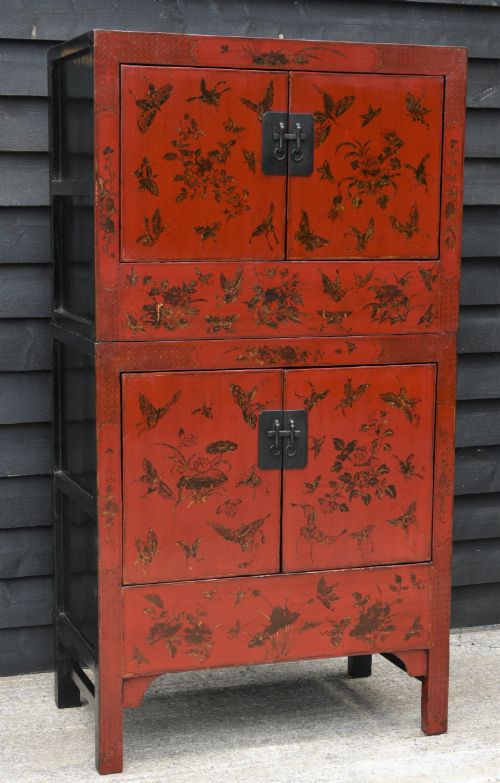
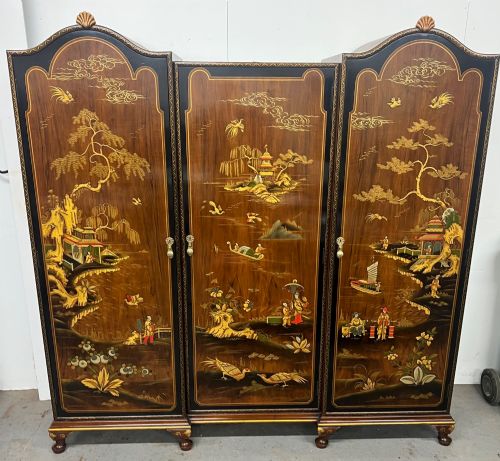
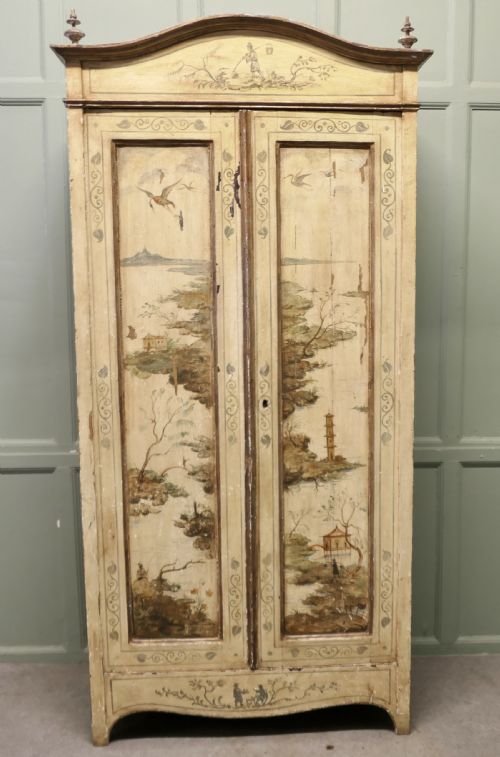
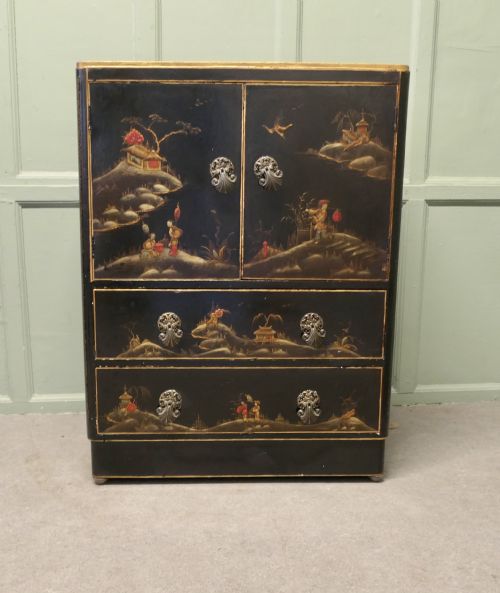
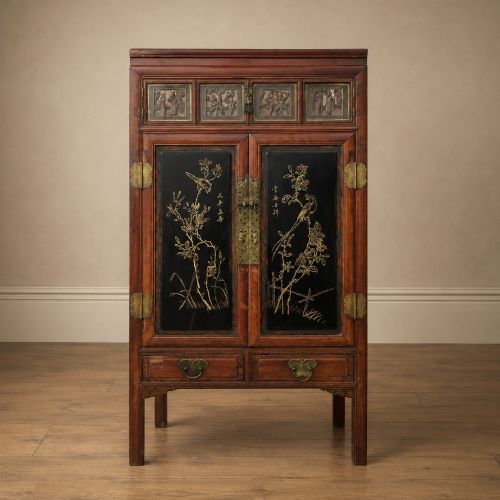
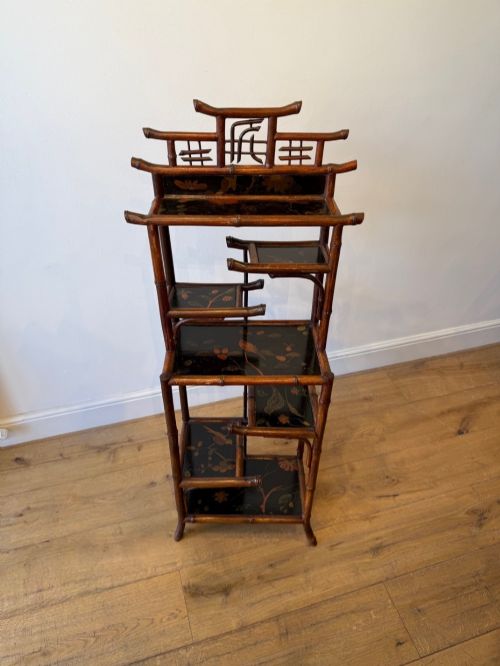
An antique chinoiserie cabinet encompasses several distinct furniture forms, ranging from tall cabinets on stands and corner cupboards to cocktail cabinets and side cabinets. The evidence shows these pieces span multiple eras, including the seventeenth century, the Georgian period, the Victorian era, the Edwardian period, and the early twentieth century.
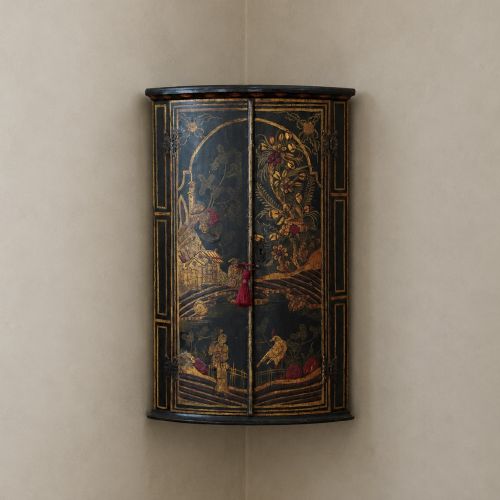
The version most commonly met on this page is the corner cupboard or corner cabinet, frequently finished with painted or japanned lacquer. Larger display cabinets, cabinets on stands, and cocktail cabinets also appear regularly across the records.
Materials and construction
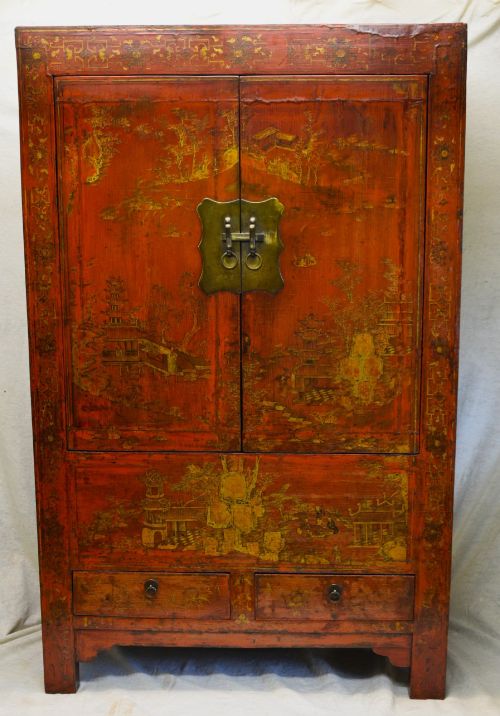
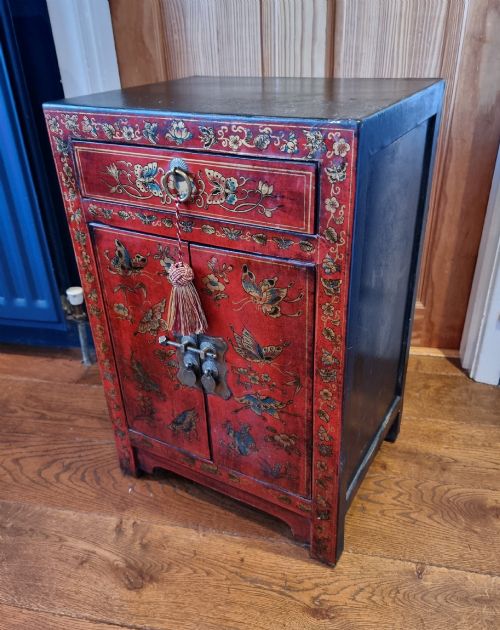
Makers built these pieces using wood, mahogany, walnut, and giltwood, applying surfaces of lacquer, japanned lacquer, paint, and gilt. Decorative schemes typically incorporate hand-painted Asian motifs, outdoor scenes, and parcel gilt highlights.
Hardware details involve brass, engraved brass, and gilt elements which secure doors and drawers. Stand structures often feature carved wooden supports beneath the main cabinet body.
Retail Price Guide 2026
Typical UK retail prices for chinoiserie cabinet, calculated from the Sellingantiques database of over a million retail prices indexed since 2003. This retail price guide relies exclusively on Sellingantiques data; no external sources or auction records are used, so the figures do not describe the wider market.
Several cocktail cabinets from the 1920s secretly house specialised spaces for mixing drinks behind heavily decorated oriental landscapes.
Distinctions in execution
The visual depth of the lacquerwork and the precision of the hand-painted gilt decoration determine the upper tiers of quality. Finer examples display intricate outdoor scenes and figures rendered with careful attention to proportion and layered perspective.
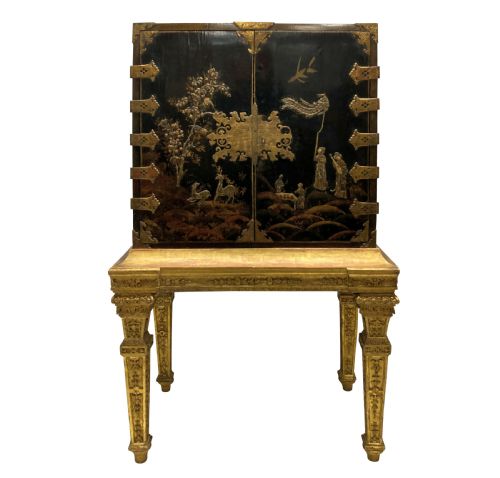
Structural complexity also separates standard pieces from exceptional ones, particularly where cabinets sit upon dedicated giltwood stands or incorporate fitted interiors with specialised storage.
Edwards and Roberts·Hille and Co·Harrods
The Antique Chinoiserie Cabinet Glossary
- Japanned lacquer
- European imitation of East Asian lacquerwork using built-up layers of varnish and metallic dust. This technique produced glossy dark surfaces decorated with raised gilt figures and landscapes.
- Cabinet on stand
- A freestanding storage compartment raised upon a separate support frame or legs. These elevated pieces allowed makers to display elaborate carving and gilding beneath the main body.
- Corner cupboard
- A triangular furniture piece designed to fit directly into the angle of a room. These cabinets maximise floor space while providing display or storage behind hinged doors.
- Parcel gilt
- The practice of applying thin gold leaf or gilt paint to specific carved areas or motifs while leaving the surrounding wood or lacquer exposed.
Frequently Asked Questions
What rooms suit an antique chinoiserie cabinet?
These cabinets suit reception rooms, living spaces, and hallways where their decorative surfaces act as a focal point. Corner cupboards fit unused angles, while display cabinets hold collections.
Larger cabinets on stands require wall space that accommodates their height and allows the painted details to be visible from a distance.
How do I identify a 17th century piece?
Seventeenth-century pieces often take the form of cabinets on stands reflecting the William and Mary style. They utilise deep lacquer finishes and structural proportions typical of that era.
Later Victorian and Edwardian iterations frequently reinterpret these early designs with altered heights and updated internal fittings.
What is a japanned finish?
Japanning is a European technique developed to emulate Asian lacquerwork. Craftsmen applied successive layers of varnish, curing and polishing the surface before adding raised gilt motifs.
This process created the dark, reflective background common on many corner cupboards and wall cabinets.
Where were cocktail cabinets used?
Cocktail cabinets emerged during the early twentieth century to hold glassware, bottles, and bar accessories for entertaining guests at home. Edwardian and 1920s examples often feature fitted mirrored interiors.
These pieces combine functional drinks storage with ornate painted exterior decoration.