

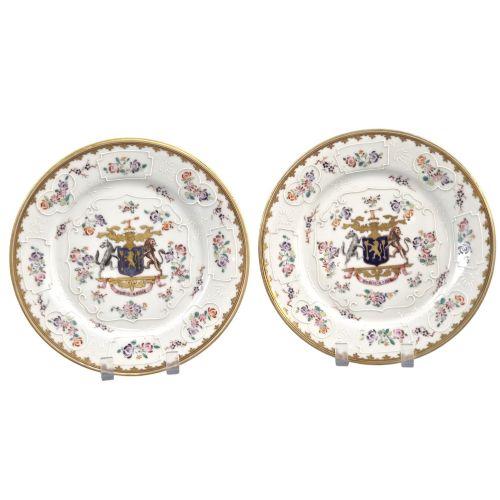


Antique Chinese Wall Plate
An antique chinese wall plate brings vibrant hand-painted porcelain and rich export history directly to your walls.
Antique Chinese Wall Plate
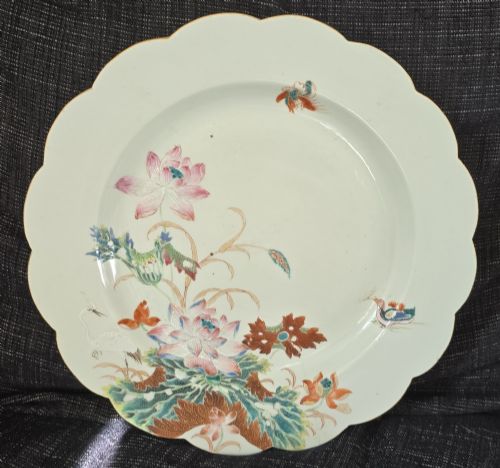
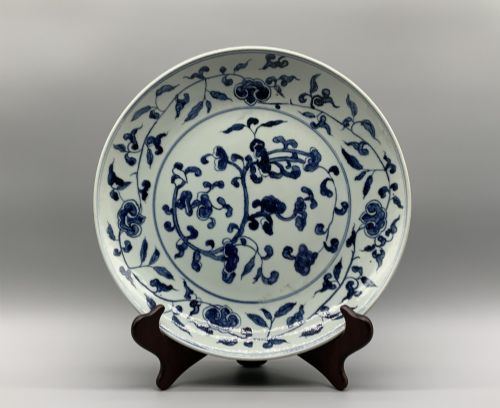
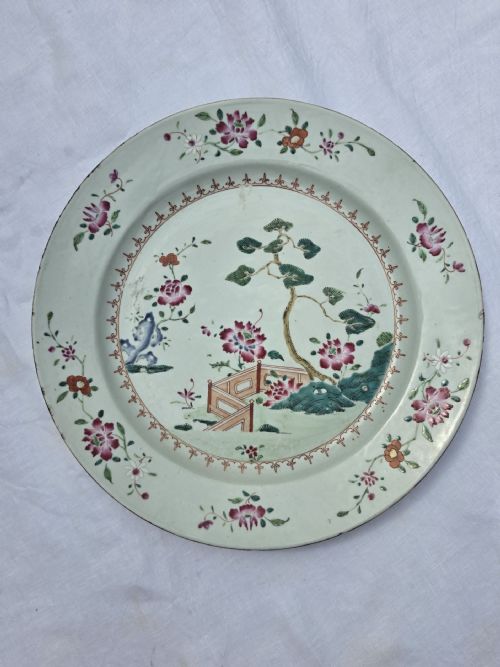
An antique chinese wall plate encompasses decorative dishes, chargers, and platters created for display across various periods, notably the eighteenth century and the late nineteenth century. These pieces emerge in styles ranging from Chinese Export and Qing Dynasty wares to European interpretations like Georgian Chinoiserie and Edme Samson & Cie productions.
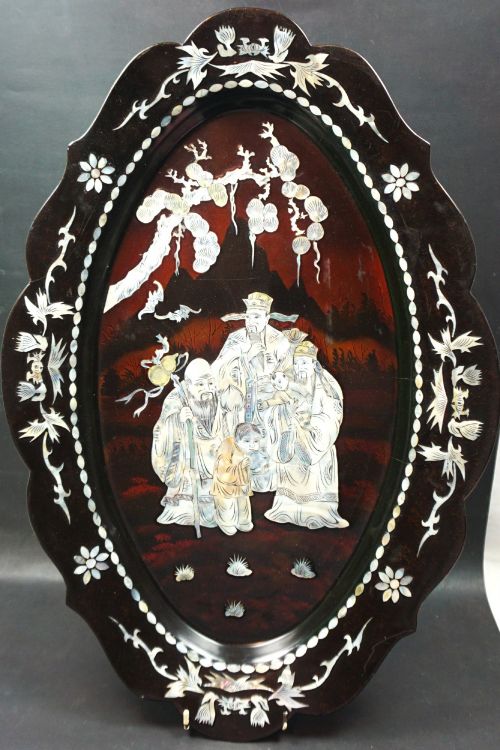
The assortment on this page relies heavily on porcelain forms, alongside earthenware, ceramic, brass, bronze, and lacquered wood items. Buyers frequently encounter blue and white porcelain chargers, Famille Rose plates, and Canton Rose Medallion patterns spanning different centuries of craftsmanship.
Materials and construction
Potters shaped these objects primarily from porcelain, earthenware, and ceramic, frequently applying cobalt glaze, enamel colours, and occasionally gold leaf for detailed surface enrichment. Artisans also utilised brass, bronze, and lacquered wood with mother of pearl inlay for specific platters and decorative elements.
Decoration involved meticulous hand-painted techniques, depicting intricate court life scenes, floral motifs, and traditional landscapes directly onto the glazed ceramic body before firing. Certain European workshops employed similar porcelain techniques to replicate or draw inspiration from oriental designs during the Georgian and Victorian eras.
Listings feature items from the sixteenth century Wanli period up to the early twentieth century, spanning porcelain, earthenware, and lacquered wood.
Assessing the craftsmanship
Superior examples display precise, delicate brushwork in the hand-painted cobalt glaze or enamel work, showing clear definition in complex scenes and motifs. Lesser pieces feature broader, less refined execution with simpler application of colour and glaze.
The integrity of the material and the preservation of surface decoration across centuries dictate the standing of a piece within its period. Objects retaining crisp details in their porcelain bodies, metalwork, or lacquer inlay distinguish the higher end of the range.
C.J. Mason·Minton·Worcester·Bluett & Sons
The Antique Chinese Wall Plate Glossary
- Charger
- A large ornamental plate typically used for display rather than dining. These substantial dishes command attention on a wall.
- Famille Rose
- A palette of opaque enamel colours dominated by pink, introduced during the Qing Dynasty. This style adorns numerous export plates.
- Kraak porcelain
- Chinese export porcelain characterised by panelled borders and central symbolic motifs, produced mainly during the Ming and Qing dynasties. It represents an early form of blue and white export ware.
- Imari
- A style of Japanese or Chinese porcelain decorated in underglaze blue, iron red, and gold. Plates in this tradition display rich, contrasting palettes.
Antique Chinese Wall Plate: Frequently Asked Questions
How do I hang an antique wall plate securely?
Utilise specialised brass spring hangers designed specifically for heavy porcelain chargers without causing structural strain to the rim. Ensure the fixing matches the weight of the ceramic or bronze piece.
Position the plate at eye level where fluctuations in temperature and direct sunlight remain minimal to preserve the enamel and glaze over time.
Are these plates intended for daily dining use?
These historical objects serve primarily as decorative wall plates and chargers rather than functional tableware. Their age and delicate enamel surfaces require careful preservation.
Displaying them on walls or using dedicated plate stands keeps the fragile glazes protected from everyday wear and kitchen utensils.
How do I identify Chinese export porcelain from European copies?
Chinese export porcelain typically exhibits distinct paste characteristics, weight, and characteristic cobalt or enamel variations from the period. European factories like Worcester and Samson created inspired copies with distinct paste bodies.
Examining the foot ring, base, and style of the hand-painted motifs helps distinguish eighteenth century Chinese originals from later European revival pieces.