

Antique Chinese Lacquer
Antique chinese lacquer brings together depth and sheen in pieces built for storage, display and daily domestic use.
Antique Chinese Lacquer
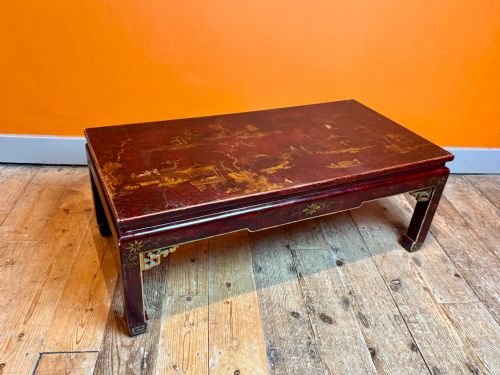
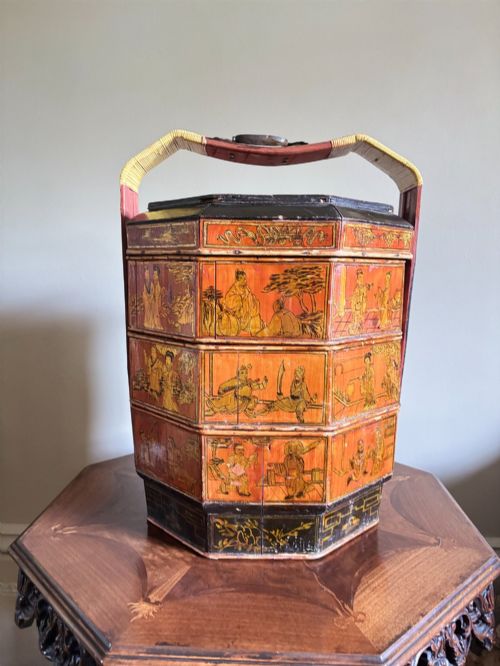
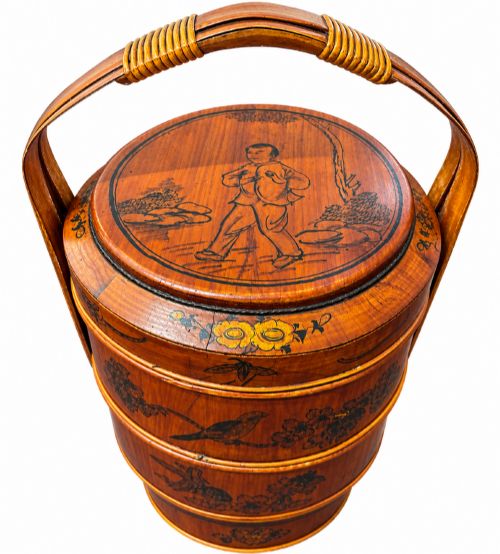
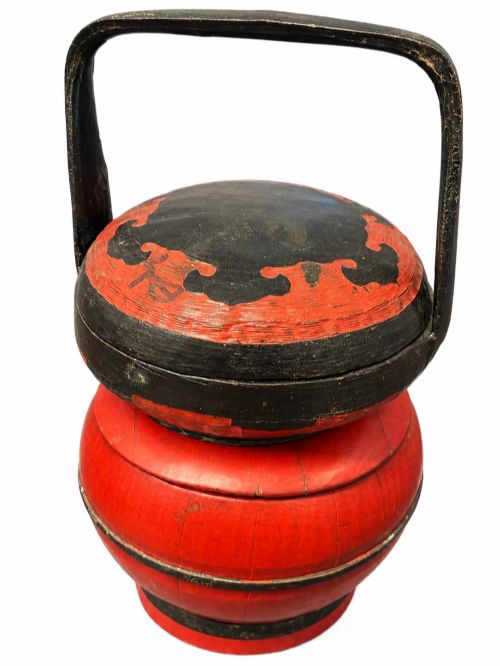
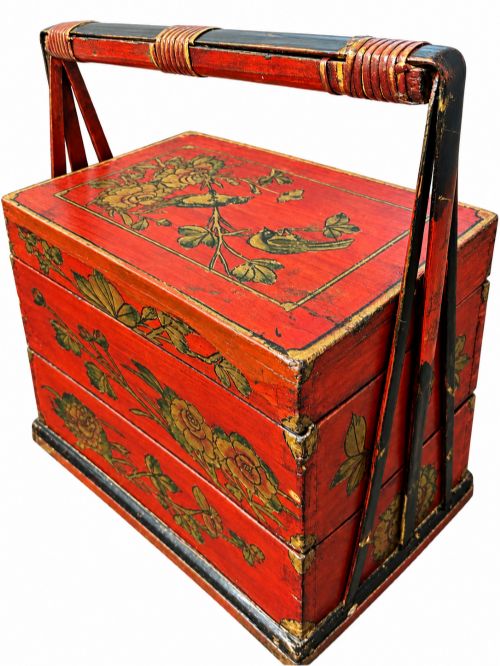
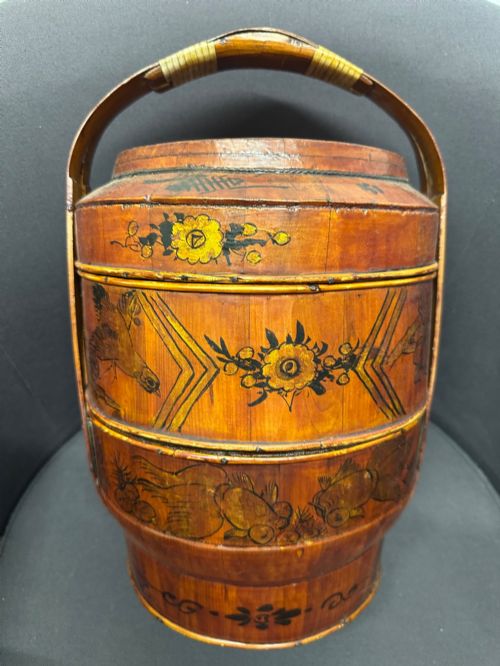
When you search for antique chinese lacquer, you encounter an array of household objects spanning cabinets, marriage chests, wedding baskets and occasional tables. These pieces emerge chiefly from the nineteenth and early twentieth centuries, including Qing Dynasty examples alongside later Republic Period interpretations.
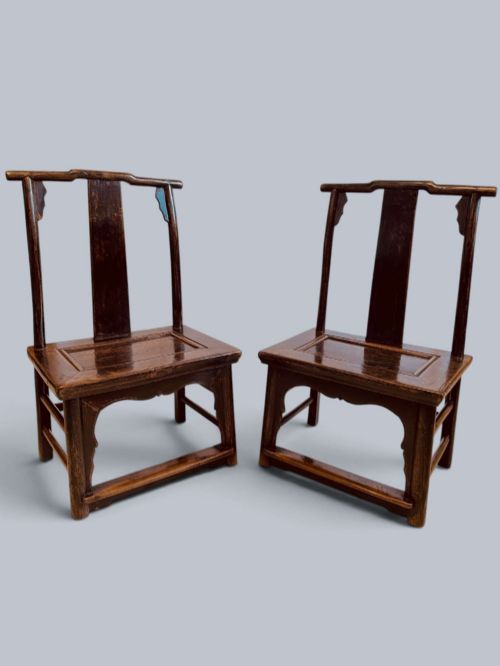
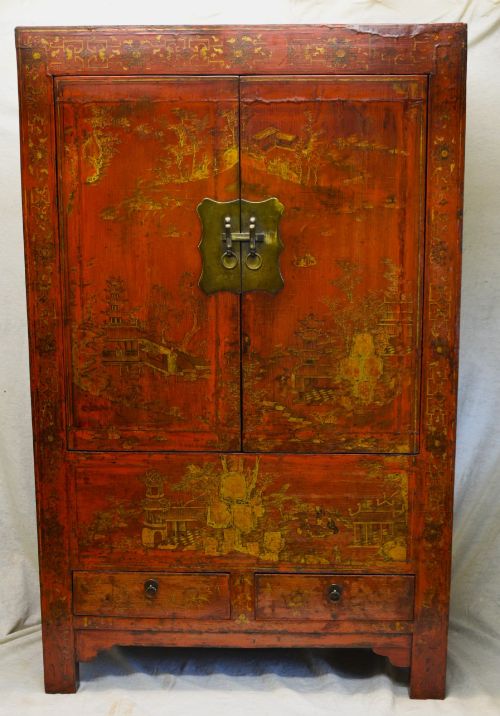
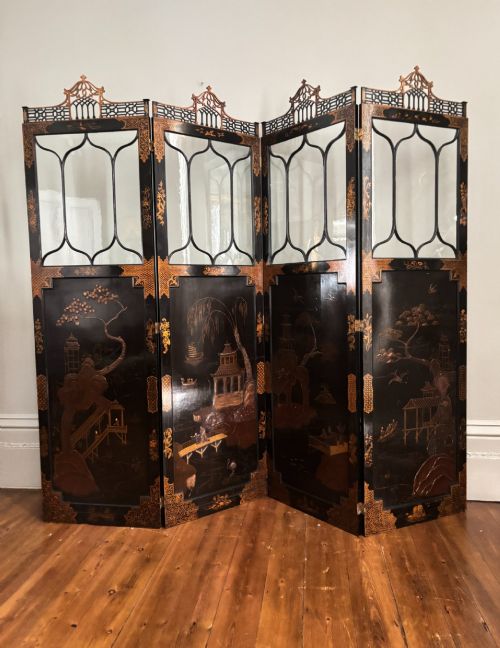
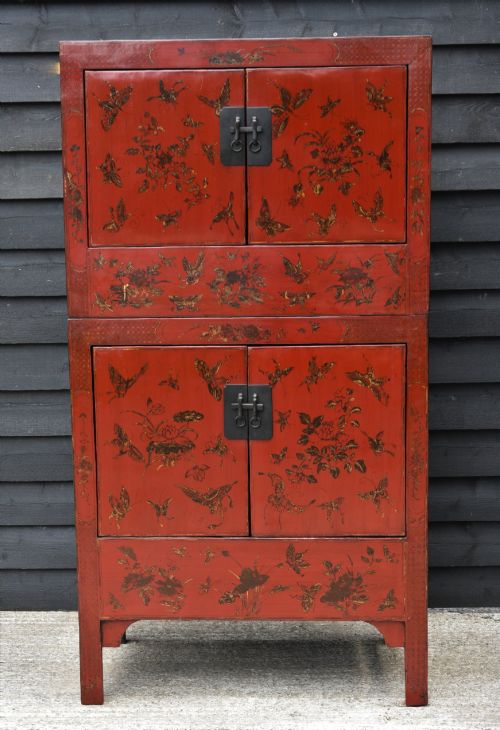
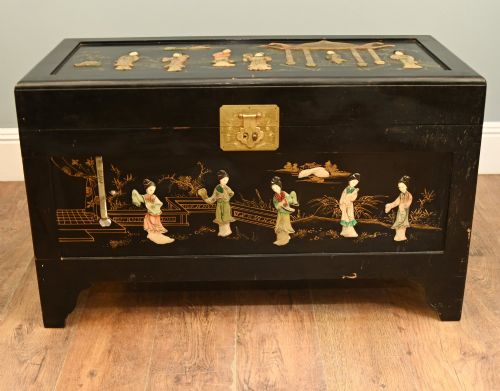
Storage forms predominate on this page, with wedding cabinets, blanket chests and low cupboards frequently appearing alongside smaller decorative boxes and folding screens. Elm provides the structural timber for many of these larger furnishings, carrying coats of red, black or ebonised lacquer.
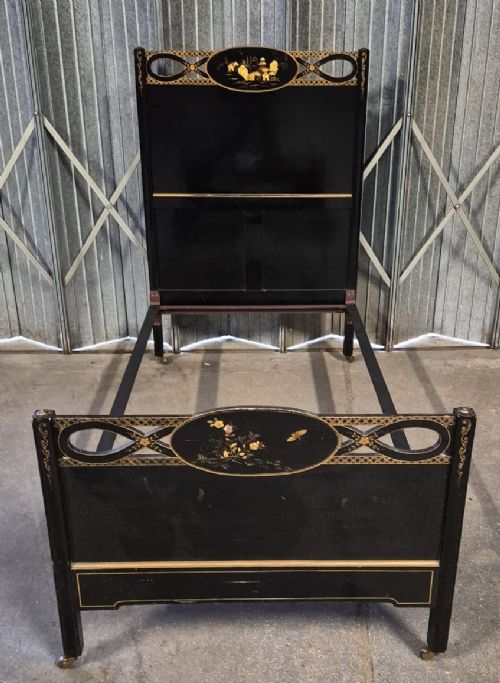
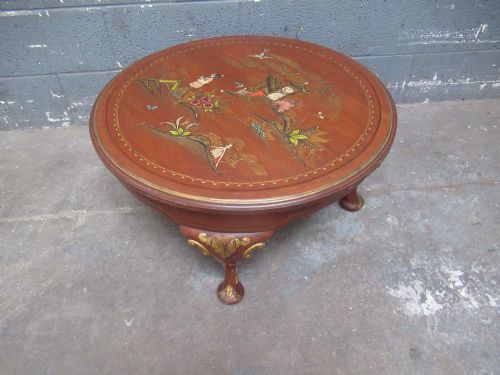
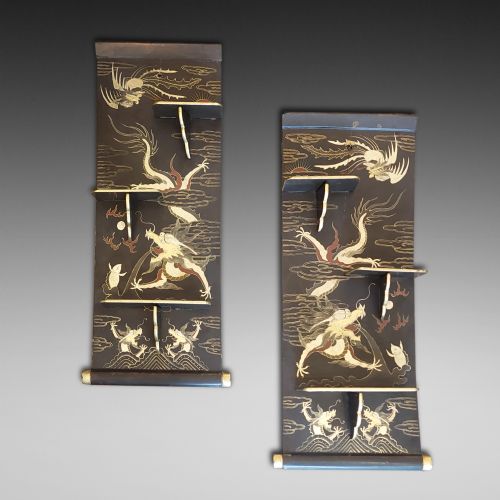
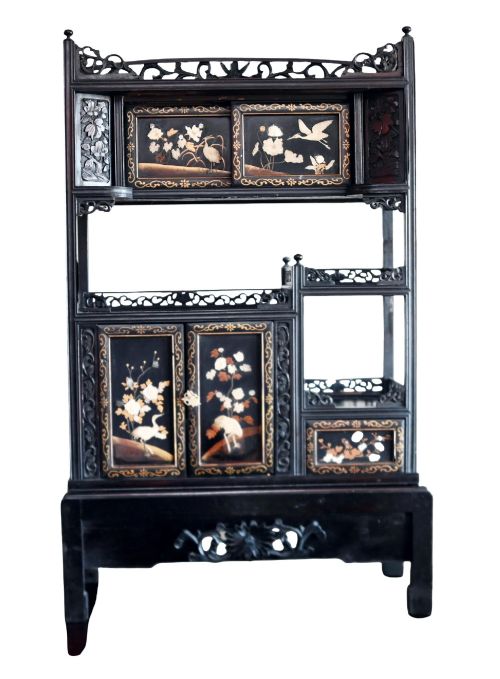
Smaller decorative items such as table lamps, hanging shelves and work-tables also feature, often displaying the influence of Chinese export design or European Chinoiserie tastes from the Victorian and Edwardian eras.
Materials and construction
The construction of these items relies on timber frames, principally elm, shaped into panels, boxes and chair components before the application of multiple layers of resin-based coating. Artisans built up these surfaces painstakingly, allowing each layer to cure before sanding and applying subsequent coats of pigment.
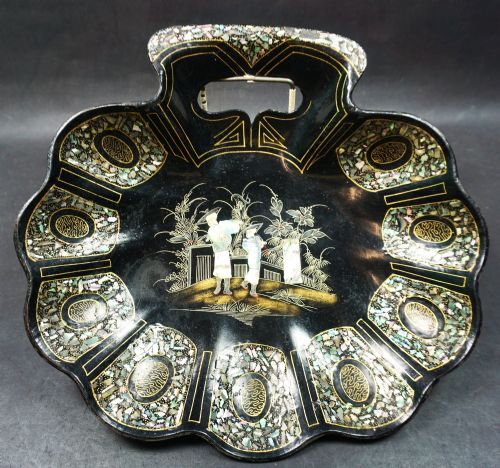
Gilt decoration, gold leaf and contrasting pigments often embellish the final surface, alongside inlaid details in mother-of-pearl and carved wooden elements. Brass fittings appear on cabinets and chests, providing functional reinforcement that complements the polished lacquer finish.
Antique Chinese Lacquer Retail Price Guide 2026
Typical asking prices for chinese lacquer among the pieces listed under this phrase on Sellingantiques today, from the lower quarter to the upper quarter. They describe what is for sale here now, not the wider market.
Current listings demonstrate a concentration of elm furniture, including multi-drawer apothecary chests and wedding cabinets finished in red and black lacquer.
Assessing the finish
Quality in these surfaces rests upon the depth of the finish and the preservation of the underlying hand-painted or gilt details. Pieces that retain their original pigment and show minimal later intervention command greater interest from collectors.
The structural integrity of the underlying timber work also dictates value, particularly in large items like marriage cabinets and apothecary chests where joinery must support heavy coats of lacquer and daily use.
The Antique Chinese Lacquer Glossary
- Coromandel screen
- A heavy wooden folding screen coated in dark lacquer, carved through to reveal contrasting ground colours beneath. This technique creates a low-relief pictorial surface across multiple panels.
- Chinoiserie
- The European interpretation and imitation of Chinese artistic traditions, popular during the eighteenth and nineteenth centuries. This style appears on English furniture as well as direct Chinese export pieces.
- Gilt decoration
- The application of gold leaf or powdered gold to highlight specific motifs, borders and figures upon a lacquered ground. It catches ambient light against dark or red surfaces.
- Ebonised
- Wood treated with a dark stain or pigment to simulate the appearance of ebony. This finish provides a stark backdrop for inlaid mother-of-pearl or painted highlights.
Antique Chinese Lacquer: Frequently Asked Questions
How do I clean antique lacquer?
Dust surfaces gently with a soft, dry cloth to prevent scratching the delicate resin layers.
Avoid chemical cleaners, polishes and excessive moisture, which can damage the aged finish.
Are these pieces suitable for daily use?
Larger items like cabinets, chests and side tables function well in contemporary interiors for storage and display.
Care should be taken to place them away from direct sunlight and sudden temperature shifts.
What is a marriage cabinet?
Marriage cabinets were traditional Chinese storage pieces given to newlyweds to hold their garments and linens.
They often feature bright red or black lacquer finishes symbolising prosperity and good fortune.
How can I tell the period?
Dating relies on examining the timber framing, the style of the brass hardware, and the wear patterns within the lacquer layers.
Qing Dynasty pieces often display distinct carving depths and traditional pigment mixtures compared to later export items.