


Antique Chinese Console
An antique chinese console brings sculptural form and rich timber grain to a hallway or living space, offering practical surface area grounded in centuries of craftsmanship.
Antique Chinese Console
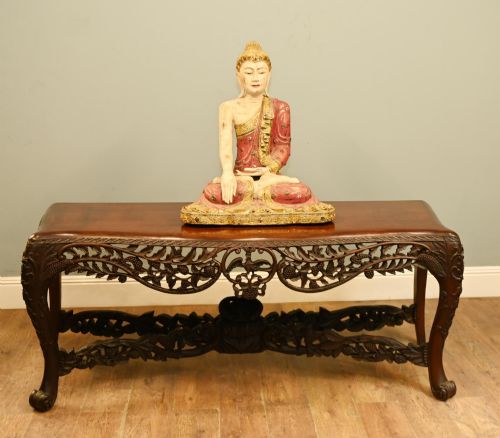
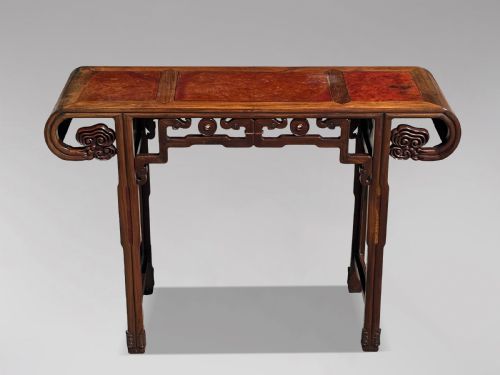
When searching for an antique chinese console, buyers encounter a variety of functional forms, most frequently altar tables, side tables, and low cabinets originating from the nineteenth century and earlier.
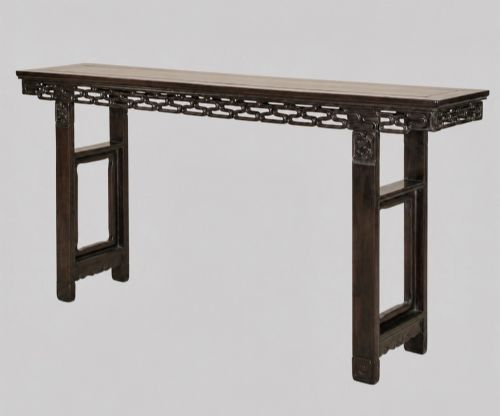
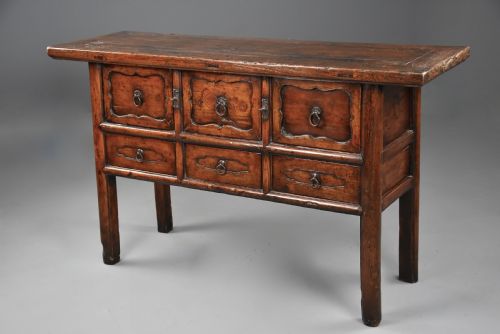
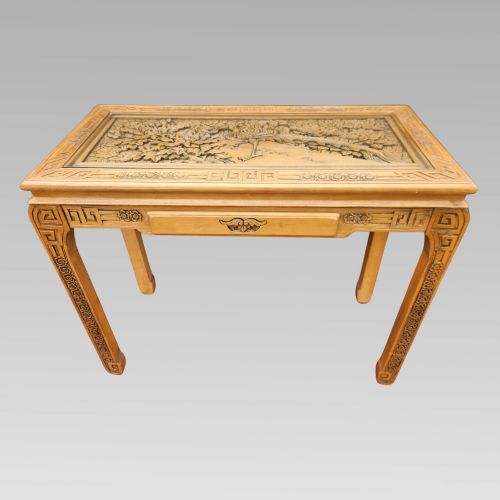
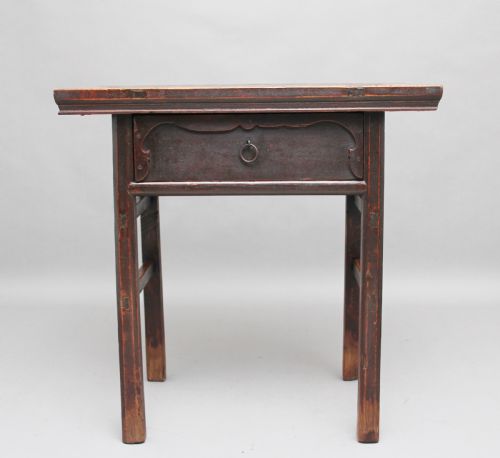
The selection ranges from rustic provincial elm pieces to formal Qing Dynasty hardwood examples featuring carved details, geometric aprons, and slender legs.
Many items function equally well as console tables, sideboards, or writing desks, reflecting the adaptable nature of traditional Chinese cabinetmaking.
Assessing Quality
Quality depends on the crispness of carved wooden details, the integration of inset marble panels, and the depth of the timber's natural patina built up over generations of use.
Higher-tier pieces utilise dense, heavy hardwoods with precise joinery, whereas provincial items exhibit simpler constructions using domestic elm with softer surface wear.
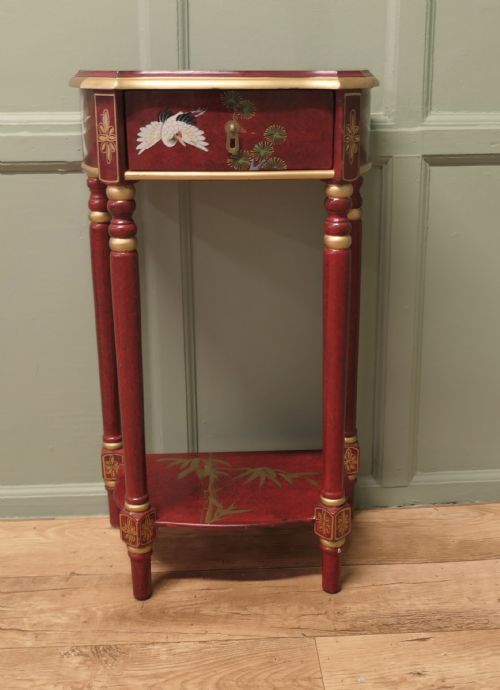
Condition varies from untouched rustic surfaces to restored lacquer and gilt finishes, altering the visual weight and presence of the furniture in a modern interior.
Several elm tables retain traces of locust wood grain and deep surface patinas earned from decades of domestic service in provincial homes.
The Antique Chinese Console Glossary
- Altar Table
- A traditional long, narrow table featuring upturned flange ends, originally designed for ritual use in temples or domestic shrines.
- Elm
- A resilient domestic timber native to China, utilised extensively for provincial furniture due to its fibrous grain and durability.
- Hardwood
- Dense tropical timbers such as hongmu and rosewood prized for weight, dark colour, and suitability for intricate carving.
- Lacquer
- A durable natural resin applied in multiple coats to wood surfaces, frequently pigmented in red and finished with carved or gilded details.
Antique Chinese Console: Frequently Asked Questions
Where should I place an antique chinese console?
These tables fit naturally in entrance halls, living rooms, or behind sofas where their narrow proportions do not block walkways. They provide a stable surface for lamps, ceramics, or books while adding architectural interest to plain walls.
Because many examples originate as altar tables or sideboards, their elevated height and decorative aprons draw the eye, making them effective focal points in both traditional and contemporary interiors.
How do I clean wooden console tables?
Dust the surface regularly with a dry, soft cloth to prevent particulate accumulation in carved recesses and joinery. Avoid silicone-based polishes, which can build up on historic lacquer and timber.
Maintain stable humidity levels in the room to prevent timber movement, shrinkage, or cracking in antique hardwood and elm panels.
What is the difference between an altar table and a side table?
Altar tables typically feature distinctive upturned flanges at the short ends of the top board and incorporate open carved spandrels beneath the frame. They were constructed for display rather than heavy storage.
Side tables generally present flat rectangular tops with simpler aprons, designed for general utility and domestic placement against walls.
Are these tables sturdy enough for daily use?
Traditional Chinese joinery relies on interlocking wooden joints designed to expand and contract with environmental changes, providing remarkable inherent stability. Most surviving examples easily support standard decorative objects and lamps.
Care should be taken not to overload the centre of long altar tables unless the central support structure is particularly robust.