



Antique Chinese Centrepiece Bowl
An antique chinese centrepiece bowl commands attention on a dining table, bringing historic hand-painted artistry and substantial weight to an interior.
Antique Chinese Centrepiece Bowl
When searching for an antique chinese centrepiece bowl, buyers encounter substantial vessels created for display and serving across multiple centuries. The selection spans from fragile porcelain punch bowls to heavy bronze jardinieres, reflecting diverse decorative traditions.
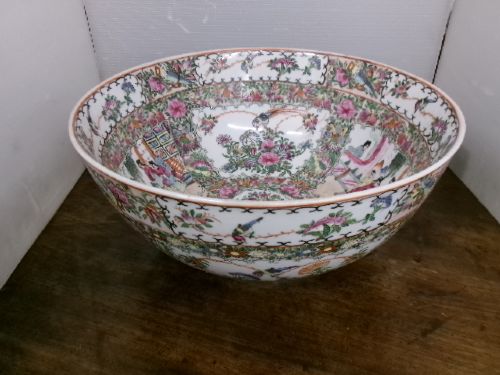
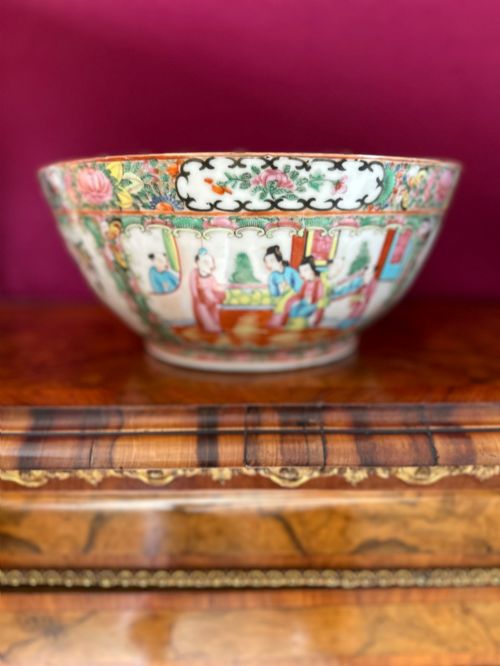
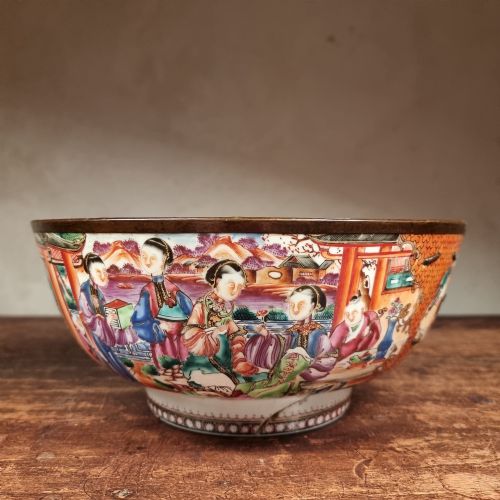
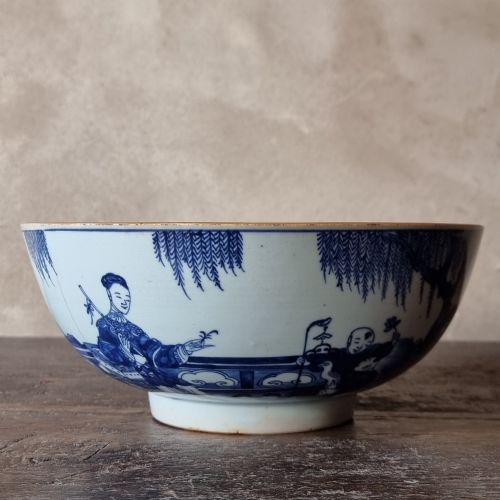
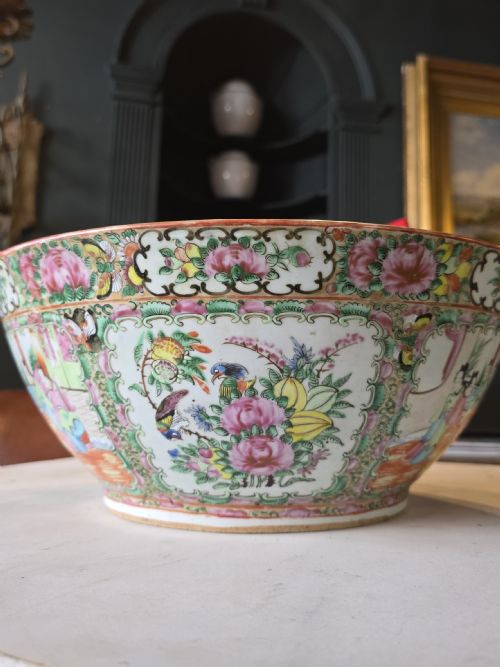
Porcelain examples decorated with Cantonese Famille Rose or cobalt blue motifs appear frequently among current choices. These pieces range from eighteenth-century export items to later nineteenth-century interpretations.
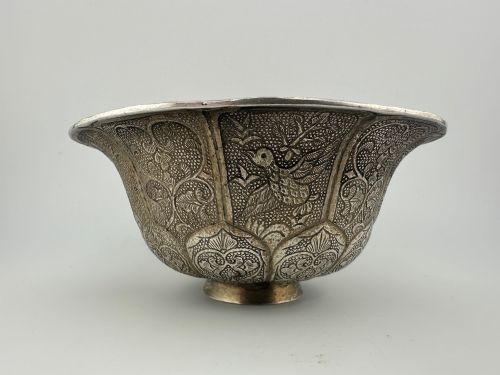
Metalwork versions, including white metal and bronze bowls alongside silver dishes, offer an alternative to traditional ceramic forms. These metal vessels sometimes incorporate fitted ormolu mounts or intricate repoussé decoration.
Materials and production methods
Ceramic pieces rely on high-fired porcelain bodies painted by hand with mineral pigments such as cobalt blue and enamels in the Famille Rose palette. Artisans applied these pigments directly onto the glazed surface before secondary firing.
Metal bowls utilise bronze, silver, or white metal shaped through casting and hammering techniques. Certain vessels incorporate gilt or gold leaf applications to highlight raised surface details and figural panels.
Several heavy bronze bowls weigh over two kilograms, ensuring they stay firmly in place even if an exuberant guest gestures too widely.
Distinctions in quality
Quality rests in the precision of the hand-painted brushwork and the clarity of the enamel colours across the surface of the bowl. Finer examples display meticulous control in intricate floral, bird, and figural compositions.
The weight and gauge of the material dictate the structural integrity of metal and porcelain pieces alike. Heavier bronze castings and thick porcelain walls denote substantial craftsmanship intended for enduring utility.
The Antique Chinese Centrepiece Bowl Glossary
- Famille Rose
- A palette of opaque enamel colours dominated by pink, introduced to Chinese ceramics during the Qing dynasty. This palette permits subtle shading and detailed depiction of figures and botanicals.
- Punch Bowl
- A large capacious bowl historically utilised for mixing and serving communal drinks at gatherings. These vessels typically feature wide open mouths and stable, rounded bases.
- Jardinière
- An ornamental pot or bowl designed to hold live plants or floral arrangements. Such vessels often employ heavier materials like bronze or thick porcelain to support soil and moisture.
- Chinese Export
- Goods manufactured in China specifically for Western markets, combining traditional domestic shapes with motifs suited to European tastes. These pieces frequently incorporate armorial designs or specific trade scenes.
- Ormolu
- Gilded bronze mounts applied to ceramic or stone vessels for decorative and structural enhancement. This French technique became popular on imported Asian porcelain during the nineteenth century.
Antique Chinese Centrepiece Bowl: Frequently Asked Questions
What were antique Chinese centrepiece bowls used for?
These large vessels served practical roles as punch bowls for entertaining guests or functioned as decorative jardinieres holding plants within formal rooms.
Over time, their striking hand-painted surfaces and generous proportions shifted their primary purpose toward pure display on dining tables and sideboards.
How do I style a Chinese bowl at home?
Place a substantial porcelain or bronze bowl in the centre of a large dining table to anchor the room with historic colour and texture.
Alternatively, position a lighter white metal or Famille Rose dish on an open console where natural light can catch the painted enamel details.
How can I tell the age of these bowls?
Dating relies on examining the characteristics of the porcelain body, the pigment saturation of the hand-painted enamels, and any associated export styles.
Stylistic cues such as Qing dynasty motifs or nineteenth-century ormolu mounts provide reliable indicators for chronological placement.
What is the difference between porcelain and metal bowls?
Porcelain bowls offer delicate translucent bodies decorated with vibrant ceramic glazes and hand-painted cobalt or Famille Rose scenes.
Metal bowls utilise bronze, silver, or white metal, providing greater physical weight and sculptural depth through casting and chasing techniques.