
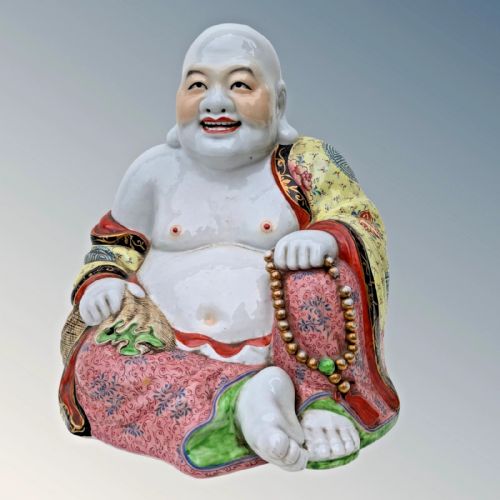


Antique Chinese Buddha
An antique chinese buddha brings centuries of devotion and craftsmanship into a room, spanning dynasties from Ming stone heads to carved wooden figures.
Antique Chinese Buddha
An antique chinese buddha search encompasses sculptural works representing enlightened figures, bodhisattvas, and revered monks such as Budai and Guanyin. These pieces range from monumental temple guardians and heavy iron busts down to small desk seals and bronze scroll weights.
The materials vary widely across the inventory, uniting works carved from sandstone and limestone, cast in bronze or iron, fashioned from hardwoods, and shaped in porcelain or soapstone. Stylistic idioms include Qing Dynasty court output, Sino-Tibetan bronzes, and transitional Ming dynasty carvings.
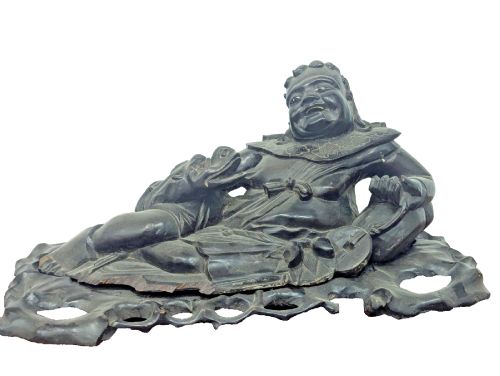
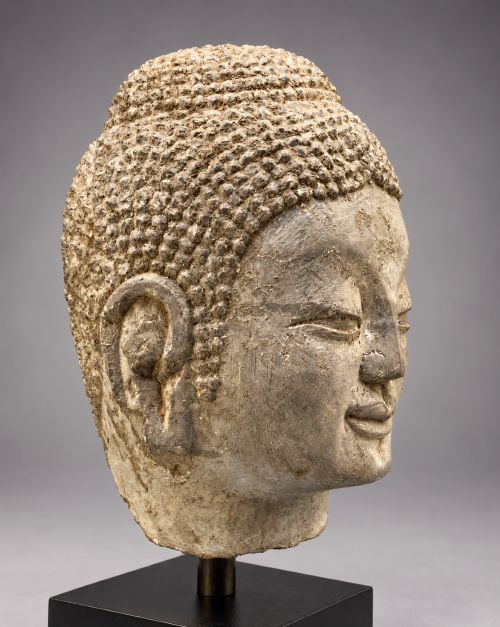
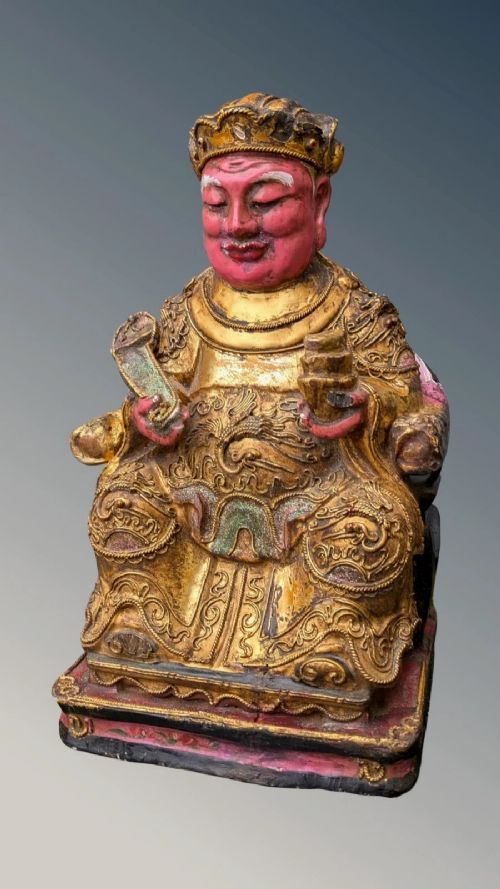
Most examples encountered date from the nineteenth and early twentieth centuries, alongside earlier pre-sixteenth century fragments like sandstone heads. Forms include seated figures on wooden stands, reclining corpulent Buddhas, and polychrome painted ritual statues.
How They Were Made
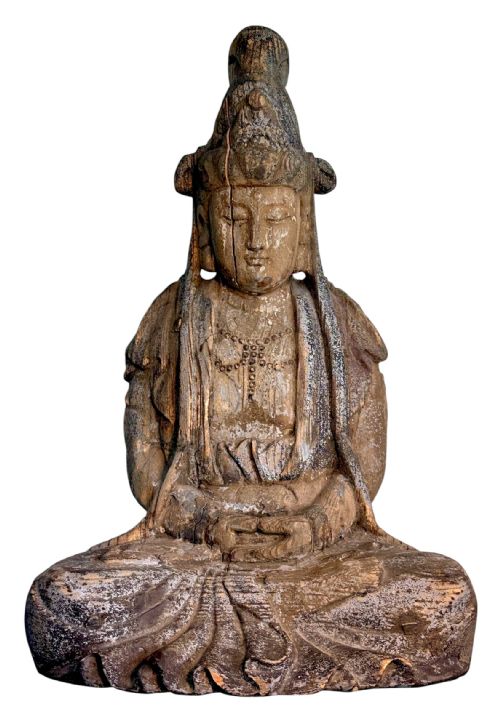
Carving techniques dominate the organic mediums, utilising dense hardwoods, rose quartz, soapstone, and jade to achieve high relief and intricate folds in drapery. Wood pieces frequently combine gesso layers with gold leaf or polychrome paint applications.
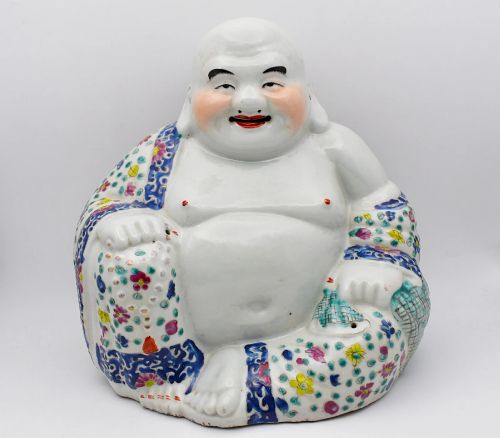
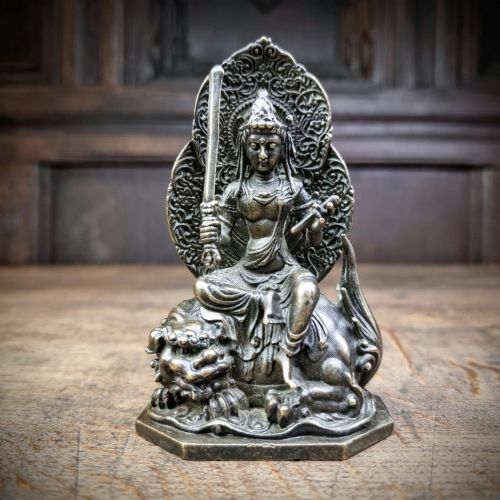
Metal versions rely on casting methods, particularly bronze and iron, producing solid figures or hollow statues that occasionally retain traces of gilding. Ceramic and porcelain examples demonstrate specialist glazing, including Famille Rose enamels and turquoise monochrome finishes.
Materials represented include organic wood and hardstone alongside metals like bronze and iron, reflecting centuries of diverse sculptural traditions.
What Varies in Quality
Quality rests in the sculptural depth and expression, separating finely cast bronzes and deeply carved hardwoods from simpler production pieces. The handling of anatomical detail, facial serenity, and the preservation of original polychromy or gilding define the superior examples.
Zhu Mao Ji
The Antique Chinese Buddha Glossary
- Budai
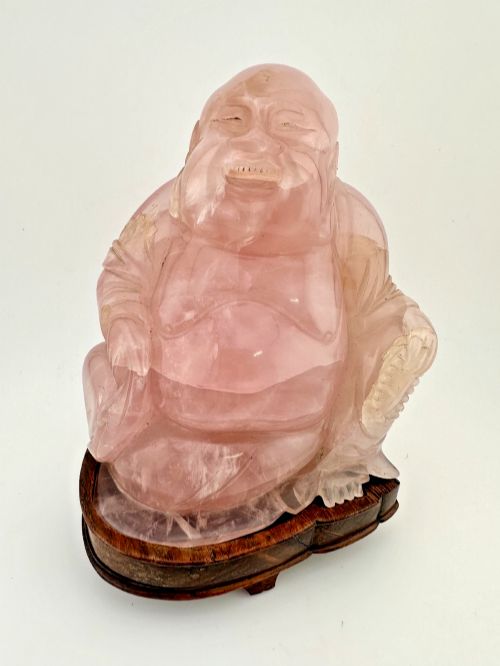
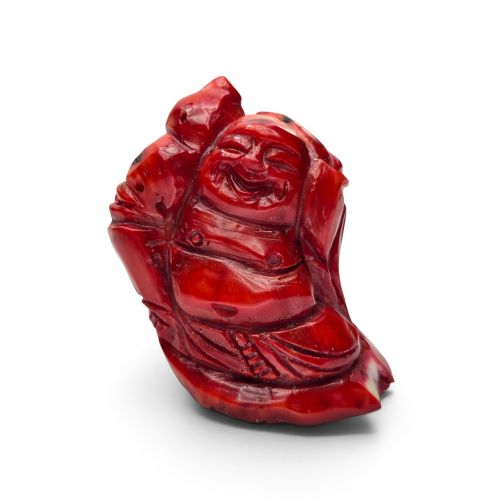
- A representation of the laughing monk, often depicted as corpulent and joyous. This figure is frequently identified in materials like hardwood, porcelain, and rose quartz.
- Guanyin
- The bodhisattva of compassion, commonly rendered in bronze, wood, iron, and Peking glass. Sculptures range from small devotional bronzes to large temple figures.
- Qing Dynasty
- The final imperial dynasty of China, spanning from the seventeenth to the early twentieth century. Much of the carved wood and porcelain material originates from this extended period.
- Sino-Tibetan
- A stylistic designation reflecting the artistic interchange between Chinese manufacturing centres and Tibetan Buddhist iconography. These pieces frequently incorporate distinct ritual attributes and metalwork techniques.
- Polychrome
- Painted in several colours, typically applied over a gesso ground on wood sculptures. This surface treatment survives with varying degrees of original pigment.
Antique Chinese Buddha: Frequently Asked Questions
How do I date an antique Chinese buddha?
Dating relies on stylistic markers associated with specific periods, such as Ming dynasty forms or late Qing polychrome carving techniques. Material degradation, tool marks, and the wear on original gilding or paint layers provide further chronological indicators.
Archival records and comparative analysis with dated museum pieces help narrow down the century of manufacture. Pre-sixteenth century stone heads, for instance, display distinct weathering and sculptural proportions absent in later nineteenth-century revival works.
What materials were used for these sculptures?
Sculptures utilise a broad spectrum of organic and inorganic materials, reflecting the diverse traditions of Chinese craftsmanship. Wood, hardwood, bronze, iron, soapstone, jade, and porcelain are all frequently encountered across the inventory.
Surface finishes further enhance these materials, incorporating gold leaf, polychrome paint, gesso, and specialised ceramic glazes like Famille Rose and turquoise. Each medium requires distinct preservation considerations for home display.
Who are the figures depicted besides Buddha?
Representations extend beyond the historical Buddha to include important bodhisattvas and folk deities embodying specific virtues. Guanyin, the bodhisattva of compassion, appears frequently in bronze, wood, and glass forms.
Budai, the laughing Buddha, is another common subject associated with contentment and abundance, often shown seated or reclining. Temple guardians and medicine figures also appear within the ritual sculpture category.
How should I display a wooden sculpture?
Wooden and polychrome figures require stable indoor environments away from direct sunlight and dramatic humidity shifts to preserve the gesso and paint layers. Many larger figures and rose quartz carvings are designed to sit upon dedicated wooden stands.
Placing heavier pieces, such as iron busts or stone heads, on secure, weight-tested surfaces ensures stability. Regular dusting with a soft, dry cloth maintains the surface without introducing moisture.