


Antique Chimney Ornaments
These antique chimney ornaments are decorative figures and heavy door stops meant to sit proudly on mantels or hearths.
Antique Chimney Ornaments
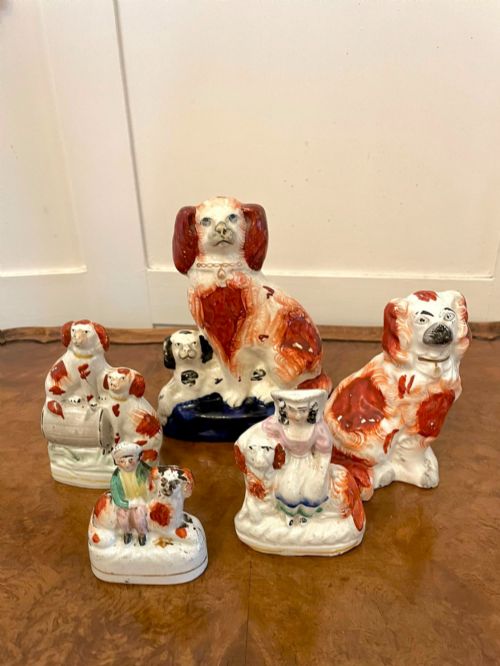
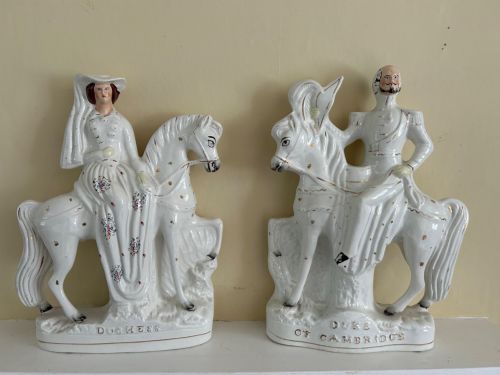
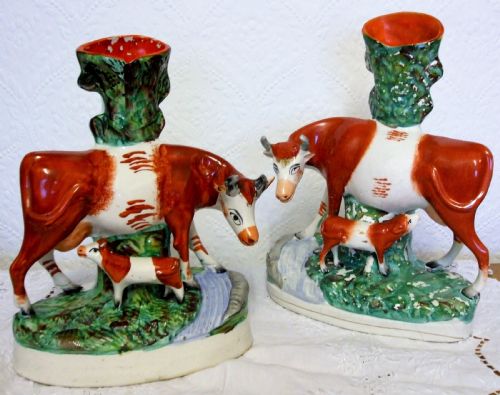
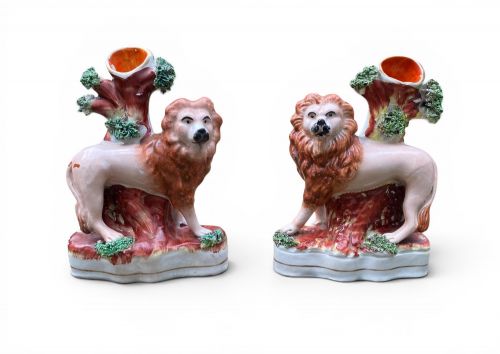
When searching for antique chimney ornaments, you encounter a mix of domestic ceramic figures and sturdy metal objects that once anchored doors or decorated hearths. The selection relies heavily on nineteenth century Victorian Staffordshire pottery, including spaniels, pugs, lions, cows with calves, and flatback figures of historical personages.
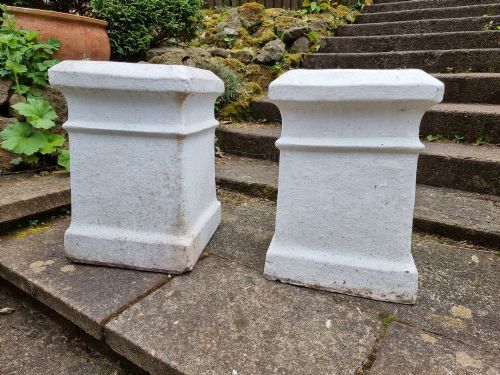
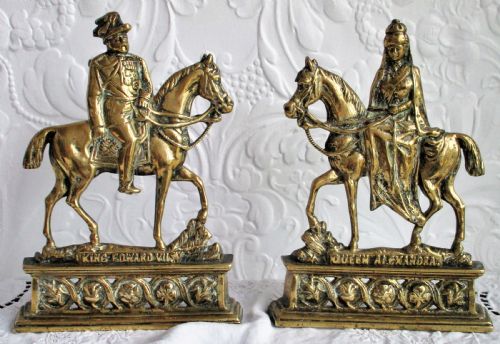
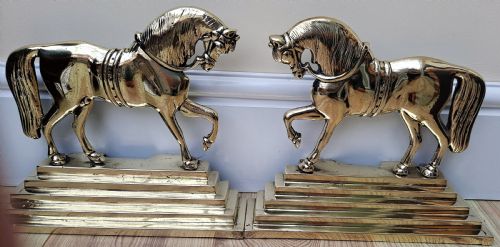
Beyond earthenware and ceramic animals, the offerings include brass chimney horses, cavalrymen, hussars, and royal commemorative pairs depicting figures like King Edward VII and Queen Alexandra. Architectural elements such as terracotta chimney pots and garden pedestals also appear, reflecting the broad range of items once associated with the hearth.
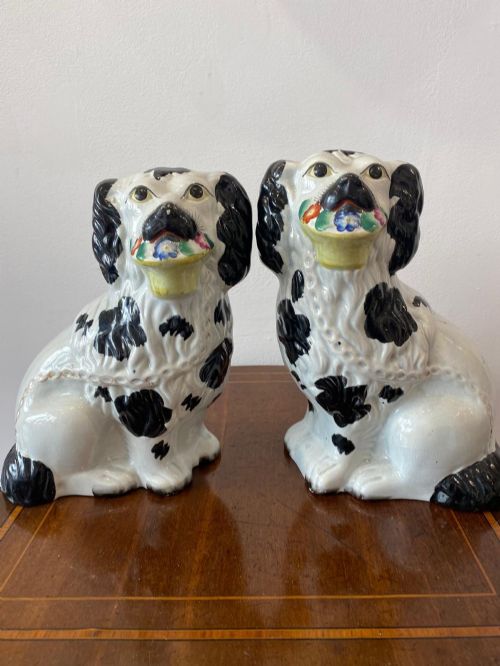
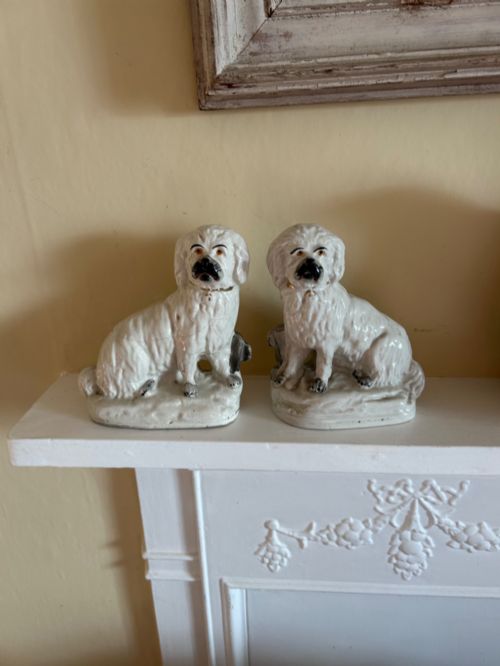
The version you are most likely to meet on this page is the classic pair of Staffordshire dogs or flatback spill vases, modelled in earthenware and finished with lead glaze. These earthenware pieces dominate the selection, alongside Georgian and Edwardian brass door porters that served double duty by the fireplace.
How they were made
Potters shaped these earthenware and terracotta pieces using local clays, often applying a clear lead glaze to seal the porous ceramic body before hand-painting details in enamel colours. Figures were typically slip-cast or pressed into moulds, leaving the characteristic hollow backs seen on Victorian flatbacks.
Brass ornaments were produced through metal casting techniques, creating substantial door porters and equestrian figures designed to withstand heavy daily use. Gilding was sometimes added to highlight specific decorative elements on both the brass and ceramic items.
Smugglers and royalty share the mantelpiece, where Will Watch stands shoulder to shoulder with King Edward VII.
What varies in quality
The standard of modelling defines the upper tier of these pieces, where facial expressions, fine fur markings, and enamel painting show clear artistry rather than hurried factory production. Crisp casting lines on brass horses and detailed moulding on earthenware castles distinguish superior examples from simpler versions.
Preservation of the original glaze and enamel colouring plays a major role in the overall integrity of ceramic items, while brass pieces benefit from a rich, undisturbed patina acquired over generations.
The Antique Chimney Ornaments Glossary
- Flatback
- A ceramic figure modelled with a finished front and a flat, unglazed or partially glazed back designed to sit flush against a mantelpiece.
- Spill vase
- A hollow ceramic figure combined with a small container intended to hold wooden spills for lighting fires or pipes.
- Lead glaze
- A glossy coating containing lead oxide applied to earthenware to provide a smooth, waterproof finish.
- Terracotta
- A hard, unglazed fired red clay used for architectural chimney pots and larger garden vessels.
- Door porter
- A heavy metal ornament, often formed as a horse or military figure, used primarily to keep interior doors from slamming.
Antique Chimney Ornaments: Frequently Asked Questions
What are antique chimney ornaments?
These pieces comprise decorative ceramic figurines, spill vases, and heavy brass door porters designed to sit on hearths and mantelpieces during the nineteenth and early twentieth centuries.
They also include larger architectural items such as terracotta chimney pots and pedestals used in building work and garden design.
How were Staffordshire dogs used?
Staffordshire dogs were placed in pairs on either side of the fireplace mantelpiece in Victorian homes as domestic decorative ornaments.
Their presence signalled respectability and comfort in the nineteenth-century parlour, often positioned facing inwards towards each other.
What materials are common?
Earthenware and ceramic form the majority of the animal figures and flatbacks, frequently finished with lead glaze and enamel paint.
Brass and terracotta represent the other primary materials, appearing respectively in heavy door porters and architectural chimney pots.
How do I identify a flatback figure?
A flatback figure has a fully detailed and painted front designed for display against a wall or mantelpiece, while the reverse side is flat and largely undecorated.
This method of construction saved time and materials during manufacturing in nineteenth-century potteries.