
Antique Chime Stand
An antique chime stand brings resonant acoustics and striking vertical timber into a room, combining fine cabinetry with acoustic brass or bronze.
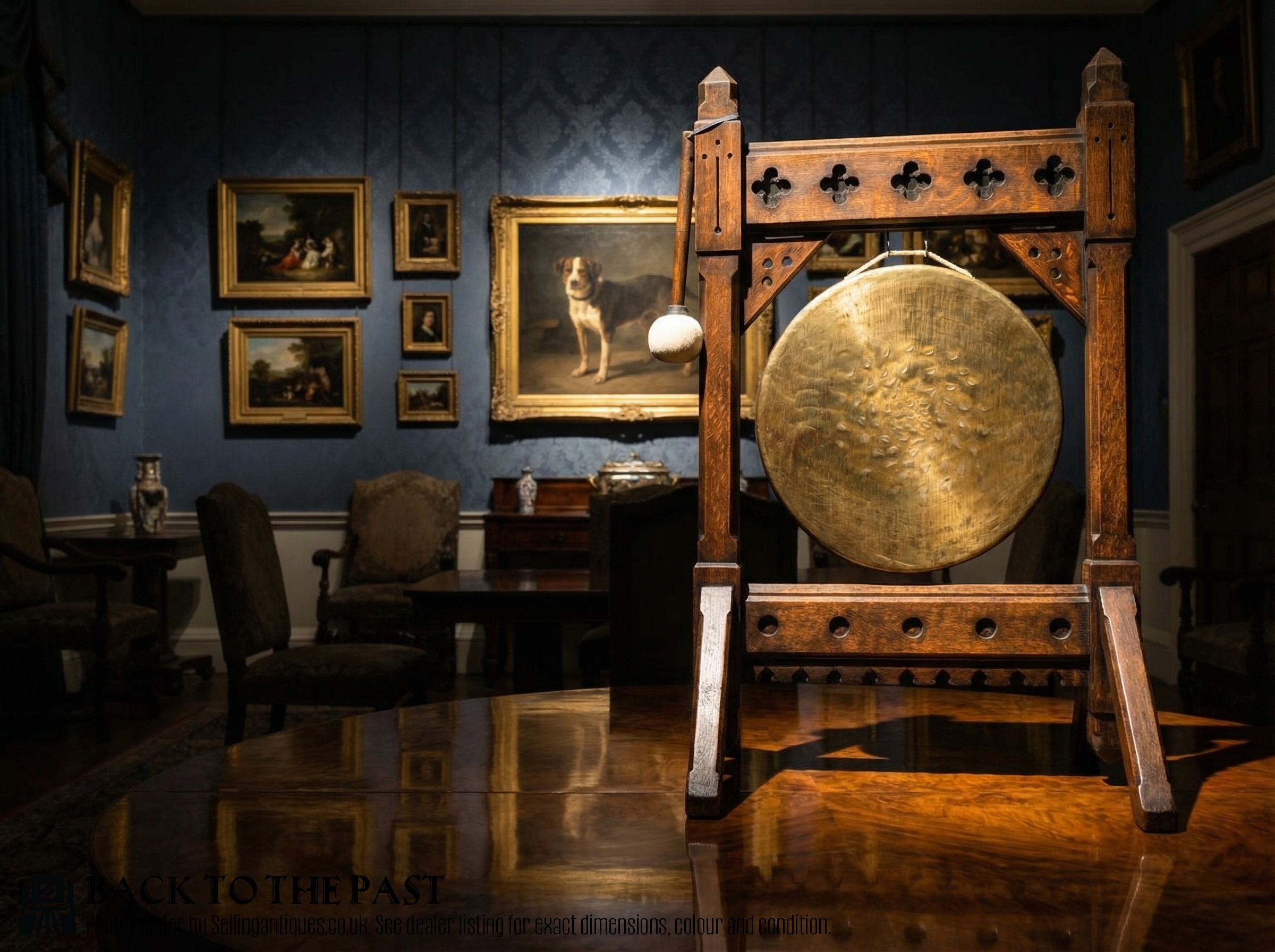
Antique Chime Stand
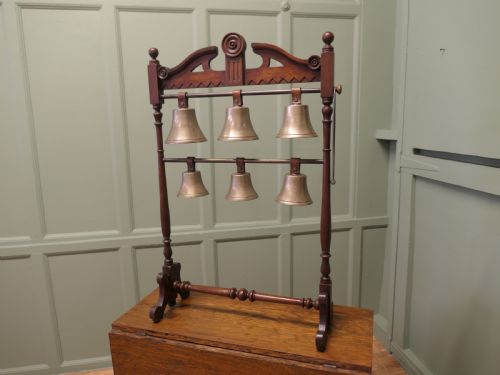
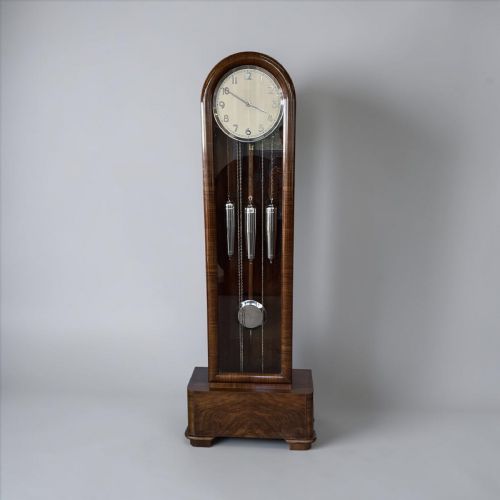
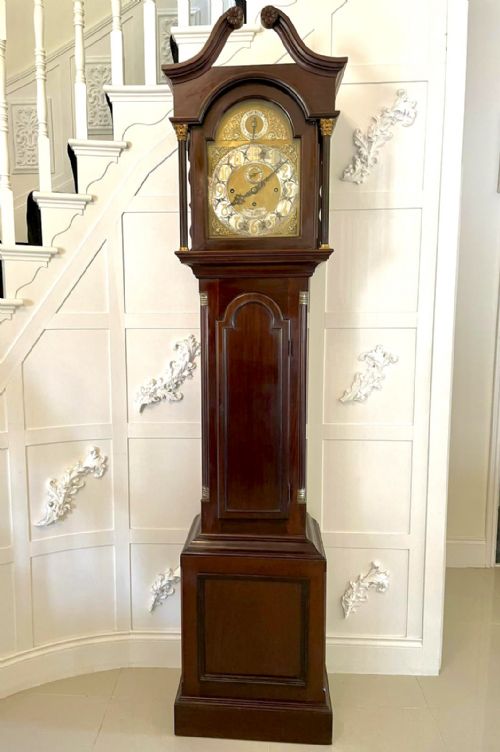
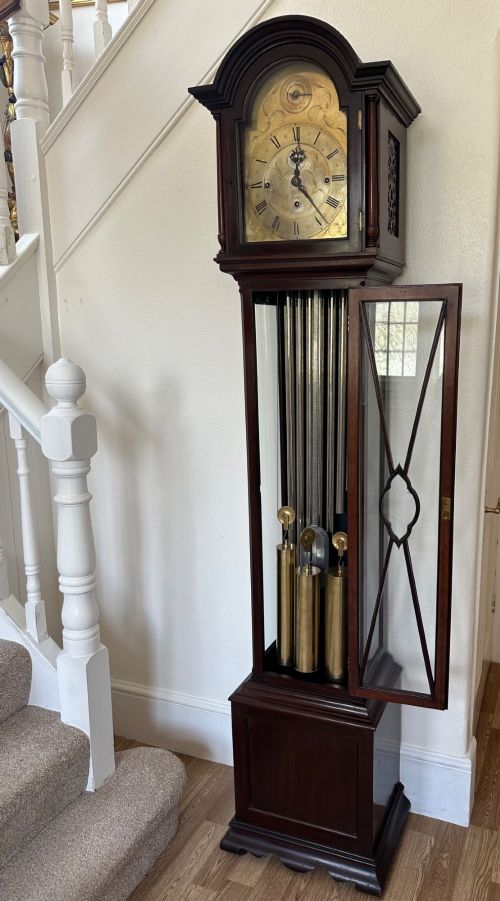
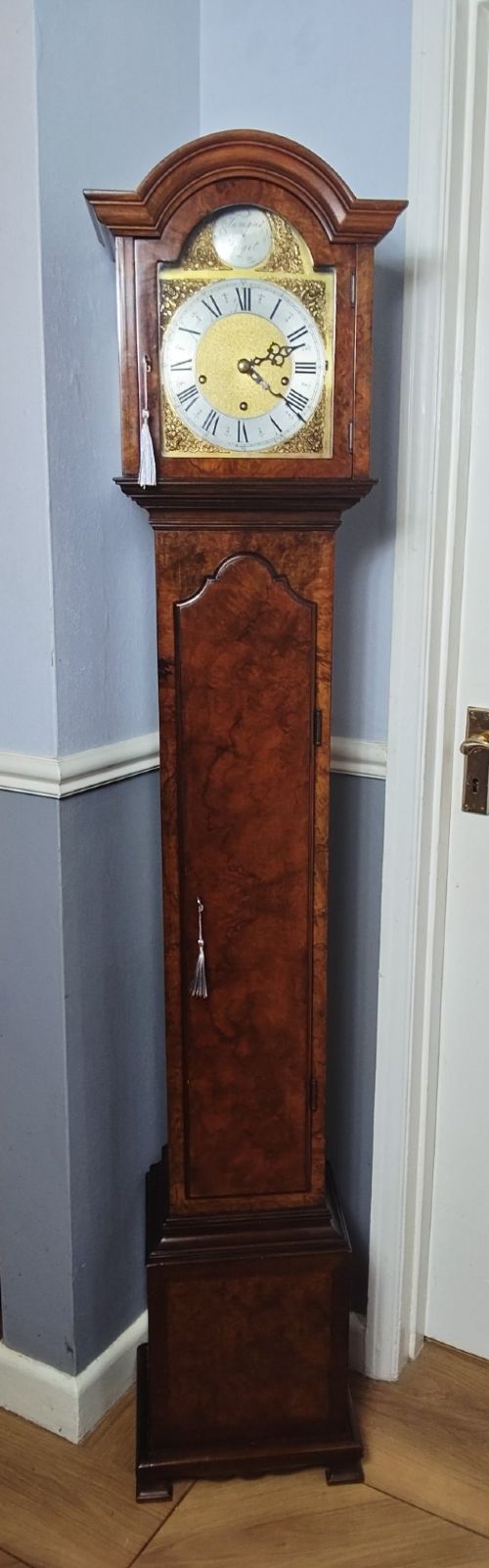
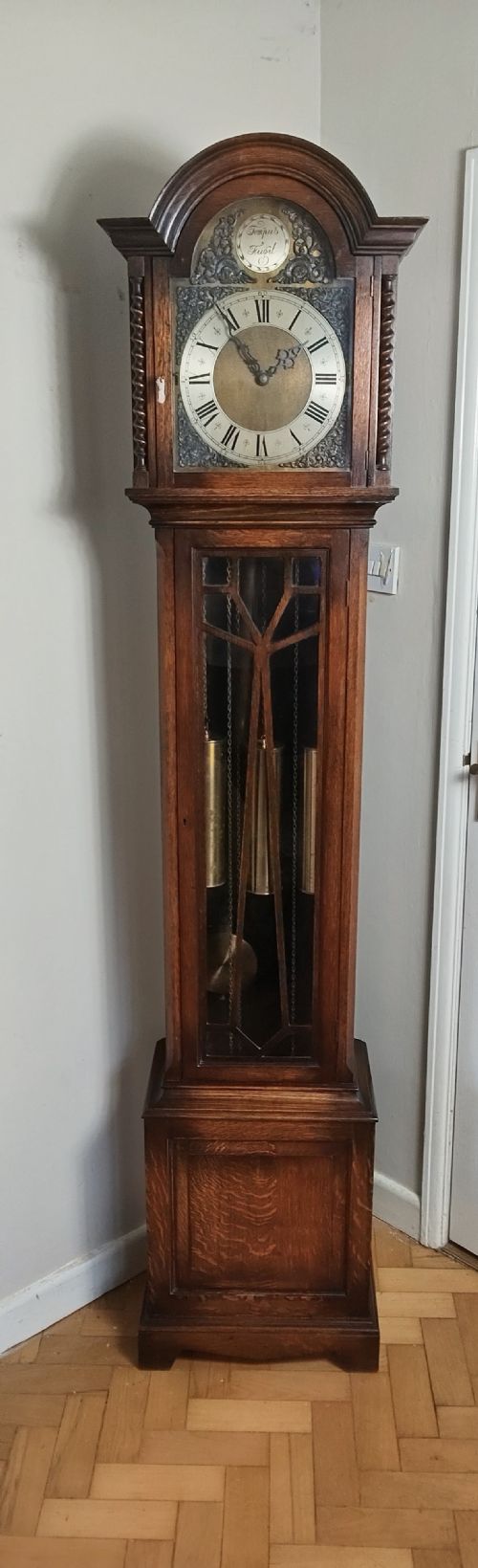
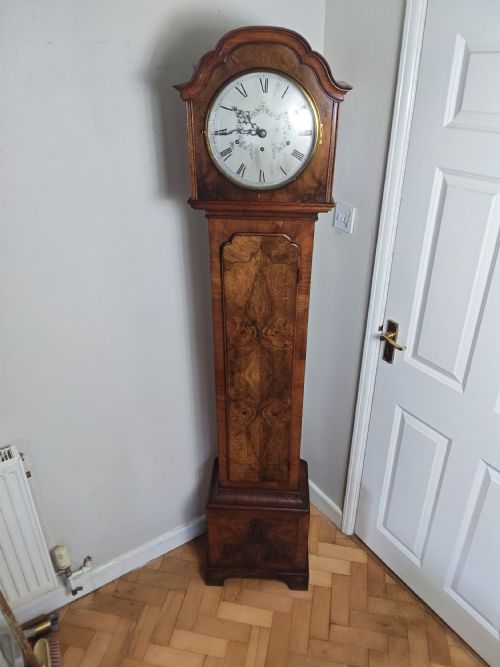
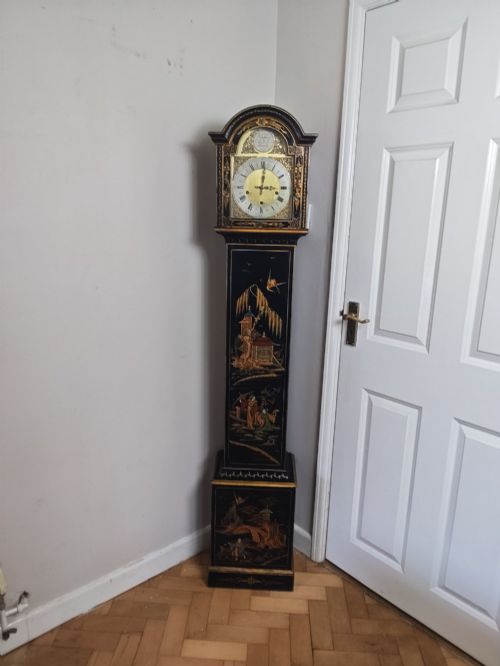
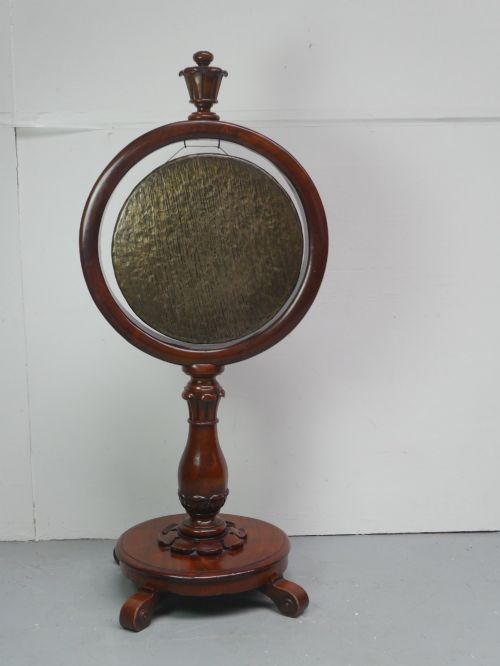
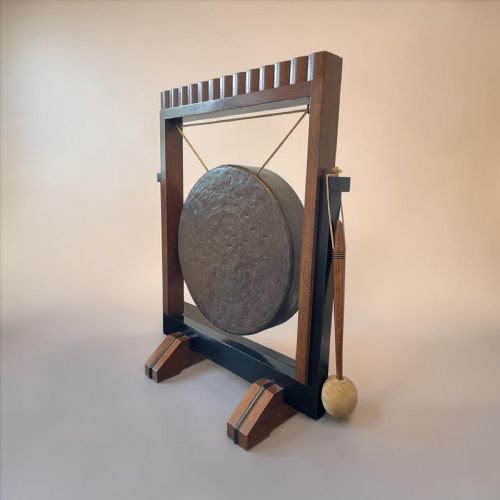
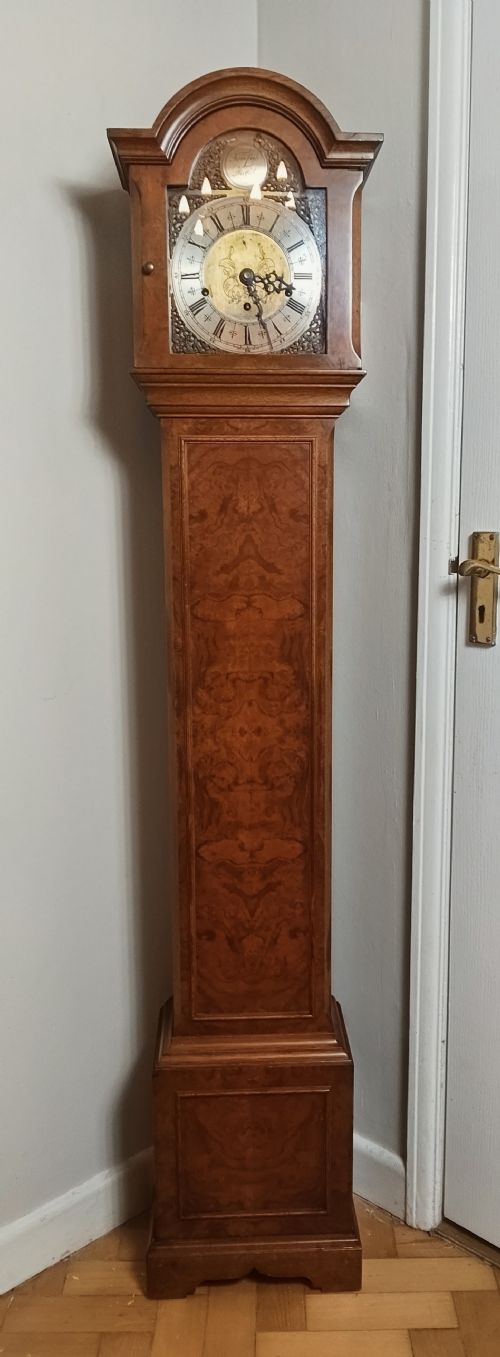
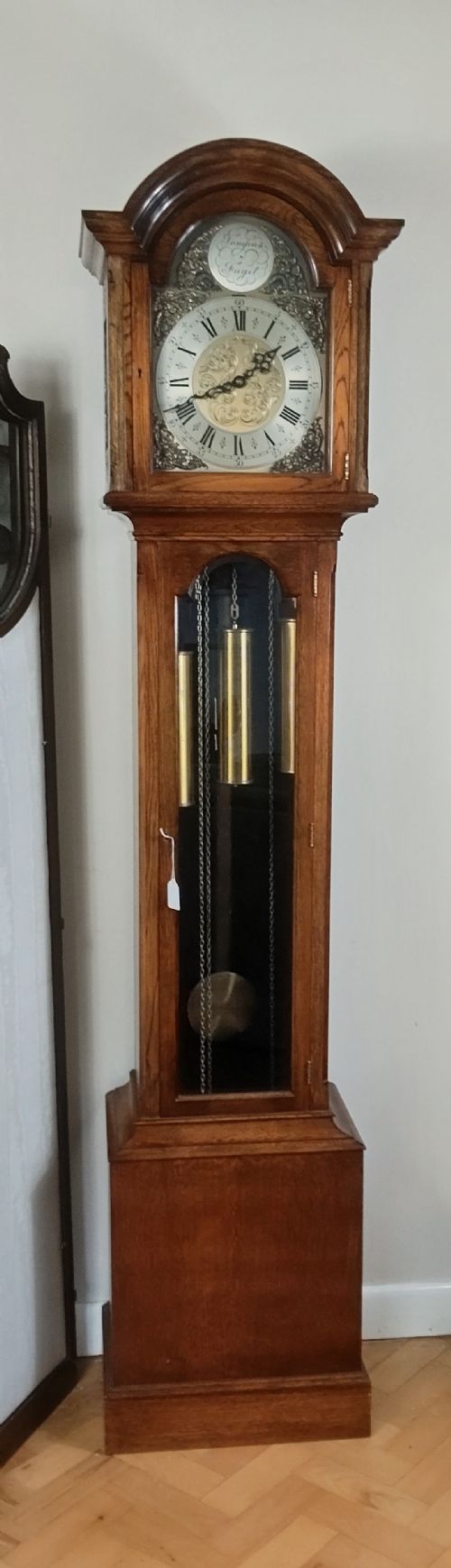
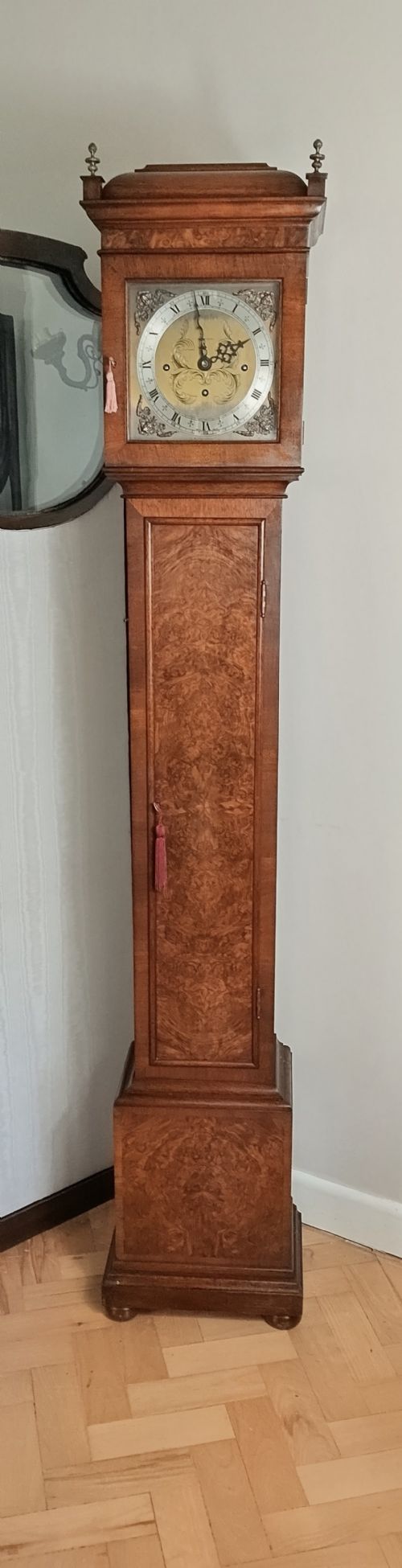
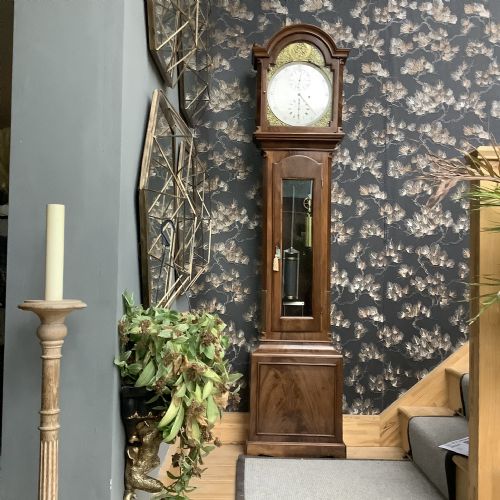
When you search for an antique chime stand, you are looking at tall case clocks, floor-standing gongs, and framed dinner gongs designed to mark time or summon household gatherings with acoustic resonance. These pieces span from the nineteenth century through the Edwardian period and the nineteen-thirties, reflecting diverse domestic interiors.
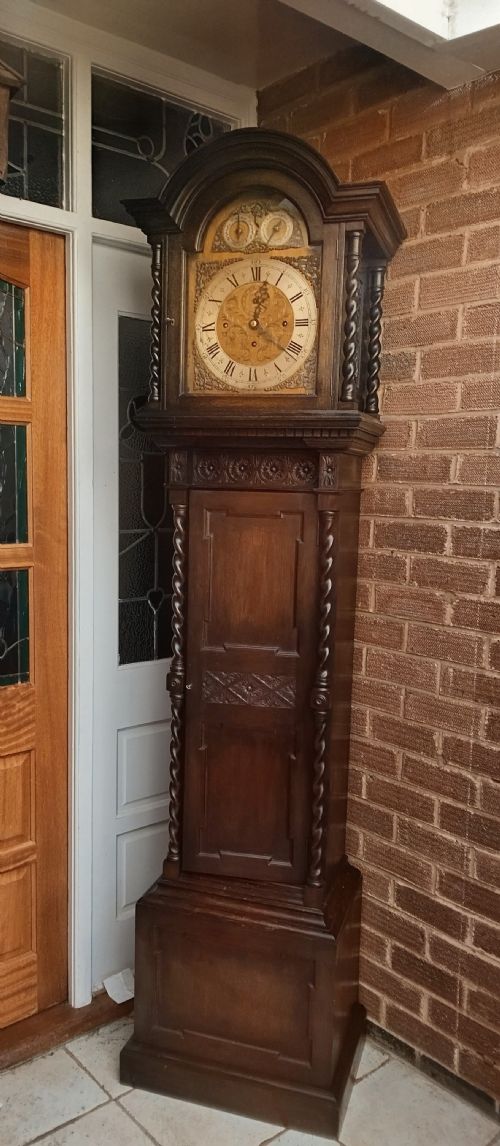
You will most frequently meet tall grandmother and grandfather longcase clocks featuring musical movements, alongside heavy timber-framed gongs intended for dining rooms and hallways. The forms range from compact proportions to monumental floor-standing cases.
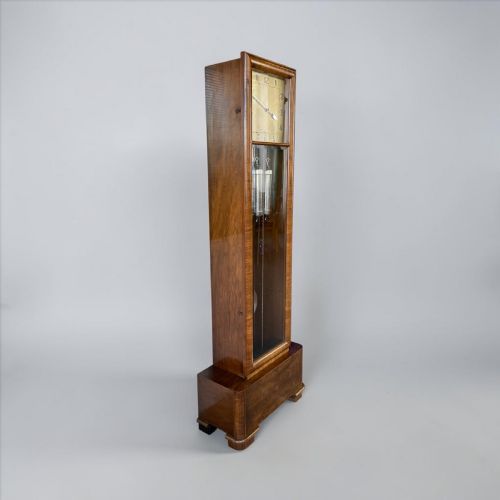
The materials and styles cross from Victorian and Gothic Revival oak designs to inlaid Edwardian mahogany and streamlined Art Deco walnut cases. Each version houses either tuned musical bells, tubular chimes, or suspended brass discs.
How they were made
Makers built these housings using dense hardwoods including mahogany, oak, walnut, and burr walnut veneers, often incorporating inlaid marquetry or intricate carved details. The woodwork supports heavy mechanical movements, brass dials, and suspended bronze or brass bells.
Acoustic components rely on precisely cast brass bells, steel tubular chimes, and metal gong frames secured with cord and wrought iron fixtures. The interior movements combine brass wheels, pinions, and weighted gravity drives to strike the chimes at set intervals.
Listings feature walnut, mahogany, and oak across Victorian, Edwardian, and Art Deco periods, housing both musical clock movements and acoustic gongs.
What varies in quality
The caliber of the case construction sets the standard, separating simple solid timber carcasses from elaborately figured burr walnut veneers and exhibition-quality hand carvings. Superior examples feature crisp marquetry inlay and well-proportioned architectural mouldings.
The complexity and execution of the acoustic movement define the upper tier, distinguishing basic strike-only mechanisms from multi-tune musical cylinders and elaborate nine-tube bell systems. Precision in the gear train ensures clear, sustained tones from the brass bells and tubes.
Winsor Bishop Norwich·ELLIOTT·Bravingtons·Enfield·Gillett and Johnston·HARRODS·LISTER AND SONS·Camerer Cuss and Co
The Antique Chime Stand Glossary
- Grandmother clock
- A smaller version of the traditional longcase clock, standing in reduced proportions while retaining full mechanical and chiming capabilities. These smaller floor clocks became popular during the early twentieth century.
- Dinner gong
- A suspended metal disc or set of tubes struck with a mallet to announce meals in large country houses. They are frequently mounted in elaborate carved wooden or wrought iron stands.
- Tubular bells
- Cylindrical metal chimes hung within a tall clock case to produce deep, resonant cathedral-like tones when struck by internal hammers. They replaced traditional nested bells in many late nineteenth and twentieth-century movements.
- Marquetry
- The art of applying decorative pieces of veneer to a structure to form intricate geometric or floral patterns. This technique enhances the visual depth of mahogany and walnut clock cases.
- Carillon
- A musical mechanism capable of playing several distinct tunes or melodies automatically through pinned cylinders and tuned bells. These complex movements appear in exhibition-quality longcase clocks.
Antique Chime Stand: Frequently Asked Questions
How do I maintain the mechanical movement?
Regular winding keeps the weights functioning properly, while professional cleaning prevents the accumulation of dust in the delicate brass gears.
Avoid placing the timber case near direct heat sources or damp areas to protect the wood and veneer finishes.
Where were these pieces originally placed?
Large longcase clocks and floor-standing gongs usually stood in hallways, stairwells, or principal reception rooms where their acoustic chime could carry through the house.
Smaller table gongs sat on sideboards or dedicated stands within dining spaces for easy access during meals.
How do I distinguish Victorian from Edwardian styles?
Victorian examples often favour heavy carved oak, Gothic Revival motifs, and monumental proportions with dark finishes.
Edwardian pieces tend to introduce lighter inlaid mahogany timbers and more refined, delicate marquetry patterns.
What is the difference between bells and tubes?
Traditional nested brass bells produce a bright, sharp chime when struck by internal clock hammers.
Tubular chimes offer a deeper, resonant sound reminiscent of cathedral bells, hanging vertically within the tall wooden case.