

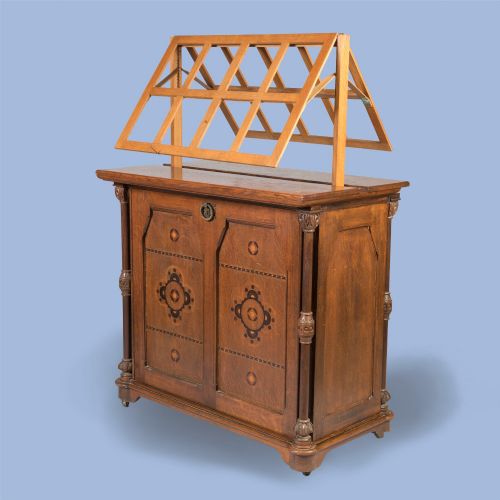


Gothic Architectural Furniture
Gothic architectural furniture brings heavy timber and ecclesiastical scale indoors, offering collectors rich tracery and structural drama derived from medieval buildings.
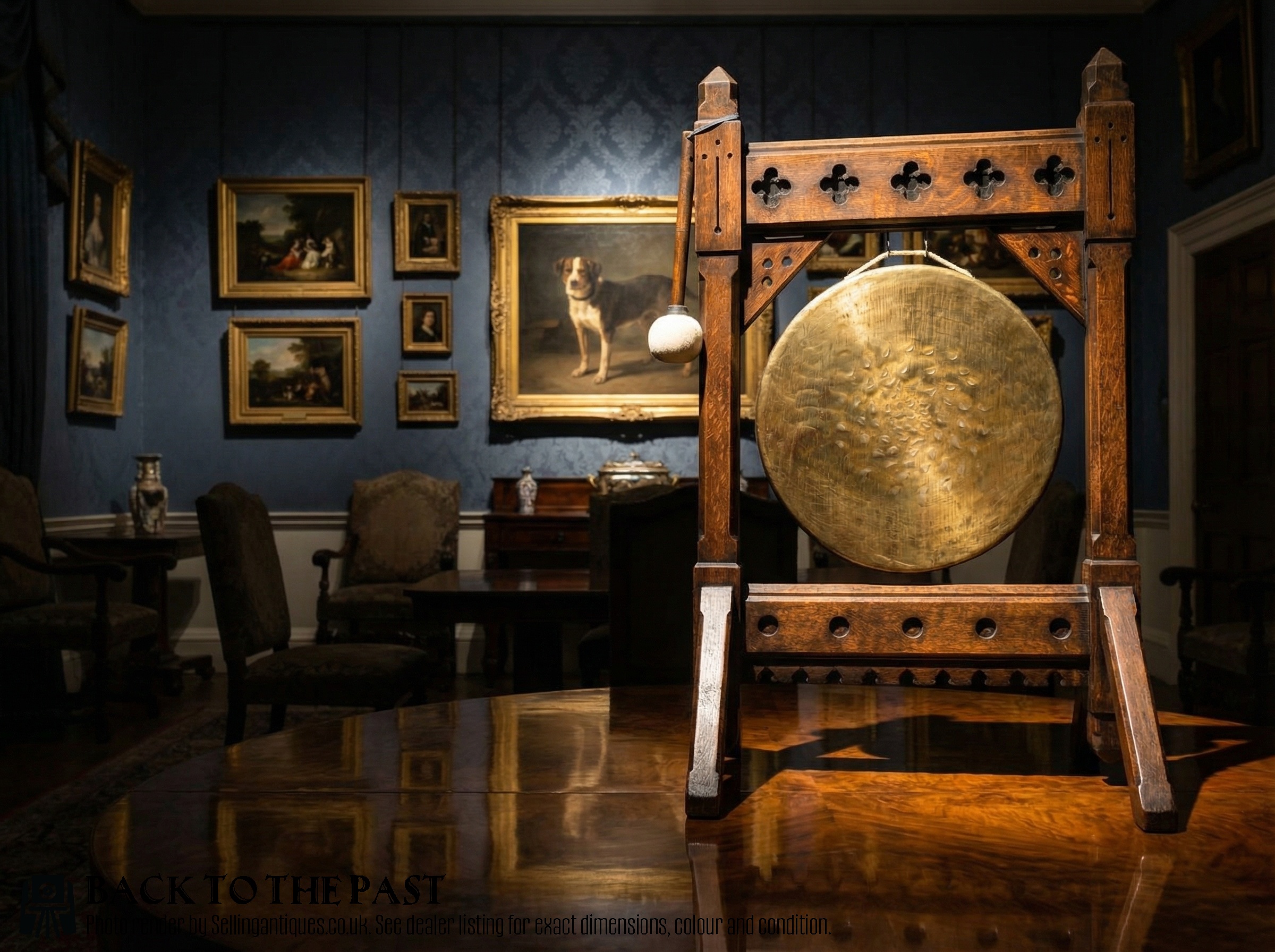
Gothic Architectural Furniture
When you search for gothic architectural furniture, you encounter pieces that borrow their vocabulary directly from churches, abbeys, and medieval halls. The selections on this page span several centuries, running from seventeenth-century elements through eighteenth-century fragments to nineteenth-century Gothic Revival reinterpretations.
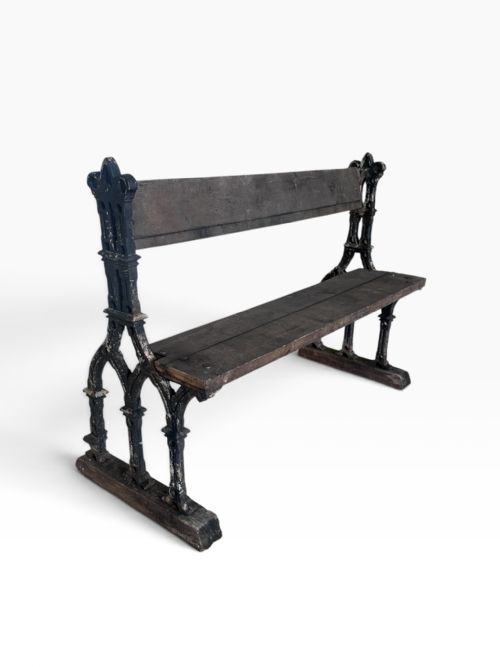
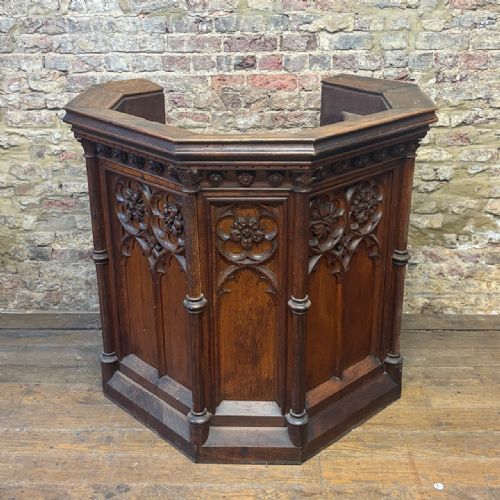
You are most likely to meet Victorian Gothic Revival pieces on this page, particularly oak church pulpits, folio cabinets, and garden benches constructed from cast iron. These items translate monumental stone architecture into domestic or garden scales using sturdy timber and metal.
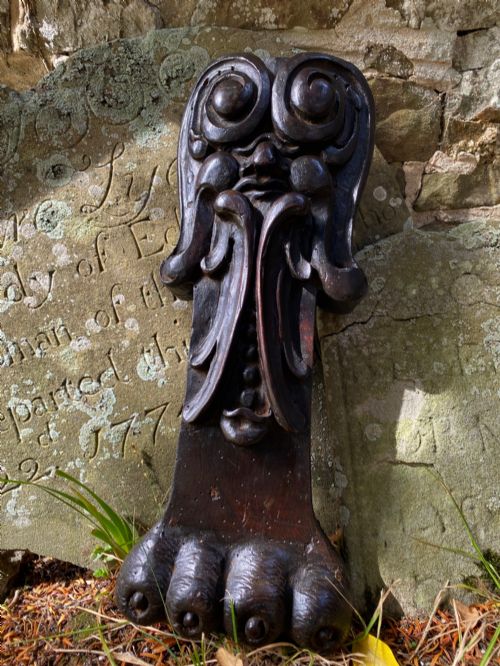
The objects listed range from architectural salvage and carved panels to functional items like door knockers, dinner gongs, and entrance screens. Each piece carries structural motifs such as barleyswist rails, griffin terminals, and finials that echo ecclesiastical design.
Materials and construction methods
Oak dominates the timber construction, appearing in carved panels, pulpits, cabinets, and finials across multiple centuries. Carpenters and joiners utilised this dense wood to withstand deep relief carving and structural weight.
Gothic Architectural Furniture Retail Price Guide 2026
Typical asking prices for gothic architectural furniture among the pieces listed under this phrase on Sellingantiques today, from the lower quarter to the upper quarter. They describe what is for sale here now, not the wider market.
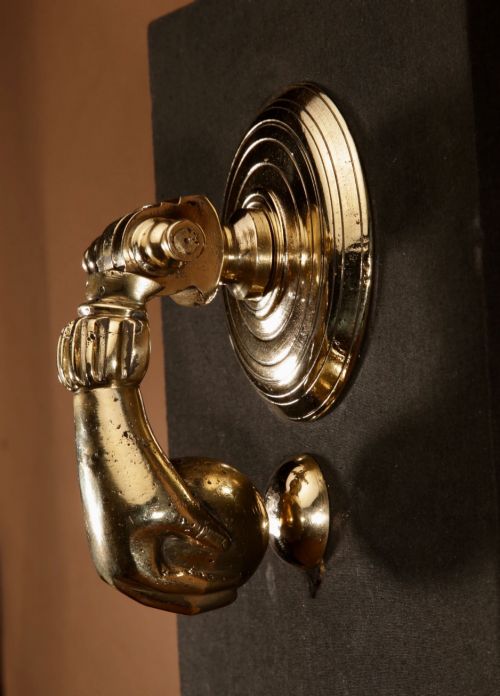
A large bronze door knocker takes the startling shape of a human hand, ready to announce visitors with medieval weight.
Assessing quality in construction and design
Quality rests upon the crispness of the carving and the integrity of the material, particularly in how deeply the oak is worked and how cleanly the metal is cast. Pieces that retain sharp detail in their tracery and mouldings show greater fidelity to their architectural models.
The integration of salvage elements into functional forms determines the success of a piece. Finer examples balance their heavy architectural origins with balanced proportions, while lesser items can feel cluttered by an excess of applied ornament.
Benjamin Taylor & Sons
The Gothic Architectural Furniture Glossary
- Gothic Revival
- An architectural and decorative style beginning in the mid-eighteenth century and flourishing in the nineteenth that revived medieval forms. It draws heavily on pointed arches, ribbed vaults, and ornate tracery.
- Pew End
- The vertical wooden panel terminating a church pew, frequently decorated with carved mouldings or attached rails. In domestic settings, these often survive as architectural fragments or repurposed elements.
- Griffin
- A mythical creature with the body of a lion and the head and wings of an eagle, often used in carved terminal figures. They appear as decorative supports and architectural embellishments.
- Finial
- A decorative ornament that marks the topmost point of a gable, pinnacle, or piece of furniture. These are frequently carved in oak to cap structural verticals.
- Folio Cabinet
- A specialised piece of furniture designed for storing large sheets of paper, prints, or drawings. In Gothic Revival forms, these cabinets incorporate heavy paneling and ecclesiastical hardware.
Gothic Architectural Furniture: Frequently Asked Questions
What is gothic architectural furniture?
Gothic architectural furniture encompasses items built in the medieval style or adapted directly from architectural salvage, such as church pulpits, screens, and carved panels.
These pieces use heavy oak, iron, and brass to recreate the imposing forms of medieval buildings within domestic and institutional spaces.
How do I date a gothic piece?
Dating relies on examining the timber species, tool marks, and stylistic clues that distinguish seventeenth-century work from nineteenth-century Gothic Revival revivals.
Victorian pieces often display machine-sawn elements and standardised ironwork, whereas older items show hand- Hewn surfaces and vernacular construction methods.
Are these pieces functional today?
Many items, such as oak cabinets, garden benches, and door hardware, remain entirely practical for modern domestic use.
Other elements like pulpits, screens, and architectural fragments serve as decorative focal points or room dividers rather than traditional furniture.
What metals are used in these items?
Makers utilised cast iron, wrought iron, brass, and bronze depending on the specific function of the hardware or furniture piece.
Garden benches typically rely on sturdy cast iron frames, while interior hardware and decorative objects feature polished brass or bronze.