

Antique Children Sculpture
These antique children sculpture pieces capture youth and devotion through bronze, marble and carved wood from the eighteenth century onwards.
Antique Children Sculpture
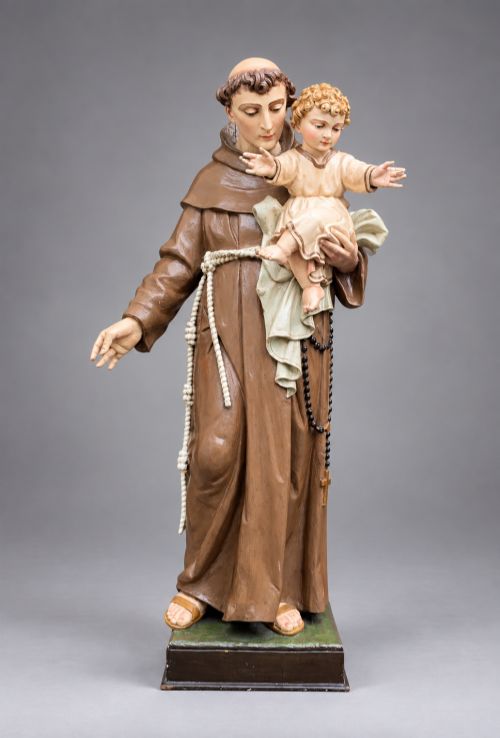
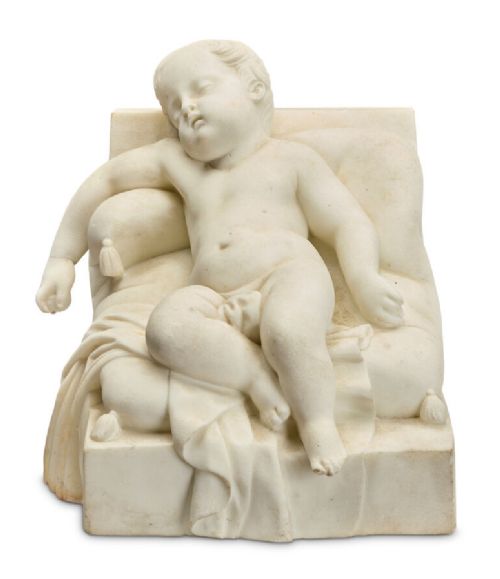
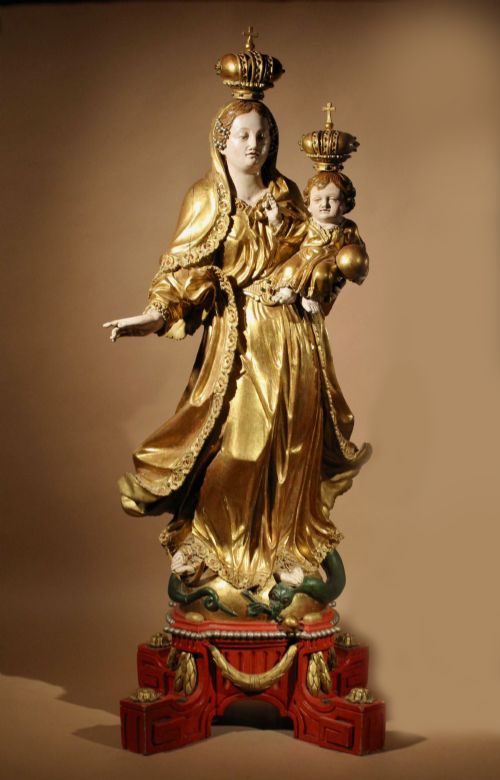
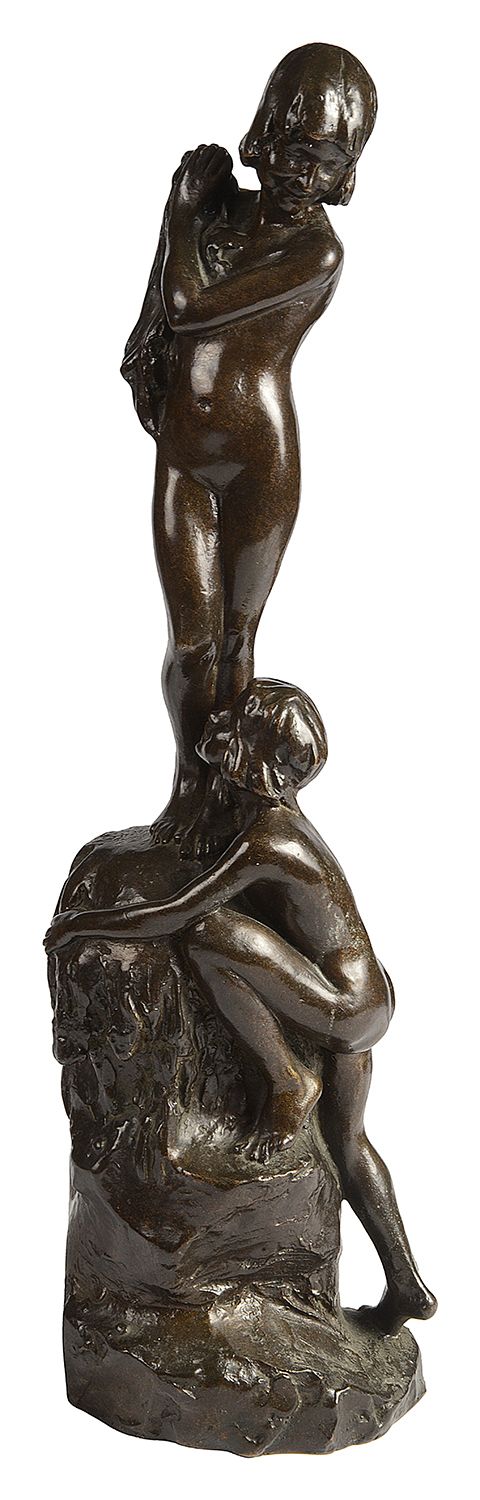
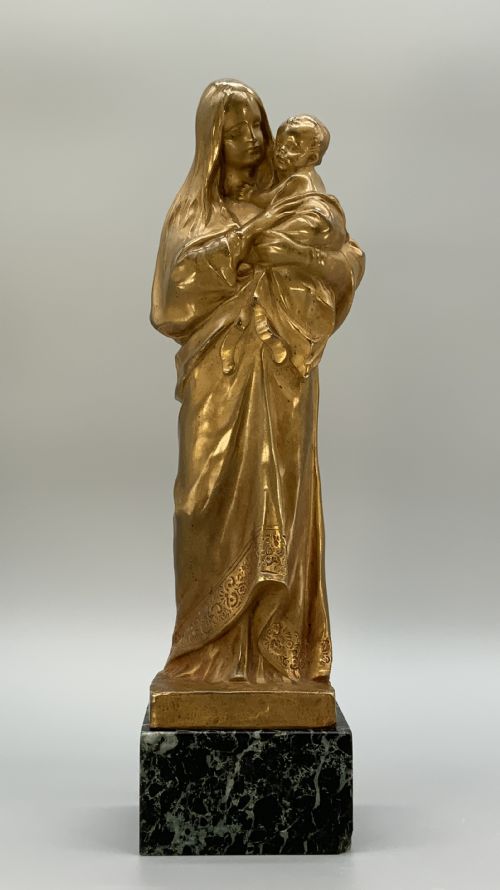
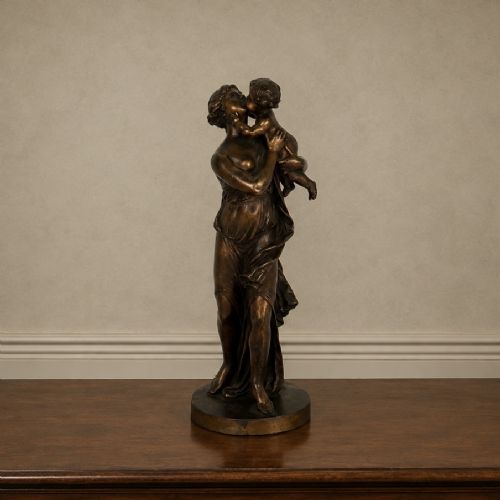
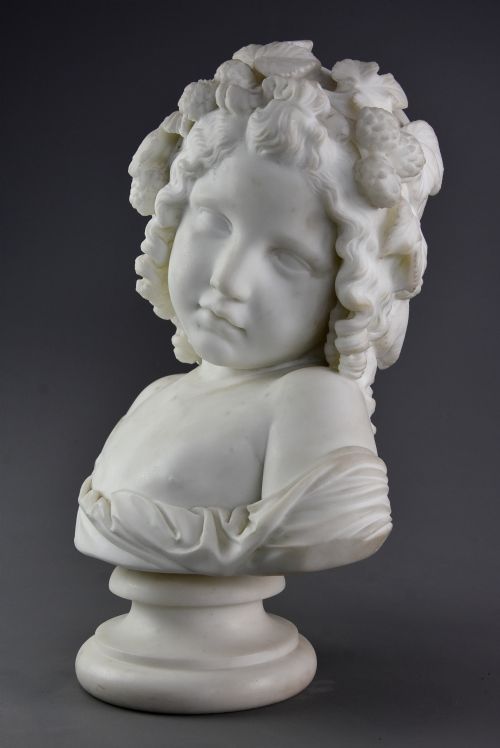
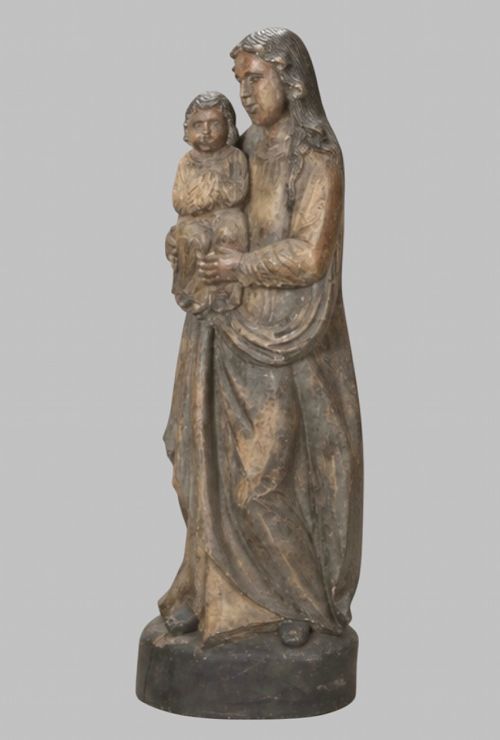
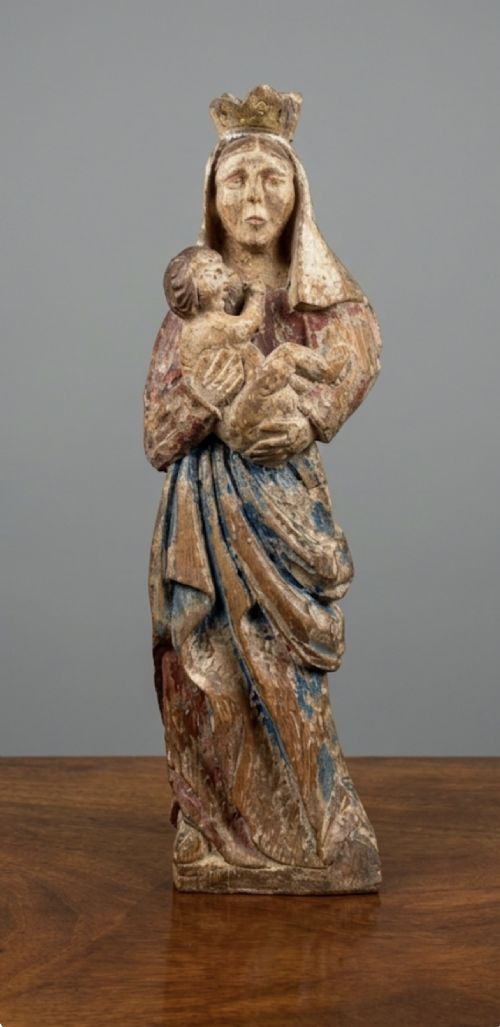
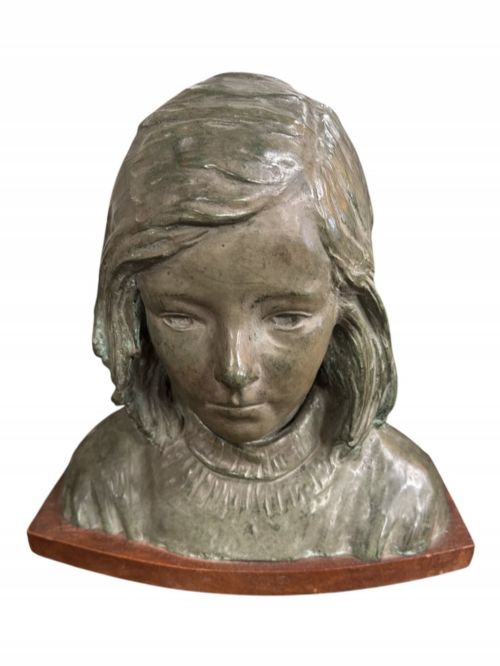
When you search for antique children sculpture, you encounter figures ranging from classical bronze putti and marble busts to carved wooden devotional images of the Madonna and child. The selection draws heavily on nineteenth century European foundry work, Grand Tour souvenirs, and religious woodcarvings spanning multiple centuries. Most pieces on this page represent either idealized youth, mythological children, or traditional maternal subjects.
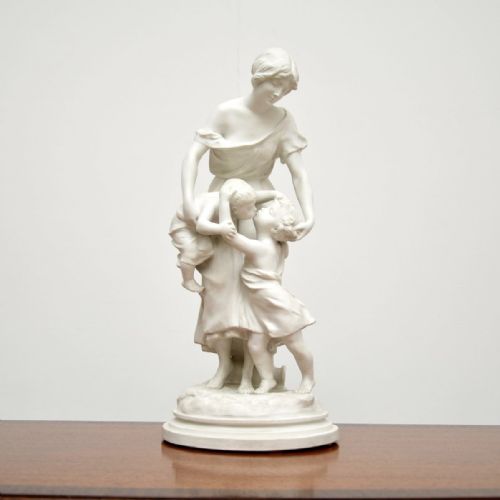
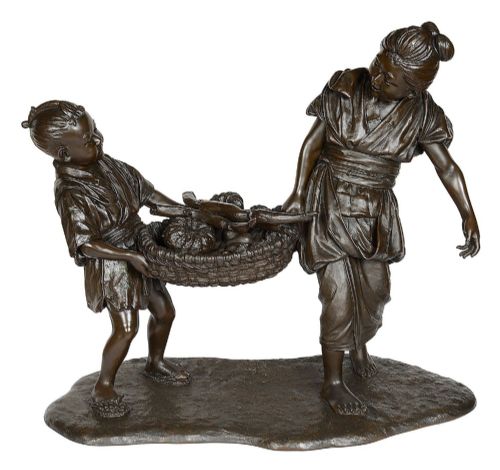
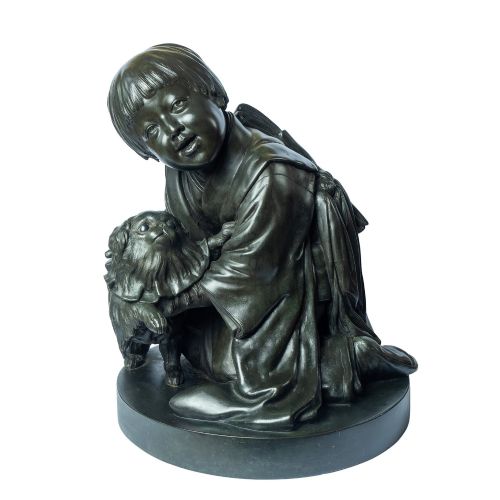
Makers and subjects vary widely, from Japanese bronze okimono to portrait busts of young boys and girls carved in walnut or rendered in Parian porcelain. You will find both secular decorative figures, such as bathing children or boys eating grapes, and sacred works depicting saints and holy infants. These forms reflect the diverse aesthetic priorities of periods including the Victorian era, Art Deco, and the Gothic Revival.
How they were made
Foundries produced bronze figures through lost wax or sand casting methods, often finishing the metal with patination, polychrome colours, or gold leaf gilding. Marble and alabaster busts required careful hand carving and polishing from solid blocks of stone to achieve lifelike skin textures and drapery.
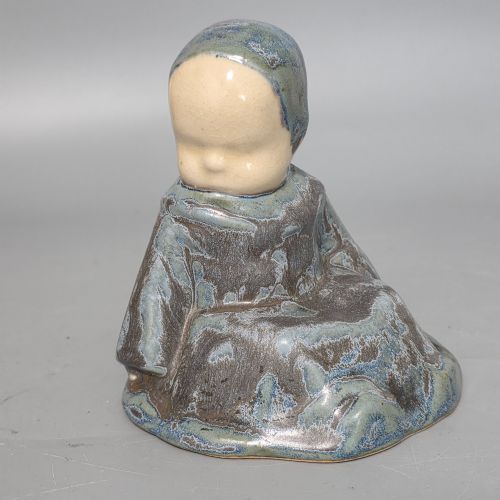
Woodcarvers utilised lime, walnut, and oak for devotional and portrait pieces, frequently applying paint or polychrome finishes directly to the carved grain. Ceramic and porcelain works, including bisque and stoneware, relied on specialised kiln firing and moulding techniques perfected by European factories.
Listings feature works spanning the eighteenth, nineteenth, and early twentieth centuries, executed in bronze, marble, wood, and porcelain.
What varies in quality
The refinement of the chisel work, the crispness of the bronze casting details, and the sensitivity of the facial expression determine the standard of a piece. Superior sculptures exhibit a careful attention to anatomical proportion and drapery that lesser decorative items lack.
The choice of material and the reputation of the sculptor or foundry heavily influence the standing of an object. Signed works by documented artists command greater attention than unsigned factory productions.
Hans Müller·Masaaki·Berthe Savigny·George Henry Paulin·Luca Madrassi·P. Sega·H. Chiparus·Auguste Moreau·Carl Kauba·John Durham·Vincenzo Aurisicchio
The Antique Children Sculpture Glossary
- Putto
- A figure of a small naked child, commonly found in classical and Renaissance art. They frequently appear in religious and secular sculptures alike.
- Parian
- A type of fine biscuit porcelain resembling white marble, developed in the nineteenth century for statuary figures. British potteries utilised this material extensively for portrait busts.
- Okimono
- A Japanese ornamental statue designed for display on a shelf or in a cabinet. These carved or cast objects often depict daily scenes or figures.
- Grand Tour
- A traditional trip through Europe undertaken by upper-class young men during the eighteenth and nineteenth centuries. Travellers collected small bronzes and marble busts as mementos.
Antique Children Sculpture: Frequently Asked Questions
What materials are common in these sculptures?
Sculptures from this category appear primarily in bronze, carved wood, carrara marble, and various ceramic bodies such as Parian and bisque porcelain. Artists also utilised alabaster, terracotta, and stoneware.
Makers selected these materials based on the intended function of the piece, whether for a domestic interior, a garden plinth, or a church altar.
How do I identify the period of a piece?
Stylistic indicators such as Neoclassical drapery, Victorian sentimentality, or Art Deco geometric lines provide primary clues to a sculpture's age. Signatures, foundry marks, and material wear offer additional dating evidence.
Comparing the manufacturing technique against known historical periods helps narrow down the decade of production.
Were these figures meant for display?
Many bronze and marble busts served as decorative ornaments for libraries, drawing rooms, and studies during the nineteenth century. Others functioned as personal souvenirs from European travels.
Religious sculptures, by contrast, were created for devotional spaces, private chapels, and altars.
How do I care for marble and bronze?
Bronze pieces require occasional dusting with a soft cloth and benefit from a very light application of microcrystalline wax to protect the patina. Marble and alabaster should be cleaned gently without harsh chemical solvents.
Keeping these materials away from direct sunlight and excessive moisture preserves their surfaces over time.