

Antique Cheval Vanity
An antique cheval vanity provides a pivoted, full-length or tabletop reflection for the dressing room, combining functional glass with period cabinetry.
Antique Cheval Vanity
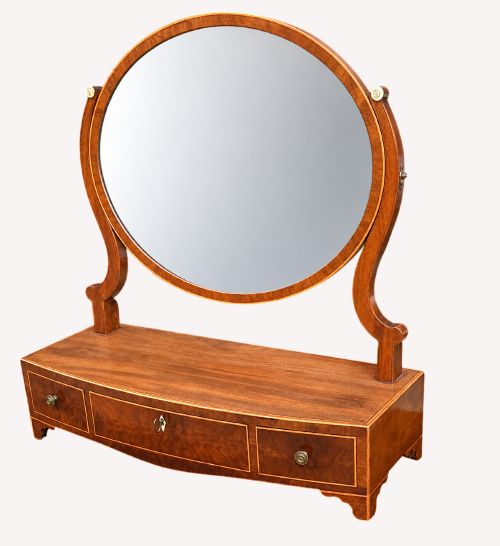
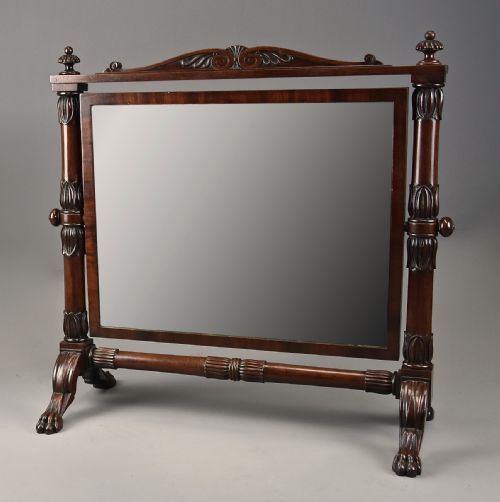
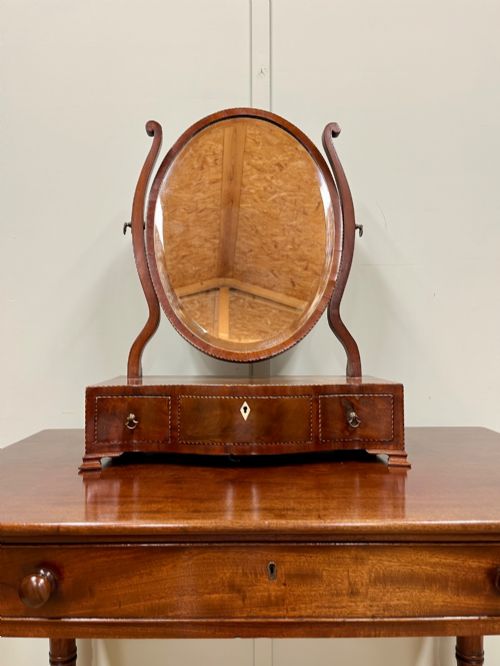
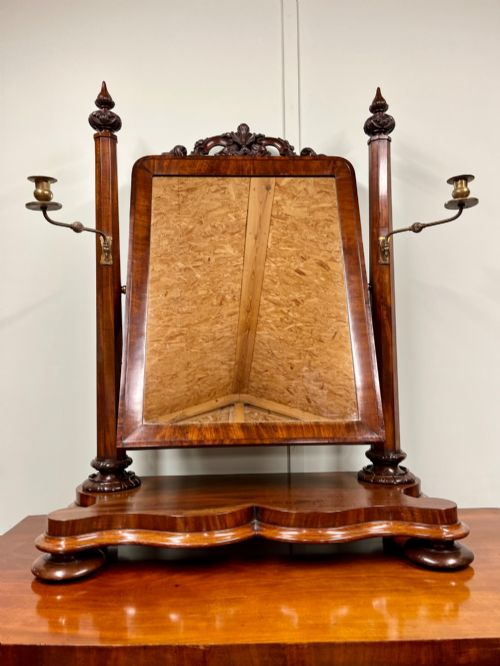
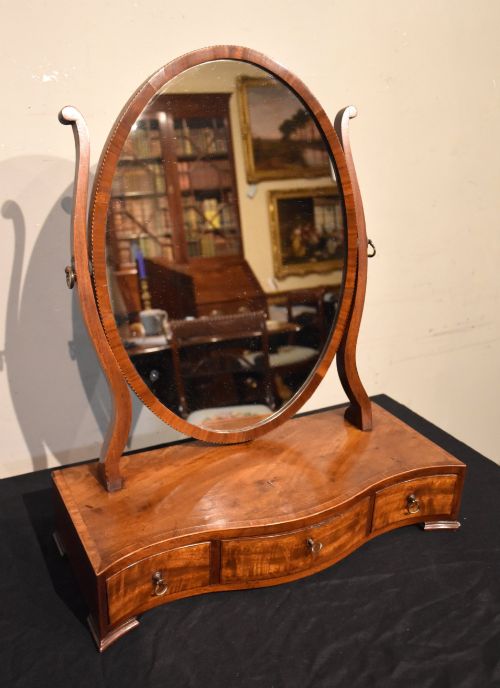
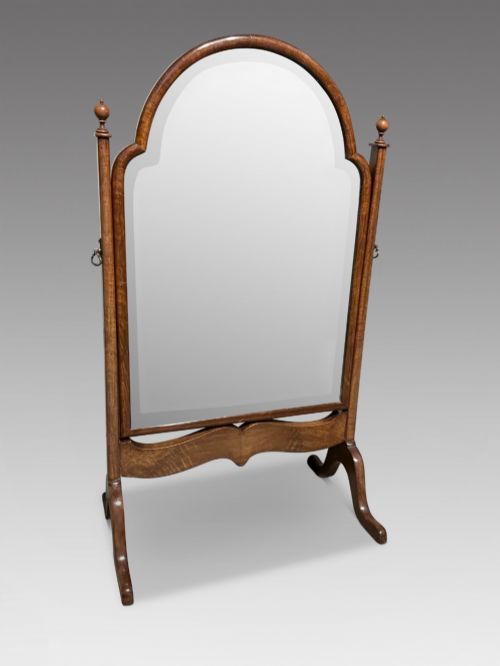
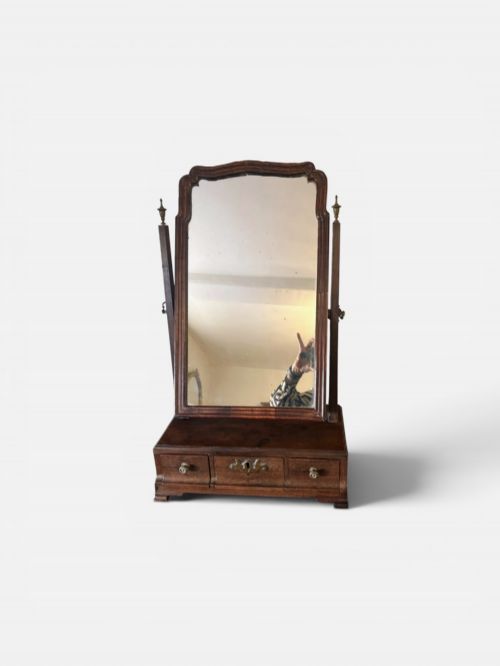
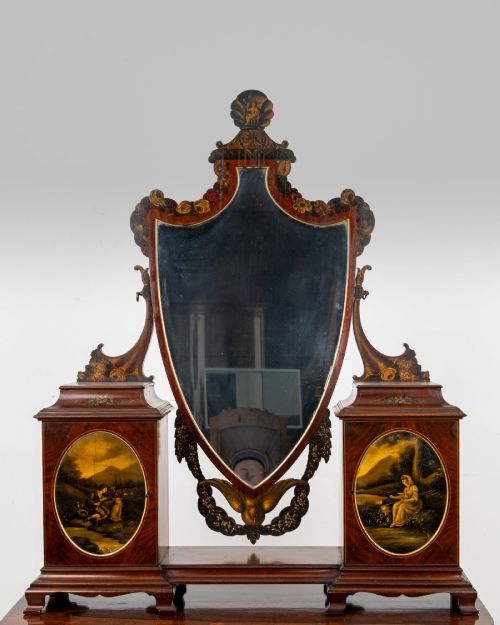
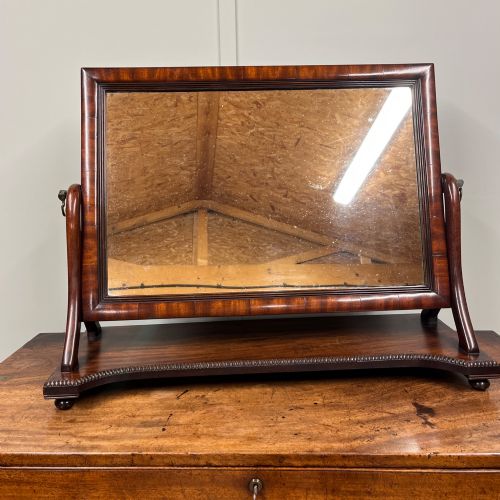
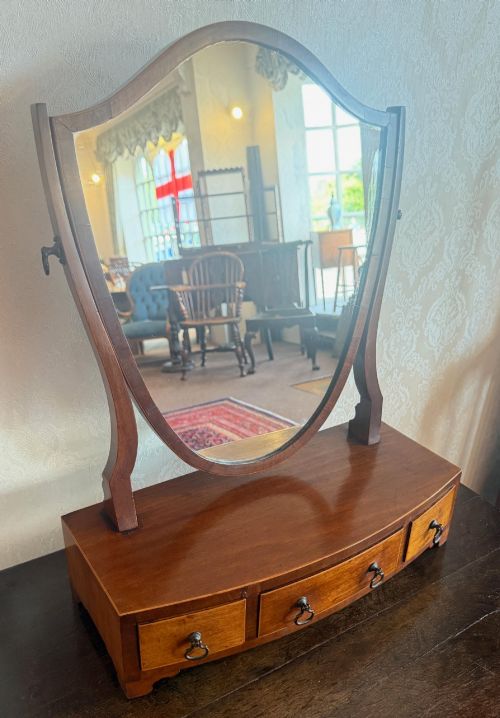
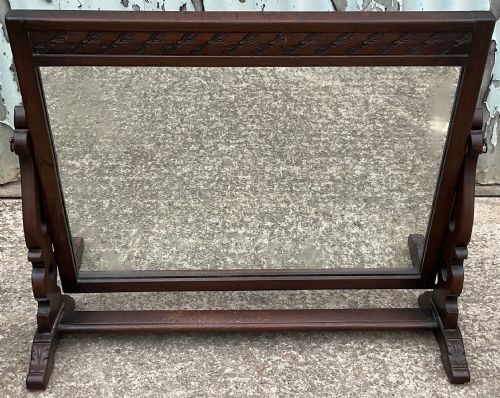
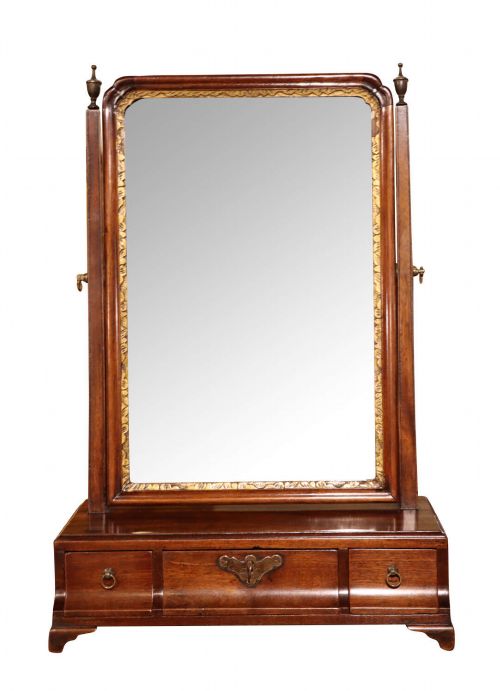
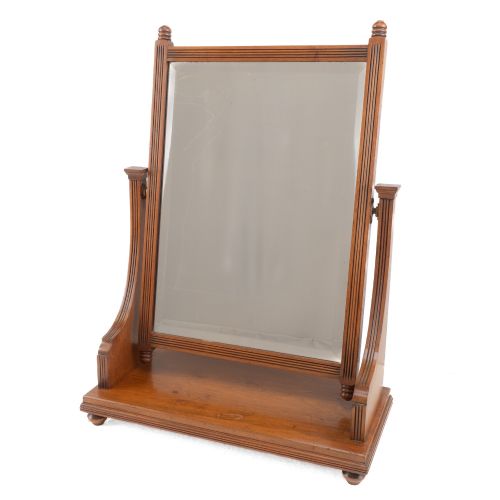
When you search for an antique cheval vanity, you encounter a range of dressing mirrors, toilet mirrors, and swing mirrors designed for personal grooming. These pieces span from the 18th century through the Georgian, Regency, and Victorian periods, reflecting shifting interior fashions.
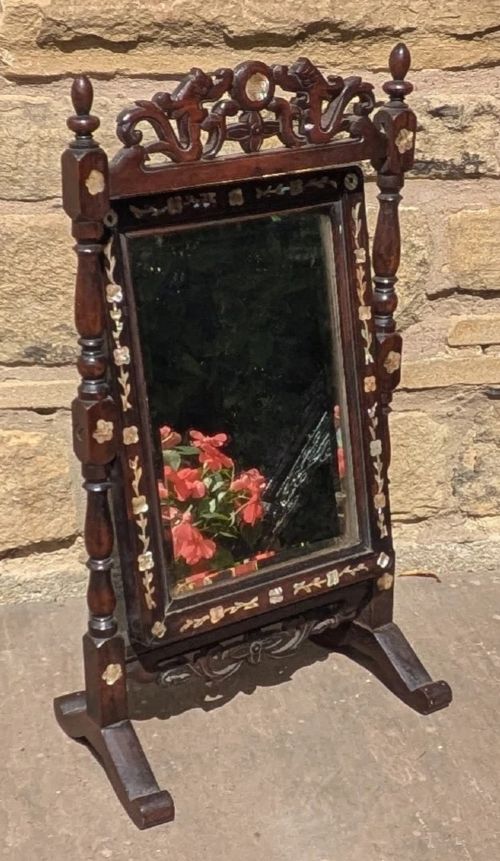
Origins vary from English workshops to French and Chinese makers, offering diverse decorative treatments including marquetry, boxwood inlay, and bronze mounts.
Materials and construction
Cabinetmakers relied heavily on dense hardwoods such as mahogany and walnut, frequently selecting figured veneers for the main panels and drawer fronts. Boxwood inlay, brass pivots, and bone details added refined contrast to the structural timber.
The reflective elements consist of mirror glass and bevel-edged looking glass secured within adjustable wooden frames. Supporting stands utilise brass fittings and sturdy pedestals to handle the weight of the pivoting glass.
The listings span the 18th, 19th, and early 20th centuries, featuring mahogany, walnut, and oak alongside brass and mother of pearl.
Assessing quality in the range
Quality rests primarily on the choice of timber and the precision of the cabinetwork, particularly in the dovetailing of drawers and the turning of support columns. Finer examples display carefully matched wood grain and subtle, hand-cut inlay rather than mass-produced decoration.
The stability of the swing mechanism and the clarity of the original mirror glass further distinguish superior pieces. Well-executed proportions and intact brass hardware indicate a higher standard of manufacture.
P & MA Nicholson
The Antique Cheval Vanity Glossary
- Cheval mirror
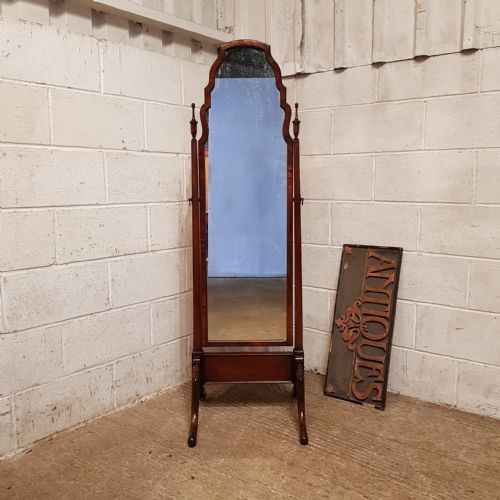
- A freestanding full-length mirror suspended on a frame with side pivots. This design allows the user to tilt the glass to various angles.
- Toilet mirror
- A smaller dressing mirror designed to sit upon a chest of drawers or a dedicated dressing table. They often feature small storage drawers in the base.
- Marquetry
- Decorative veneer work formed by fitting together small pieces of different woods, bone, or shell to create pictorial patterns. Dutch makers frequently utilised this technique.
- Swing mirror
- A glass panel hung within side uprights on pivot screws, permitting forward and backward rotation. It forms the working element of most period dressing mirrors.
Antique Cheval Vanity: Frequently Asked Questions
How do I date a mirror?
Dating relies on examining the construction methods of the wooden frame, the type of timber used, and the characteristics of the mirror glass itself. Older plates often display slight distortions or hand-beveled edges.
Secondary woods inside drawers and the style of brass pivot hardware also offer reliable clues to the period of manufacture.
Where should I place a cheval vanity?
These pieces suit bedrooms, dressing rooms, or hallways where natural light can illuminate the glass. Freestanding cheval mirrors require adequate floor space to allow the frame to pivot safely.
Tabletop versions need a sturdy surface like a sideboard or chest of drawers to support their weight and height.
Are the mirror plates original?
Many period pieces retain their original mirror glass, though some have been replaced over the centuries due to damage or foxing. Original plates often show age spots and minor oxidation.
Replacement glass is common and does not necessarily diminish the utility of the dressing mirror if the antique frame remains intact.
How do I care for the wood?
Maintain the finish by dusting regularly with a soft, dry cloth and avoiding direct sunlight or damp environments. Period polishes and wax help nourish old mahogany and walnut surfaces.
Avoid using modern chemical sprays that can degrade historic French polish or varnish.