

Carved Wooden Vanity
These carved wooden vanity items and associated pieces bring genuine period character to a room, offering both practical utility and fine craftsmanship.
Carved Wooden Vanity
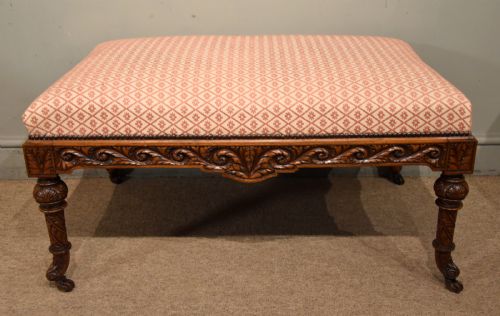
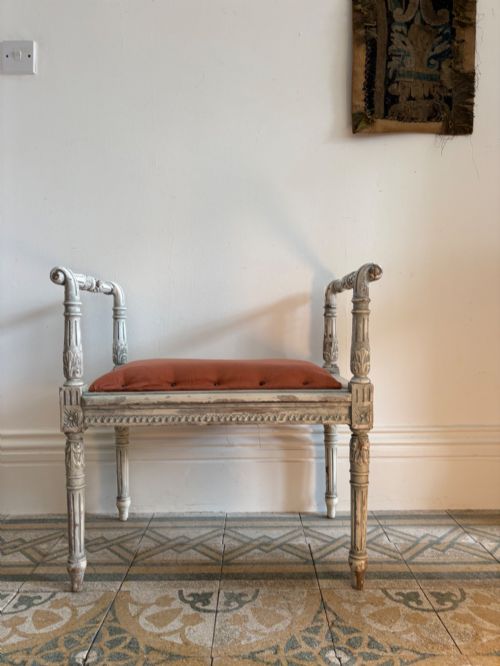
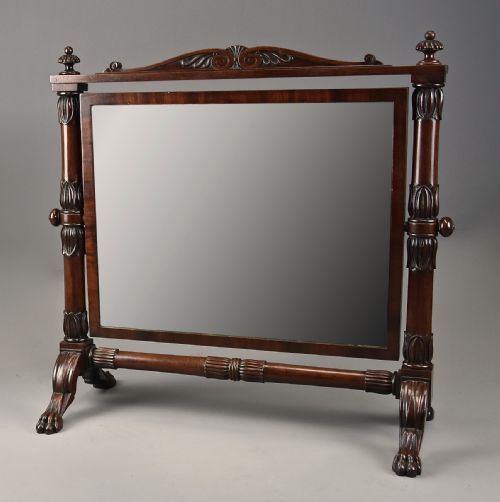
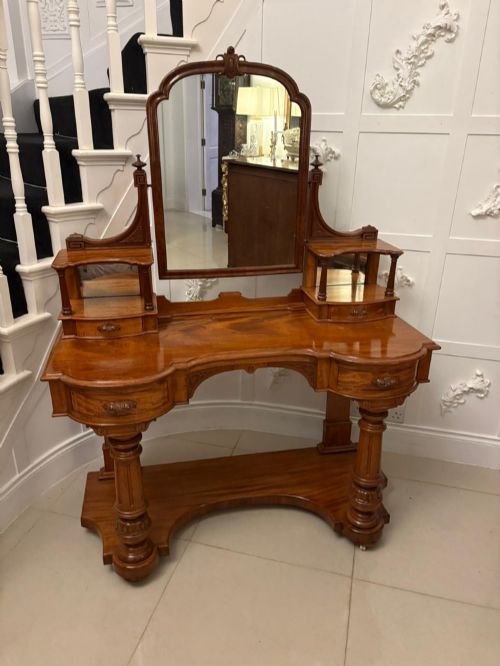
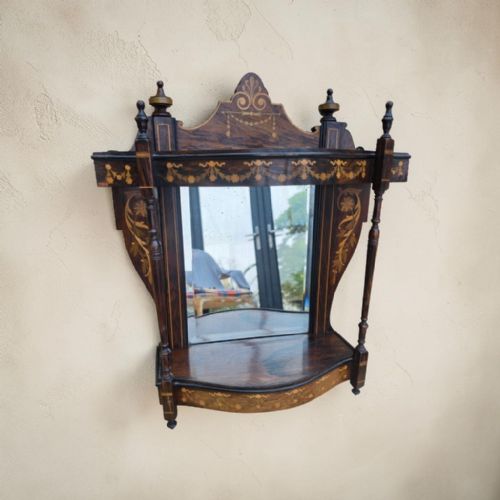
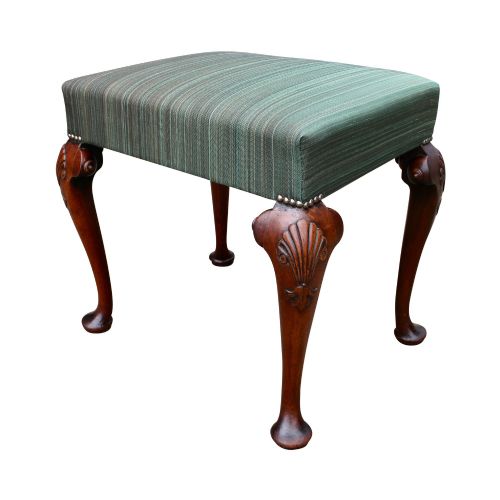
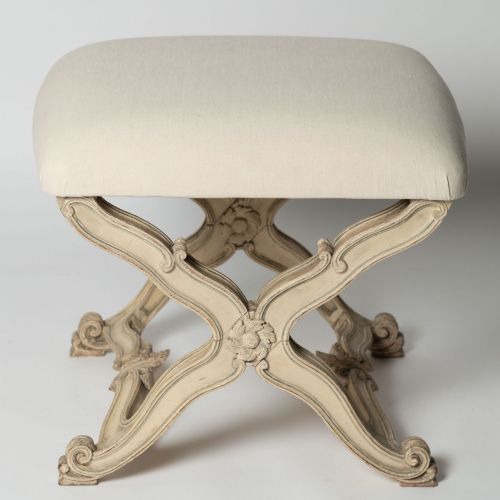
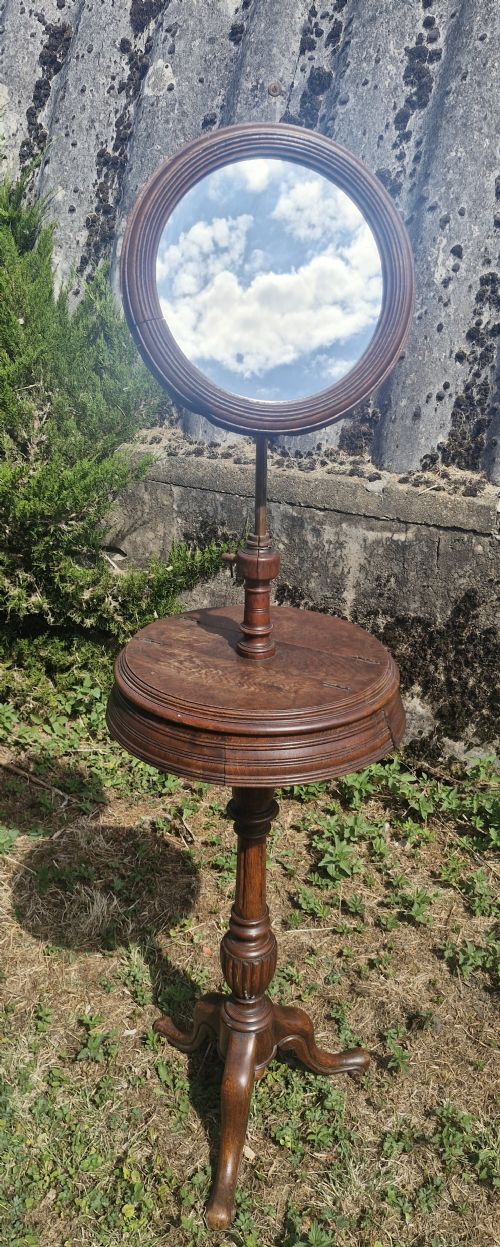
When you search for carved wooden vanity, you encounter a diverse selection of seating, mirrors, and dressing tables originating from the nineteenth century onward. These objects served functional daily routines in period dressing rooms and bedrooms, fulfilling tasks from hair dressing to personal grooming.
Materials and construction methods
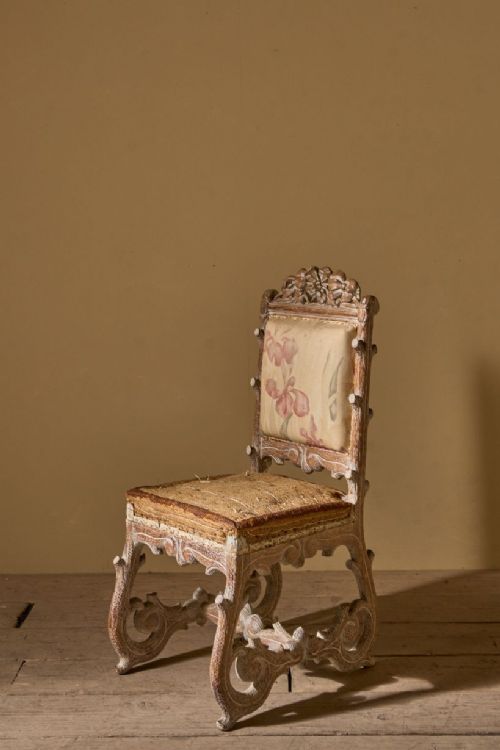
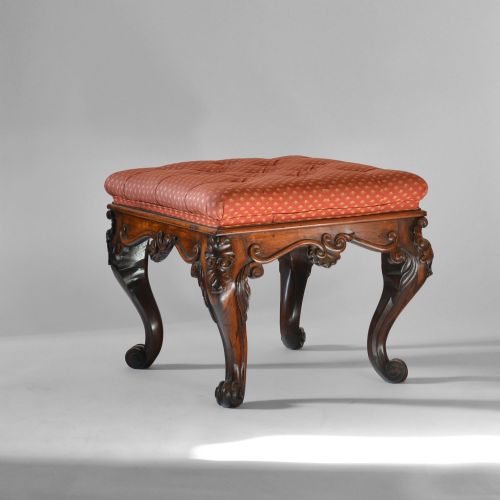
Cabinet makers utilised dense hardwoods such as mahogany, walnut, and oak to build sturdy frames that could support intricate hand carving. Secondary woods appear in internal construction, while specialist items incorporate exotic veneers like coromandel and rosewood.
Surface ornamentation relies on traditional joinery techniques combined with detailed moulding, turning, and applied gilding. Upholstered seats employ period textiles including silk and various woven fabrics fixed over padded foundations.
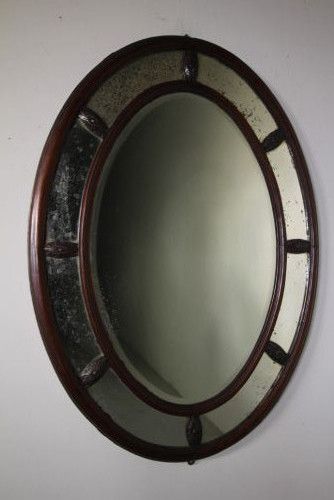
Current listings feature mirrors and seating spanning the Georgian, Victorian, and Edwardian periods in mahogany, walnut, and oak.
Distinctions in execution and grade
Superior examples display crisp, deep hand carving where floral or scroll motifs retain sharp relief without softening from excessive past cleaning or sanding. Timber selection dictates the base visual appeal, with well-figured burr walnut and Cuban mahogany standing apart from plain utility grades.
Structural integrity depends on original joints and unmodified frames, particularly in adjustable shaving stands and dressing mirrors where moving parts experience regular stress. The retention of original glass, hardware, and period upholstery finishes elevates the standing of an individual piece.
P & MA Nicholson·Heals
The Carved Wooden Vanity Glossary
- Cheval mirror
- A full-length dressing glass suspended on a vertical frame with side pivots, allowing the plate to tilt. These freestanding items became popular during the Regency period.
- Shaving stand
- A specialist functional furniture form featuring an adjustable mirror combined with small drawers and wash basins. Victorian examples often incorporate clever mechanical height adjustments.
- Washstand
- A dedicated bedroom table designed to hold a basin and pitcher for morning ablutions. They appear in mahogany and oak across nineteenth-century listings.
- Giltwood
- Timber treated with a thin layer of gold leaf over a prepared gesso ground. This finish appears frequently on elaborate wall and table mirrors from the nineteenth century.
- Cabriole leg
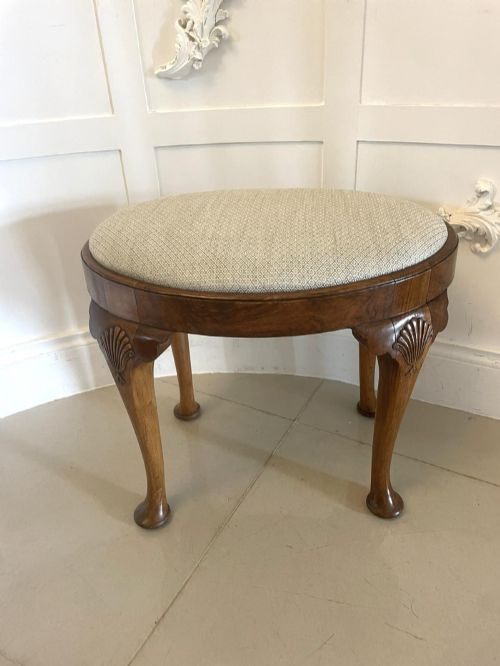
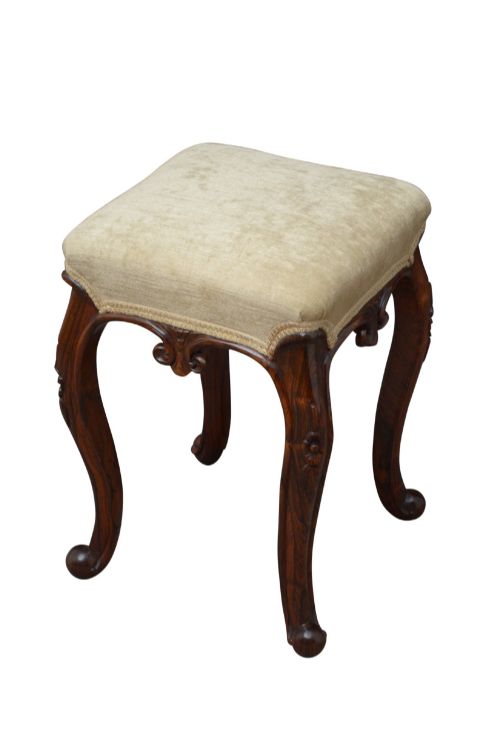
- A furniture support that curves outward at the knee and tapers inward toward the foot, often ending in a pad or claw shape. The form appears widely on Victorian and Queen Anne style stools.
Carved Wooden Vanity: Frequently Asked Questions
How do I date a wooden dressing mirror?
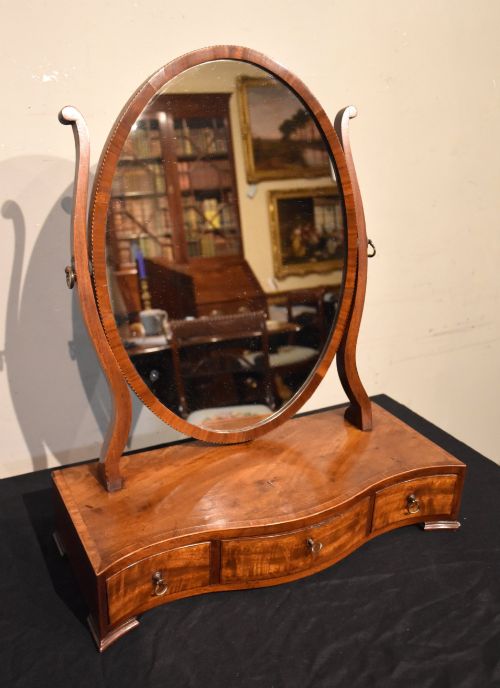
Dating relies on examining construction traits, timber types, and mirror glass characteristics. Earlier pieces from the Georgian era often feature hand-bevelled plates set into thinner mahogany frames with pegged mortise joints.
Later Victorian and Edwardian examples display machine-sawn backing boards, brass screw assemblies, and heavier mouldings. Comparing the secondary woods used inside drawer linings also helps narrow down the decade of manufacture.
What is a faux bois finish?
Faux bois is an artistic technique where wood or other materials are painted or sculpted to imitate the natural grain and texture of real timber. In nineteenth-century pieces, makers applied this method to decorative furniture items.
This approach allowed craftsmen to achieve specific visual effects while utilising available woods for the core structure. It remains a distinct surface treatment encountered in period seating.
How should I care for antique wood furniture?
Preserving antique wood requires maintaining stable room humidity and keeping pieces away from direct heat sources and strong sunlight. Regular dusting with a dry, soft cloth prevents particulate accumulation.
Avoid modern silicone-based sprays, opting instead for traditional beeswax applied sparingly to nourish the grain. This routine protects the original polish and maintains the natural lustre of walnut and mahogany.
Can I use a period stool daily?
Most antique stools are structurally robust enough for regular use provided the joints remain tight and secure. Walnut and mahogany frames built with traditional joinery withstand standard seating weight well.
It is wise to check the internal framing and upholstery webbing periodically to ensure safe support. Antique silk or fragile fabric seats may require protective coverings if used constantly.