


Antique Chestnut Basket
An antique chestnut basket holds fruit or sweetmeats with pierced grace, bringing eighteenth-century porcelain and pottery artistry to the table.
Antique Chestnut Basket
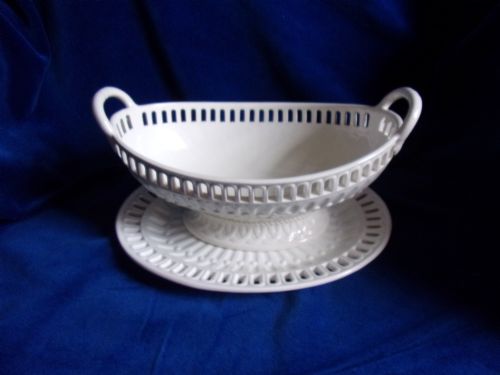
An antique chestnut basket is a pierced ceramic vessel designed for serving table desserts, typically accompanied by an undertrust or lid.
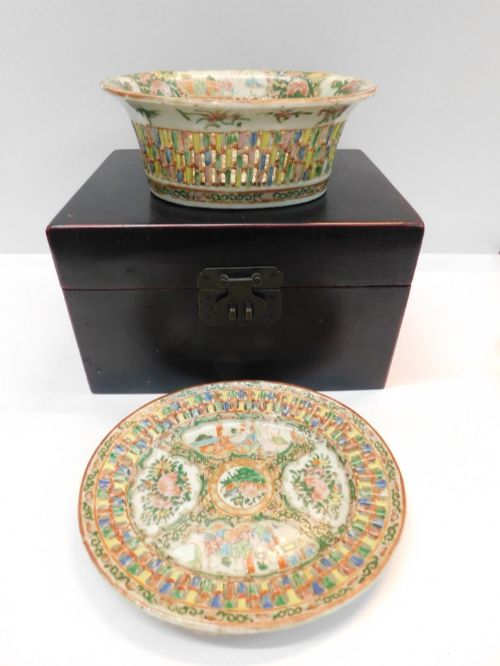
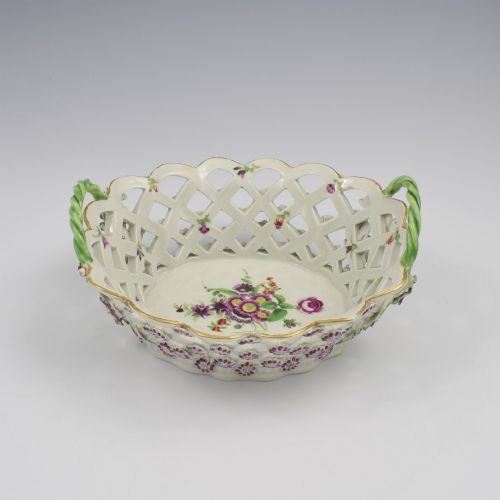
The versions met most often on this page span the eighteenth and nineteenth centuries, including English creamware, pearlware, and porcelain alongside Chinese export porcelain.
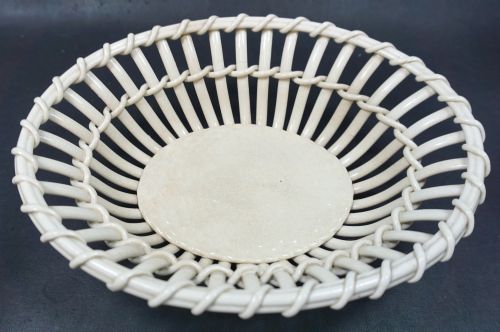
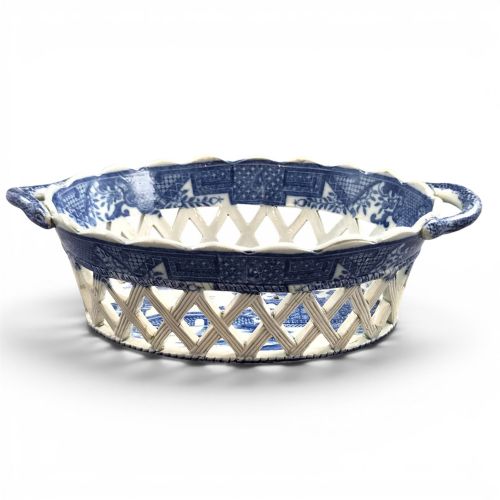
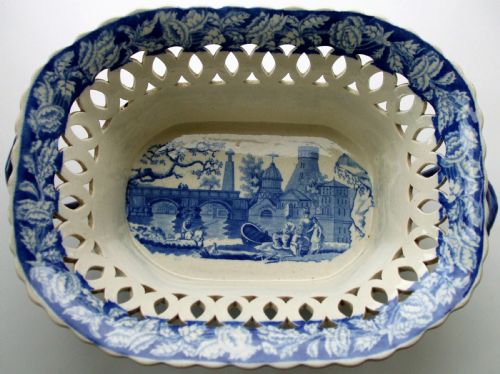
Forms range from circular pierced bodies with applied blossom details to rectangular transfer-printed blue and white pottery shapes.
Materials and construction
Potters utilised soft-paste porcelain, earthenware, and pearlware, shaping bodies through moulding and hand-piercing the wet clay walls.
Decoration relied upon hand-painted polychrome enamels, underglaze blue transfer printing, and occasional touches of gold leaf.
Many examples incorporated separate matching stands and pierced covers to complete the service.
Judgments of quality
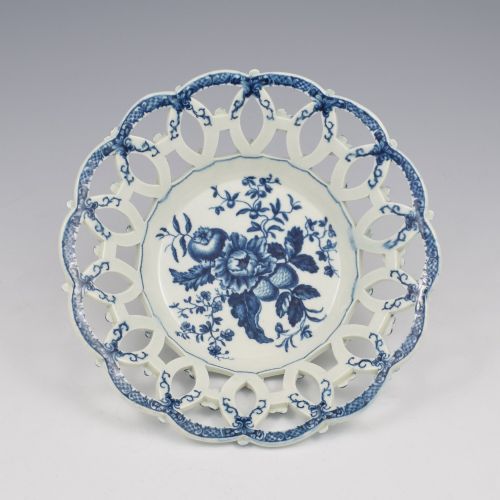
Quality rests upon the crispness of the reticulated lattice work and the precision of the piercing.
Painted details and transfer print clarity distinguish standard production wares from masterworks of the period.
The survival of associated lids and matching stands elevates the completeness of the piece.
J. & R. Clews·Spode·Wedgwood·Mason’s Ironstone China
The Antique Chestnut Basket Glossary
- Reticulated
- Pierced in an openwork lattice pattern. This technique allowed air to circulate around stored fruit while creating intricate decorative designs.
- Creamware
- A refined earthenware with a pale yellowish lead glaze. Developed in Staffordshire, it dominated English tables during the Georgian period.
- Pearlware
- An earthenware body featuring a bluish glaze that pooled in recesses. The cobalt tint counteracted the natural cream tone to mimic porcelain.
- Soft-paste porcelain
- A ceramic composition containing glass frit and white clay. It fired at lower temperatures than true porcelain, yielding a warm glaze texture.
- Transfer printing
- A method of applying engraved designs to ceramics via paper from a copper plate. It transformed blue and white pottery production in the Georgian era.
Antique Chestnut Basket: Frequently Asked Questions
What was a chestnut basket used for?
These vessels served roasted chestnuts or soft fruits at the conclusion of formal Georgian dinners. Their pierced sides provided ventilation for the contents while presenting an ornamental centrepiece on the table.
Over time, wealthy households utilised them as dessert baskets for display rather than active dining service. Today, collectors prize them as cabinet pieces or decorative bowls.
How do I date an 18th-century basket?
Dating relies on body material, glaze characteristics, and decorative motifs. Early English porcelain pieces often display the characteristic translucency and hand-painted blue pine cone patterns of the period.
Later nineteenth-century examples frequently employ transfer printing in blue and white on pearlware or earthenware bodies. Examining the foot ring and underside finish also helps confirm the manufacturing era.
Are lids and stands essential?
Many baskets originally formed part of a matched set comprising the vessel, an undertray, and a pierced cover. Finding all three components together is uncommon due to centuries of handling and accidental breakage.
While complete sets command greater attention from collectors, standalone baskets still demonstrate the fine reticulated craftsmanship of their makers.
How do I care for antique ceramics?
Antique earthenware and soft-paste porcelain require gentle handling away from direct sunlight and rapid temperature changes. Dusting with a soft dry brush preserves the glaze and any delicate applied floral elements.
Immersion in water should be avoided, particularly for pieces with hairline fractures or historical repairs that might weaken in moisture.