

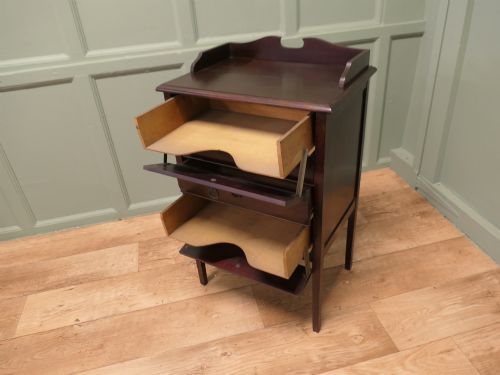
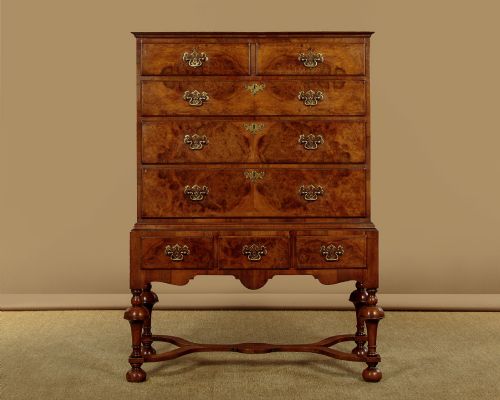
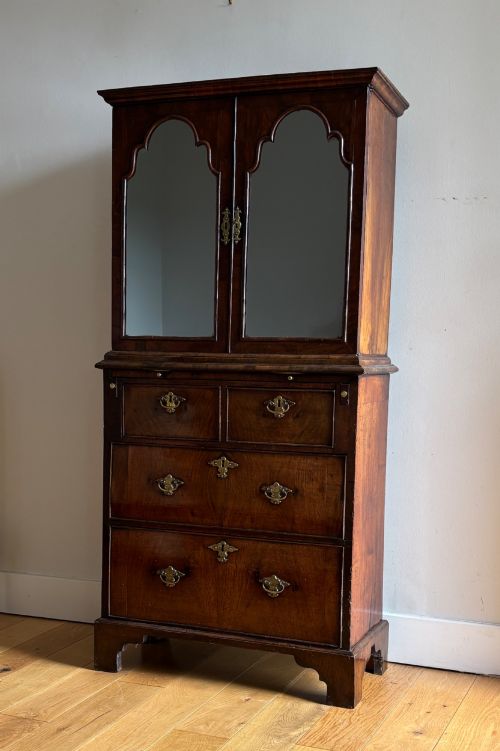
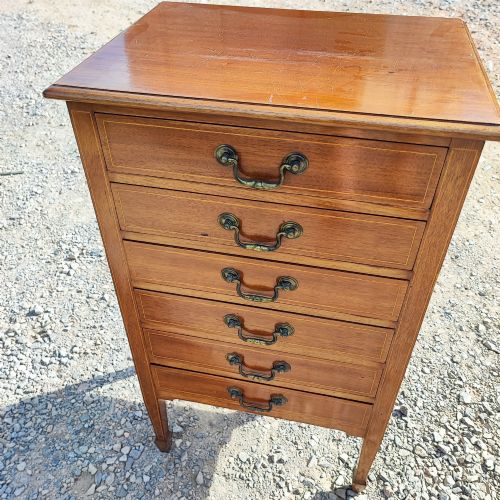
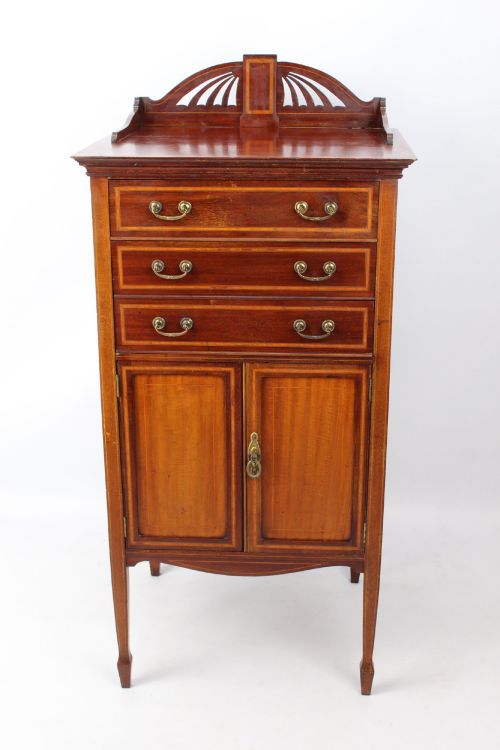

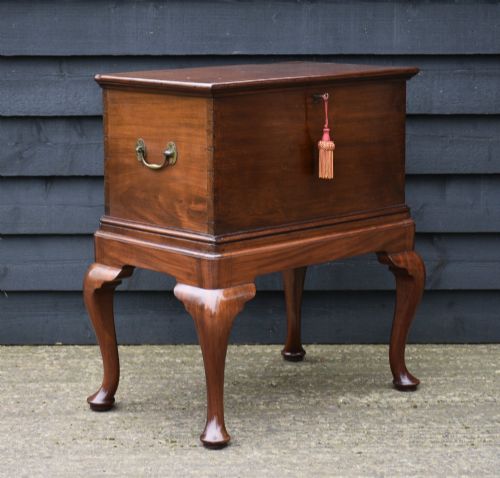
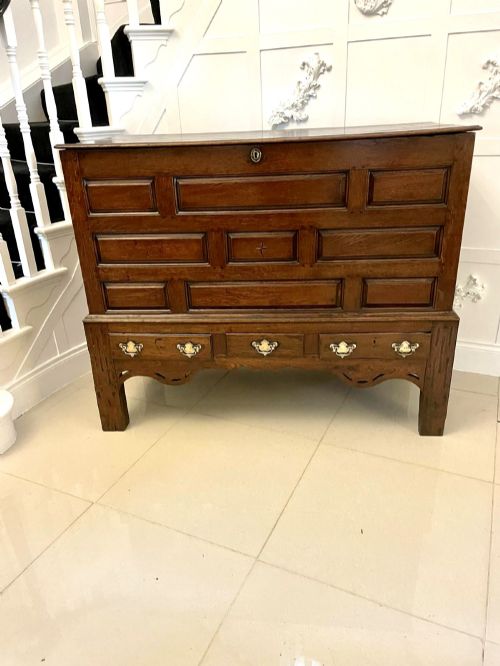
Antique Chest with Stand
An antique chest with stand elevates storage off the floor, pairing a cabinet or drawer box with a dedicated base for display and daily utility.
Antique Chest with Stand
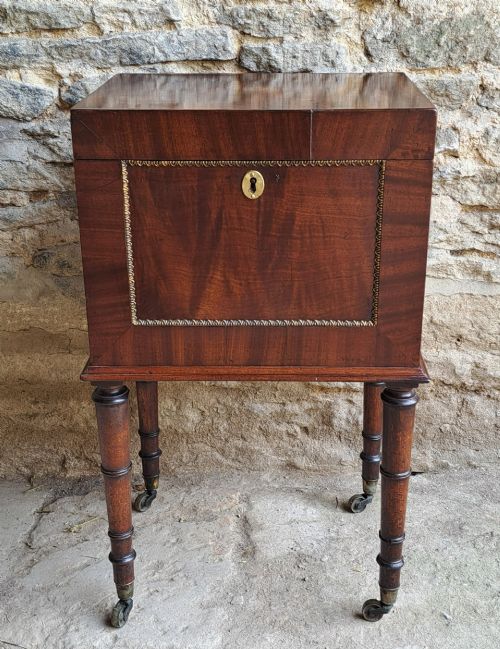
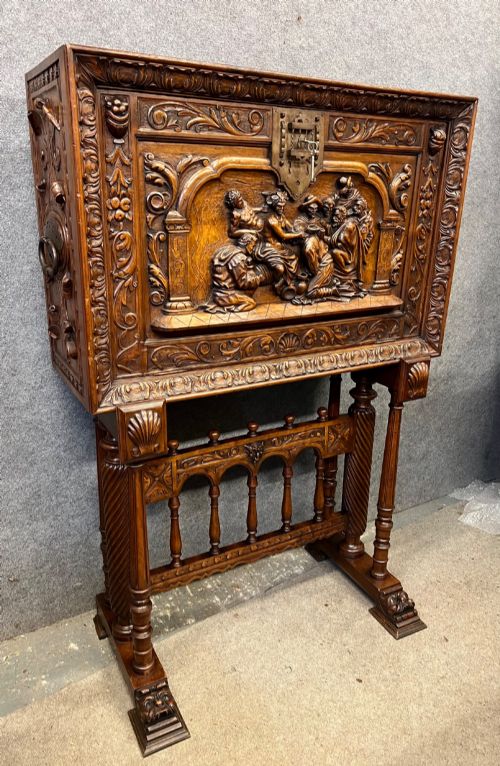
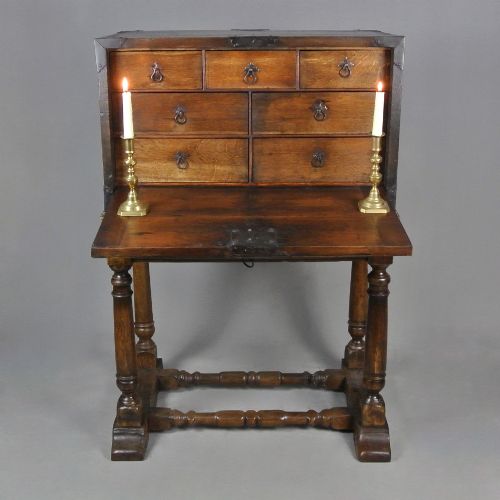
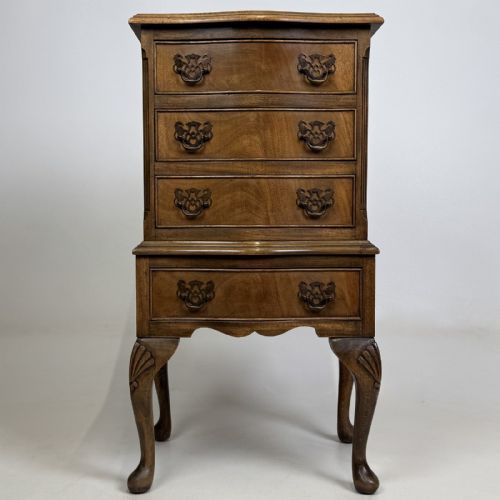
When you search for an antique chest with stand, you encounter elevated storage forms ranging from Georgian walnut and oak cabinets to 17th-century Dutch marquetry pieces. These combinations typically place a drawer section, coffer, or collector's cabinet upon a matching or period-appropriate base fitted with legs.
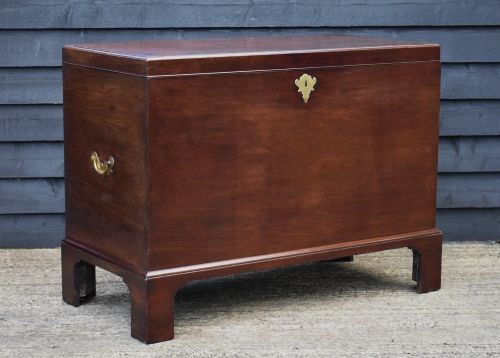
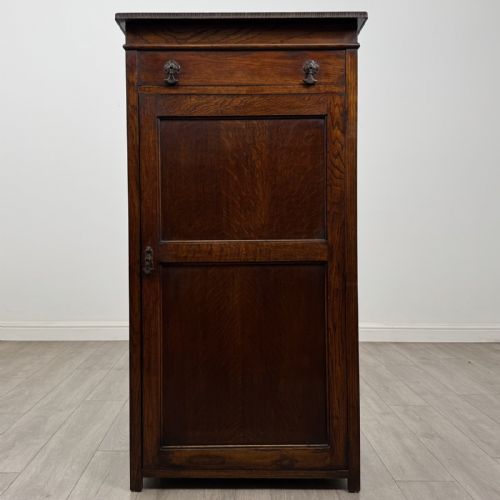
The versions you meet most frequently on this page date from the 17th, 18th, and 19th centuries, executed in timbers such as mahogany, oak, and walnut. Some examples utilise cabriole legs, while others incorporate bracket feet or stretchers on the supporting stand.
Beyond standard drawer configurations, the selections span specialist forms including teapoys, linen presses, and Dutch colonial trunks on stands. Each variation reflects the prevailing domestic storage requirements and cabinet-making conventions of its respective era.
Materials and construction methods
Cabinet-makers constructed these pieces using solid hardwoods like oak, mahogany, and walnut, frequently applying burr veneers or marquetry inlay to primary visual surfaces. Secondary woods served for interior drawer linings and back panels, joined with traditional dovetailing and pegged mortise and tenon joints.
Metal hardware played a functional and decorative role, with brass drop handles, escutcheons, and occasional pewter inlay enhancing the timber surfaces. Stands were built separately and joined to the upper chest or cabinet body, ensuring structural support for heavy loaded drawers.
Antique Chest with Stand Retail Price Guide 2026
Typical asking prices for chest with stand among the pieces listed under this phrase on Sellingantiques today, from the lower quarter to the upper quarter. They describe what is for sale here now, not the wider market.
Several chests double down on versatility by masquerading as miniature architectural facades or hiding delicate tea leaves inside sarcophagus lids.
Distinguishing quality in construction and finish
The distinction between tiers rests upon the choice of timber and the precision of the cabinet-making. Superior pieces display finely figured walnut or mahogany veneers, crisp marquetry, and undisturbed original stands that match the exact patina and wood grain of the upper chest.
Interior construction reveals workmanship through hand-cut dovetails on drawer boxes and the retention of period locks and brass hardware. Alterations to the stand or mismatched bases separate vernacular provincial items from high-status workshop production.
The Antique Chest with Stand Glossary
- Cabriole leg
- A furniture leg that curves out and then in, resembling the leg of an animal. This form appeared frequently on 18th-century walnut and mahogany stands.
- Marquetry
- Decorative veneer work forming pictorial or geometric patterns using various woods. Dutch Baroque cabinets on stands often display complex floral examples of this technique.
- Teapoy
- A small box or chest designed to hold tea, mounted on a pillar or stand. Early 19th-century versions often featured sarcophagus-shaped storage compartments.
- Escutcheon
- A protective plate surrounding a keyhole, usually cast from brass. These elements help date the piece depending on their shape and fixing method.
- Dovetail
- An interlocking joint formed by interlocking wedge-shaped fingers. Hand-cut examples indicate traditional furniture construction before machine manufacturing.
Antique Chest with Stand: Frequently Asked Questions
What is a chest on stand?
A chest on stand is a two-part furniture form consisting of a storage box, such as drawers or a cabinet, mounted upon a raised base with legs.
This design lifted contents away from damp floors and allowed easier access to items while serving as a prominent interior furnishing.
How do I date an oak chest?
Dating relies on examining construction methods, timber selection, and hardware types used across the piece.
Early examples feature pegged joinery and hand-sawn boards, whereas later 19th-century pieces incorporate standardised machine-cut elements.
Where were these cabinets used?
These pieces functioned primarily in principal rooms such as drawing rooms, bedchambers, and parlours for storing linens, documents, or valuables.
Smaller specialist variants like collector's chests and teapoys served hobbies and social hosting rituals in formal households.
Are the stand and chest original?
Many surviving pieces experienced modifications over centuries, leading to matched stands or altered bases.
Comparing the timber patina, wear patterns, and joinery between the upper chest and the lower stand reveals whether they originated together.