

Antique Ceramic Teacup
An antique ceramic teacup brings the weight and detail of eighteenth and nineteenth century tea tables directly into the hand.
Antique Ceramic Teacup
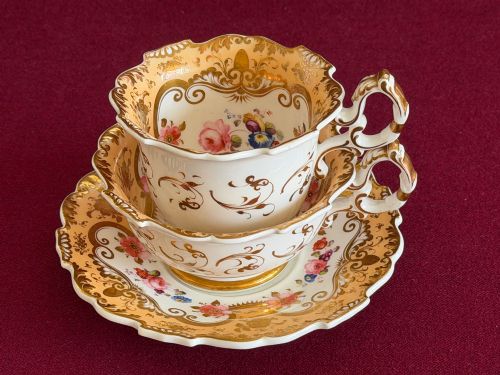
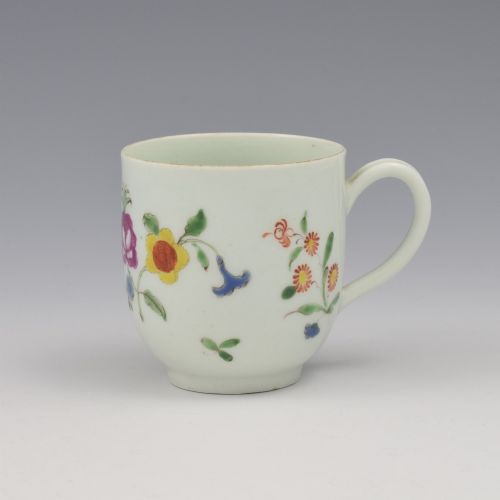
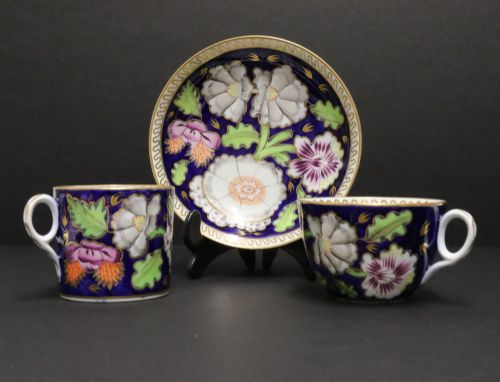
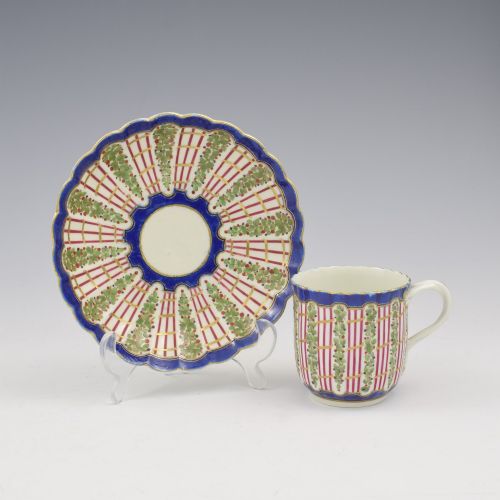
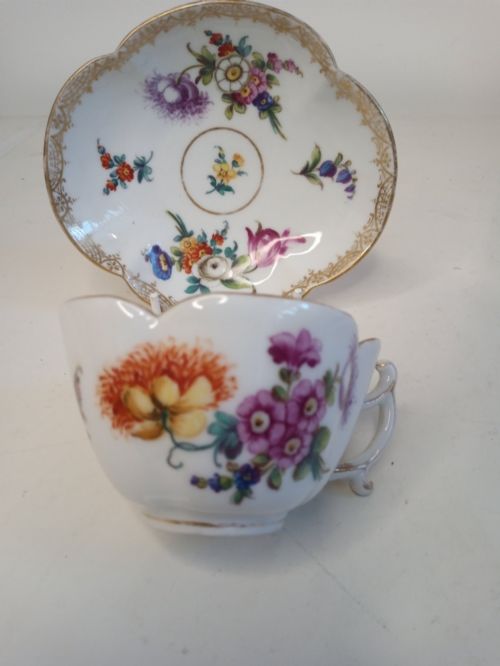
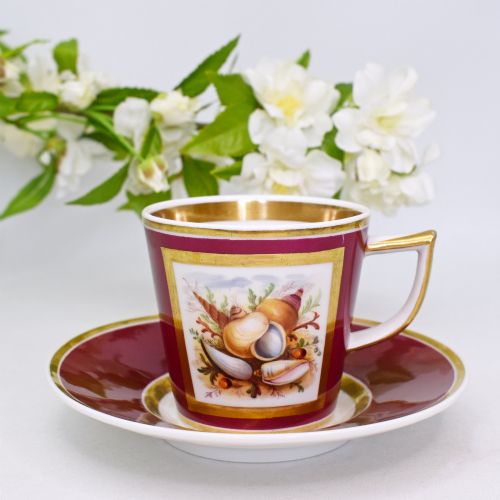
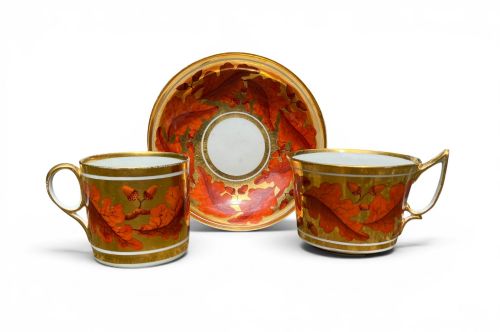
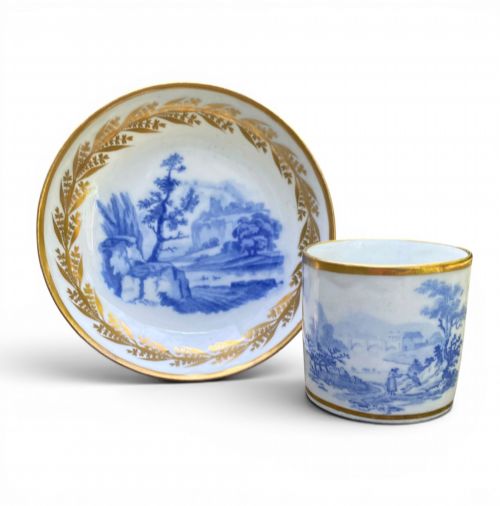
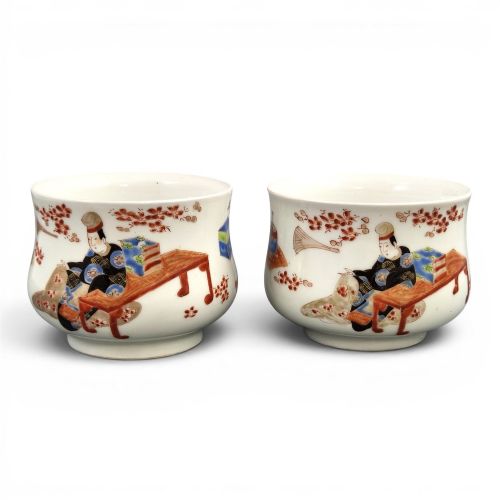
When searching for an antique ceramic teacup, buyers encounter forms spanning tea bowls, coffee cans, trios, and matched saucers dating from the eighteenth century through to the early twentieth century. English factories such as Worcester, Coalport, and New Hall dominate alongside Chinese Export and Japanese wares from the Meiji period.
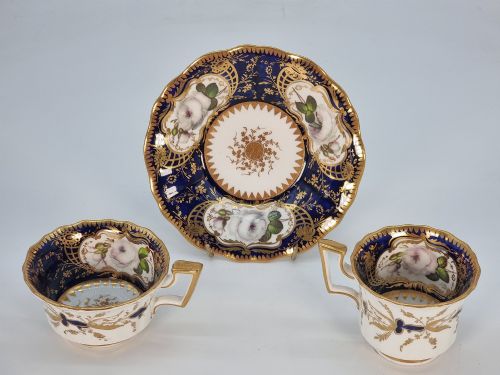
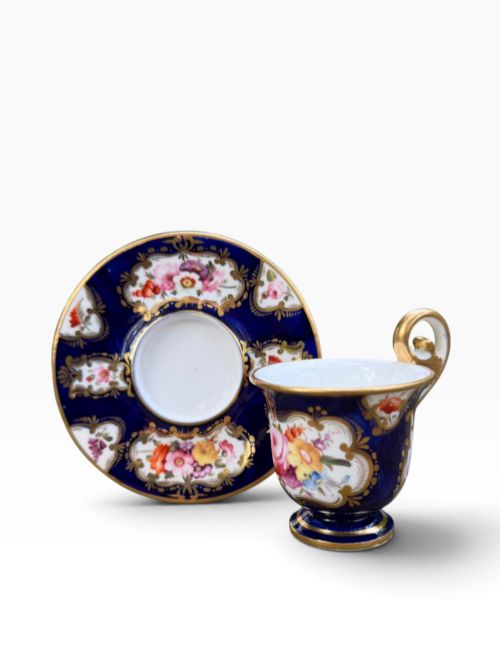
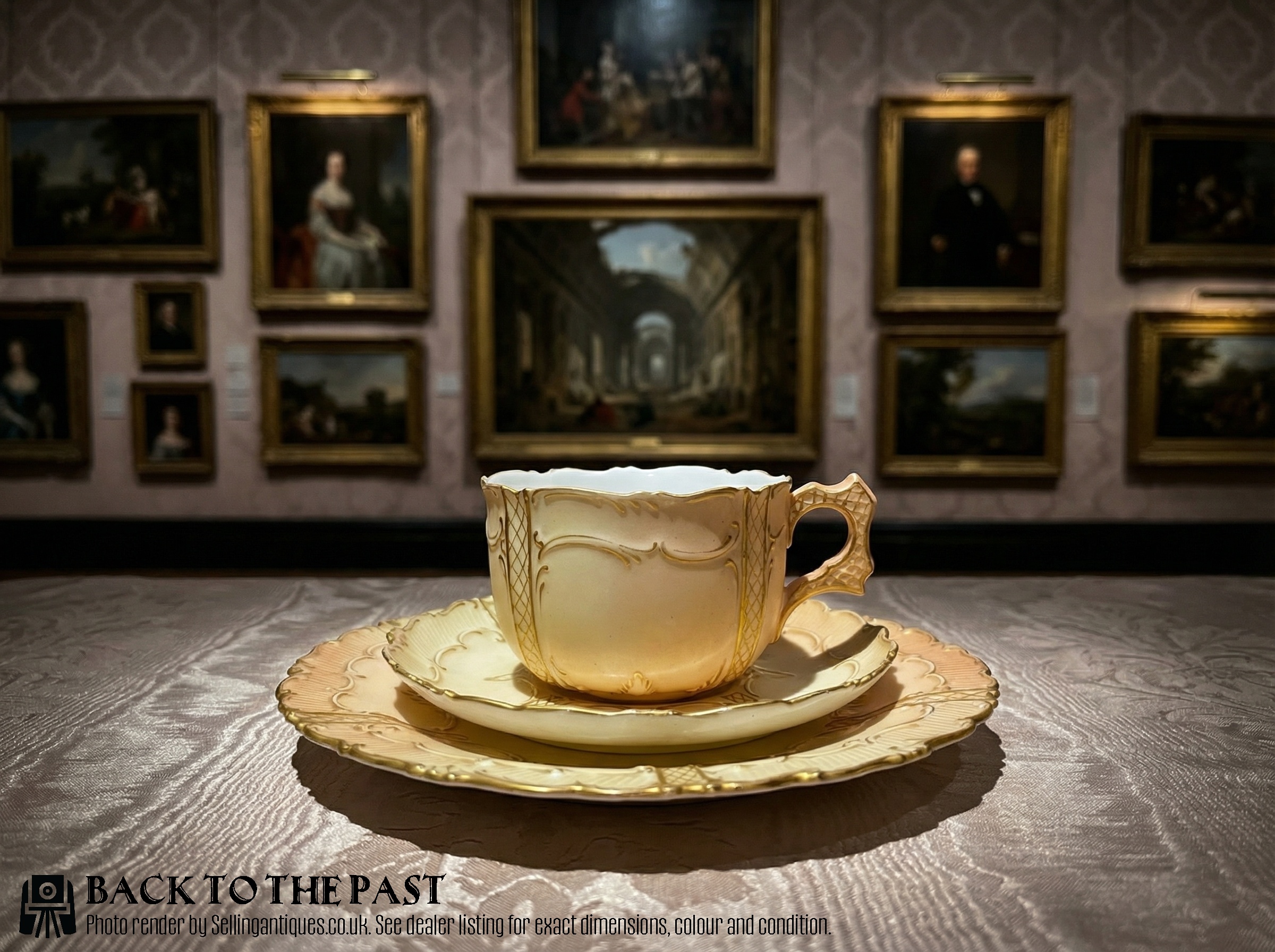
The most frequent pieces met on this page are Georgian and Regency teacups and saucers, often formed as part of larger tea services or trios including a side plate. These domestic items record shifting domestic habits, moving from handleless tea bowls toward footed cups with looped handles.
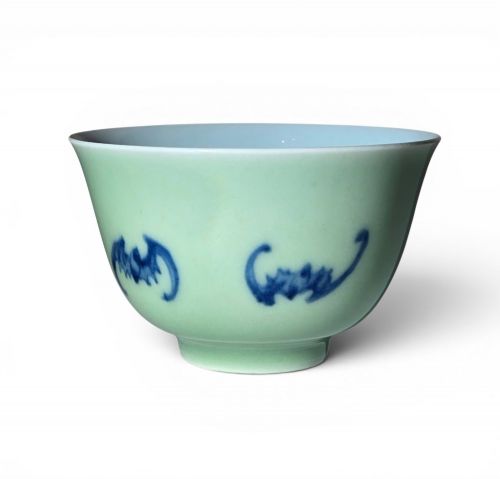
Continental European and Asian works also appear, introducing soft-paste porcelain, earthenware creamware, and celadon grounds to the selection. Each piece preserves the specific drinking customs and firing technology of its decade of origin.
How they were made
Makers shaped these vessels using porcelain, bone china, and earthenware bodies, often finished with transparent or opaque glaze inside a high-temperature kiln. Soft-paste and hard-paste porcelain required distinct kiln placement and mineral mixtures, yielding bodies that ranged from translucent white to thick creamware.
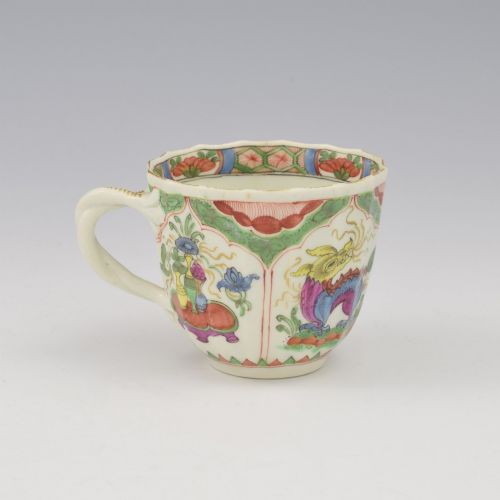
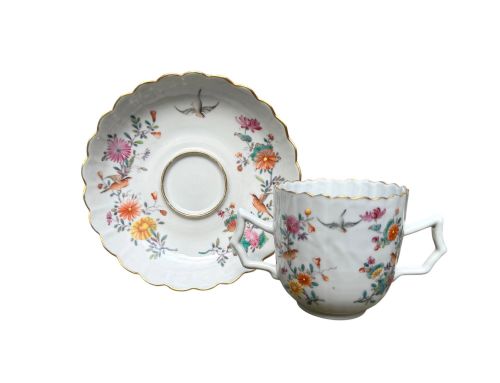
Decoration relied on hand-painting, transfer printing, and the application of gold leaf and gilding to accentuate fluted rims and panels. Artisans used enamel colours for botanical motifs, Chinese dragons, and geometric borders before subjecting the piece to a second firing to fix the pigments.
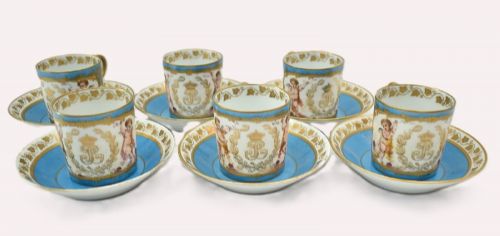
The records include cabinet trios, coffee cans, and full tea services decorated with hand-painted enamels.
What varies in quality
Quality rests in the crispness of the porcelain body, the precision of the hand-painted or transfer-printed decoration, and the survival of the original gilding. Finer pieces demonstrate thin, translucent walls and carefully turned foot rims.
Execution of the enamel painting marks the distinction between standard factory output and cabinet pieces. Skilled brushwork in complex patterns like the dragon in compartments or delicate bird studies elevates a cup above mass-produced wares.
A H & R Daniel·Richard Chaffers·Coalport·Yates Leeds·New Hall·Ginshōtei Gyokushi·Ishiguro Kōko·Chamberlain Worcester·Flight Barr and Barr·Kusnetzoff·Shelley·Royal Worcester·Royal Albert Crown China·Doric China Longton Stafford
The Antique Ceramic Teacup Glossary
- Tea bowl
- A handleless drinking vessel used before the widespread adoption of handled cups in European tea sets.
- Coffee can
- A straight-sided cylindrical cup designed specifically for drinking coffee in the eighteenth and nineteenth centuries.
- Trio
- A matched set consisting of a teacup, a saucer, and a matching side or tea plate.
- Soft-paste porcelain
- An artificial ceramic compound fired at lower temperatures than hard-paste porcelain, common in eighteenth-century English factories.
- Gilding
- The application of gold leaf or powdered gold to ceramic surfaces, typically fired to create a metallic finish along rims and handles.
Antique Ceramic Teacup: Frequently Asked Questions
How do I date an old teacup?
Dating relies on factory marks, ceramic body composition, and stylistic shifts in handle shape and floral patterns. Eighteenth-century pieces often feature handleless tea bowls, while nineteenth-century examples introduce distinct foot rims and applied gilt handles.
Factory marks painted under the glaze or impressed into the paste provide the most reliable chronological anchor. Comparing the potting technique and enamel palette against known factory periods confirms the decade of manufacture.
What is the difference between a tea bowl and a teacup?
Tea bowls are small, handleless vessels derived from Chinese prototypes used during the early importation of tea into Europe. They require both hands to steady when the hot liquid is consumed.
Teacups incorporate applied handles, a development that gained popularity across European factories toward the end of the eighteenth century. This structural change altered table manners and allowed for larger individual drinking portions.
What does a ceramic trio include?
A trio consists of three matching ceramic components designed for the formal tea table: a teacup, a corresponding saucer, and a matching tea plate. These sets were produced extensively by English factories throughout the nineteenth and early twentieth centuries.
Finding a complete trio intact is less common than finding isolated cups and saucers due to centuries of accidental breakage. They offer a complete snapshot of a factory's decorative pattern across multiple tableware forms.