




Antique Ceramic Sweetmeat Dishes
These antique ceramic sweetmeat dishes are sugar-laden table confections made to impress guests during formal dining across three centuries.
Antique Ceramic Sweetmeat Dishes
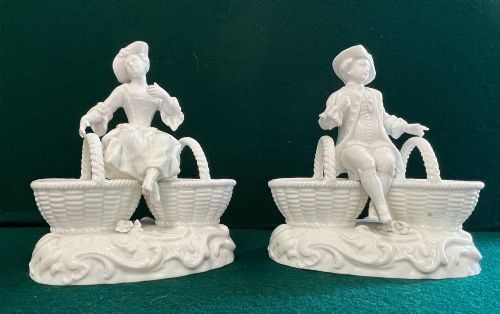
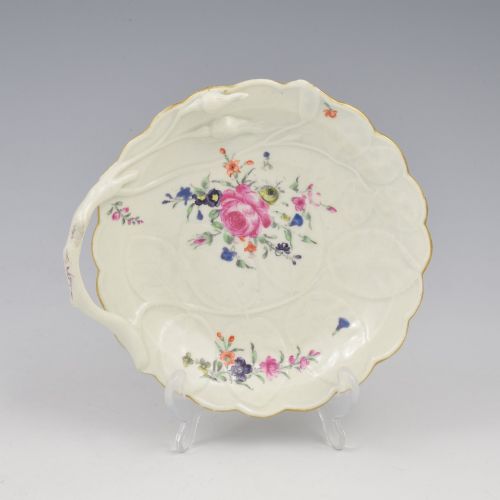
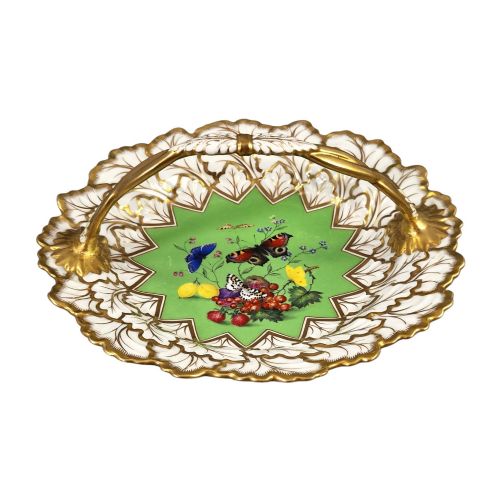
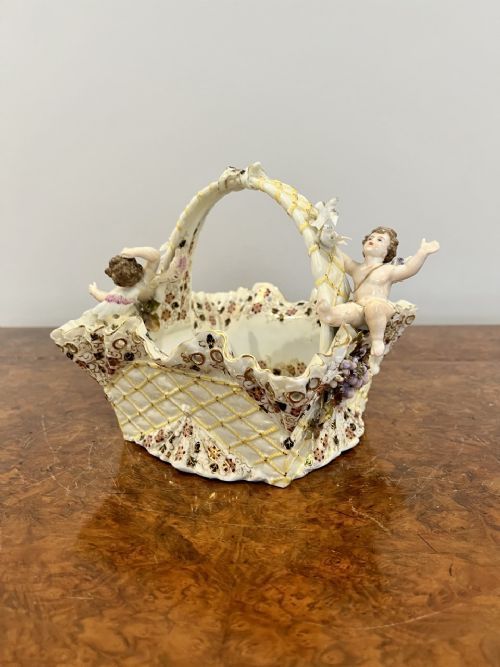
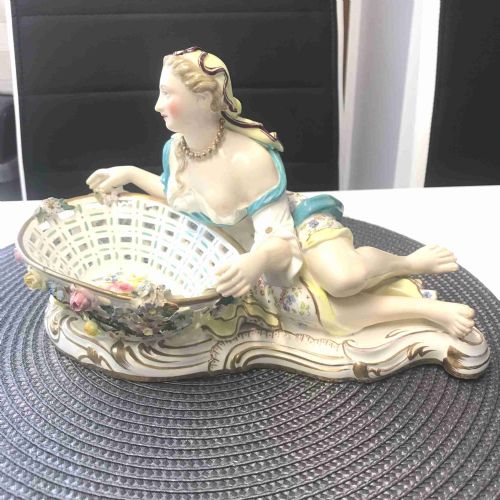
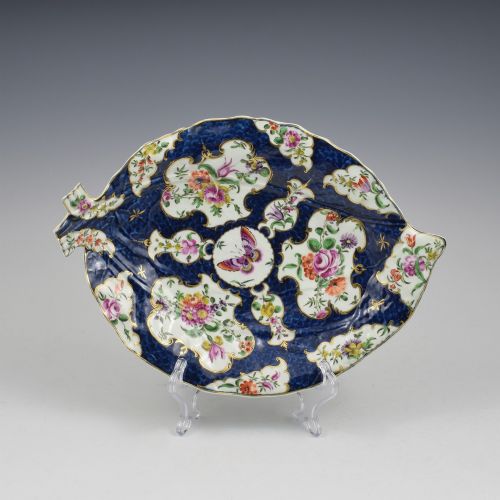
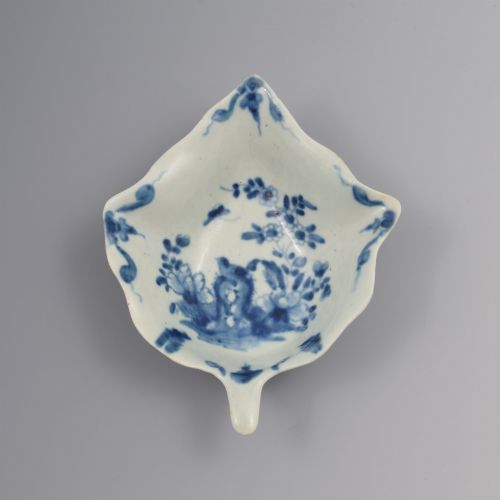
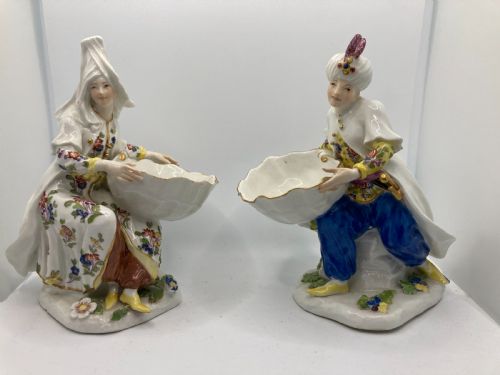
When you search for antique ceramic sweetmeat dishes, you find decorative vessels created to hold small dried fruits, nuts, sweetmeats and confections for dessert. The selections here span the eighteenth and nineteenth centuries, taking the form of baskets, shell dishes, pickle dishes, centrepieces and figural stands.
You will most frequently encounter eighteenth-century porcelain pieces alongside Victorian continental figures and Regency dessert baskets. Makers ranging from Worcester to Meissen shaped these table ornaments to serve both a decorative and a functional purpose during grand meals.
The objects cross several distinct aesthetic movements, moving from early Rococo forms through to Regency basketry and Victorian revival pieces. Each surviving piece demonstrates the period taste for elaborate tablescapes designed to catch the eye.
How they were made
Potters utilised both hard-paste and soft-paste porcelain, along with tin-glazed earthenware and enamel, shaping the body by hand or in moulds. Artisans applied cobalt blue, polychrome enamels and gold leaf or gilding to the surface before firing.
Intricate detailing often involved modelled figures, applied floral elements and pierced basketwork walls. The combination of delicate painting and relief moulding required precise kiln control to achieve the finished glaze.
Listings feature porcelain, tin-glazed earthenware, and enamel materials across eighteenth-century, Regency, and Victorian periods.
What varies in quality
Design complexity also separates the tiers, with pierced basketwork and multi-figure arrangements demanding greater technical mastery from the factory. The clarity of the glaze and the precision of the underglaze blue painting indicate the standard of the workshop.
Meissen·Flight Barr And Barr·Volkstedt·Minton·Royal Worcester
The Antique Ceramic Sweetmeat Dishes Glossary
- Soft-paste porcelain
- An artificial porcelain body fired at lower temperatures than hard-paste, common in early English factories. It produces a warm, slightly translucent surface that absorbs enamel colours richly.
- Sweetmeat
- A small confection made of fruit, nuts, or sugar, served at the end of a formal meal. These dishes were specifically proportioned to hold such rich morsels.
- Gilding
- The application of gold leaf or powdered gold to ceramic surfaces to highlight rims, handles, and relief details. Higher quality pieces show hand-burnished gold rather than flat metallic paint.
- Pickle dish
- A small moulded dish, often shaped like a leaf or shell, used for holding savoury pickles or small portions at table. Many share similar ceramic bodies with sweetmeat vessels.
- Centrepiece
- A large, prominent ornamental piece placed in the middle of a dining table, sometimes incorporating stands or multiple tiers for sweets. These command visual attention within the tablescape.
Antique Ceramic Sweetmeat Dishes: Frequently Asked Questions
What were sweetmeat dishes used for?
These dishes held sweet confections, spiced fruits, nuts and small sugary treats served at the conclusion of wealthy banquets. They functioned as both practical tableware and ornamental centerpieces.
Hosts used them to display wealth and hospitality through elaborate food service arrangements. The delicate forms were designed to be passed among guests or admired centrally.
How do I date an antique porcelain dish?
Dating relies on identifying factory marks, paint styles, and paste composition such as soft-paste versus hard-paste porcelain. Eighteenth-century pieces often feature underglaze blue crescents or square marks.
Stylistic shifts from Rococo curves to Regency neoclassical lines and Victorian revivalism provide further chronological markers. Comparing pieces to documented factory output helps narrow the period.
Are these pieces safe to use for food?
Most collectors treat these historical ceramics as display objects rather than functional tableware due to their age and delicate nature. Eighteenth and nineteenth-century glazes may also contain materials unsuited for modern consumption.
Hand-washing gently is necessary if they are ever used, avoiding harsh detergents and extreme temperature changes. Micro-fissures in the old glaze can absorb liquids over time.
What is the difference between soft and hard paste?
Soft-paste porcelain contains glass frit and clay mixtures fired at lower temperatures, producing a softer texture and distinct glaze pooling. Hard-paste porcelain uses true kaolin and petuntse fired at much higher heats.
English factories in the eighteenth century predominantly utilised soft-paste formulations, whereas continental works like Meissen mastered hard-paste earlier. This technical distinction aids in identifying the origin of a piece.