




Green Porcelain Statuettes
Green porcelain statuettes bring character to a room through modelled ceramic forms finished in monochrome or polychrome glazes.
Green Porcelain Statuettes
Green porcelain statuettes encompass modelled ceramic figures, pairs, and groups finished in distinctive green glazes or enamel palettes. The selections on this page span the nineteenth century, the Edwardian era, and the nineteen-thirties, showing considerable variety in sculptural subjects.
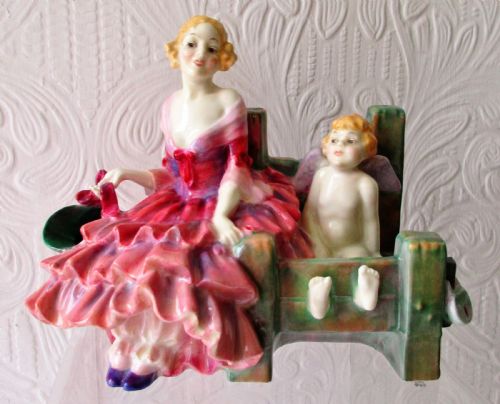
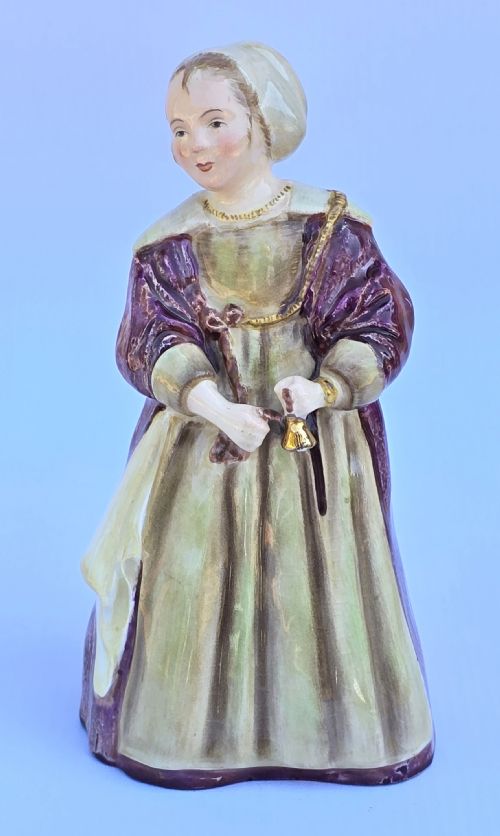
Makers represented include Royal Dux, Royal Doulton, Wedgwood and Co, Shelley, and Minton. Forms range from animal studies such as parrots and foo dogs to human figures including fishermen, children, and allegorical characters in Art Nouveau and Art Deco styles.
Pieces originate from English, French, German, and Bohemian potteries. Collectors encounter both biscuit porcelain and glazed surfaces, often accented with gilding or enamel detailing.
Materials and manufacture
Production relies on porcelain, bone china, and parian biscuit, shaped through moulding or casting before being fired in kilns. Potters applied ceramic glazes, notably celadon and famille verte enamels, to achieve the characteristic green colourations.
Finishing frequently involved hand-painted enamel highlights and gilding applied over the glaze or directly to the biscuit body. Workshops utilised specialist firing techniques to control the flow and depth of the green glazes across complex sculptural contours.
Fishermen share shelf space with foo dogs and children in stocks, proving ceramicists possessed a delightful sense of humour.
Assessing quality and execution
The sophistication of the glaze chemistry and enamel painting distinguishes finer productions. Controlled celadon surfaces and carefully executed famille verte or polychrome enamels elevate the visual depth of the modelled subject.
Royal Dux Bohemia·Royal Doulton·Niderviller·Wedgwood and Co Ltd·Mabel Lucie Attwell Shelley·Ernst Wahliss·Triebner Ens and Co·Minton·Royal Worcester
The Green Porcelain Statuettes Glossary
- Celadon
- A pale green or grey-green ceramic glaze originating in East Asia and later adopted by European potteries. It relies on iron oxide in the glaze mixture fired in a reduction atmosphere.
- Biscuit
- Unglazed ceramic ware fired once to a porous state, often used for figures to mimic carved marble. Parian is a specific type of fine biscuit porcelain developed in the nineteenth century.
- Famille verte
- A ceramic palette dominated by green enamel colours, characteristic of certain Qing dynasty wares and later European imitations. It often combines with other enamel hues on porcelain grounds.
- Enamel
- Opaque glass-like paint applied to the surface of fired porcelain and fixed in a second, lower-temperature kiln firing. It allows for intricate polychrome details over monochrome ground glazes.
- Gilding
- The application of gold leaf or powdered gold suspended in a medium to ceramic surfaces. It is typically used to accentuate edges, garments, and bases on decorative figures.
Green Porcelain Statuettes: Frequently Asked Questions
How do I clean green porcelain statuettes?
Dust gently with a soft, dry brush to prevent accumulation in recessed carved details. Avoid abrasive materials or chemical cleaning agents that might damage delicate enamel work or gilding.
Immersing glazed figures in water is generally safe, but unglazed biscuit porcelain requires extra caution to prevent moisture absorption.
Are these statuettes purely decorative?
Most pieces were manufactured as mantel ornaments or cabinet displays to reflect prevailing artistic tastes. Styles ranged from classical allegories to whimsical children's figures.
Certain models served dual purposes, such as figures holding bells or paired bookends.
How do I distinguish nineteenth-century pieces from later ones?
Examine the base for impressed model numbers, factory stamps, and glaze characteristics typical of specific ceramic houses. Nineteenth-century examples often feature hand-applied enamels and heavier potting techniques.
Twentieth-century iterations from the nineteen-thirties often display smoother casting and distinct Art Deco styling.
What is the difference between porcelain and bone china?
Porcelain is a hard-paste or soft-paste ceramic made from kaolin and petuntse fired at high temperatures. Bone china incorporates bone ash into the paste, producing a whiter, slightly more translucent body.
Both materials accepted the green glazes and enamel decorations seen on these statuettes.