
Antique Ceramic Service
When you search for an antique ceramic service, you enter a world of hand-painted porcelain, earthenware, and bone china set across centuries of dining and tea traditions.
Antique Ceramic Service
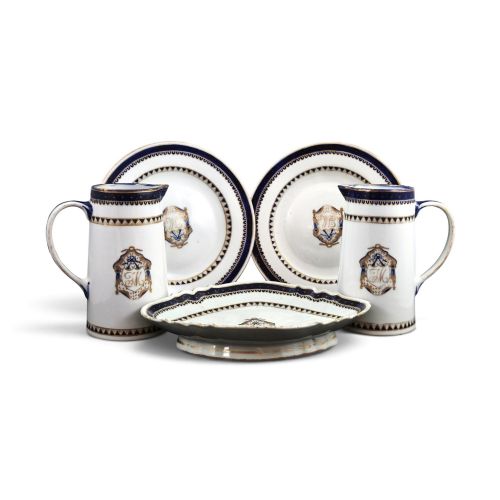
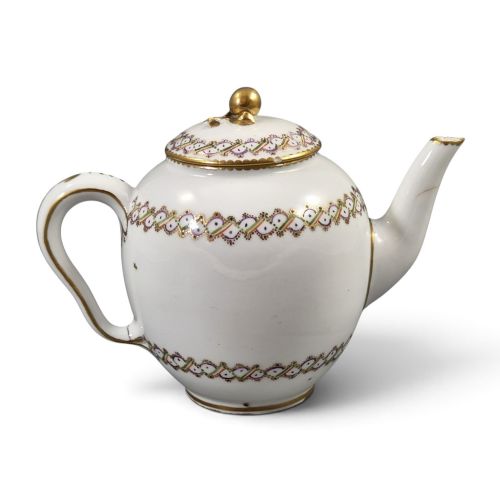
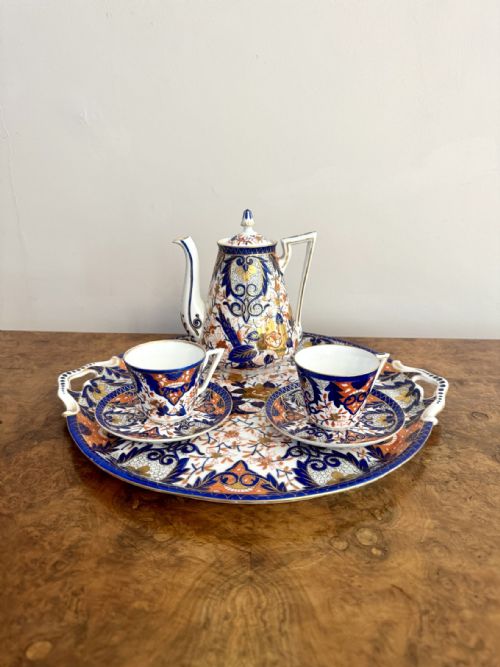
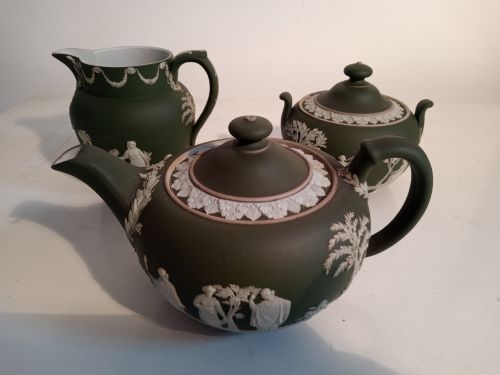
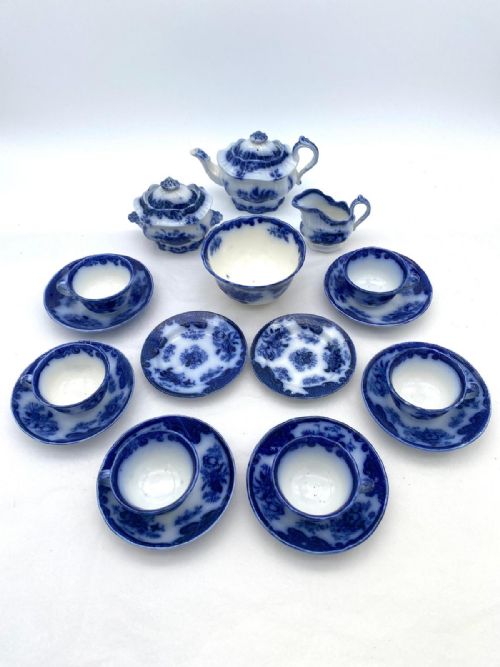
An antique ceramic service encompasses matched and part sets designed for dining, dessert, breakfast, and tea, originating largely from eighteenth, nineteenth, and early twentieth-century makers. These functional groupings range from compact child's tea services and individual bachelor teasets to expansive dinner services comprising dozens of plates, platters, and serving vessels.
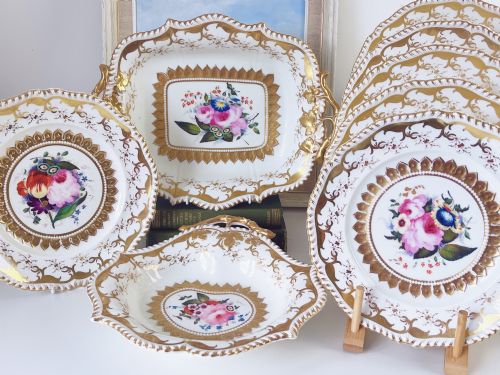
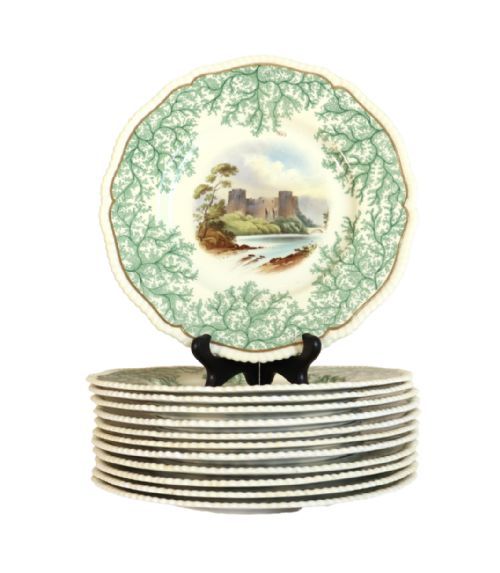
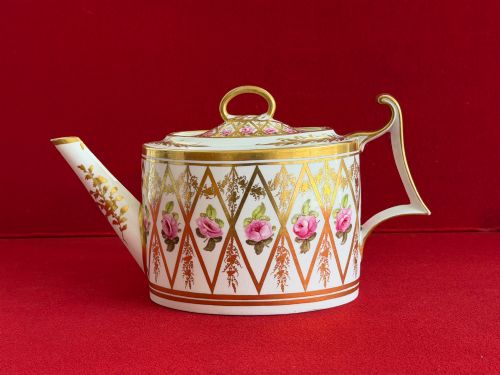
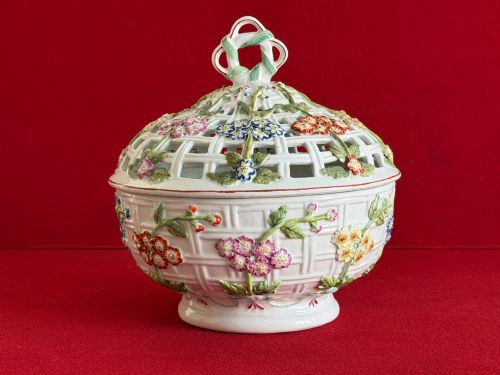
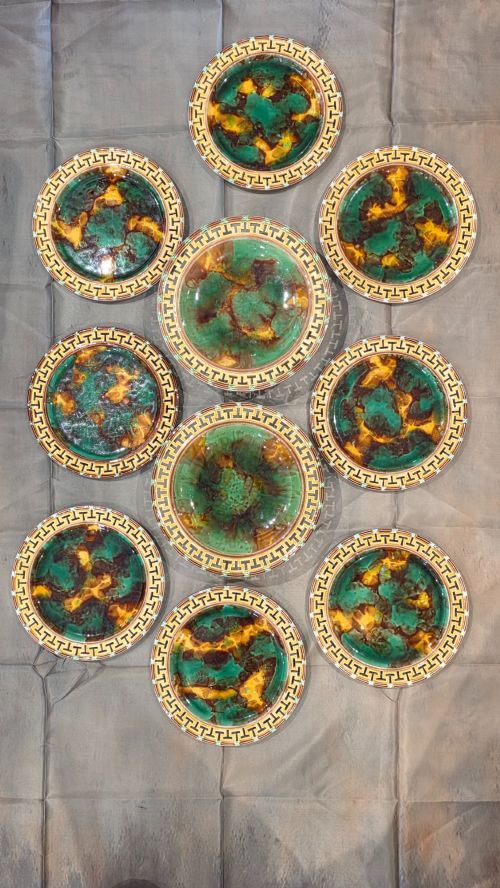
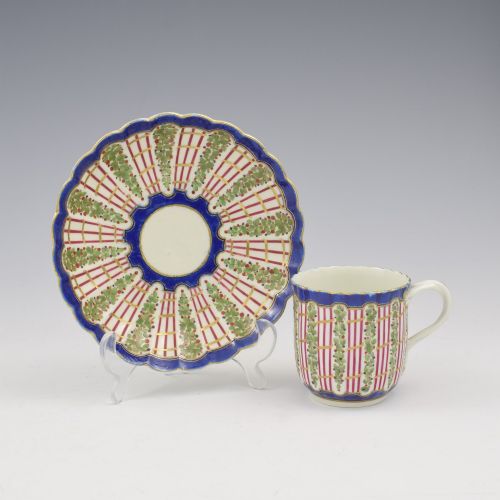
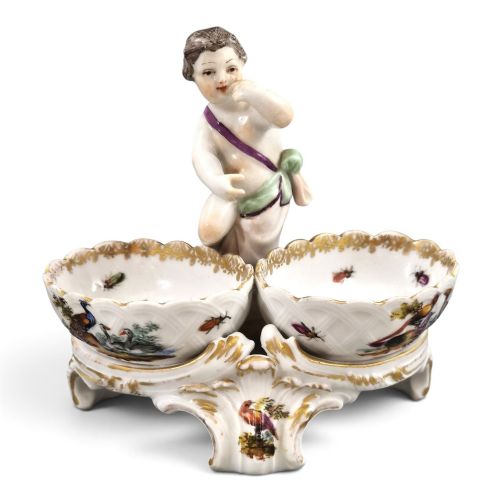
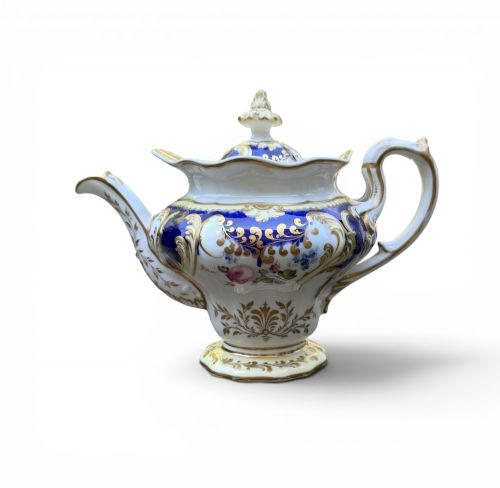
The materials span soft-paste and hard-paste porcelain, bone china, creamware, majolica, and earthenware, decorated with everything from delicate hand-painted botanical motifs and transfer-printed scenes to rich cobalt glazes and gilt accents. The predominant forms include teapots, sucriers, chestnut baskets, comports, and dinner plates that reflect Georgian, Regency, Victorian, and Art Deco design movements.
How they were made
Makers utilised traditional potting techniques, shaping clay bodies and porcelain mixtures by hand or moulding them into specific forms before subjecting them to multiple kiln firings. The application of glaze provided a durable, glossy surface that could then be embellished with underglaze blue, enamel colours, and gold leaf.
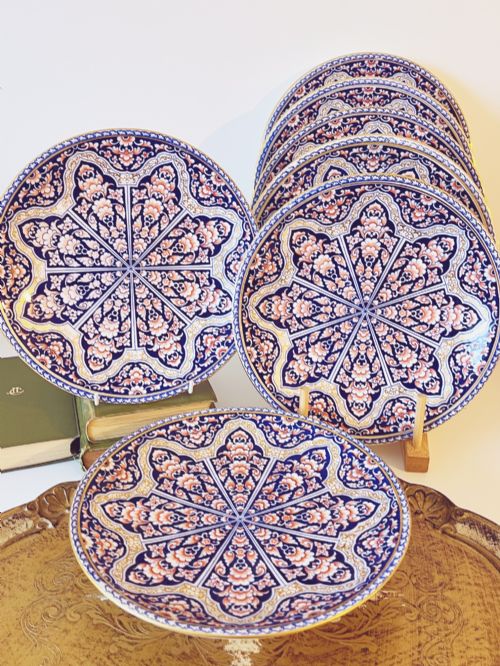
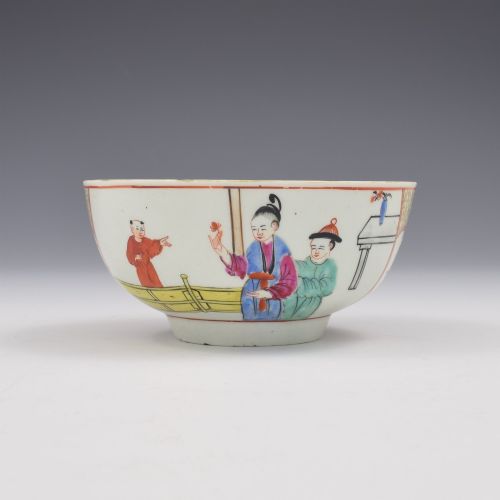
Decoration relied heavily on skilled artisans who executed meticulous hand-painted details, transfer printing, and polychrome patterns such as Imari styles or floral sheet designs. Specialised techniques like flow blue allowed cobalt to bleed slightly into the glaze during firing, creating a soft, atmospheric effect popular in the mid-nineteenth century.
Listings feature items spanning the eighteenth, nineteenth, and early twentieth centuries, constructed from porcelain, bone china, creamware, and majolica.
What varies in quality
Quality in these services is defined by the fineness of the ceramic body, the precision of the moulding, and the sophistication of the glaze and decoration. Superior pieces exhibit translucent porcelain, crisp details on relief-moulded elements, and master-level hand-painted brushwork rather than purely mechanical transfer printing.
The reputation of the manufactory, the presence of specific pattern numbers or maker marks, and the completeness of the service heavily influence the standing of an item within the range. Works by prominent potteries featuring bespoke artistry or documented provenance occupy the highest tier of craftsmanship.
Grainger Lee And Co·Spode·Derby Porcelain·Wedgwood·Royal Crown Derby·Dr Wall Worcester·Royal Sevres·KPM Berlin·Chamberlains Worcester·Minton·Walker And Hall·Doulton Burslem·Royal Doulton·John Ridgway·Booths·Royal Worcester
The Antique Ceramic Service Glossary
- Bone china
- A type of porcelain composed of clay, feldspar and bone ash, known for its high strength, opacity and milky white body. It became a staple of English ceramic production in the nineteenth century.
- Creamware
- A refined earthenware developed in Yorkshire with a warm, pale yellow or cream-coloured glaze. It offered a practical and elegant alternative to porcelain for dining wares.
- Sucrier
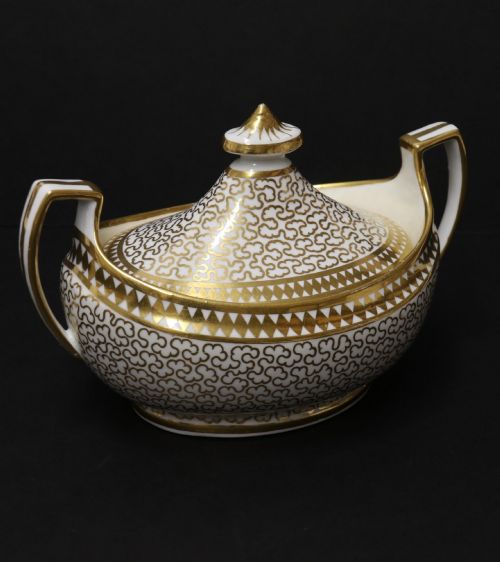
- A small covered sugar bowl designed to accompany tea and coffee services. These vessels often feature matching stands or intricate handles.
- Comport
- A decorative pedestal dish or bowl used for serving fruit and sweetmeats as part of a dessert service. They frequently sit at the centre of a matched table arrangement.
- Majolica
- A heavy earthenware pottery coated with an opaque tin-lead glaze and brightly coloured enamel paints. It gained immense popularity during the Victorian era for its vibrant hues and naturalistic designs.
Antique Ceramic Service: Frequently Asked Questions
What is included in a typical dessert service?
A dessert service usually comprises a collection of plates alongside serving pieces like comports and baskets intended for the final course of a meal. These sets often showcase elaborate hand-painted botanical or scenic decoration.
Such groupings allowed hosts to display their refinement during formal dining occasions in the Georgian and Victorian periods.
How do I care for antique porcelain?
Antique porcelain and earthenware require gentle hand washing in warm water with a mild detergent rather than machine washing. Avoiding sudden temperature changes protects the ceramic body and delicate gilt or enamel decorations.
Storing pieces with adequate padding between plates prevents chipping and preserves the glaze over decades of use.
What distinguishes bone china from earthenware?
Bone china incorporates bone ash into the ceramic paste, resulting in a lighter, thinner, and slightly translucent material that rings when tapped. Earthenware is heavier, opaque, and fired at lower temperatures.
Both materials were decorated extensively, but bone china was generally reserved for finer tea and dessert services.
Are part services usable for modern dining?
Many part services remain entirely functional for everyday use or special occasions, provided the glaze is sound and free from major crazing. Care should be taken with pieces featuring delicate gold leaf or hand-painted enamels, which can wear down with heavy use.
Mixing antique plates into modern settings is a common way to enjoy historical ceramics in daily life.