


Antique Ceramic Royal Ornament
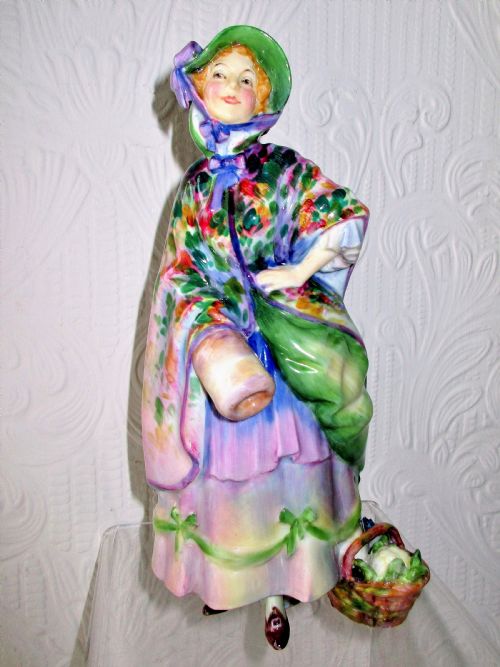
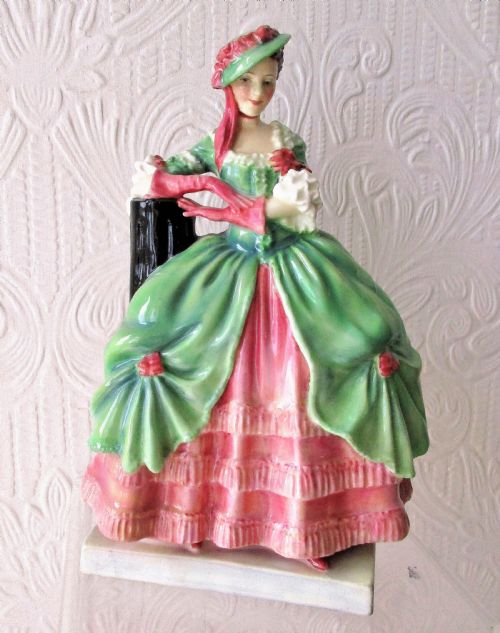
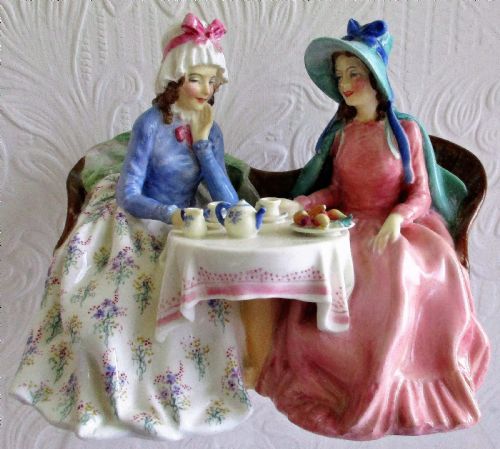
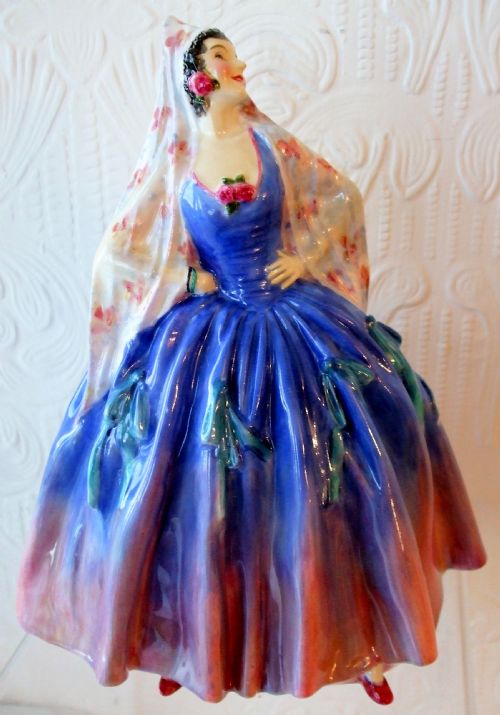
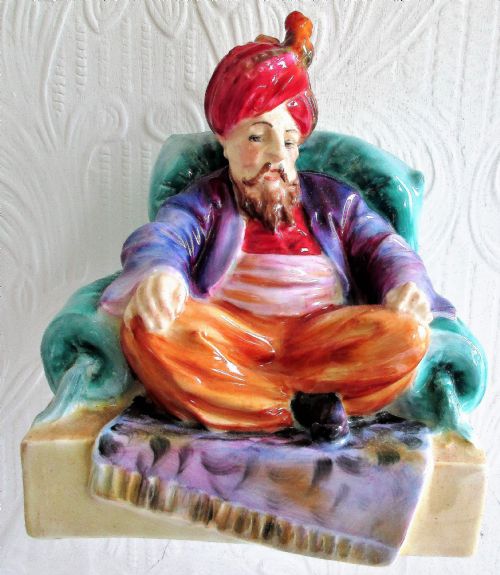
An antique ceramic royal ornament brings personality and colour to a mantelpiece, showing the refined skill of factories like Royal Worcester and Staffordshire.
Antique Ceramic Royal Ornament
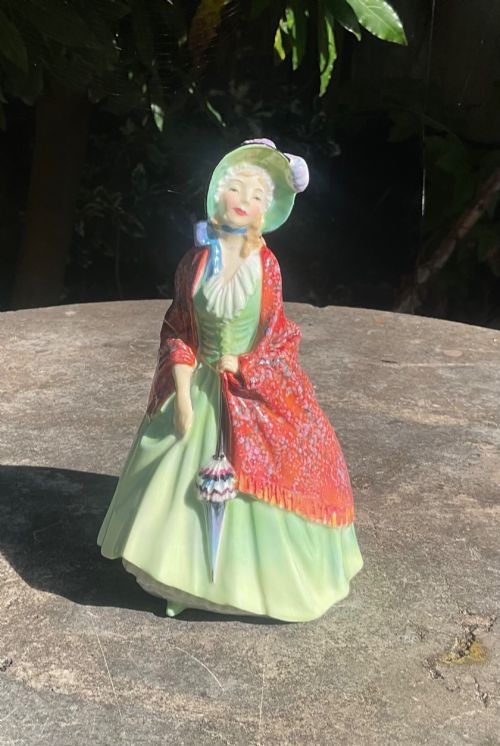
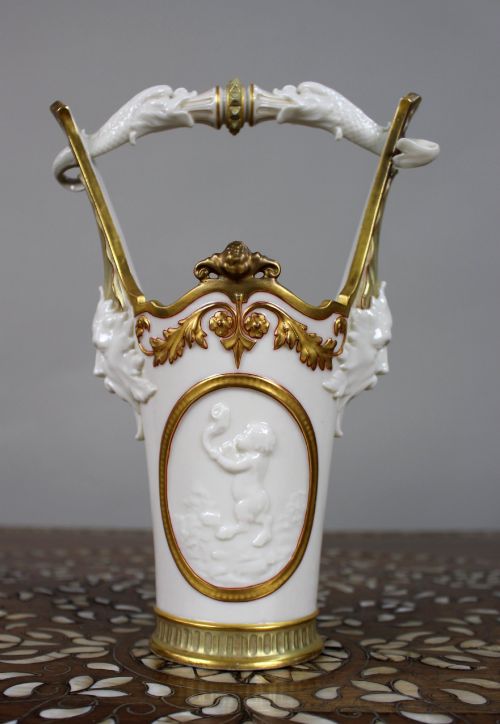
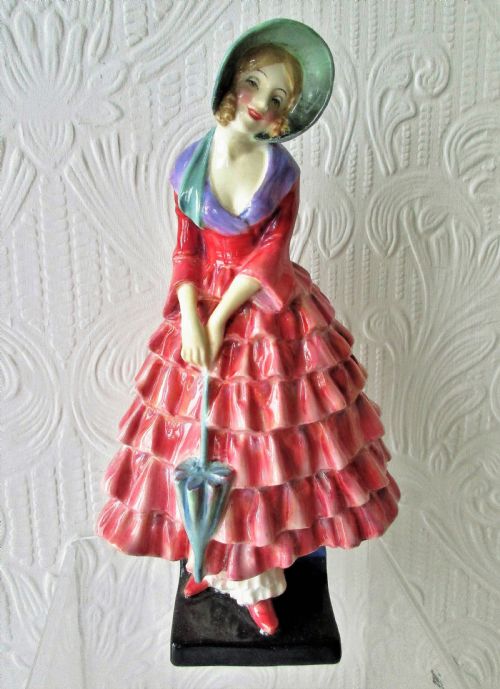
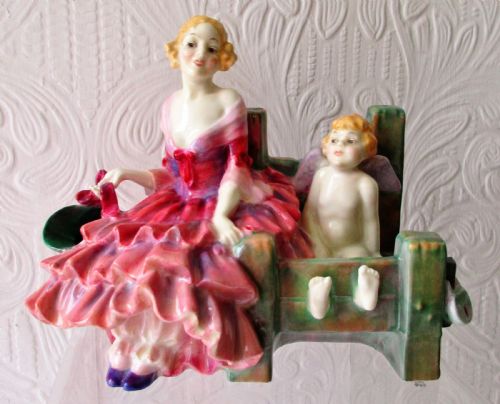
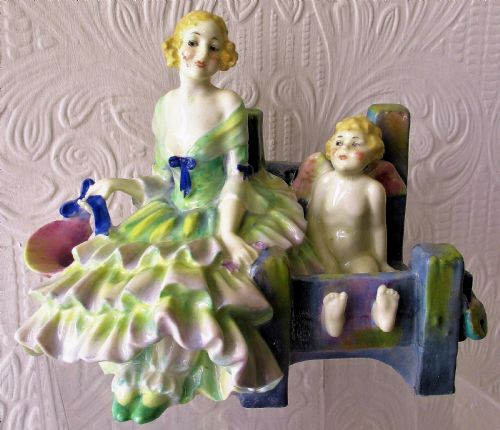
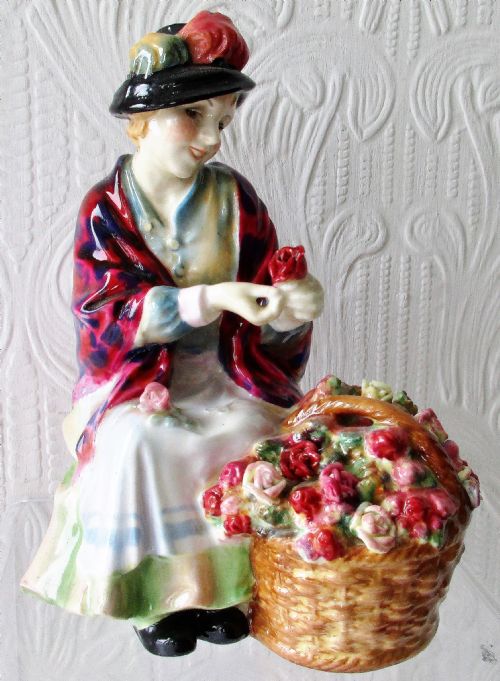
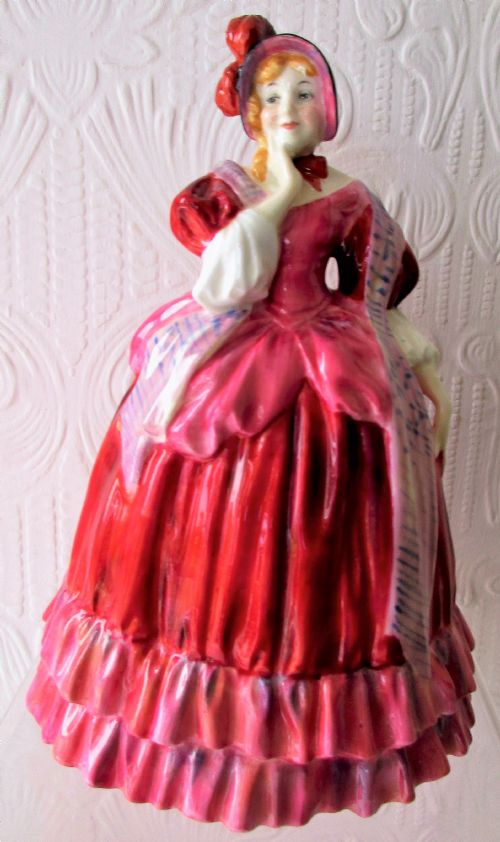
Every antique ceramic royal ornament in this collection represents the traditional figure and vase forms produced by major European factories. Buyers searching for an antique ceramic royal ornament encounter glazed earthenware, bone china, and porcelain works depicting figures, portrait groups, and sculptural vases. These pieces range from Victorian Staffordshire portrait flatbacks to early twentieth-century porcelain figurines.
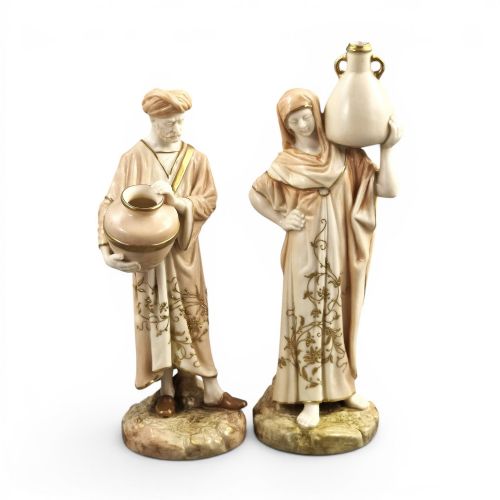
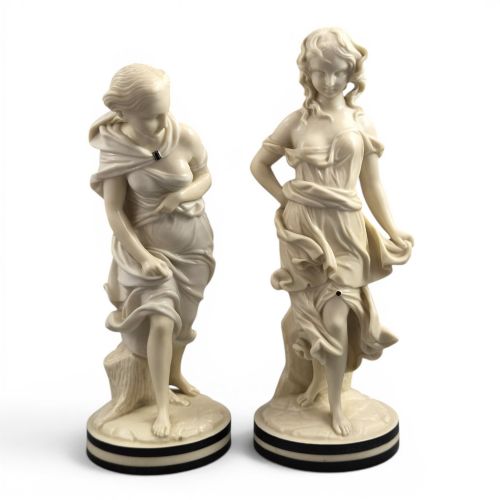
The versions most commonly met on this page include Royal Worcester figures shaped by artists such as James Hadley, alongside Staffordshire portrait pieces depicting royalty. Makers utilised distinct styles, moving from neoclassical revival and Victorian orientalism through to art deco designs. Collectors select these items to bring period character and specific historical subjects into domestic spaces.
How they were made
Makers shaped these ornaments using porcelain, bone china, and earthenware, often applying detailed enamel colours and gold leaf highlights. The production process involved casting or hand-modelling the ceramic body before applying specialised glazes, such as the blush ivory finish seen on Worcester works.
Painters and modellers combined delicate brushwork with moulded details, utilising patent metallic finishes and cobalt blue accents to achieve depth. Firing techniques varied according to the factory, resulting in either a high-gloss glazed surface or the matte texture characteristic of bisque porcelain busts.
Several Victorian figures stubbornly portray animals carrying human burdens, including dogs and cats carting their tiny peers about in pairs.
What varies in quality
Quality in these ceramics rests upon the crispness of the modelled details and the precision of the hand-painted enamel work. Pieces sculpted by named artists or produced in limited protoype versions demonstrate superior artistic execution compared to standard commercial output.
The depth and preservation of the gilding, the subtlety of the glaze shading, and the stability of large sculptural forms distinguish the top tier of pieces from simpler factory wares.
Royal Doulton·Royal Worcester·James Hadley·Royal Dux·Doulton Lambeth·Royal Crown Derby·Royal Copenhagen
The Antique Ceramic Royal Ornament Glossary
- Flatback
- A Staffordshire figure modelled with a finished front and a flat, unpainted back designed to stand against a wall. This technique reduced material costs and weight during the manufacturing process.
- Bisque
- Unglazed porcelain fired once to achieve a matte, marble-like texture. It allows sculptural details to remain sharp and unmasked by glossy surface coatings.
- Jardinere
- A large ceramic decorative pot or vase designed to hold potted plants. These items often feature sculptural figures or relief ornamentation around the exterior body.
- Gilt
- A thin layer of gold applied to the surface of the ceramic for decoration. It is frequently used to highlight clothing edges, bases, and architectural motifs.
Antique Ceramic Royal Ornament: Frequently Asked Questions
What is an antique ceramic royal ornament?
These pieces are decorative figurines, vases, and portrait groups created from porcelain, earthenware, or bone china by established European factories. They depict historical figures, royalty, literary characters, and classical subjects.
Collectors prize them for their sculptural form and the specific painting techniques used during the nineteenth and early twentieth centuries.
How do I identify a Staffordshire royal figure?
Staffordshire figures often present as flatbacks with hand-painted cobalt blue or enamel details representing nineteenth-century monarchs and historical events. They typically display robust earthenware bodies and simple folk-art styling.
Examining the base and the application of the glaze helps distinguish genuine nineteenth-century examples from later reproductions.
How should I display porcelain figurines safely?
Place ceramic ornaments away from direct sunlight and areas subject to sudden temperature changes to protect the painted enamels and gilding. A stable cabinet with glass doors keeps dust away from delicate limbs and protruding decorative elements.
Ensure the supporting surface is level and free from vibration to prevent accidental tipping.