


Antique Ceramic Mug
An antique ceramic mug holds centuries of social history in a heavy, tactile form, rewarding the collector with vivid transfer prints and hand-painted scenes.
Antique Ceramic Mug
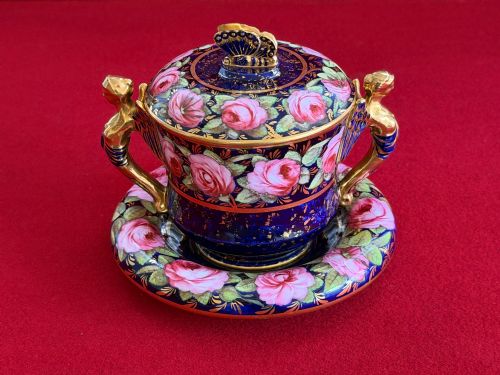
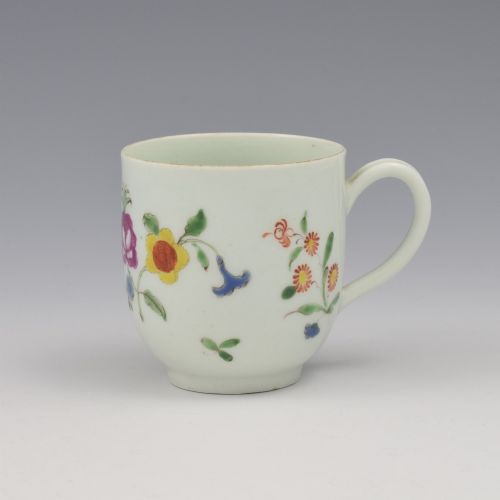
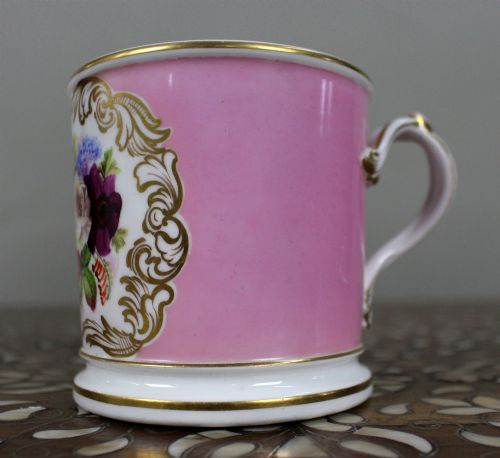
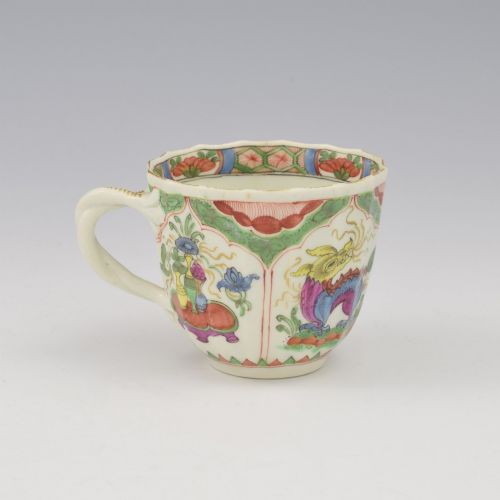
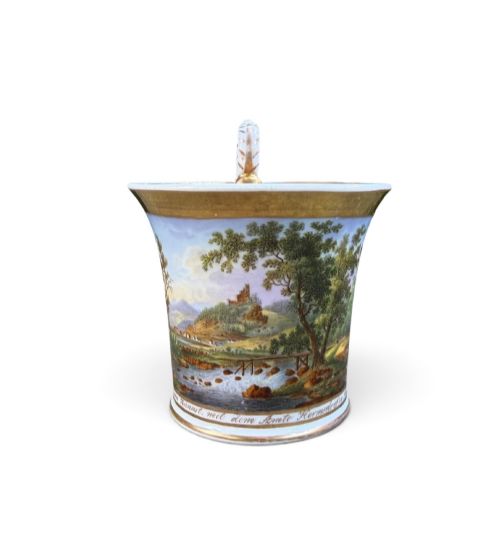
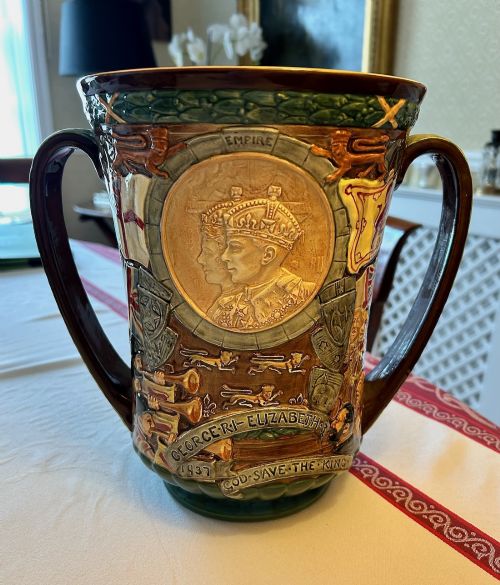
When you search for an antique ceramic mug, you encounter a diverse vessel group spanning utilitarian tavern tankards, commemorative loving cups, and delicate porcelain chocolate or coffee cups. The selections here range from robust earthenware and salt-glazed stoneware to refined 18th-century porcelain.
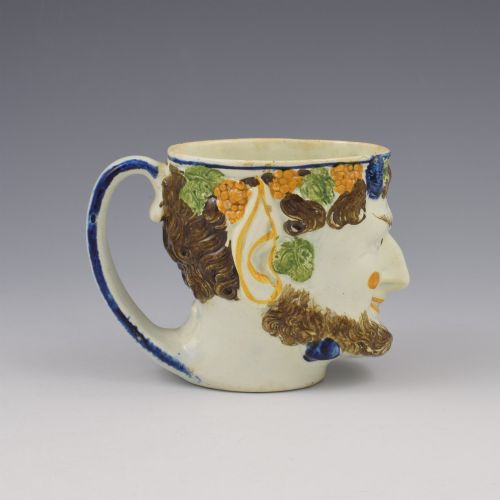
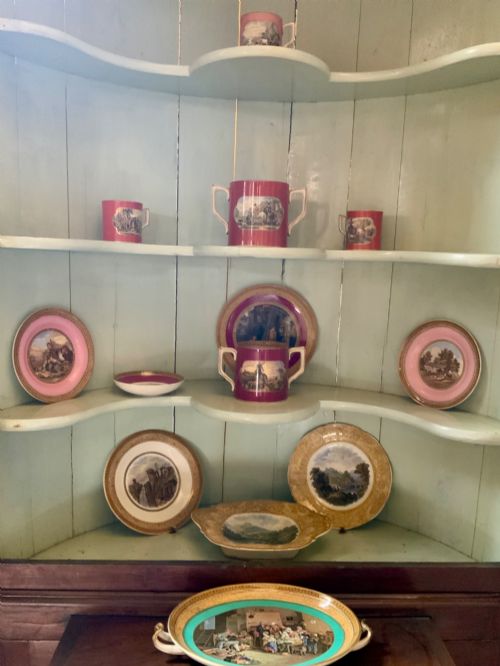
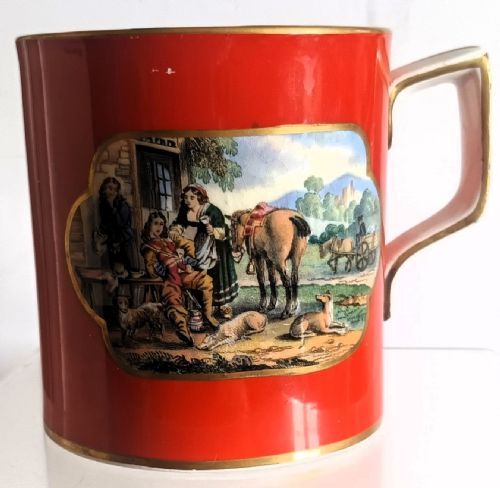
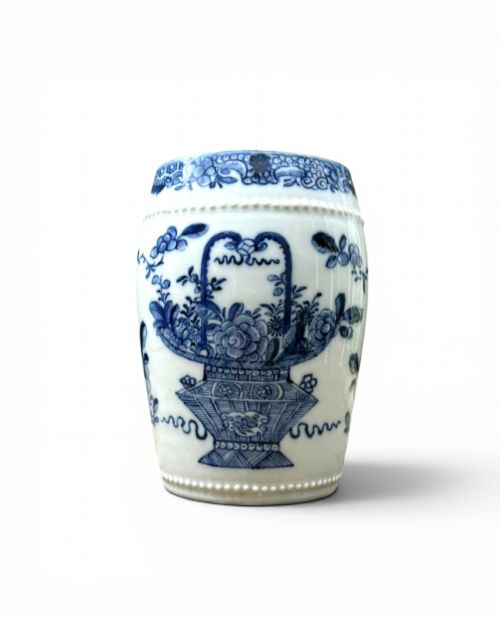
You will frequently meet 19th-century pearlware and Staffordshire pieces, often featuring transfer-printed hunting scenes or humorous interior ceramic frogs designed to surprise the drinker. Earlier examples include Worcester porcelain and Chinese export barrel-shaped mugs destined for Georgian drawing rooms.
How they were made
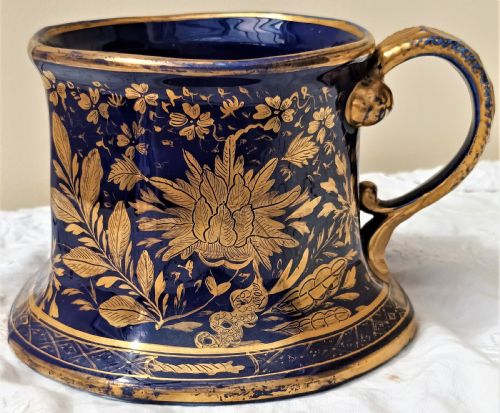
Potters shaped earthenware, porcelain, and stoneware on the wheel or in moulds before applying tin glazes, salt glazes, or lustrous enamel colours. Artisans then fixed these pigments in kilns, sometimes adding gold leaf or silver rims to finish the piece.
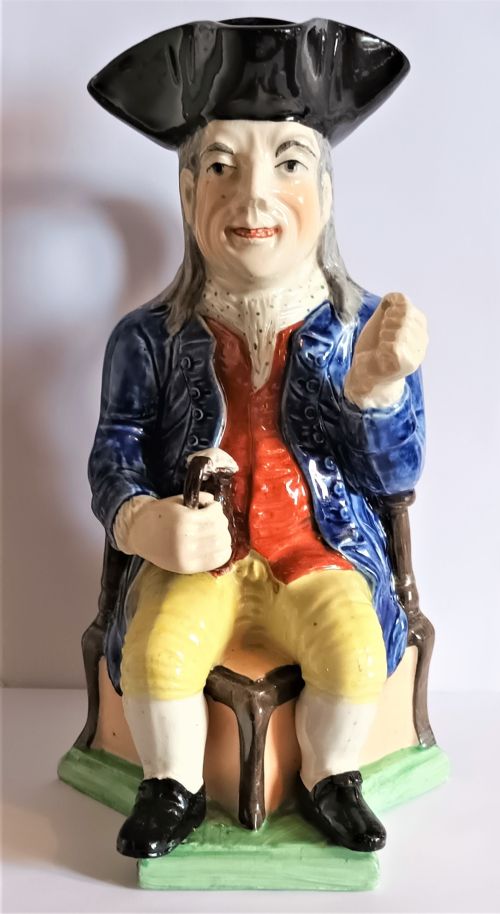
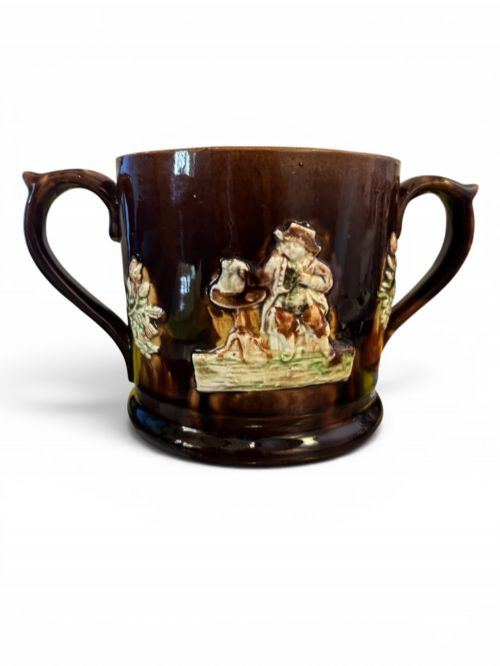
Transfer printing allowed workshops to apply intricate blue and white or polychrome designs across curved surfaces efficiently, while modellers hand-sculpted applied figures and textured handles onto tygs and character jugs.
Ceramic frogs lurk inside numerous mugs on this page, waiting to startle thirsty drinkers who reached the bottom of their ale.
What varies in quality
The precision of the painting and the crispness of the transfer print dictate the visual success of the vessel, distinguishing hurried factory output from carefully handled artisan work. Porcelain pieces show refinement through thin potting and translucent bodies, whereas heavy stoneware relies on the uniform depth of the salt glaze.
The complexity of the form introduces another distinction, as multi-handled tygs and vessels with applied figures demand greater technical skill from the potter than a straightforward cylindrical tankard.
Spode·Richard Chaffers·Grainger Worcester·Royal Doulton·H & R Daniel·Copeland·Inoue Ryōsai Workshop
The Antique Ceramic Mug Glossary
- Pearlware
- A refined earthenware developed by Josiah Wedgwood, characterised by a subtle blueish-white glaze that pooled in crevices. It served as a popular canvas for hand-painted and transfer-printed mug designs throughout the Georgian period.
- Loving Cup
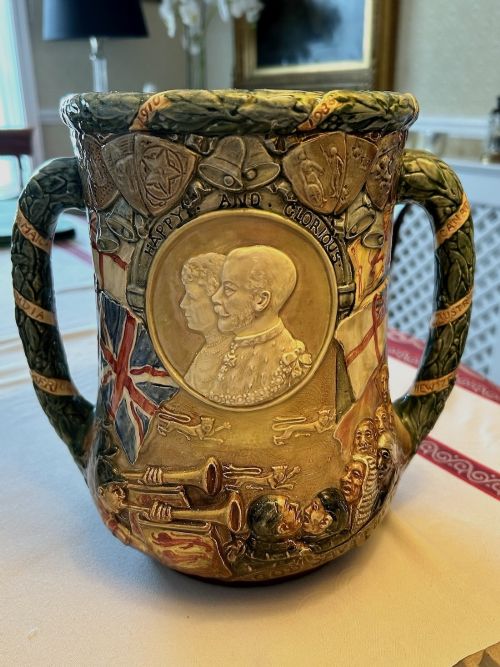
- A large drinking vessel featuring two or more handles, designed to be passed among company at celebrations or community events. Many antique ceramic examples include printed poems or convivial drinking scenes.
- Tyg
- A robust, multi-handled drinking vessel, often possessing three or four handles so guests could hold it securely from different angles. They appeared frequently in stoneware and earthenware across the 18th and 19th centuries.
- Frog Mug
- A specialised drinking vessel containing a small ceramic frog or newt moulded inside the base, positioned to emerge as the liquid drained. They often featured personalised inscriptions and dates.
- Stoneware
- A dense, impermeable pottery fired at high temperatures until the clay vitrified. Potters often utilised salt glazing on these durable mugs to create an orange-peel texture.
Antique Ceramic Mug: Frequently Asked Questions
What is a frog mug?
A frog mug is a traditional drinking vessel featuring a small ceramic amphibian modelled inside the bottom. As the drinker finished their ale, the hidden creature appeared as a playful surprise.
These pieces were common in 19th-century taverns and homes, often decorated with transfer-printed hunting scenes or commemorative verses.
Why do some mugs have three handles?
Mugs with multiple handles are known as tygs, designed so people could share a communal drink easily at gatherings. Each person grasped a different handle to pass the vessel safely around the company.
This communal design made tygs popular for celebrations, weddings, and institutional events throughout the 18th and 19th centuries.
How do I date an antique ceramic mug?
Dating relies on identifying the material, glaze, and decorative technique, such as distinguishing early salt-glazed stoneware from later Victorian transfer-printed earthenware. Makers' marks, where present, help narrow the production period.
Stylistic cues like Georgian chinoiserie, Regency shapes, or Victorian commemorative dates provide further historical context for the manufacture.
Can I use an antique mug for drinking?
Using antique ceramic vessels for daily consumption is generally discouraged due to the porous nature of older earthenware and historical glazing materials. Fine porcelain cups may also sustain damage from modern cleaning methods and thermal shock.
Collectors typically display these pieces as cabinet items or decorative objects rather than putting them into everyday service.