



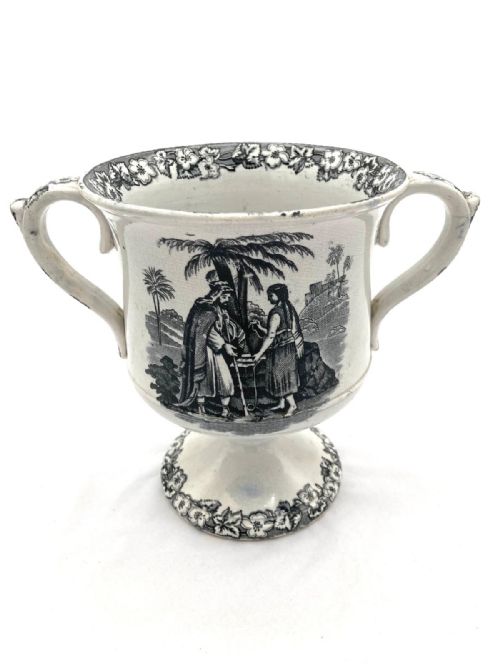


Antique Earthenware Mug
An antique earthenware mug brings centuries of character to the table, offering tactile warmth and robust traditional craftsmanship.
Antique Earthenware Mug
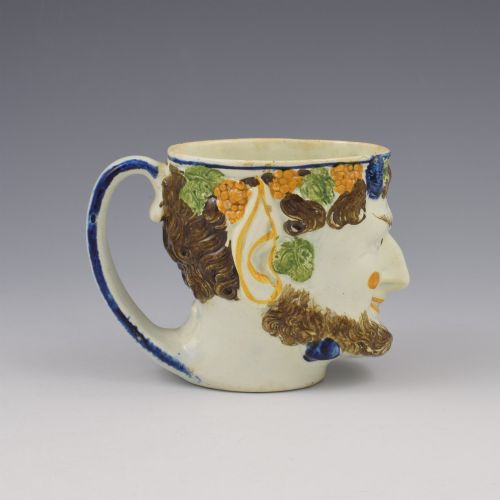
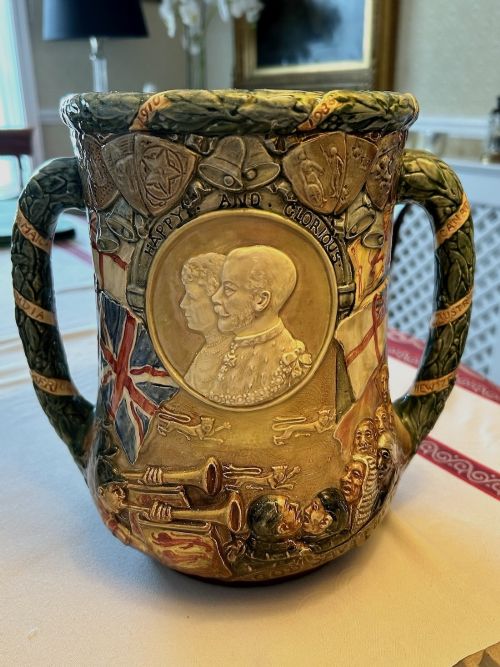
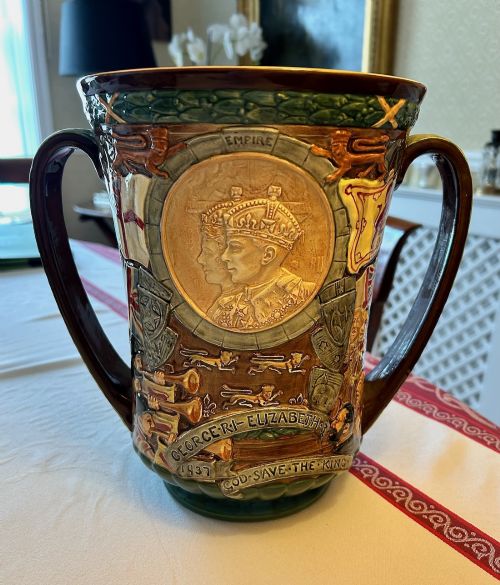
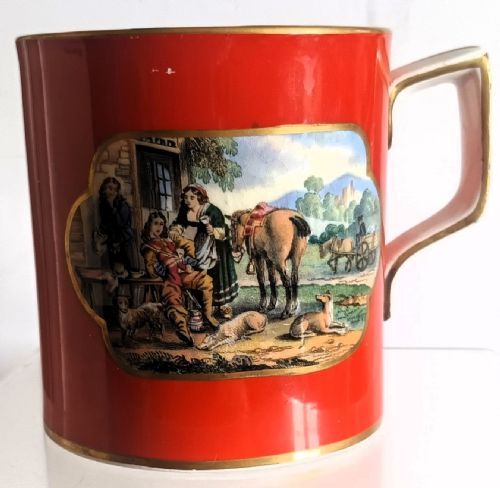
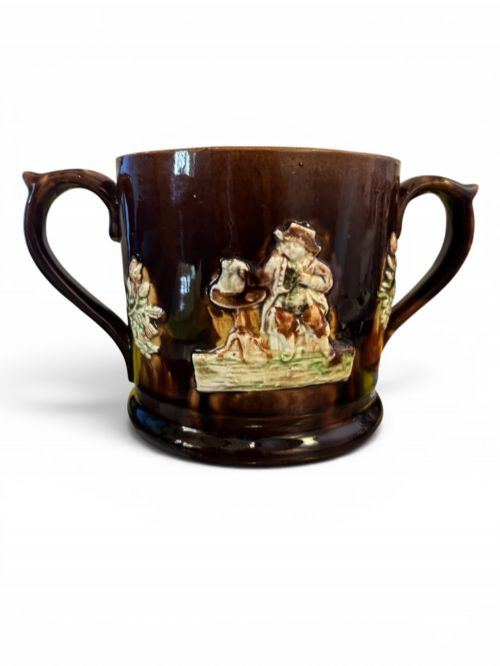
When you search for an antique earthenware mug, you encounter a diverse range of drinking vessels spanning several centuries. The selections include robust tankards, loving cups with multiple handles, and commemorative pieces from the Georgian and Victorian eras.
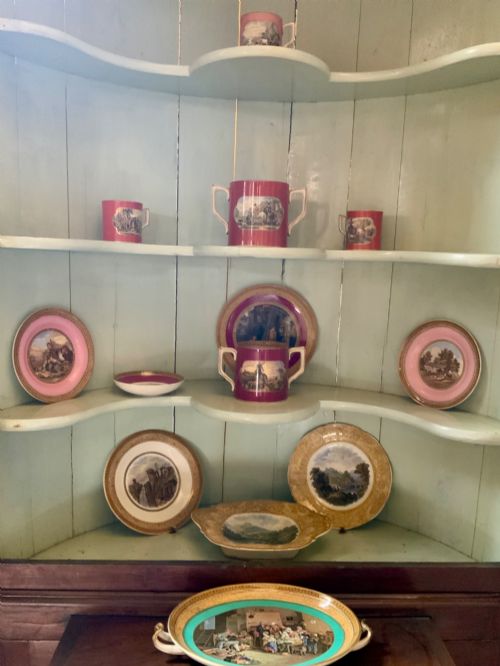
The most common vessels on this page are British Staffordshire pieces, often featuring transfer-printed scenes or painted details. These practical drinking vessels also encompass German steins, Dutch slipware, and whimsical surprise mugs fitted with internal ceramic creatures.
Production methods range from early hand-thrown country pottery to specialised factory outputs in pearlware and creamware. Buyers encounter everything from simple nursery alphabet mugs to elaborate commemorative coronation cups issued for royal events.
How they were made
Potters shaped the clay body by hand or on a wheel before applying lead glazes to seal the porous earthenware material. Many vessels received transfer-printed ornamentation or hand-painted polychrome enamel details prior to a secondary kiln firing.
Several tavern mugs hide ceramic frogs and newts inside, designed to startle drinkers when they reached the bottom of their ale.
What varies in quality
The sophistication of the painting and the crispness of transfer-printed designs distinguish finer examples from standard commercial output. Superior pieces display finely detailed brushwork, rich polychrome enamel palettes, and carefully controlled glaze finishes without heavy pooling or clouding.
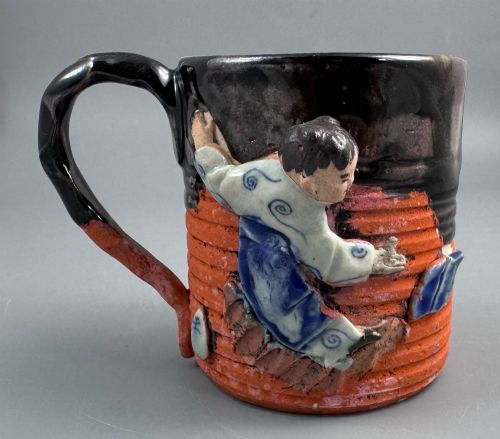
Royal Doulton·Inoue Ryōsai Workshop·Sarreguemines
The Antique Earthenware Mug Glossary
- Earthenware
- A porous pottery type fired at relatively low temperatures, requiring a glaze to hold liquids securely. It forms the core material for traditional country pottery and mass-produced Staffordshire vessels.
- Creamware
- A pale yellow-hued refined earthenware perfected during the Georgian period. Its warm tone provided an ideal canvas for transfer-printing and hand-painted botanical motifs.
- Loving cup
- A large drinking vessel fitted with two or more handles, designed to be passed between guests at communal gatherings. These often appear with satirical poems or political toasts.
- Slipware
- Pottery decorated by applying fluid clay slip to a contrasting clay body before firing. The technique produces distinctive marbled or trailed linear patterns across the surface.
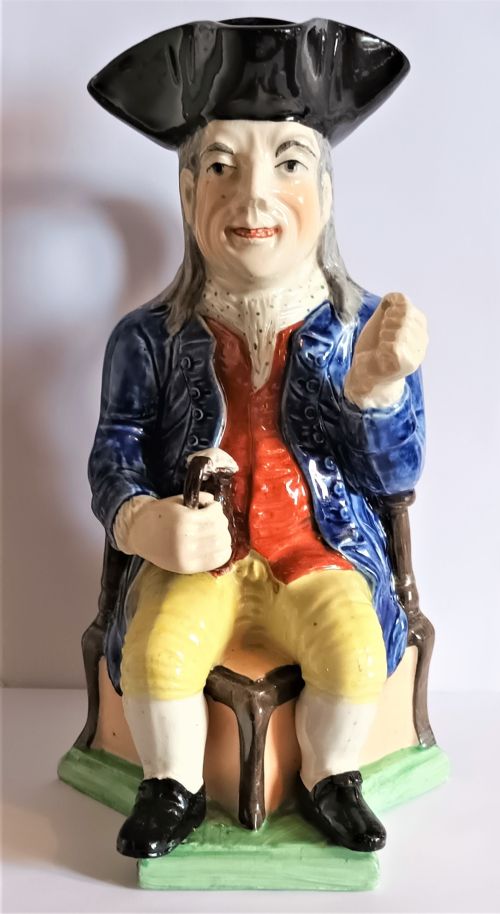
- Toby jug
- A pottery jug modelled in the shape of a seated, stout eighteenth-century person holding a mug of beer. They frequently wear a tricorn hat that doubles as the pouring spout.
Antique Earthenware Mug: Frequently Asked Questions
What is a frog mug?
A frog mug is a traditional drinking vessel featuring a small ceramic frog modelled on the interior base or rim. The creature appears unexpectedly as the drinker finishes their beverage.
These surprise mugs were popular in British taverns during the eighteenth and nineteenth centuries, often used for drinking games and practical jokes among patrons.
How do I date an earthenware mug?
Dating relies on examining the ceramic body, glaze characteristics, and decorative techniques. Creamware and pearlware point strongly towards the Georgian era, whereas bright polychrome enamels and transfer prints frequently indicate Victorian production.
Commemorative inscriptions naming specific monarchs or historical events provide a reliable fixed point for the year of manufacture. Stylistic markers such as handle shapes and applied relief work further narrow down the manufacturing period.
Can I use an antique mug for drinking?
While these vessels were originally made for daily consumption of ale, tea, or cider, using antique earthenware requires caution. Historic glazes can contain lead, and old ceramic bodies may have hairline cracks that harbour bacteria.
Most collectors treat antique mugs as decorative display pieces rather than functional kitchenware to preserve their structural integrity.
How should I clean antique pottery?
Cleaning should be kept to a minimum using only a dry microfibre cloth or a very soft brush to remove surface dust. Submerging porous earthenware in water can cause historic glazes to craze or moisture to penetrate underlying clay bodies.
Harsh chemical detergents and abrasive sponges must be avoided entirely to prevent permanent damage to painted enamels and delicate surface details.