




Antique Ceramic Frog Mug
An antique ceramic frog mug is a drinking vessel designed to startle the drinker with a small ceramic creature sitting inside.
Antique Ceramic Frog Mug
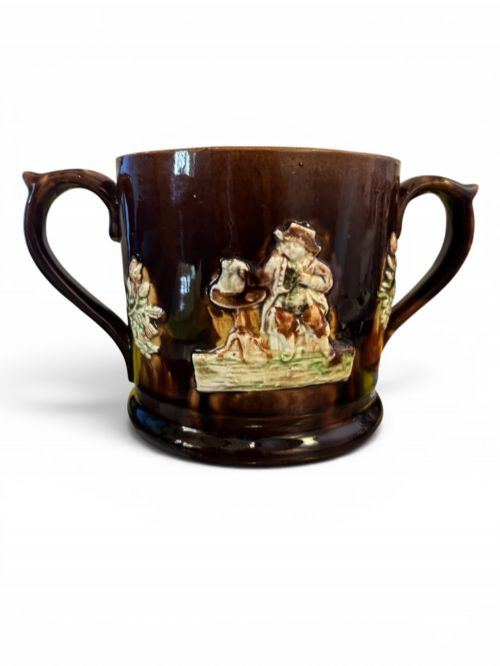
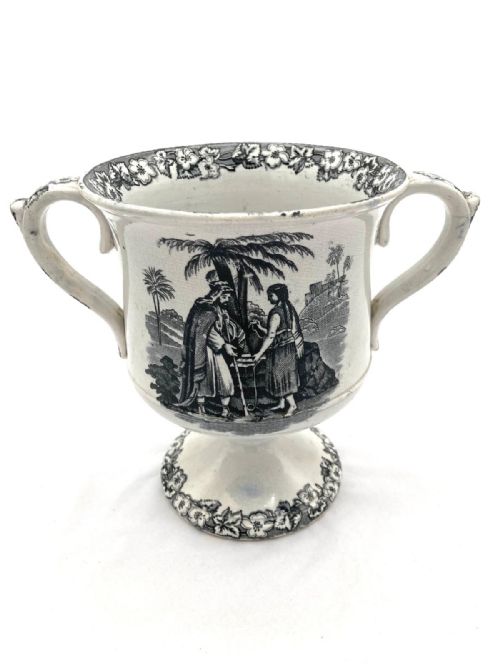
An antique ceramic frog mug is typically a two-handled tankard or loving cup created to hold ale, featuring a modelled amphibian concealed within the base until the drink is nearly finished. These vessels span the eighteenth and nineteenth centuries, taking forms such as pedestal loving cups and Winchester measure mugs.
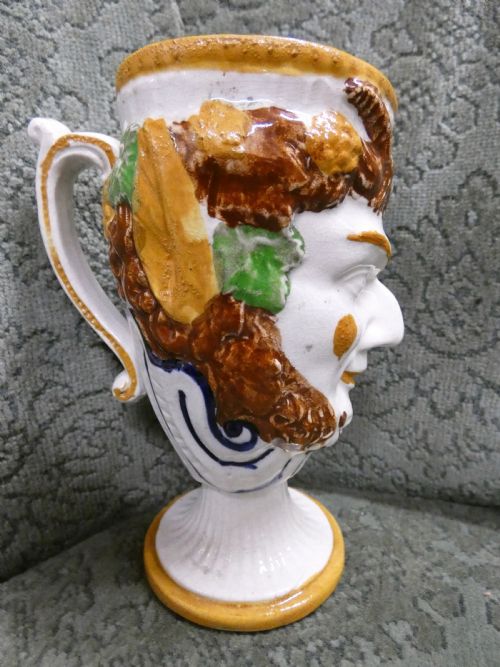
The pieces appearing on this page belong to English country pottery, Georgian, Regency, and Victorian traditions. Makers decorated them with hand-painted polychrome details, mulberry or black transfer prints, and sometimes names, dates, or poems.
Collectors encounter single-handled mugs alongside two-handled loving cups, some depicting frogs and newts together. Most examples originate from British kilns, with certain pearlware cups attributed to Welsh potteries.
How they were made
Potters shaped these mugs from earthenware or pearlware bodies, applying specialised glazes to achieve the smooth surfaces necessary for functional drinking vessels. The internal frog or newt was modelled separately and fixed to the interior base before the final firing.
Decoration relied on hand-painting with enamels or applying black, blue, and mulberry transfer prints onto the damp or biscuit clay. Certain pieces received gold leaf highlights to emphasise inscriptions, names, or decorative hunting scenes.
What varies in quality
Quality rests in the clarity of the transfer printing and the precision of the hand-painted enamel work across the mug body. Finer vessels display crisp detailing on the hunting scenes, poems, or commemorative dates.
The modelling of the concealed creature dictates much of the charm, where realistically sculpted amphibians demonstrate superior artisan skill compared to simpler forms. The integrity of the pearlware glaze and the weight of the two-handled body also distinguish standard production from exceptional examples.
The Antique Ceramic Frog Mug Glossary
- Pearlware
- A refined earthenware developed in the late eighteenth century featuring a subtle blue-tinted glaze over a whitish body. Potters used it extensively for painted and transfer-printed mugs.
- Transfer printing
- A decoration technique where an engraved copper plate transfers a printed design onto paper and then onto the ceramic surface before glazing. This method allowed for intricate hunting scenes and detailed poems on mugs.
- Loving cup
- A large drinking vessel typically fitted with two or three handles, designed to be passed among guests at gatherings. These often housed the characteristic surprise frog at the bottom.
- Winchester measure
- A standardised legal capacity for liquid volume used in England for ale and wine. Mugs bearing this designation served official tavern or household measures.
Antique Ceramic Frog Mug: Frequently Asked Questions
What is the point of a frog mug?
These drinking vessels were designed as practical jokes for taverns and social gatherings. As the drinker finished their ale, a small ceramic frog emerged from the liquid to startle them.
Hosts used them to test a companion's sobriety or simply to provoke laughter among guests sharing a communal loving cup.
How old are these ceramic mugs?
The examples available span from the late eighteenth century through the nineteenth century. Most pieces date from the Georgian, Regency, and Victorian periods.
Stylistic clues like transfer print colours, pearlware glazes, and specific potting weights help narrow down their exact decades.
Are these mugs safe to drink from?
While historic earthenware and pearlware can hold liquids, antique ceramic mugs are generally treated as display pieces today. The historic glazes and ceramic bodies may absorb liquids or suffer damage from modern washing.
Collectors prefer to exhibit them safely on shelves rather than test their original tavern functions.