



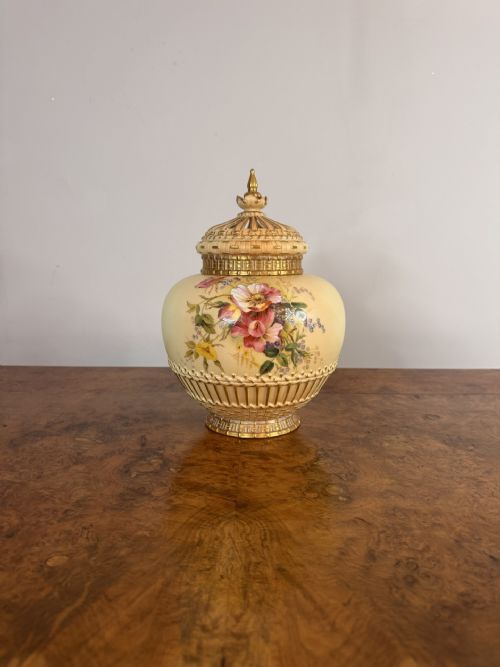
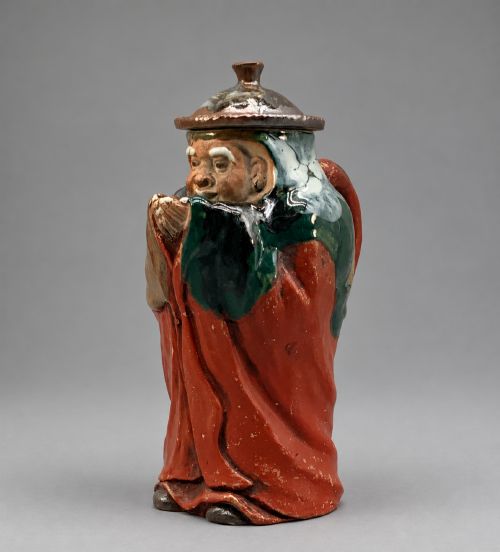
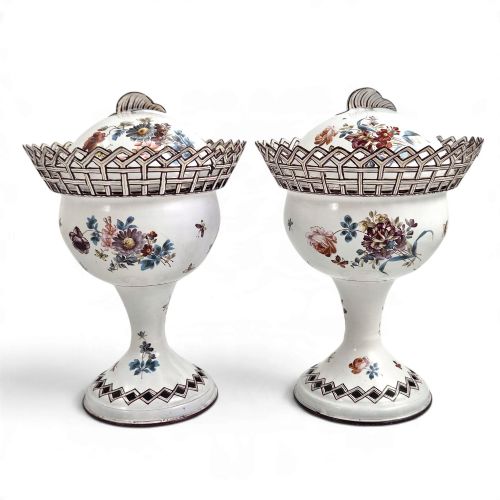
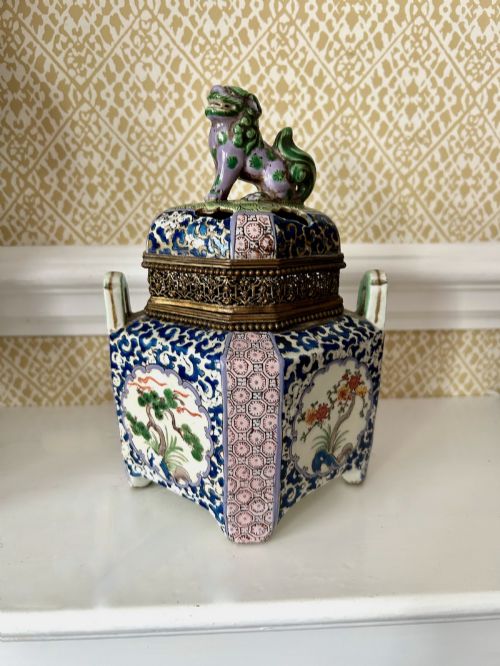




Antique Ceramic Lids
These antique ceramic lids and covered vessels represent centuries of potting skill, offering both functional storage and decorative appeal for the home.
Antique Ceramic Lids
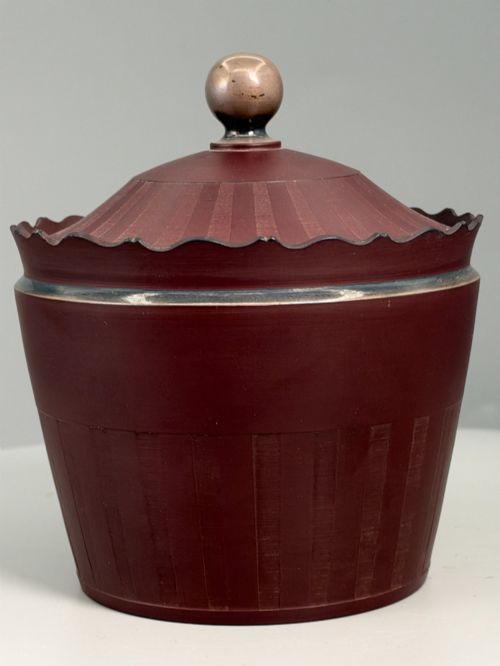
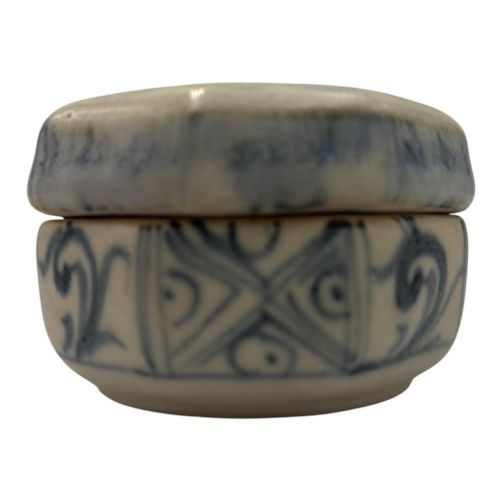
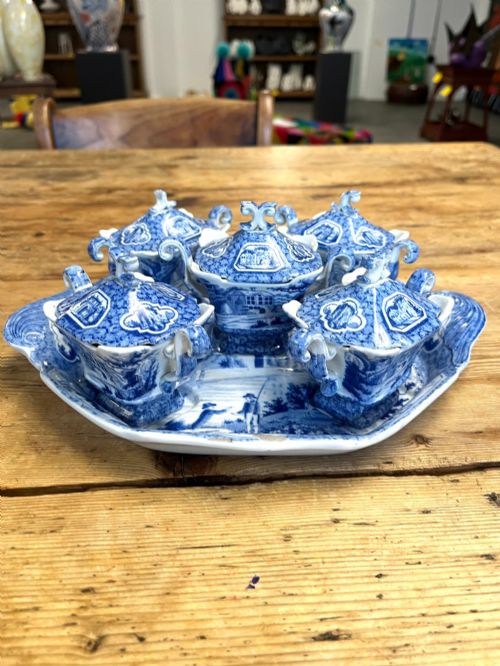
When searching for antique ceramic lids, buyers encounter a variety of covered vessels ranging from 17th-century Delft jars to Victorian porcelain tureens and sugar boxes. These objects serve multiple historical functions, including storage for tea, tobacco, and preserves, alongside purely ornamental display pieces like lidded vases and urns.
The assortment spans English, European, and Asian traditions, featuring tin-glazed earthenware, porcelain, and majolica forms. Most examples date from the 18th and 19th centuries, reflecting the high domestic demand for matching covers on useful and decorative pottery during those periods.
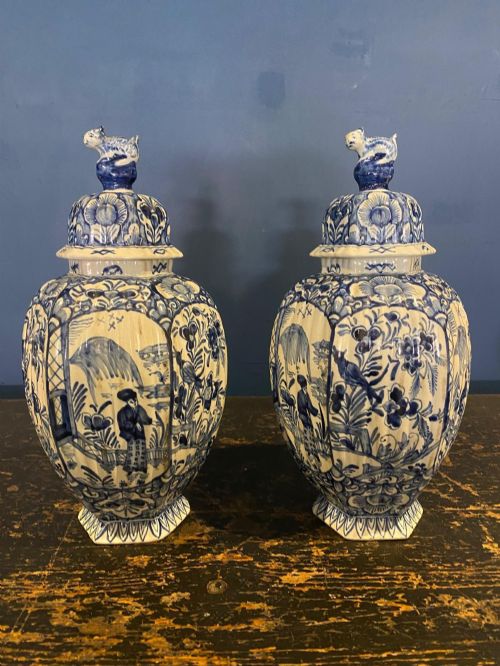
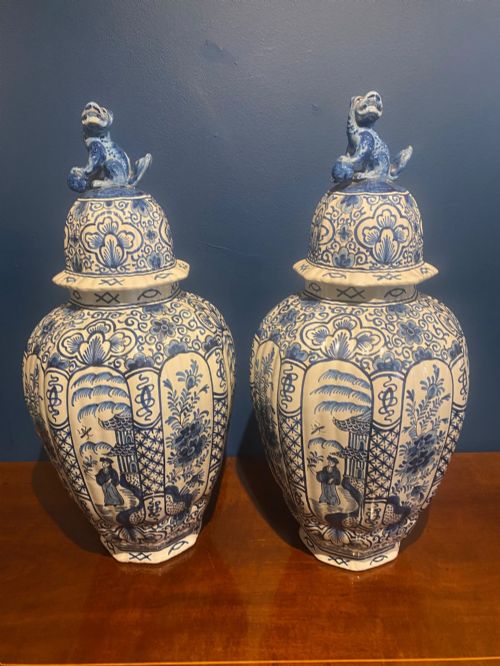
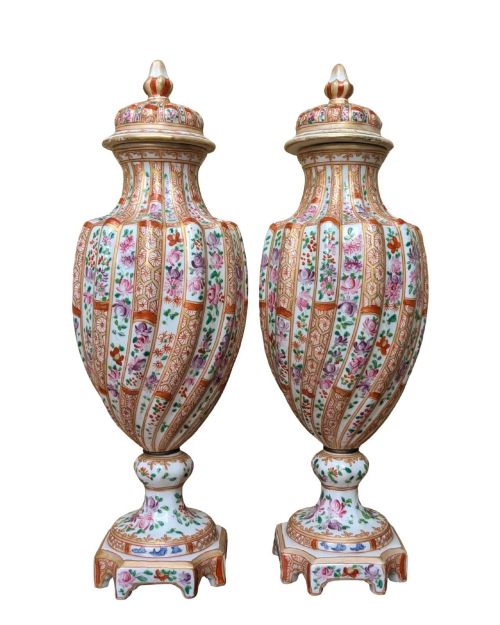
Vessels on this page often appear as pairs of lidded vases or individual jars with fitted ceramic tops designed to match the body. Whether plain blue and white or richly enamelled, these items demonstrate how potters unified the profile of base and lid.
How they were made
Makers shaped these pieces using earthenware, porcelain, and stoneware bodies formed on the potter's wheel or in moulds. Artisans then applied tin glazes, blue and white pigments, or polychrome enamel decorations before firing the items in kilns.
Surface ornamentation often involved hand-painted floral motifs, armorial designs, or transfer printing. Selected areas received additional detailing in gold leaf or gilt to highlight the relief work on the ceramic surface.
Antique Ceramic Lids Retail Price Guide 2026
Typical asking prices for ceramic lids among the pieces listed under this phrase on Sellingantiques today, from the lower quarter to the upper quarter. They describe what is for sale here now, not the wider market.
The inventory includes object types ranging from decorative jars and vases to tureens, sugar boxes, and posset pots.
What varies in quality
The standard of a piece depends on the crispness of the moulding and the control evident in the hand-painted or transfer-printed decoration. Superior examples show precise alignment between the lid and the vessel rim, maintaining a harmonious silhouette.
Skill in the glazing process distinguishes finer items, where colours remain bright and even without running or pooling in the kiln. The integration of metal elements, such as pewter mounts on jugs and jars, also marks the distinction of the piece.
Edme Samson·Royal Worcester·Chamberlain Worcester·George Jones·Robert Hamilton
The Antique Ceramic Lids Glossary
- Tin-Glazed Earthenware
- Pottery covered with a glaze containing tin oxide, producing an opaque white surface suitable for painted decoration. This technique underpins Dutch Delftware and French faience.
- Covered Box
- A small ceramic container with a matching removable top, used historically for cosmetics, dry goods, or small valuables. These items often feature intricate hand-painted motifs.
- Majolica
- A type of earthenware decorated with coloured lead glazes over an opaque white tin glaze, known for vibrant hues. Victorian makers utilised this technique for decorative boxes and urns.
- Transfer Printing
- A method of applying pre-printed designs to ceramic surfaces from an engraved copper plate using paper. This process allowed intricate scenes to be reproduced consistently across multiple vessels.
- Pot Lid
- A small ceramic disc or cover, particularly those produced by Staffordshire manufacturers in the 19th century. Collectors prize these for their detailed topographical and historical printed scenes.
Antique Ceramic Lids: Frequently Asked Questions
What were antique ceramic lids used for?
These covers served to protect the contents of storage jars, tureens, and sugar boxes from moisture, dust, and insects. They kept domestic commodities fresh while contributing to the unified decorative design of the vessel.
In dining and parlour settings, covered pots and urns maintained the aesthetic lines of the table or mantelpiece. The snug fit of the lid was essential for preserving dry goods and aromatic herbs over long periods.
How do I date a ceramic lid?
Dating relies on stylistic clues, paste composition, and the specific type of glaze used on the ceramic body. Eighteenth-century pieces often display tin-glazed earthenware bodies with hand-painted blue and white motifs.
Later Victorian items frequently incorporate transfer printing, brighter polychrome enamels, or distinct factory marks. Comparing the potting technique and decorative palette to documented examples helps narrow the period of origin.
Are lids usually original to the vessel?
Many surviving vessels retain their original matching covers, which share the same glaze, paste, and decorative scheme as the base. Collectors examine the wear patterns and fit to determine if a lid belongs to the piece.
Because lids are fragile and easily broken, replacement covers from the same era do occur. A correct original fit ensures continuity in style and value for the assembled item.
How should I display lidded ceramics?
Lidded vessels look best on stable surfaces away from high-traffic areas where accidental knocks might dislodge the top. Displaying them at eye level on shelves or cabinets allows the detail on both base and cover to be seen.
Keeping the pieces out of direct sunlight preserves the painted enamel and gilt details. Ensure that the lid rests securely on the base without rocking to prevent edge chipping.