


Antique Ceramic Lady
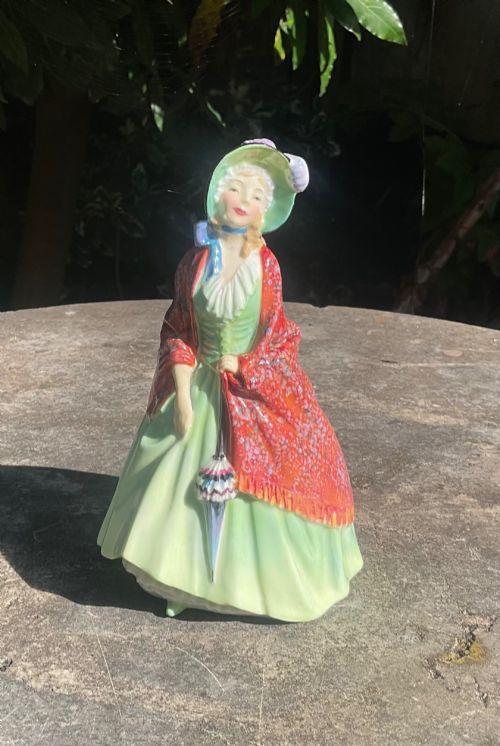
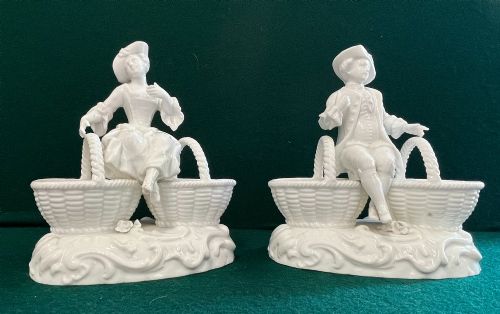
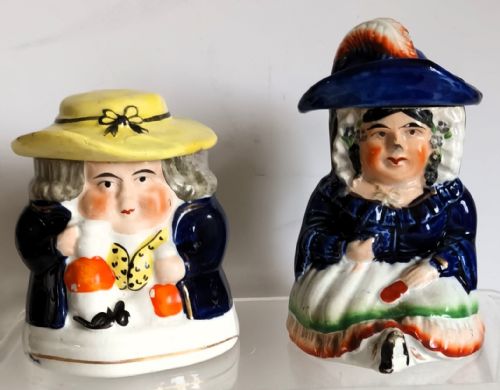
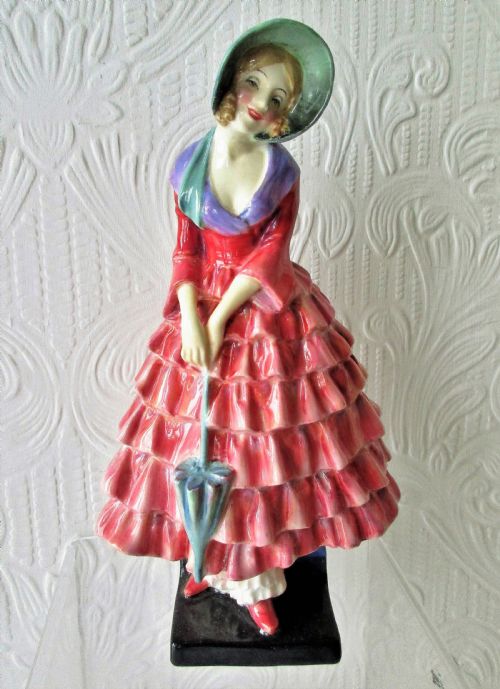
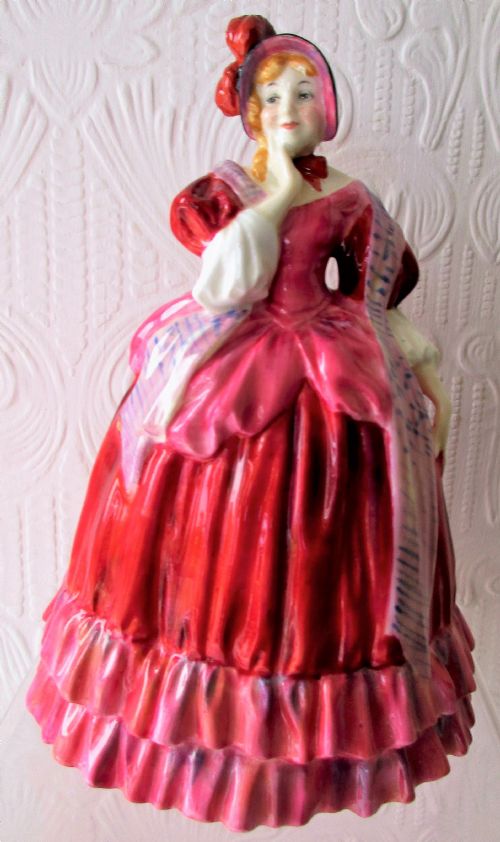
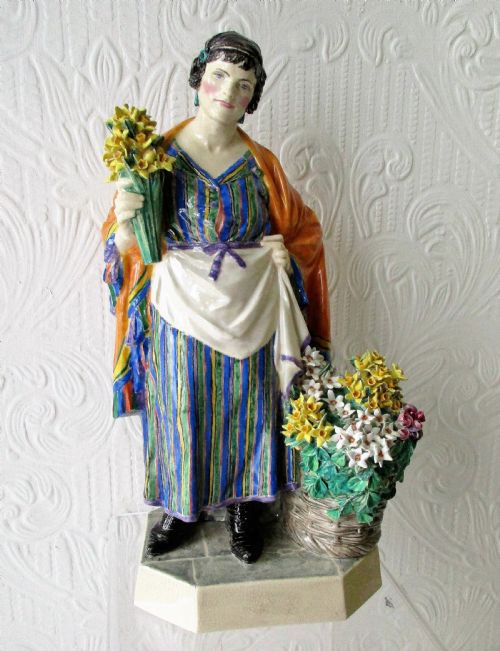
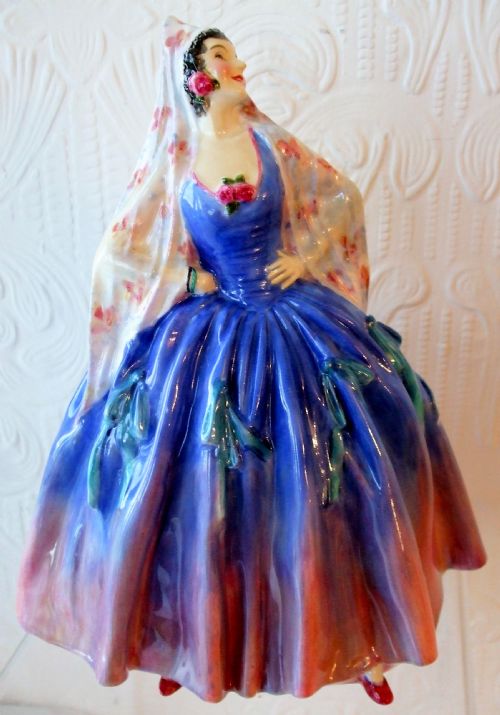
When you search for an antique ceramic lady, you discover a diverse world of porcelain and earthenware figures shaped across centuries.
Antique Ceramic Lady
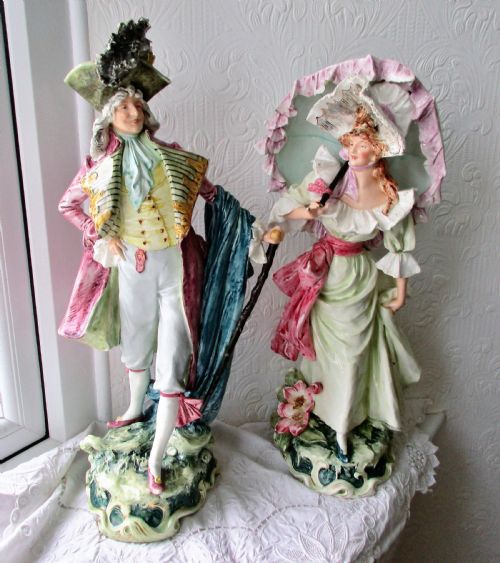
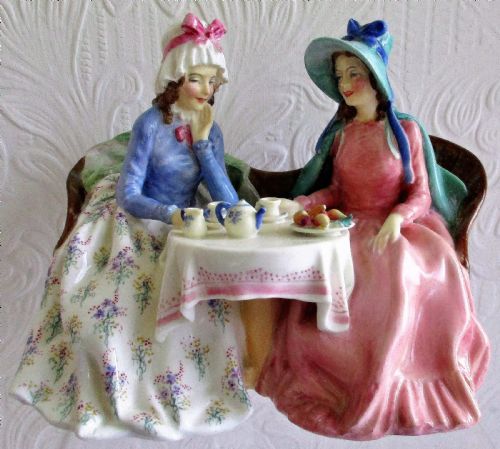
An antique ceramic lady encompasses a wide range of figural works, from eighteenth-century porcelain figures to twentieth-century earthenware pieces. You will frequently encounter Victorian and Edwardian examples alongside Art Deco productions.
The forms extend beyond standard mantle ornaments to include tobacco jars, powder bowls, vases, and tiles. Many pieces portray named characters, historical figures, or traditional archetypes like musicians and maidens.
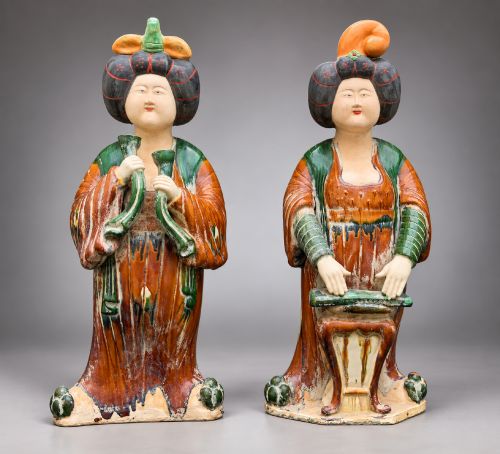
Origins span across English potteries, German and French factories, and Asian traditions such as Meiji period Kutani and Tang dynasty style pottery. This geographic variety shapes the specific aesthetic of each region.
Materials and methods
Makers utilised fine porcelain, bone china, earthenware, and terracotta as the primary bodies for shaping these figures. Parian ware also appears, offering a matte finish that resembles carved marble.
Decoration relied on hand-applied glazes, enamel pigments, and touches of gold leaf or gilt. Faience and blue and white techniques added distinct surface patterns before final firing.
Antique Ceramic Lady Retail Price Guide 2026
Typical asking prices for ceramic lady among the pieces listed under this phrase on Sellingantiques today, from the lower quarter to the upper quarter. They describe what is for sale here now, not the wider market.
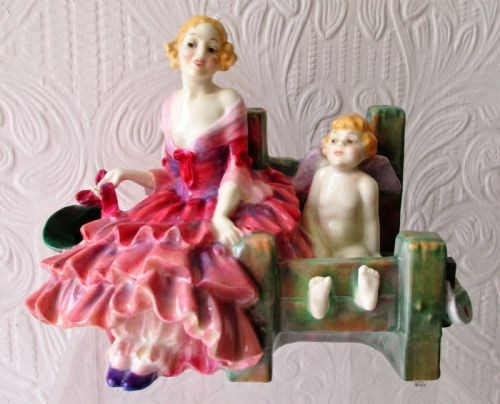
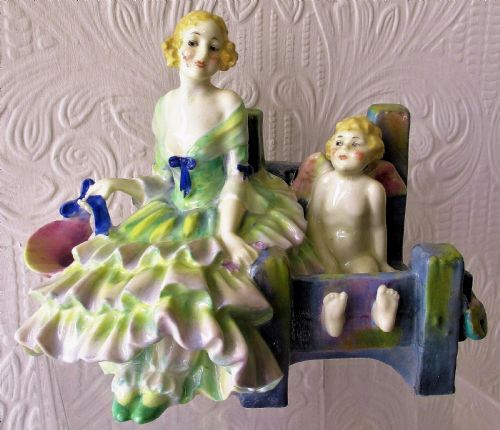
Several ladies arrive equipped for the day with musical instruments, baskets of grapes, or ready to smoke tobacco.
Assessing quality and execution
Heavier bodies and coarser glaze applications often indicate mass production or utilitarian wares, whereas finely potted figures show careful attention to anatomical proportion and balance.
Royal Doulton·Meissen·Royal Worcester·Royal Dux·Charles Vyse
The Antique Ceramic Lady Glossary
- Bisque porcelain
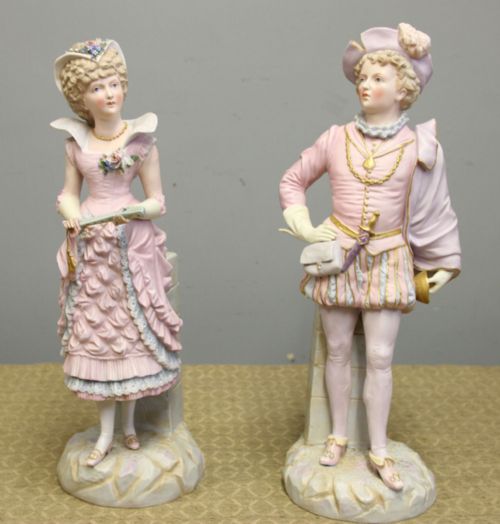
- Unglazed porcelain fired once to produce a matte, porous surface resembling marble. It is frequently found on nineteenth-century French figures.
- Bone china
- A type of soft-paste porcelain incorporating bone ash for strength and translucency. It allows for thin, delicate modelling.
- Earthenware
- Porous pottery fired at lower temperatures than porcelain. It requires a glaze to become impermeable to liquids.
- Parian ware
- A fine-grained white porcelain developed in the nineteenth century to imitate carved marble. It is prized for its smooth, unglazed texture.
- Sancai
- A traditional three-colour lead glaze technique originating in China. It typically employs amber, green, and cream tones.
Antique Ceramic Lady: Frequently Asked Questions
How do I date a ceramic lady?
Dating relies on factory marks stamped or painted on the base, stylistic clues such as clothing and hair, and the type of ceramic body used. Comparing the piece to documented factory production periods narrows the timeframe.
Changes in glaze chemistry and manufacturing techniques across the nineteenth and twentieth centuries also help determine when a figure was made.
What is the difference between porcelain and earthenware?
Porcelain is fired at much higher temperatures, resulting in a vitrified, non-porous body that is often translucent. Earthenware remains porous unless sealed with a glass glaze.
Figures made from porcelain generally allow for sharper details and thinner walls than heavier earthenware pieces.
How should I display these figures?
Place figures in stable cabinets away from direct sunlight to protect enamel colours and gilt highlights from fading. Ensure shelves are secure to prevent accidental tipping.
Avoid high-humidity areas, particularly with earthenware or terracotta, to prevent moisture damage to the unglazed or porous sections.
Are these figures fragile?
Most ceramic and porcelain figures are delicate due to protruding limbs, fingers, and intricate garments. Handle them with both hands supporting the base.
Dust them gently with a soft, dry brush rather than liquid cleaners to preserve painted surfaces and glazes.