

Antique Ceramic Jar Cover
These antique ceramic jar cover pieces are protective lids and vessels shaped across centuries, offering collectors functional history and decorative presence.
Antique Ceramic Jar Cover
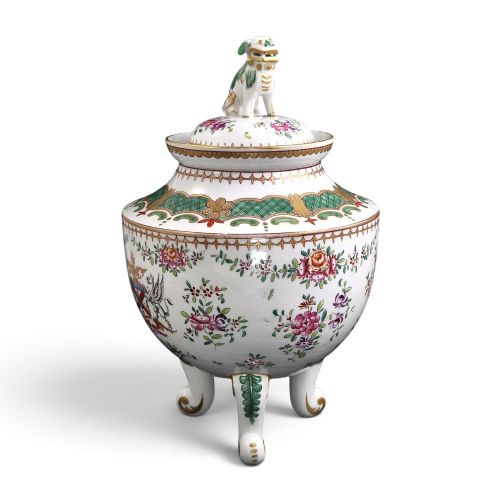
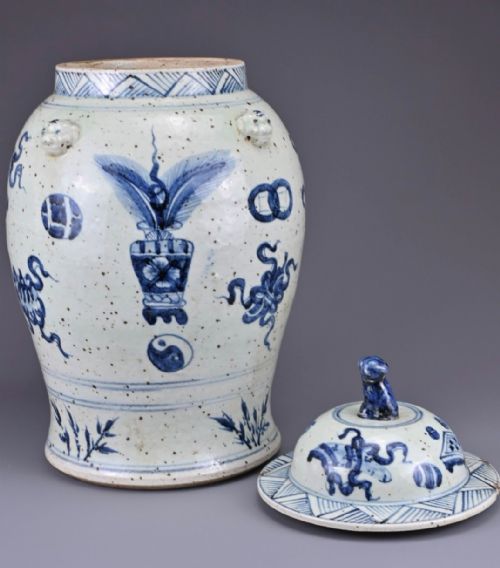
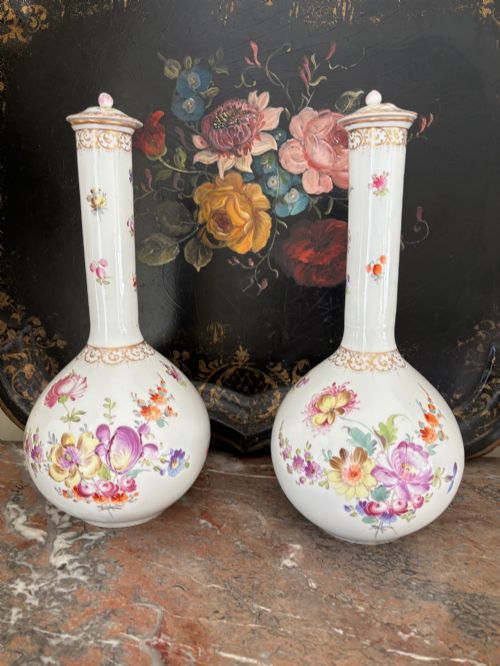
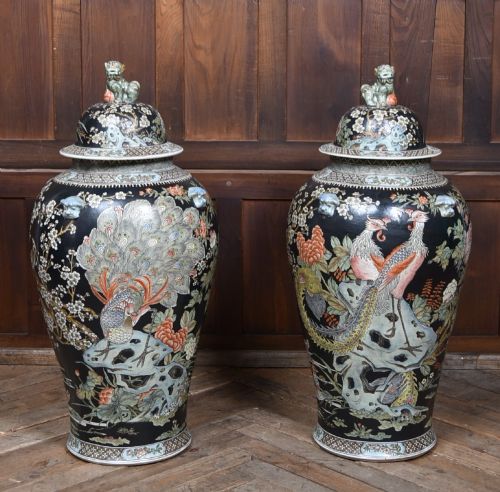
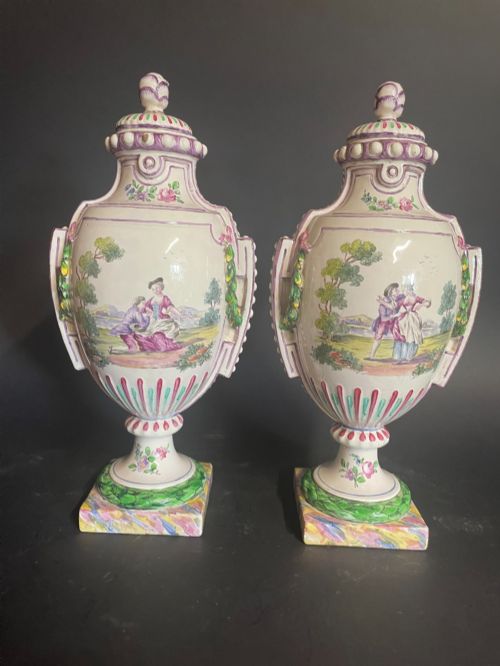
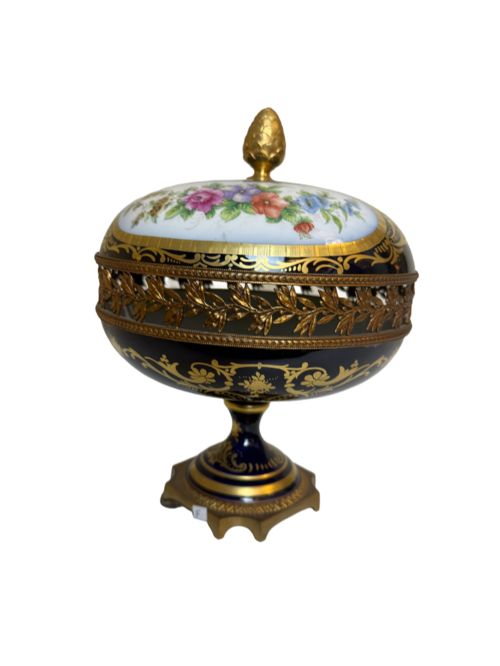
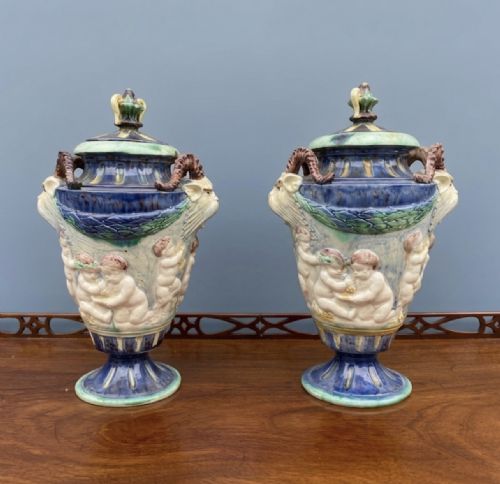
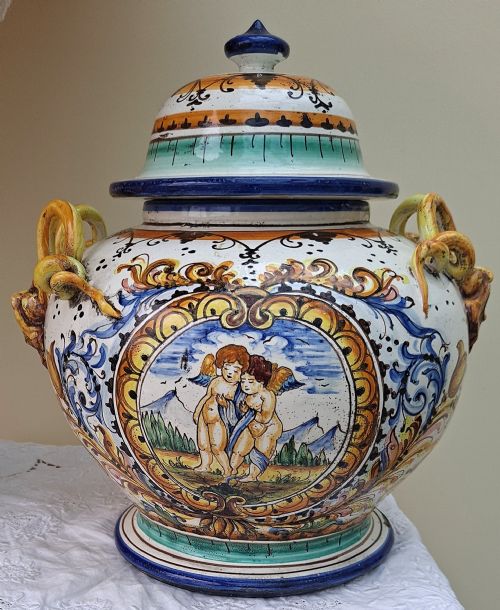
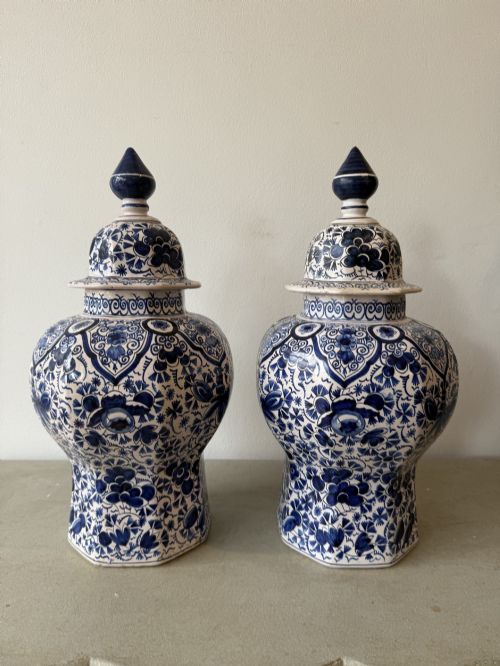
An antique ceramic jar cover is a lidded top paired with a vessel, appearing as ginger jars, urns, vases, and pot-pourri containers. These items span from the eighteenth century through the Edwardian era and into the early twentieth century.
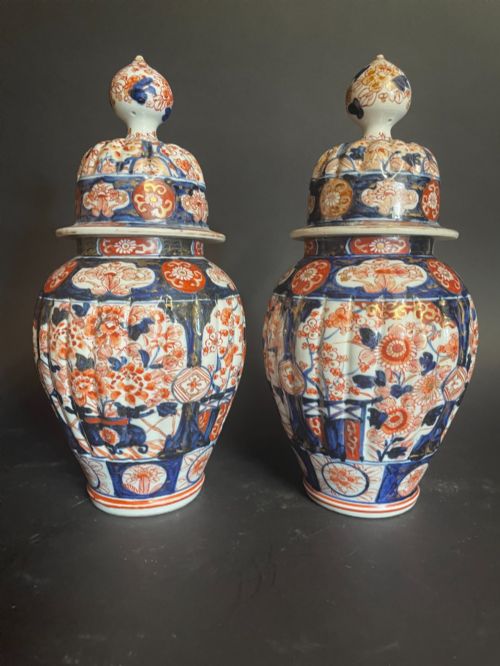
The version most commonly met on this page is the nineteenth century lidded jar, drawing from European factories, English potteries, and Japanese export workshops.
Makers produced these containers for domestic display, dry storage, and herbal pharmacy use, pairing a hollow ceramic base with a matching removable top.
How they were made
Potters shaped clay bodies on the wheel or pressed them into moulds, using earthenware, porcelain, ironstone, and tin-glazed paste. Artisans then applied manual brushwork, transfer printing, or polychrome enamel painting before firing.
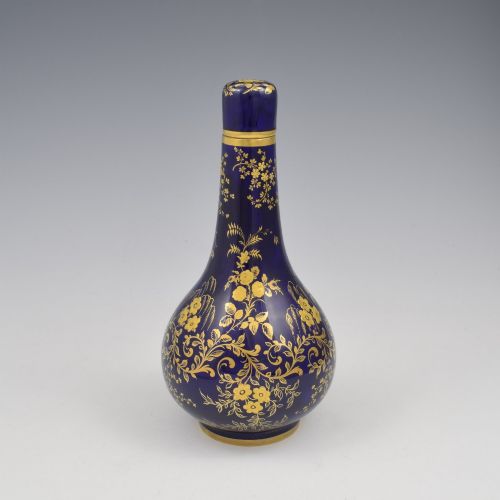
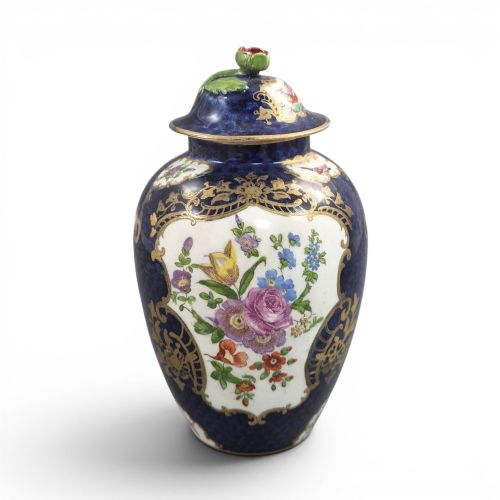
Finishing touches often included hand applied gold leaf gilding, metallic highlights, and glossy transparent glazes to seal the porous ceramic body.
Listings feature earthenware, porcelain, and tin-glazed ceramic forms spanning the eighteenth, nineteenth, and early twentieth centuries.
What varies in quality
Quality rests in the crispness of the hand painted decoration, the balance of the lid seating correctly upon the jar, and the depth of the glaze firing. Superior examples show precise brush control, rich polychrome pigments, and clean potting without distortion.
Lesser items display blurred transfer prints, poorly fitted lids, or heavy glaze pooling that obscures the underlying ceramic form.
Royal Worcester·Royal Crown Derby·Samuel Alcock·Sitzendorf·Coalport
The Antique Ceramic Jar Cover Glossary
- Imari
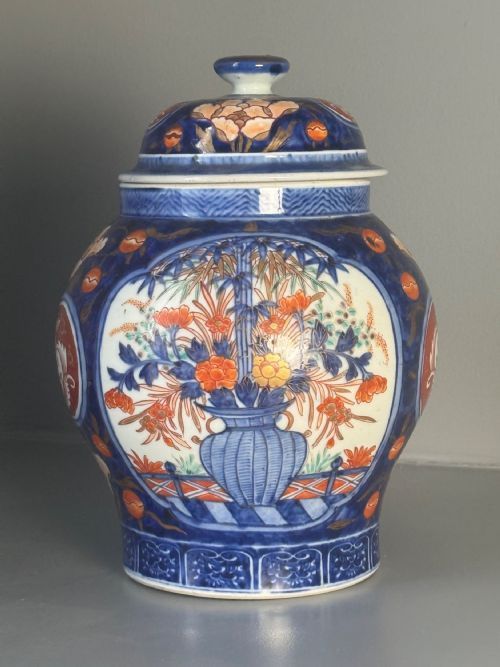
- A style of Japanese porcelain featuring underglaze blue and overglaze iron red, green, and gold decoration. This palette originated in Arita and influenced European kilns.
- Tin-Glazed Earthenware
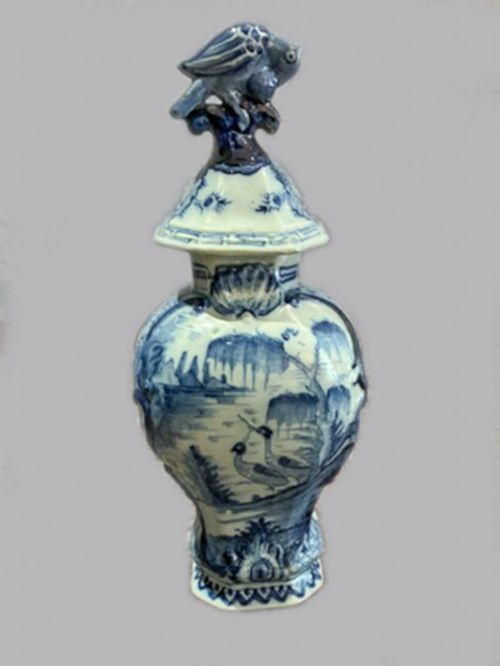
- Pottery covered with an opaque white glaze containing tin oxide, providing a smooth canvas for painted colours. Factories in Delft and Italy utilised this method.
- Pot-Pourri
- A vessel designed with a pierced or perforated cover to release the scent of dried flowers and spices held within. These jars often feature elaborate handles and painted panels.
- Ginger Jar
- A wide bellied storage vessel with a flat base and a domed lid, originally used in Asia for packing spices and preserved ginger. Later European copies served purely decorative roles in drawing rooms.
- Majolica
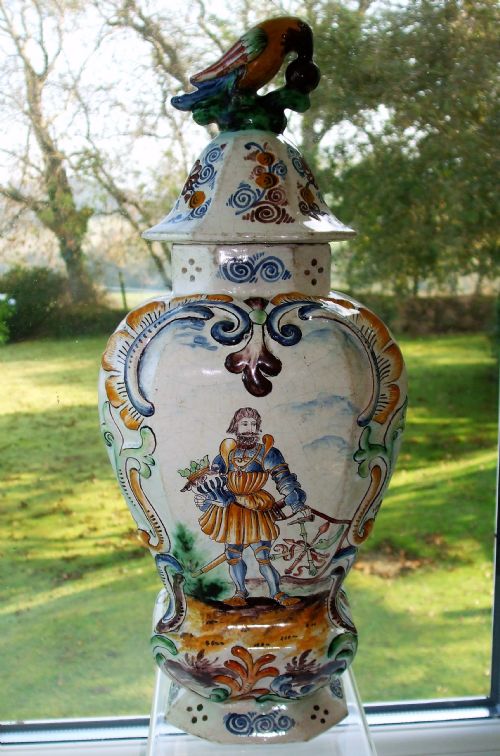
- Low fired earthenware coated with an opaque tin glaze and painted with bright metal oxide colours. This technique gained popularity in Victorian and continental workshops.
Antique Ceramic Jar Cover: Frequently Asked Questions
What were antique ceramic jar cover pieces used for?
These lidded vessels served practical roles in holding dry goods, spices, pharmacy ingredients, and aromatic pot-pourri mixtures in domestic settings.
Over time, many functioned primarily as decorative mantel ornaments and garniture sets displayed in formal rooms.
How do I date an antique jar and cover?
Dating relies on examining the potting technique, paste composition, glaze characteristics, and any painted factory marks on the base. Stylistic clues such as floral motifs or hand painted borders also help place the piece within a specific century.
Comparing the shape to documented factory forms narrows the production window further.
Are lids usually original to the jars?
Most lids found on these listings are original partners to their specific bases, sharing the same clay body, glaze tone, and decorative hand. Collectors check that the glaze pooling inside the rim matches the wear pattern of the lower vessel.
Replacement lids occasionally occur due to historical breakages.
How should I clean my lidded jar?
Maintenance requires only gentle dusting with a soft, dry cloth to protect delicate overglaze enamel painting and gold leaf gilding. Submerging antique ceramics in water or using modern cleaning agents can damage vulnerable glazes.
Keeping pieces away from direct sunlight preserves the original pigment colours.