


Antique Ceramic Flower Holder
An antique ceramic flower holder brings botanical arrangement to a table with centuries of sculptural ceramic tradition behind it.
Antique Ceramic Flower Holder
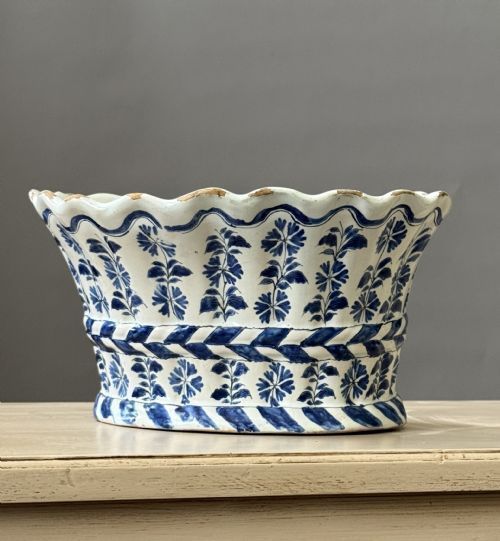
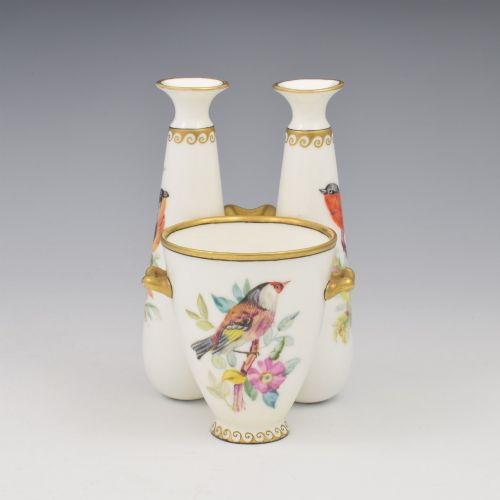
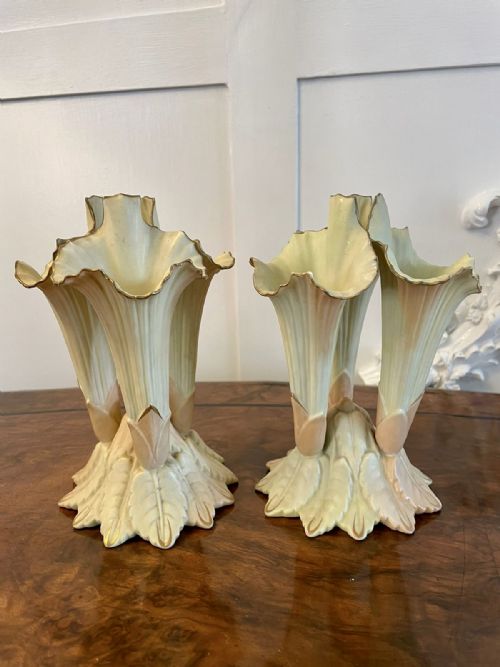
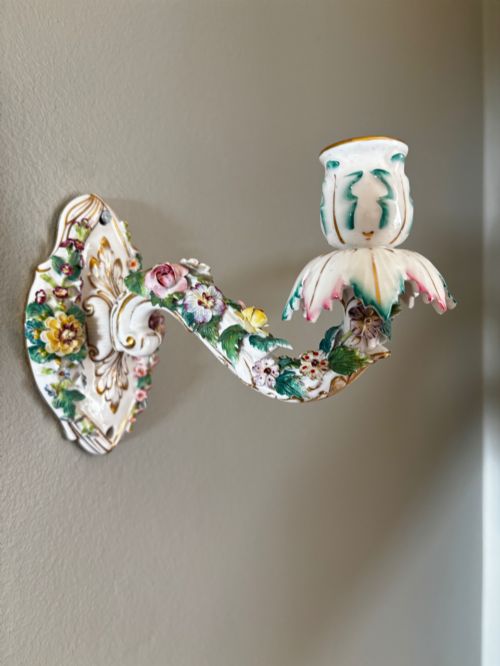
An antique ceramic flower holder takes many sculptural forms designed to secure stems, from multi-spouted tulipieres and bough pots to figures with posy receptacles and wall sconces. You will encounter various regional interpretations here, including English porcelain, German porcelain, Dutch delftware, and Chinese export ceramics.
The domestic interior of the eighteenth and nineteenth centuries relied on these pieces for table decoration and mantel displays. Makers produced specialised vessels such as chambersticks, spill vases, and jardinieres to accommodate cut stems or botanical specimens in domestic rooms.
Materials and manufacture
Potters shaped these vessels using earthenware, ironstone, and fine porcelain bodies, often finishing the surfaces with tin-glaze, enamel, or coloured grounds. Gilding and gold leaf frequently highlight moulded details and rims on Victorian and Edwardian examples.
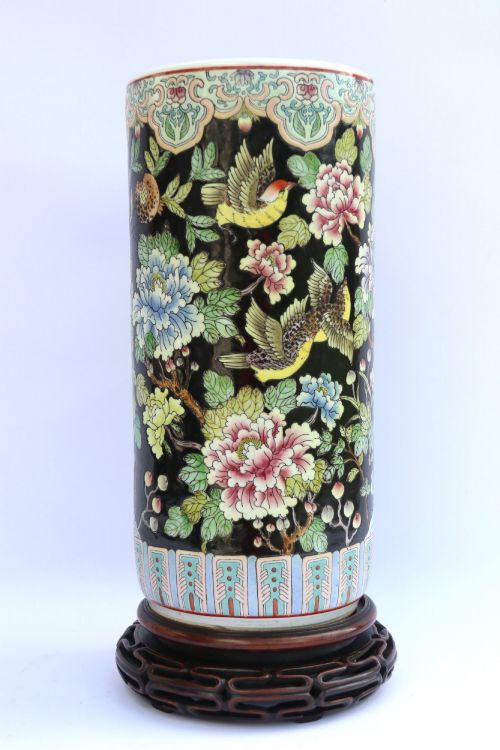
Hand-painting and transfer printing brought botanical, avian, and figurative scenes to the ceramic surface. Craftsmen applied clear and coloured glazes before firing the pieces in kilns to achieve durable decorative finishes.
Listings span the eighteenth, nineteenth, and early twentieth centuries, featuring earthenware, porcelain, and tin-glazed earthenware across various European and Asian traditions.
Factors of quality
The crispness of moulded relief work and the precision of hand-painted detail distinguish finer examples from standard production. Artisans who painted birds or floral motifs with subtle tonal control produced works that command attention.
The integrity of the ceramic body and the preservation of original gilding and enamel colours determine the standing of a piece. Well-balanced forms and clear factory marks or attributions add further distinction to individual specimens.
Royal Worcester·Locke and Co·Meissen·William Adams and Sons·Mason·Royal Doulton·Cantagalli·Charlotte Rhead
The Antique Ceramic Flower Holder Glossary
- Bough pot
- A vessel designed to hold cut branches or flowers, often featuring a pierced lid or multiple openings. These containers sat on tables or hearths during warmer months.
- Tulipiere
- A bulbous vase or tiered vessel with multiple spouts intended for arranging individual flower stems. The design supports bulbs or cut blooms upright.
- Posy holder
- A small ceramic receptacle or figure designed to display a compact bunch of flowers. They appear as standalone table ornaments or integrated into porcelain figures.
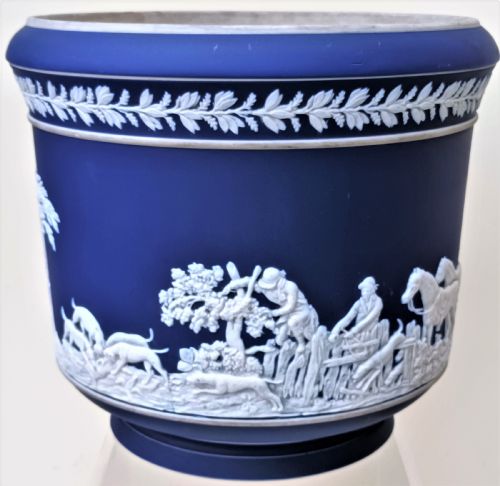
- Jasper ware
- A fine-grained, unglazed stoneware developed in the eighteenth century, commonly coloured in blue and decorated with white relief figures. It provides a distinctive matte texture.
- Ironstone
- A heavy, durable type of earthenware patented in the nineteenth century to imitate porcelain. It resists chipping and served as a robust base for colourful enamel decoration.
Antique Ceramic Flower Holder: Frequently Asked Questions
What is a bough pot used for?
A bough pot served to hold leafy branches and larger cut flowers inside domestic rooms. Their pierced covers kept stems separated and arranged.
Cabinet makers and ceramic factories produced them in tin-glazed earthenware and porcelain to decorate principal rooms.
How do I clean an old ceramic vase?
Warm water and a soft brush remove dust from glazed ceramic surfaces safely. Avoid harsh detergents that might harm fragile enamel painting or gilding.
Old repairs or unglazed areas require particular care to prevent moisture damage during cleaning.
Where were tulipieres made?
Potteries in Delft, China, and various European centres produced multi-spouted tulipieres for displaying prized bulbs and cut flowers. Export markets drove much of this specialised production.
Dutch and Chinese examples show distinct traditions in shape and blue-and-white decoration.
How do I identify a Victorian flower holder?
Victorian examples often combine bright enamel colours, gilt highlights, and naturalistic floral or bird motifs. Marks on the base frequently reference English factories like Royal Worcester.
The weight of the earthenware or porcelain body and the style of the hand-painting offer further clues to the nineteenth-century origin.