




Antique Ceramic Figural Candlesticks
These antique ceramic figural candlesticks combine sculpture and illumination, bringing 18th-century allegorical figures and Victorian modelling into domestic rooms.
Antique Ceramic Figural Candlesticks
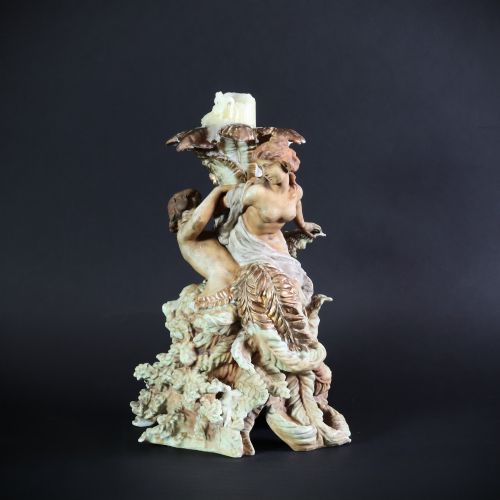
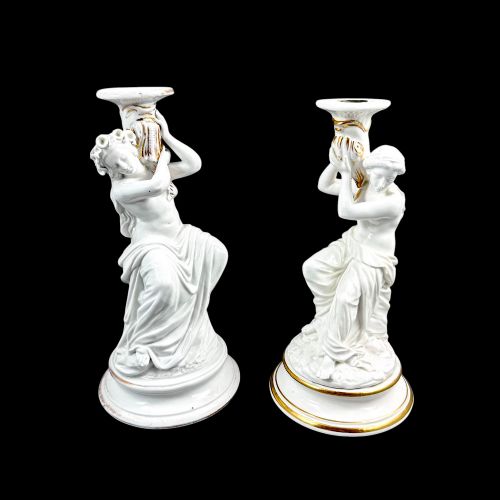
Antique ceramic figural candlesticks are sculpted objects that incorporate candle sockets into human or allegorical forms. When you search for antique ceramic figural candlesticks, you encounter pieces shaped as children, dancers, musicians, gardeners, and personifications of seasons like summer and autumn.
The selections span from 18th-century Georgian pieces, including works from Derby and Chelsea, to 19th-century Victorian, Edwardian, and continental European examples from Meissen, Sitzendorf, Dresden, and Volkstedt. Pairs dominate the offerings, often designed symmetrically for mantelpieces or side tables.
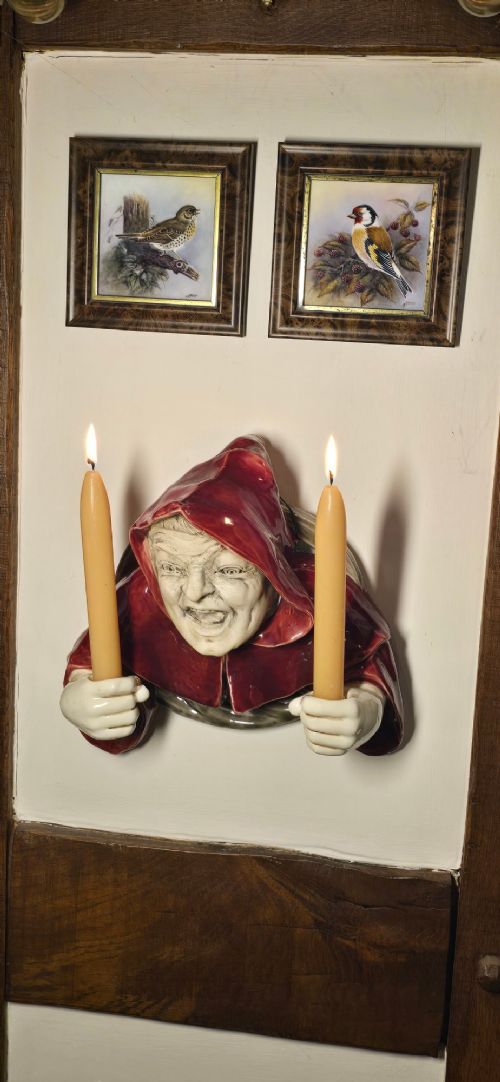
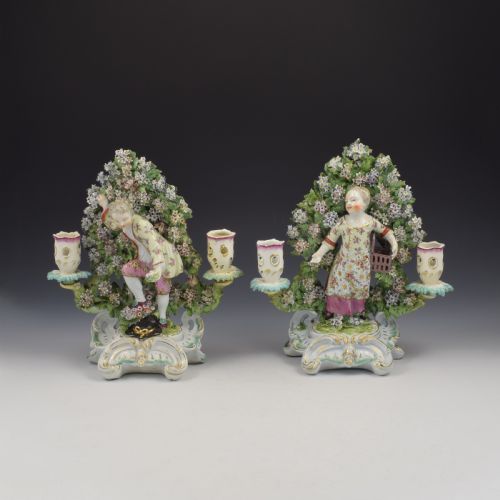
Forms range from single-socket candlesticks to multi-arm candelabras and wall-hanging pieces. Makers utilised soft-paste porcelain, hard-paste porcelain, and pottery, frequently mounting figures against leafy bocage backgrounds or floral bases.
Materials and Construction
Makers shaped these pieces using porcelain, soft-paste porcelain, and pottery, building complex three-dimensional forms by hand or through mould pressing. Delicate details such as leaves, flower petals, and garments were often modelled separately and applied to the main body before firing.
Glazing and enamelling brought colour to the surfaces, whilst gold leaf, gilding, and gilt accents highlighted rococo scrolls and garment trims. Many 18th-century pieces received underglaze patch marks or blue anchor marks, whereas later continental factories relied on impressed or painted factory ciphers.
Antique Ceramic Figural Candlesticks Retail Price Guide 2026
Typical asking prices for ceramic figural candlesticks among the pieces listed under this phrase on Sellingantiques today, from the lower quarter to the upper quarter. They describe what is for sale here now, not the wider market.
Children dressed as gardeners and dancers hold aloft candle sockets, turning domestic lighting into a theatrical woodland scene.
Judging Quality and Execution
The completeness of the original design influences standing, particularly in pairs where matching sconces, delicate fingers, and applied flowers are preserved. The prestige of the factory, from Derby and Chelsea to Meissen and Sitzendorf, also marks the distinction between standard production and masterworks.
Derby·Chelsea·Royal Worcester·James Hadley·Sitzendorf·Meissen·Dresden·Volkstedt·Helena Wolfsohn·Minton·Sutherland And Sons·Triebner ENS And Eckert
The Antique Ceramic Figural Candlesticks Glossary
- Bocage
- A decorative background of applied leaves and branches made of porcelain, common behind figures in 18th-century pieces. It creates a lush, naturalistic bower around the sculpted subject.
- Patch-Mark
- An unglazed circular mark left on the bottom of early porcelain from supports used inside the kiln. These marks help identify pieces from factories like Derby.
- Allegorical
- Representing an abstract idea through a human figure, such as seasons, continents, or virtues. Summer and autumn are frequent subjects in these figural designs.
- Gilt
- A thin layer of gold applied to ceramic surfaces for decoration. It is often found highlighting rococo scrollwork and the rims of sockets.
- Soft-Paste Porcelain
- An artificial porcelain mixture fired at lower temperatures than hard paste, used by early English factories. It has a warm, slightly translucent body that interacts distinctively with glazes.
Antique Ceramic Figural Candlesticks: Frequently Asked Questions
How were figural candlesticks used?
These pieces served both practical lighting and decorative functions in historical interiors. Placed on mantelpieces, dining tables, or sideboards, they provided ambient illumination while displaying sculptural artistry.
Pairs were typically arranged symmetrically to frame a mirror or clock. Their elaborate figural subjects also made them conversation pieces for guests in drawing rooms.
How do I identify 18th-century pieces?
Early pieces from the 18th century often feature soft-paste porcelain bodies with distinct kiln supports known as patch marks. Stylistic cues include rococo revival curves, hand-modelled bocage, and subjects like allegorical figures or theatrical dancers.
Factory marks, where present, offer direct evidence of origin. Anchor marks point to Chelsea, whilst specific potting characteristics link others to Derby.
What is bocage?
Bocage is a dense background of applied ceramic leaves and branches that frames the central figure. It mimics natural foliage and adds depth to the overall composition.
This technique requires careful hand-assembly before firing. Its presence is characteristic of many Georgian and Victorian figural designs.
How should I clean antique porcelain candlesticks?
Dusting with a soft, dry brush is the safest method for routine maintenance. Avoid submerging antique ceramics in water, especially if they feature delicate applied flowers or gilt highlights.
Professional restoration or gentle surface wiping should be considered for pieces with accumulated grime. Chemical cleaners must be avoided entirely to protect the historic enamel and gilding.