




Sitzendorf Porcelain Pair
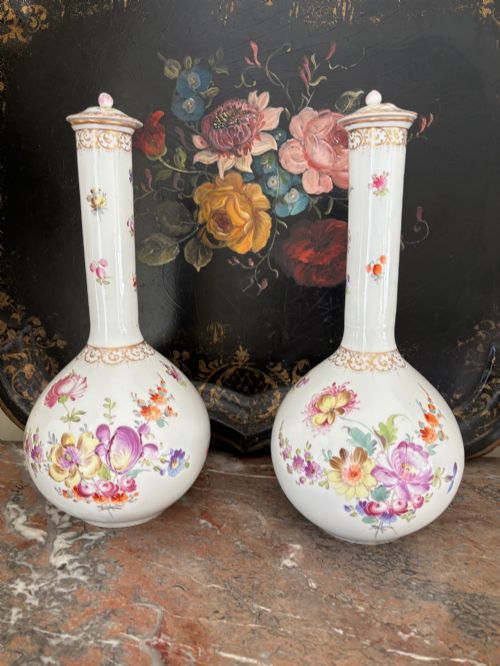
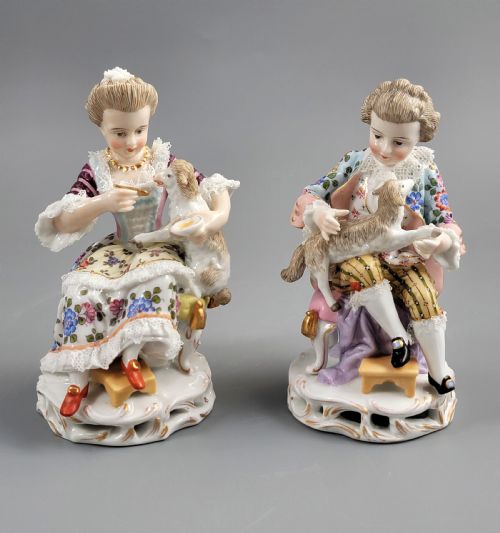
These sitzendorf porcelain pair examples combine German craftsmanship with Victorian rococo revival modelling, offering striking decorative presence for any mantelpiece or table.

Sitzendorf Porcelain Pair
When searching for a sitzendorf porcelain pair, a buyer encounters dual decorative objects shaped by German manufacturers during the nineteenth century. These items typically take the form of figural candlesticks, lidded vases, table lamps, and freestanding figures depicting children, gardeners, or pastoral musicians.
The versions most frequently met on this page span the 1880s to 1900, reflecting the Victorian taste for elaborate ornamentation. Such pairs often feature hand-painted floral decoration and detailed sculptural work, frequently mounted on floral bases or styled with rococo revival curves.
How they were made
The manufacture of these pieces relies on hard-paste porcelain, shaped into complex figures and vessels before undergoing high-temperature firing. Artisans then apply enamel colours by hand, often incorporating delicate botanical motifs across the surface.
Detailing is enhanced through the use of gold leaf and gilding to highlight raised decorative elements and borders. Certain items incorporate brass mounts to support functional forms such as lamps and candlesticks.
Listings demonstrate that porcelain, enamel, and gold leaf serve as the primary materials across these nineteenth-century items.
What varies in quality
Preservation of the original gilding and delicate porcelain petals also dictates the overall standing of an item. Pieces retaining crisp hand-painted details without excessive rubbing command stronger visual appeal.
Sitzendorf Factory
The Sitzendorf Porcelain Pair Glossary
- Hard-paste porcelain
- A durable ceramic composition fired at very high temperatures, creating a dense, vitreous body. It forms the structural foundation for the majority of these German figures.
- Rococo revival
- A nineteenth-century design movement characterised by asymmetrical scrolls, C-curves, and naturalistic plant motifs. This style heavily influences the bases and framing of these figures.
- Enamel
- Opaque vitreous material fused to the porcelain surface during firing to provide colour. It allows for the intricate hand-painted floral decoration seen on the vases and garments.
- Gilding
- The application of gold leaf or powdered gold mixture to highlight specific design areas. It accents the decorative borders and sculptural details.
- Blanc de chine
- A French term denoting white porcelain without coloured glaze. Examples in the inventory utilise this monochrome finish to emphasise sculptural form.
Sitzendorf Porcelain Pair: Frequently Asked Questions
What periods do these sitzendorf porcelain pair items date from?
The pieces recorded here originate primarily from the late nineteenth century, spanning the eighteen-eighties through to nineteen hundred.
This timeframe aligns with the height of Victorian production in Germany, where factories produced elaborate figures and functional wares.
How were these figural candlesticks used originally?
They served as functional lighting devices for dining tables and mantelpieces, holding wax candles to illuminate grand rooms.
At the same time, their sculptural forms functioned as decorative art objects displaying wealth and refined taste.
Where were these porcelain objects manufactured?
Production took place in Germany, specifically at workshops associated with the town of Sitzendorf and surrounding regional potteries.
These centres specialised in hard-paste porcelain figures and export wares popular throughout Victorian Britain.
How should I care for antique porcelain pairs?
Maintenance requires gentle dusting with a soft, dry brush to protect delicate applied flowers and hand-painted enamel surfaces.
Displaying them away from direct sunlight and areas of heavy vibration helps preserve the integrity of the porcelain and gilding.